What Humidity Should a Garage Be

Image source: Bing (Web (fair-use with source credit))
If you've ever walked into your garage and felt that sticky, damp air or noticed a musty smell, you've probably asked yourself what humidity should a garage be. The short answer is between 30 and 50 percent relative humidity. That range keeps your tools from rusting, your stored boxes from growing mold, and your car's undercarriage from corroding.
The risk of damage climbs fast once humidity stays above 60 percent. The EPA says mold can start growing on surfaces within 24 to 48 hours when relative humidity stays above that threshold. ASHRAE, the standard-setting body for building environments, recommends 30 to 60 percent for occupied indoor spaces.
For a garage, you want the lower half of that range. EPA moisture control guidance and ASHRAE standards both confirm this target. Let's break down why that number matters and how to hit it.
Quick Answer: The Safe and Practical Humidity Range for Your Garage
The ideal humidity level for a garage is 30 to 50 percent relative humidity. This range stops mold and rust from forming. It also keeps stored items and tools safe.
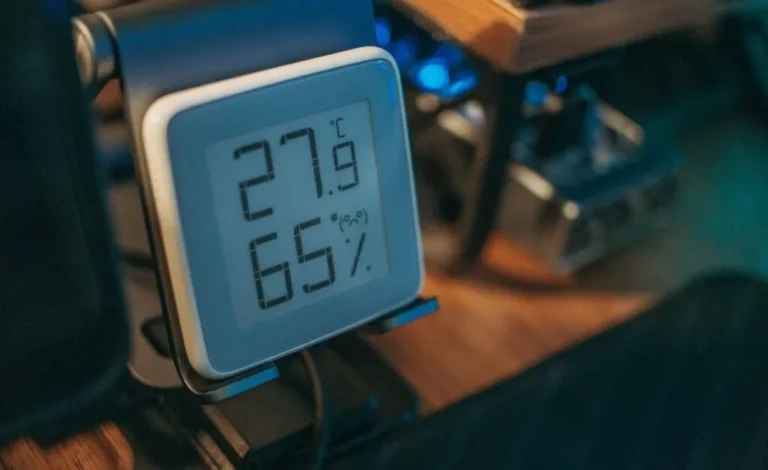
Stay below 60 percent to avoid condensation and moisture damage. Use a digital hygrometer to check your garage regularly.
If you store woodworking projects, musical instruments, or collectibles in your garage, aim for the lower end around 35 to 40 percent. If your garage is just parking and basic storage, 45 to 50 percent is fine. Consistency matters more than hitting an exact number.
Wood can bulge or crack when humidity swings more than 20 points within a single week.
Why It Matters: What Goes Wrong When a Garage Gets Too Humid
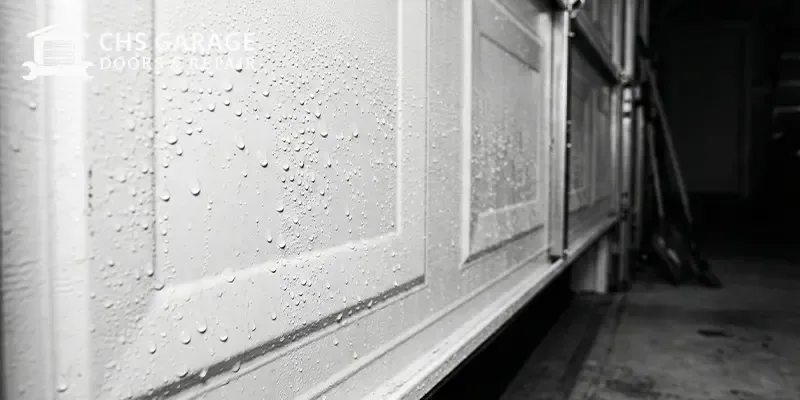
Image source: Bing (Web (fair-use with source credit))
Garages are notoriously neglected spaces. Most people think of them as a tough, concrete box that can handle anything. But that damp air does real damage every single day.
Rust and corrosion hit everything metal. Hand tools, power tools, lawnmower blades, car brake rotors, and the springs on your garage door. Once rust starts, it spreads. A set of wrenches left in a humid garage for a season can develop orange pitting that never comes off.
Mold and mildew spread into your home. They grow in drywall, cardboard boxes, fabric, and upholstery. Spores then travel into your living space, especially in an attached garage. The EPA's mold guidance links indoor mold growth to respiratory issues and allergy symptoms.
This is a health problem, not just a storage problem.
Wood warps and rots over time. Workbenches, shelving, lumber, and particleboard absorb moisture like a sponge. Once they swell, they never return to their original shape. Musical instruments are especially vulnerable.
A guitar stored in a humid garage can develop a warped neck in just a few weeks.
Musty odors migrate into the house. That damp smell seeps through every crack and gap. Attached garages share air with living space. The humidity never stays isolated.
Pests love moisture. Silverfish, termites, carpenter ants, and cockroaches thrive in damp environments. A humid garage becomes a breeding ground that then spreads into your home.
Structural damage is slow but costly. Peeling paint, failing drywall seams, and moisture wicking through the concrete slab can lead to foundation issues. Framing behind the drywall can rot if moisture stays trapped for years.
What Actually Affects Your Garage Humidity: Climate, Construction, and Usage
Your garage humidity isn't random. It's shaped by three things you can control and a few you can't.
Attached garages differ from detached ones. An attached garage shares walls and ceilings with your home. Air leaks through every electrical outlet, light fixture, and gap around the door. That means your home's humidity can raise the garage's level, and vice versa.
Detached garages are more independent but more exposed to outside weather.
Your climate sets the baseline. In humid coastal areas like the Gulf Coast or Southeast, garages sit at 60 to 70 percent humidity for months. In cold northern climates, winter brings condensation problems. Warm air hits cold garage doors and windows, forming water droplets.
That's why you'll see frost on the inside of the garage door on cold mornings.
The concrete slab wicks moisture from the ground. Concrete is porous. Ground moisture travels up through the slab and evaporates into the air. This is called vapor transmission.
If your garage was built without a vapor barrier under the slab, the floor is a constant moisture source. You can test this by taping a 2×2 foot piece of clear plastic to the floor for 48 hours. If moisture collects under it, you have a vapor problem.
Garage doors are the weakest link. They are large, thin, and often poorly sealed. Condensation forms on the interior surface when outside temperatures drop. That water drips onto the floor and whatever is parked underneath.
Insulated doors help but don't eliminate the problem.
Daily usage adds moisture. A wet car dripping on the floor after a rainstorm adds humidity. Lawn equipment with damp grass clippings adds humidity. Gas cans and paint thinners release moisture as they evaporate.
A gas dryer or water heater in the garage adds significant moisture to the air.
Dehumidifier vs. Ventilation: Your Main Options for Managing Humidity
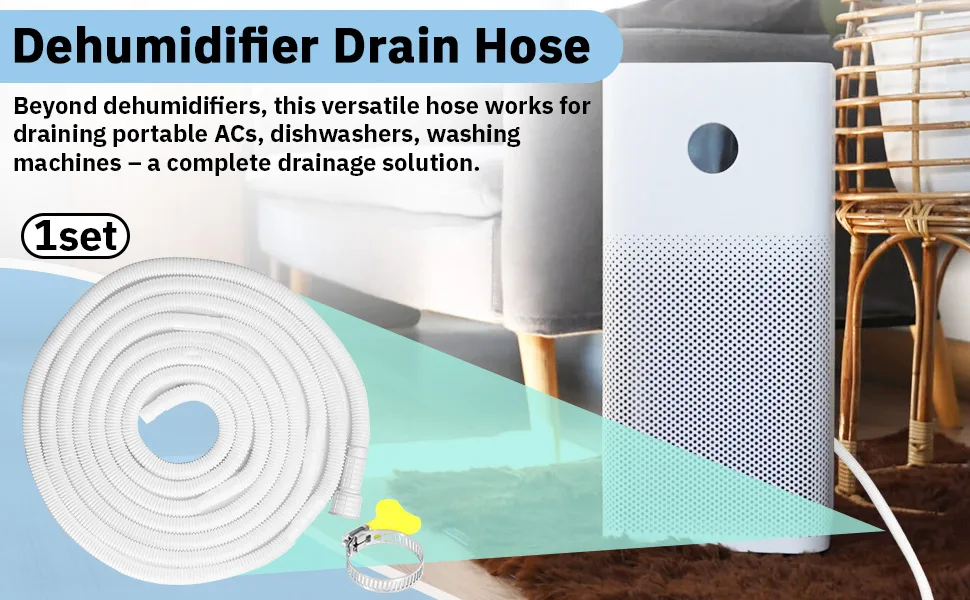
Image source: Bing (Web (fair-use with source credit))
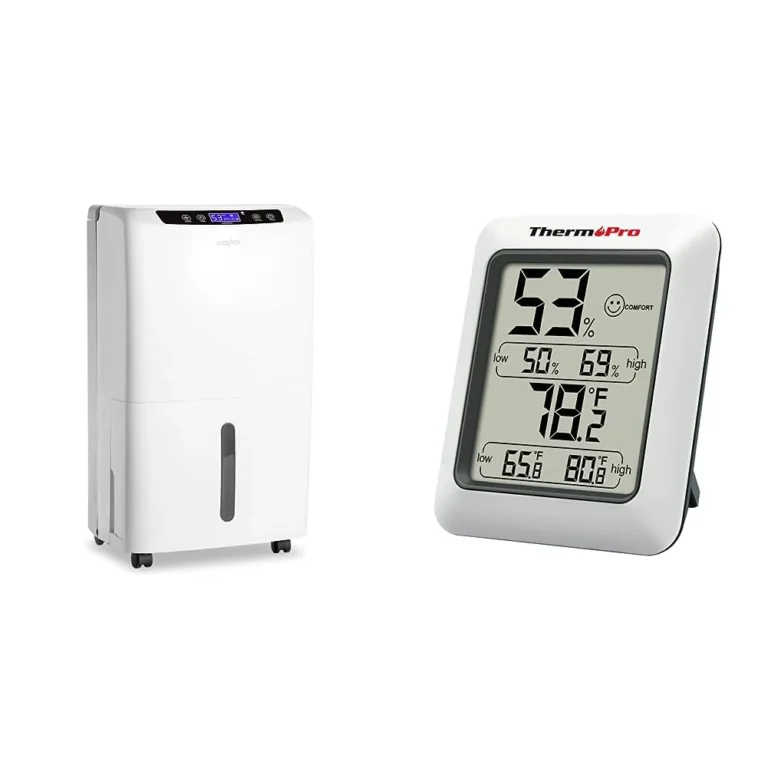
You have two main approaches to reducing garage humidity: active dehumidification and passive ventilation. They work differently. The right choice depends on your climate and how you use the space.
Refrigerant dehumidifiers are the most common option. They work like an air conditioner. A fan pulls air over cold coils, moisture condenses on the coils, and water drips into a bucket or down a drain hose. They work best in temperatures above 60 degrees Fahrenheit.
Below that, the coils ice up and the unit becomes ineffective. A 50-pint unit is a good starting point for most garages. A two-car garage may need a 70-pint unit.
Desiccant dehumidifiers are better for cold garages. They use a rotating wheel coated with a moisture-absorbing material. No cold coils, so they work well down to freezing temperatures. They cost more upfront, but they are the right choice if you need year-round garage drying in a cold climate.
Ventilation fans are a lower-cost alternative. An exhaust fan pulls humid air out and draws drier air in from outside. This works well when outside air is drier than garage air. That happens most often in winter and in dry climates.
In humid summer conditions, bringing in outside air makes the problem worse.
| Option | Best For | Upfront Cost | Energy Use | Cold Weather Performance |
|---|---|---|---|---|
| Refrigerant dehumidifier | Warm climates, year-round use | $150 to $400 | Moderate | Poor below 60°F |
| Desiccant dehumidifier | Cold climates, garages below 60°F | $200 to $500 | Higher | Excellent |
| Exhaust fan | Dry climates, winter use | $50 to $200 | Low | Good |
| Vapor barrier + insulation | Preventing moisture from entering | $100 to $500 | None | Excellent |
Insulation and vapor barriers are preventative measures. Insulating the garage door and walls reduces condensation. A vapor barrier on the concrete floor stops moisture from wicking up. These steps reduce the load on your dehumidifier or fan.
They won't dry out the air on their own.
How to Measure and Control Your Garage Humidity: A Step-by-Step Guide
Getting your garage to that 30 to 50 percent range is a process. It's not a one-time fix. Here's the approach that works in most garages.
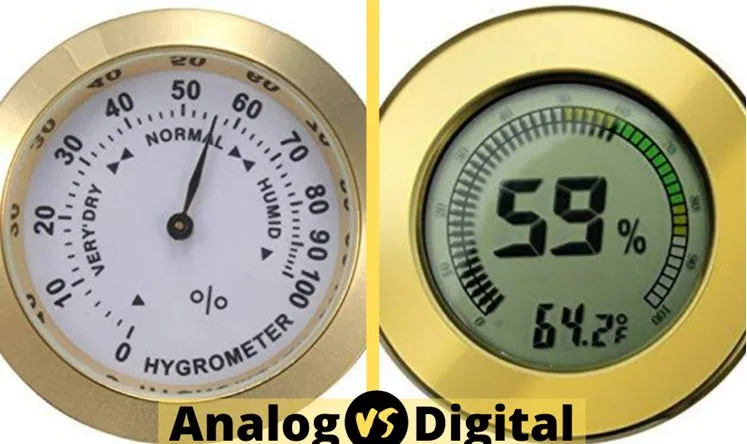
Step 1: Get an accurate hygrometer and place it correctly. A digital hygrometer costs about $10 to $20. Skip cheap analog models. They are often 10 to 15 points off.
Place the hygrometer on an interior wall, about four feet off the floor. Keep it away from direct sunlight, drafts, and heat sources like a water heater.
Step 2: Monitor for at least one week. Humidity changes with weather, what you park in the garage, and daily activities. A single reading can mislead you. Track the high and low readings over seven days.
This gives you a solid baseline.
Step 3: Moisture-proof the concrete floor. If your floor is bare concrete, apply a concrete sealer or epoxy coating. This blocks vapor transmission from the ground. If you can't do that, lay down a heavy-duty vapor barrier like 6-mil polyethylene sheeting under shelving and storage.
Step 4: Seal gaps around walls, windows, and door edges. Use caulk and weatherstripping. Focus on the gap under the garage door, the joint between the concrete floor and the wall, and any holes where pipes or wires enter. Every gap is an open door for humid air.
Step 5: Vent moisture sources to the outside. If your dryer or water heater is in the garage, make sure vent lines are properly connected and exhausting outside. Never let a dryer vent dump moist air into the garage. It's a humidity disaster.
Step 6: Insulate the garage door and walls. An uninsulated garage door is a giant condensation surface. Add foam panel insulation kits designed for garage doors. Insulate walls that separate the garage from living spaces.
This also helps with temperature swings.
Step 7: Bring in a properly sized dehumidifier with a drain hose. After reducing moisture sources, a dehumidifier handles the rest. Plug it into a GFCI outlet. Set it to 45 percent relative humidity.
Run a drain hose to a floor drain or outside. Emptying a bucket every day gets old fast.
Step 8: Re-test and adjust seasonally. In summer, the dehumidifier may run constantly. In winter, you may need to switch to a desiccant unit or turn it off entirely. Check your hygrometer readings every few weeks and adjust.
Common Mistakes to Avoid When Trying to Dry Out a Garage
Set-and-forget humidity settings. Humidity swings wildly between seasons. Your dehumidifier needs a different target in August than in January. Recheck the hygrometer monthly and adjust.
Putting the dehumidifier in the wrong spot. Near an open garage door, it pulls in fresh humid air constantly. Direct sunlight throws off its built-in sensor. Place it central, at least a foot away from walls.
Running a refrigerant unit in freezing temps. Below 60°F, the coils ice up and the machine shuts down. Aggregate user reviews confirm this as the top winter complaint. Switch to a desiccant unit for cold garages.
Skipping air sealing and expecting the dehumidifier to do everything. A dehumidifier fighting constant outside airflow loses that battle. Seal gaps under and around the garage door first, then let the machine work.
Trusting a cheap analog hygrometer. Many read 10 to 15 points off. A $10 digital model is accurate within 2 to 3 percent. That difference matters when you're targeting under 50 percent.
Treating the garage as an afterthought. That mindset is how tools rust and mold spreads into the house. Attached garages share air with living spaces. Treat it like part of your home.
Neglecting the dehumidifier itself. A clogged filter or kinked drain hose stops it cold. Clean the filter every two weeks and check the drain line monthly.
Frequently Asked Questions
Is 60% humidity too high for a garage?
Yes. At 60 percent, condensation forms on cooler surfaces like garage doors and metal tool handles. That moisture feeds mold growth and rust.
The EPA identifies 60 percent as the upper limit for preventing mold indoors. Set your target below that.
Should I run a dehumidifier in my garage during winter?
Only if you use a desiccant model or your garage stays above 60°F. Refrigerant dehumidifiers lose effectiveness as temperatures drop and the coils can ice up. In cold climates, an exhaust fan or desiccant unit is the better winter solution.
How long should I run a dehumidifier in my garage per day?
Run it until the hygrometer reads below 50 percent, then let it cycle on its own. Most units run 8 to 12 hours a day in humid conditions. In a well-sealed garage, that runtime drops significantly after the first week.
Where should I place a hygrometer in my garage?
Mount it on an interior wall, about four feet off the floor. Keep it away from direct sunlight, drafts, and heat sources like a water heater. That placement gives you the most accurate baseline for the whole space.
Final Recommendation: A Simple Plan for Keeping Your Garage Dry
Start with the basics. Get a digital hygrometer and track your readings for a full week. Seal the obvious gaps and lay a vapor barrier if you have bare concrete.
Then bring in equipment matched to your climate.
If you live in a warm, humid area, a refrigerant dehumidifier with a drain hose is the workhorse you need. If your garage dips below 60 degrees in winter, a desiccant unit keeps working when others freeze. If you live in a dry climate, an exhaust fan might be all you need.
As of 2026, good digital hygrometers cost under $20 and dehumidifiers run far more efficiently than older models. There's no excuse to let a damp garage ruin your tools and stored gear.
The honest bottom line is that most garage humidity problems are DIY fixes. If you have recurring condensation, mysterious damp spots, or mold behind drywall, call a building professional. They can identify groundwater issues and hidden ventilation problems.
The answer to what humidity should a garage be stays the same. Aim for 30 to 50 percent relative humidity. Monitor consistently.
Adjust seasonally. Your tools, your car, and everything else you store will last far longer.