How Often Should You Calibrate a Hygrometer
If you're asking how often should you calibrate a hygrometer, the practical answer is every six months for most indoor use. Relative humidity (RH) measures how much moisture the air holds compared with its maximum at that temperature. That six-month interval is not a magic number.
It shifts with sensor quality, what you're protecting, and how accurate you need to be.
In our research, consumer-grade capacitive sensors drift by one to two percent RH per year, even in stable conditions. That drift is silent. A hygrometer reading 70% might actually be sitting at 66 or 74.
Let's figure out the right calibration schedule for your setup, starting with the quick answer and then moving into the specifics.
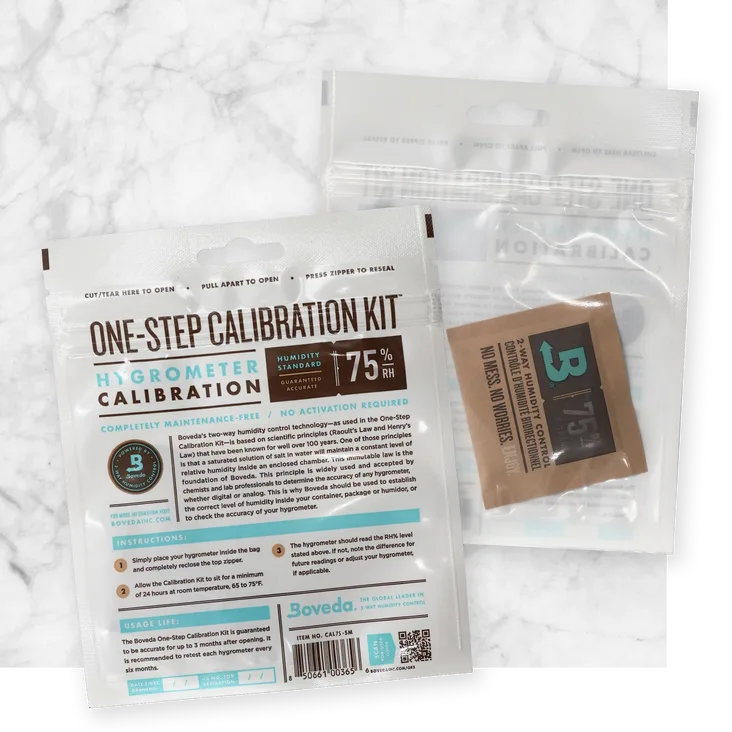
Image source: Bing (Web (fair-use with source credit))
Quick Answer
Calibrate your hygrometer every six months. Do it sooner after a drop, battery change, or extreme humidity exposure. In critical uses, calibrate every three months.
Cheap sensors drift faster and need more frequent checks. As of 2026, most digital hygrometers still use capacitive sensors that drift without obvious warning.
Do You Actually Need to Calibrate? (The Two-Minute Test)
You might not need to calibrate at all if your hygrometer is brand new and factory-certified. Many mid-range digital models ship with an accuracy of plus or minus 3% RH. Some even include a calibration certificate.
That certificate only holds for the moment it was printed. Once the sensor starts working in your environment, the clock on drift starts ticking.
Here's a quick way to check whether you're due. Place your hygrometer and a reliable reference unit side by side in a sealed plastic bag. Let them sit for 24 hours at room humidity.
If the readings differ by more than 5% RH, you definitely need calibration. If they're within 3%, your sensor is probably fine for now.
Most people don't have a reference hygrometer, though. In that case, run a simple salt test. Mix pure table salt with a little water until it's the consistency of wet sand.
Seal it in a bag with your hygrometer for at least 6 hours. The enclosed air should reach about 75% RH at room temperature. If your hygrometer reads outside 73 to 77, it's time to calibrate.
That test is cheap and reliable. It costs under five dollars and takes less than a day. If you're on a yearly maintenance schedule already, folding this in as a sanity check makes the decision easy.
The Decision Tree: What's Your Situation?
You don't need a rigid calendar if you know which category you fall into. Let's run through a simple decision tree.
Step 1: What are you monitoring?
- If you're protecting valuables like cigars, fine wood, art, or instruments, calibrate every 2 to 3 months. These items suffer real damage from humidity swings.
- If you're using a hygrometer for comfort or to know whether to run a humidifier, every 12 months is enough.
- If you're in medicine, food storage, or cannabis cultivation, follow the strictest interval, usually every 3 months.
Step 2: What kind of sensor do you have?
Capacitive sensors, found in most digital hygrometers, drift faster than mechanical hair sensors. Hair hygrometers, common in analog units, respond slower but don't drift as quickly. If you have a cheap capacitive sensor, cut the recommended interval in half.
Step 3: How stable is your environment?
A stable environment means fewer calibrations. A temperature-controlled room with moderate humidity is ideal. But if your hygrometer sits in a garage that swings from 20% to 90% RH, the sensor is working hard.
Plan on calibration every 3 to 4 months in those conditions.
Step 4: Have you had any recent events?
Think about physical shocks. Did your hygrometer drop off the shelf? Did it get splashed or left in a damp closet?
Any of those warrant an immediate calibration check, regardless of the date.
Here's the breakdown in practical terms:
- High stakes plus unstable environment: every 3 months
- Moderate stakes plus stable environment: every 6 months
- Low stakes plus a reference-grade sensor: every 12 months
- Unknown sensor age plus no calibration log: calibrate now, then follow the above
That logic covers most real-world setups.
Real-World Frequency Guide
Let's translate that tree into concrete numbers. The table below shows recommended calibration intervals based on common use cases. These are practical suggestions, not hard rules, but they line up with what manufacturers and research labs typically advise.
| Use Case | Recommended Interval | Why |
|---|---|---|
| Cigar humidor | Every 2–3 months | Small humidity swings change cigar quality |
| Reptile enclosure | Every 3 months | Wrong RH causes shedding problems |
| Woodworking or instrument storage | Every 3–4 months | Wood cracks below 40% RH and warps above 60% |
| Cannabis drying and curing | Every 3 months | Moisture levels dictate mold risk |
| Wine cellar | Every 6 months | Slow drift is tolerable, but large drift ruins corks |
| Home comfort monitoring | Every 12 months | A few percent error isn't harmful |
| Weather station | Every 12 months | Wider tolerance for general forecasting |
| Pharmaceutical or lab storage | Every 1–3 months | Follow your GMP or ISO 9001 schedule |
Seasonality matters too. If you have hot, humid summers and dry winters, calibrate at the start of each season. Your sensor's polymer layer absorbs and releases moisture differently in each climate.
That causes hysteresis, meaning the reading depends on whether humidity is rising or falling.
When you aren't sure, mark your calendar for the first week of spring and the first week of fall. That gives you two calibration checks a year. That's the minimum for anyone serious about accuracy.
For critical applications, don't wait for a calendar. Set a reminder for every 30 days to run a quick check, then do a full salt test every 90 days.
Step-by-Step: How to Calibrate at Home
You have two dependable options: the saturated salt test and the Boveda calibration kit. Both are accurate to about 1% RH when done right. Here's how to do each.
What you'll need for the salt test
- A clean, airtight container or resealable bag
- Pure salt (sodium chloride, no iodine or anti-caking agents)
- Distilled water
- A small dish or cap
- Your hygrometer
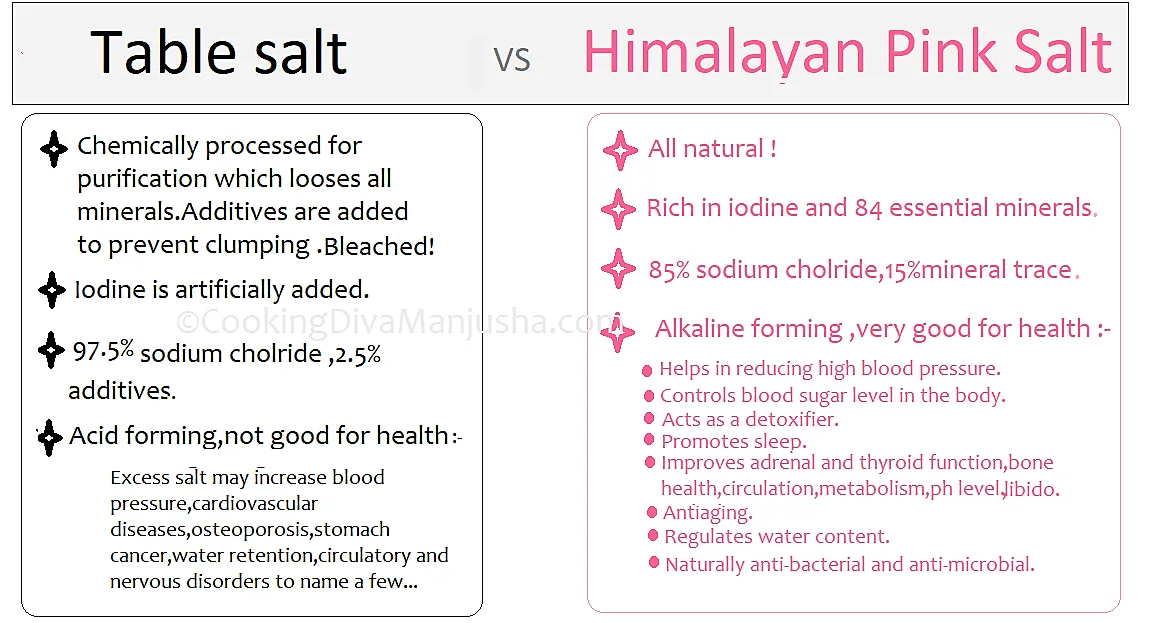
Image source: Bing (Web (fair-use with source credit))
Salt test procedure
- Mix salt with distilled water until it forms a thick slurry. It should look like wet sand, not a clear solution.
- Pour the slurry into the dish and place it at the bottom of your container.
- Set your hygrometer on a spacer above the slurry so it doesn't touch the water.
- Seal the container completely and let it sit for 6 to 12 hours.
- Read the hygrometer. The air inside the container should be 75% RH at 20 to 25°C.
If your hygrometer reads 72%, that's the offset you need to correct. If it has a calibration mode, enter the difference. If it's analog, turn the adjustment screw until it reads 75%.
Per NIST's humidity standards, a saturated salt solution creates a stable reference point for relative humidity at a given temperature. That's why this method is trusted by labs and hobbyists alike.
Boveda method
Boveda packs hold a fixed relative humidity, usually 75% or 84%. Place your hygrometer and a fresh pack in a sealed bag or small container. Wait 24 hours, then check the reading.
If it doesn't match the pack's RH rating, adjust accordingly. Boveda claims accuracy within 1% RH, which makes this simpler than mixing salts.
After calibration, let the hygrometer sit for another hour to confirm the reading holds. Log the date, your result, and the next due date. That log is your best defense against silent drift.
If your digital hygrometer doesn't have an adjustment feature, you have two options. Leave it alone and manually note the offset, or replace it. Most cheap units under $15 are easier to replace than to recalibrate without adjustment ability.
Common Mistakes That Ruin Calibration
Calibration is simple, but small errors can ruin the results. Here are the most common problems we see.
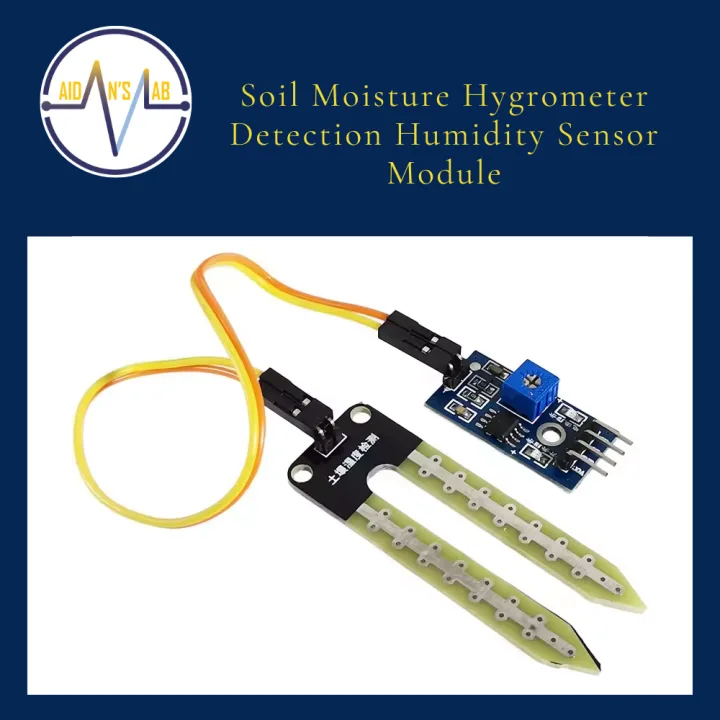
Image source: Bing (Web (fair-use with source credit))
Using the wrong salt. Table salt with iodine or anti-caking agents won't produce a clean 75% RH reference. You need pure sodium chloride. Many grocery store salts contain additives that shift the humidity point.
Not waiting long enough. A few hours isn't enough for the air to stabilize. Give the container at least 6 hours, ideally 12. The sensor needs time to reach equilibrium.
Condensation on the sensor. If the slurry is too wet, water droplets can form inside the container. That spikes the humidity above the reference point and throws off your reading. Keep the mixture thick and keep the hygrometer raised above it.
Ignoring temperature. The salt test target of 75% RH assumes a temperature near 20 to 25°C. If your room is much hotter or colder, the reference point shifts. Calibrate in a temperature-stable room, not near a window or heating vent.
Skipping the log. If you don't record your calibration date and result, you'll be guessing next time. A simple notebook entry or phone note is enough. Include the date, the measured value, the offset you applied, and the next due date.
Only doing one reading. A single point at 75% RH tells you the sensor's accuracy in the mid-range. It doesn't tell you how it behaves at 30% or 90%. For critical work, do a two-point calibration.
Use the salt test for 75% and a magnesium chloride solution for around 33% RH.
Frequently Asked Questions
Can I calibrate a hygrometer without a kit?
Yes. The saturated salt test works with items you mostly have at home. You need pure salt, distilled water, a sealed container, and 6 to 12 hours of waiting time.
It gives you a reliable 75% RH reference point.
How do I know if my hygrometer is drifting?
Run a quick salt test and compare the reading to 75% RH. If the unit reads outside 73 to 77%, it's drifting. A drop, battery change, or exposure to extreme humidity can also cause drift even if the reading looks fine.
Is professional calibration worth it?
Only for high-value or lab-grade equipment. Professional calibration costs $50 to $150 per unit and includes a certificate with uncertainty data. For most consumer hygrometers, a $15 Boveda kit or a free salt test is enough.
Does temperature affect calibration?
Yes. The saturated salt reference point changes with temperature. The 75% RH target assumes 20 to 25°C.
Calibrate in a stable room away from direct sunlight, heating vents, and air conditioners.
How often should I calibrate a hygrometer for a cigar humidor?
Every 2 to 3 months. Cigars are sensitive to small humidity changes. A drifted hygrometer can cause dry, brittle wrappers or mold growth.
If you open your humidor often, lean toward the shorter interval.