What Humidity Causes Mold Indoors
If you've ever wondered what humidity causes mold indoors, the short answer is: it's not one number. It's a chain of events where moisture, temperature, and time all meet. Understanding that chain is what keeps mold out of your home.
Relative humidity is the key metric here, and the research is clear on where the danger zone begins. The U.S. Environmental Protection Agency (EPA) recommends keeping indoor humidity between 30% and 60%, with the ideal target sitting closer to 50% for most homes.
But as we'll see, even that number doesn't tell the whole story. Surface temperature matters just as much as the air's moisture content.
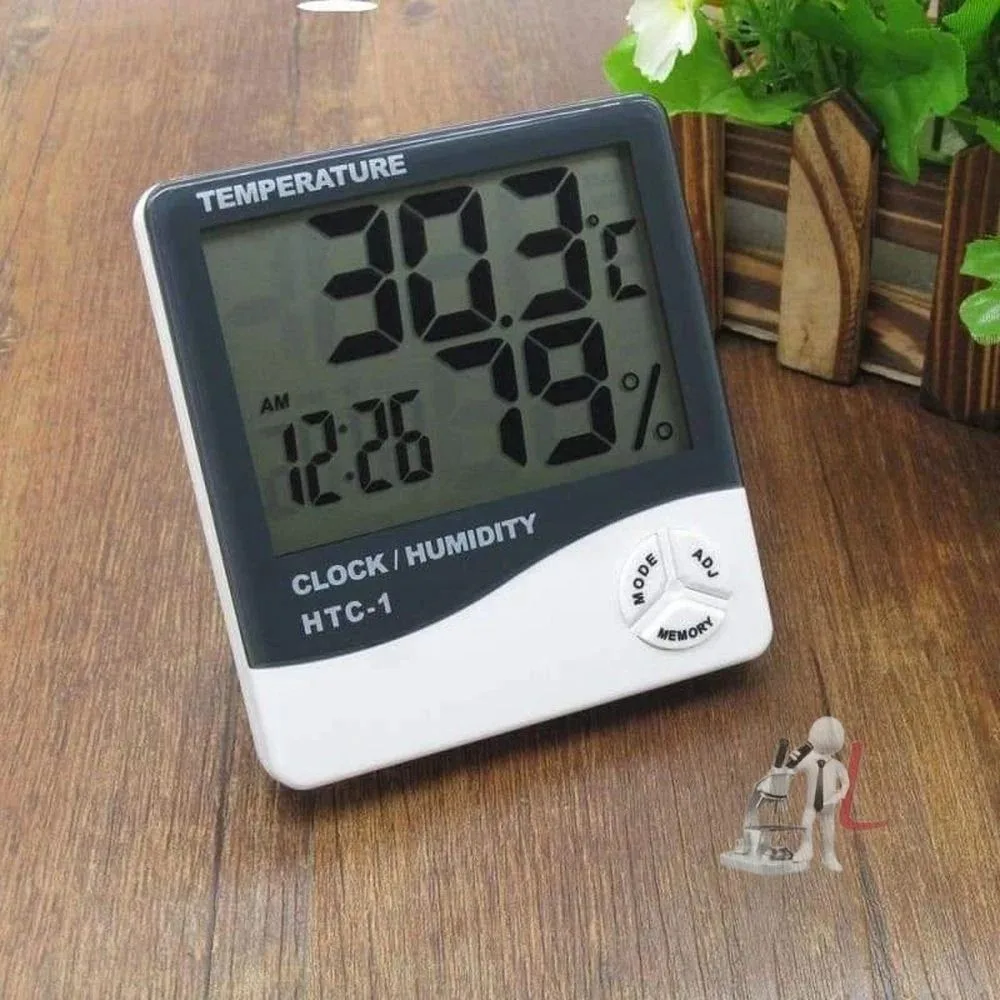
Image source: Bing (Web (fair-use with source credit))
Quick Answer: 60% Humidity Is the Line
Keep indoor relative humidity below 60%. That's the line where mold risk climbs fast. Above 60%, spores find enough moisture to germinate.
Aim for 30% to 50% instead. That range protects your health, your home, and your energy bills. It's also what the EPA and ASHRAE both recommend for occupied spaces.
But there's a catch. Mold can grow at lower humidity if it finds a cold surface. Condensation on windows or pipes creates wet spots even at 50%.
Watch for that first.
Why 60%? The Science of Mold and Moisture
Relative humidity measures how much water vapor the air holds compared to its maximum at a given temperature. Warm air holds more moisture than cold air. When warm, humid air touches a cold surface, it cools, and that excess moisture condenses into liquid water.
That's the real trigger. Mold doesn't grow from humidity in the air. It grows on wet surfaces.
The 60% threshold matters because at that point, common building materials like drywall, wood, and carpet start absorbing enough moisture from the air to support spore germination.
Per ASHRAE Standard 62.1, keeping indoor RH below 60% is a recognized control strategy for moisture-related problems. As of 2026, that threshold remains the consensus baseline across the EPA, ASHRAE, and building science research. Above 60%, several mold species, including Aspergillus and Penicillium, find conditions favorable.
The spores are everywhere, floating in the air, waiting for moisture. Give them a wet surface and 24 to 48 hours, and they'll colonize it.
This is why bathrooms and basements are prime real estate for mold. High humidity from showers and groundwater seeps into drywall and framing. The material itself holds the moisture even after the air dries out.
That's also why fixing a one-time leak is just as critical as controlling overall humidity.
Dew point matters here too. If a window is 55°F and the room air is 70°F with 50% RH, the dew point is roughly 50°F. That window stays dry.
But drop the room to 60% RH and the dew point rises to about 56°F, meaning that same window now collects condensation. Suddenly, you've got a wet surface at a humidity level many people consider safe.
Risk Factors That Lower the Safe Threshold
The 60% rule assumes your home is in decent shape. It assumes surfaces are reasonably warm and air moves freely. In reality, plenty of homes don't meet those conditions.
Here's what pushes the danger zone lower.
Cold surfaces. If you have poor insulation, a rim joist, or a single-pane window, those surfaces sit several degrees cooler than the room air. Condensation forms at 55% RH or even lower. It doesn't take a whole-house humidity problem to create a localized mold spot.
Unventilated spaces. Bathrooms, laundry rooms, and closets trap moisture. A shower at 70% RH that never gets exhausted will soak the drywall. Even if the rest of your house reads 45%, that closed-off room is its own microclimate.
Air leaks. Cracks around windows, doors, and electrical outlets let warm indoor air escape into wall cavities. When that air meets cold exterior sheathing, it condenses inside the wall. You won't see it until the mold is already established.
If you can feel a draft, you've got a moisture pathway.
Recent water intrusion. A leaky pipe or a flooded basement changes the equation completely. Wet materials stay wet for days. Even if you dry the surface, moisture wicks deep into framing and insulation.
In this case, you don't need high ambient humidity at all. One saturated area is enough to grow mold.
Stagnant air. Mold loves still air. Corners, closets, and rooms behind closed doors don't get air movement. Without circulation, humidity lingers at the surface level, especially at the floor, where air is coolest.
Here's an if-then guide to spot whether your home is at risk:
| Condition | Mold risk scenario |
|---|---|
| RH above 60% for 3+ days | High risk across the home |
| Condensation on windows at 50% RH | High risk at that window |
| Leak or flood, dried slowly | High risk in affected area |
| RH 45%-55% with good ventilation | Low risk for most homes |
| RH below 40% | Very low risk, but dry air discomfort |
How to Measure, Monitor, and Control Indoor Humidity
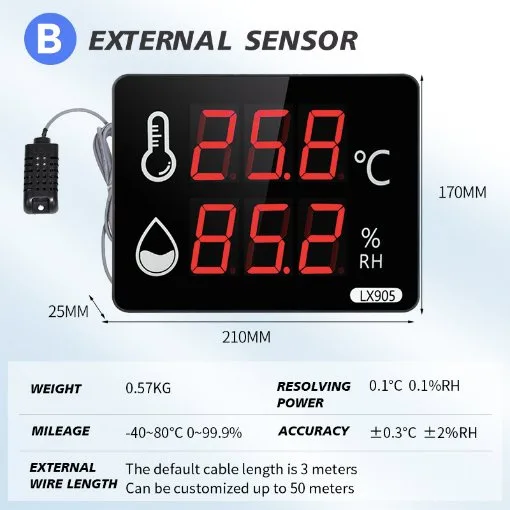
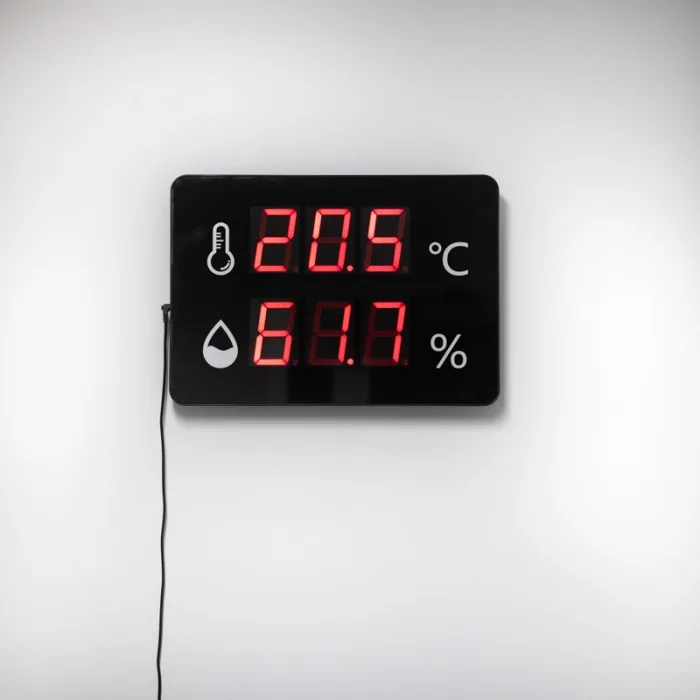
You can't manage what you don't measure. Start with a good hygrometer, and get one with a calibration rating of ±3% or better. The cheap analog units are often off by 10% or more, which means they look reassuring when your home is actually in the danger zone.
Take readings in multiple spots. Don't just check the living room. Measure the basement, the bathroom, the bedroom, and a cold corner near an exterior wall.
Each space has its own microclimate. Check the readings over several days, not just once. One sunny afternoon tells you little about what happens overnight when the temperature drops and moisture builds up.
If you see consistent readings above 55%, take action before you reach the danger zone. Here's the process:
- Fix the source. A running dishwasher, a leaky roof, a damp crawl space. None of the other steps help if moisture keeps entering.
- Ventilate. Run bathroom fans during and after showers. Use the range hood when cooking. Open windows when outdoor humidity is lower than indoor.
- Dehumidify. A portable dehumidifier can drop a basement from 70% to 50% within days. For whole-home coverage, consider a built-in unit tied to your HVAC.
- Circulate the air. Ceiling fans, box fans, or just keeping interior doors open helps even out humidity and prevents stagnant pockets.
- Insulate cold surfaces. Wrapping pipes, adding insulation to rim joists, and upgrading windows reduces the condensation that forms even at safe humidity levels.
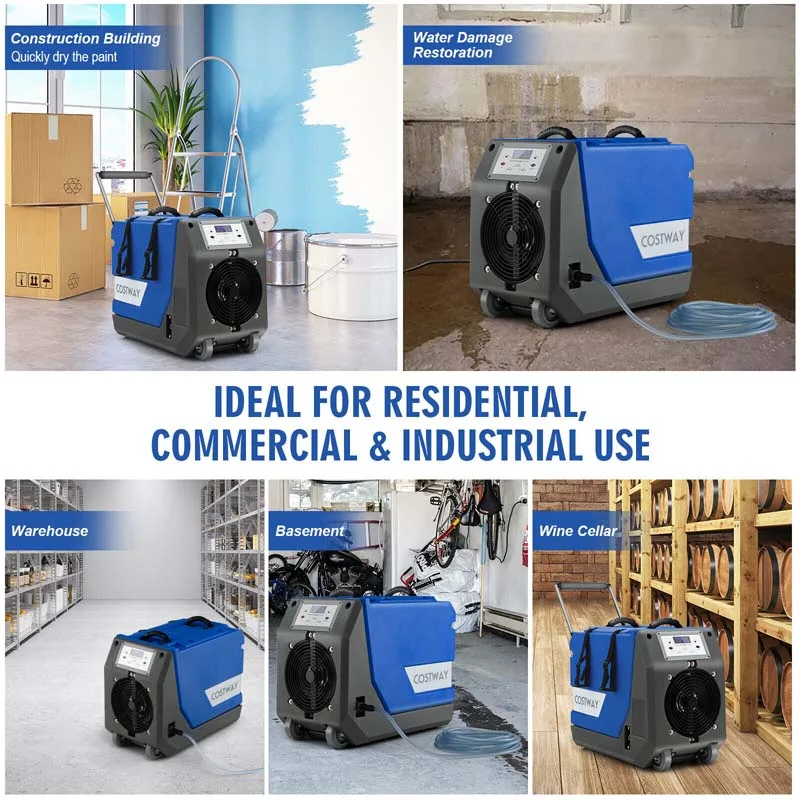
Image source: Bing (Web (fair-use with source credit))
For reference, a typical portable dehumidifier pulls anywhere from 20 to 50 pints of water per day, depending on the model and conditions. That's not water coming out of nowhere. That's the moisture your home's structure would otherwise absorb.
If you're pulling 30 pints daily, you have an infiltration problem worth fixing at the source.
Mistakes That Let Mold Grow Even Below 60% Humidity
Here's the uncomfortable truth: you can do everything right with humidity control and still end up with mold. The mistakes below are the reasons why.
Checking humidity only once. A spot reading at noon on a dry day tells you nothing about the 2 a.m. conditions when temperatures drop. Mold doesn't need constant humidity above 60%. It needs a surface to stay wet, and a single overnight condensation event is enough to start germination.
Ignoring the condensation itself. If you see fogged windows or water running down your pipes, that's a warning you're missing. Wipe it up, investigate why it's happening, and fix the temperature or ventilation problem. Clean the surface with a mold-killing product, because spores love that exact spot.
Using an undersized dehumidifier. A small unit in a large basement runs constantly, never catches up, and burns electricity without solving the problem. Match the capacity to the space. A damp 1,500-square-foot basement generally needs a 50-pint unit at minimum.
Forgetting the crawl space. Crawl spaces are the hidden mold factories of most homes. If yours is vented and unprotected, humid outside air enters all summer, condenses on cool pipes and floor joists, and slowly rots the structure. Sealing the crawl space and adding a vapor barrier plus dehumidifier is the permanent fix.
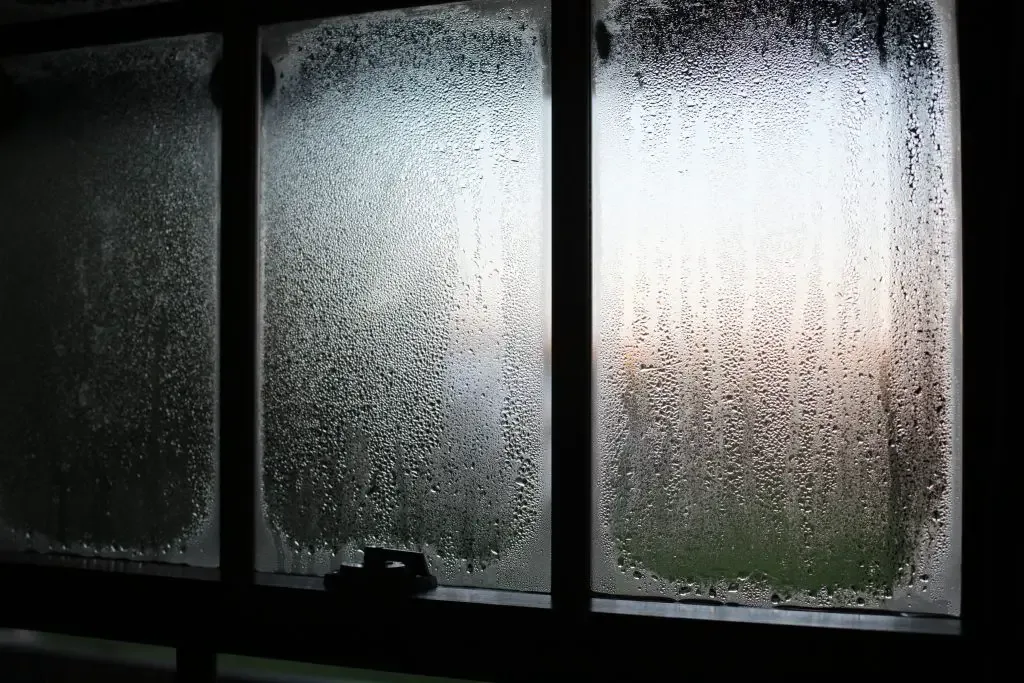
Image source: Bing (Web (fair-use with source credit))
Bleaching visible mold without fixing the cause. A bleach spray may lighten the stain, but it doesn't remove mold from porous materials like drywall or wood. And it certainly doesn't fix the moisture problem that created the mold in the first place. If you scrub away visible growth and the source remains, the mold returns within weeks.
Air-drying clothes indoors. A single load of laundry releases about half a gallon of water into the air. In a small, poorly ventilated apartment, that alone can push humidity past the safe threshold. Use a vented dryer, dry clothes outside, or at minimum open a window and close the door.
Measuring humidity where it doesn't matter. The center of a living room at eye level is the last place mold forms. The floor behind a couch, the corner near an exterior wall, and the base of a closet are far better indicators. Place your hygrometer low and in the most vulnerable spot you can find.
There's a theme here. Mold doesn't care about your average humidity reading. It cares about the wettest, coldest, most neglected corners of your home.
Find those, fix the moisture feeding them, and keep every surface you can dry. That's how you hold the line, even when the numbers look fine on paper.
When to Call a Professional: Health, Safety, and Legal Warnings
Most mold problems are manageable with a dehumidifier, better ventilation, and a weekend of cleaning. But there's a line. Cross it, and DIY stops being the smart move.
Call a professional when the affected area exceeds 10 square feet. That's the EPA's benchmark for when professional remediation is recommended. Also call if mold keeps returning after you've fixed the moisture source.
Or if you suspect it's inside walls or your HVAC system.
Health warnings come first. People with asthma, allergies, or weakened immune systems react badly to mold spores. Symptoms like persistent coughing, sinus congestion, headaches, or eye irritation that improve when you leave the house often point to indoor mold.
The legal side matters too. Landlords must maintain habitable living conditions in most states. Tenants dealing with mold can sometimes withhold rent or break a lease.
Homeowners selling a property with visible mold face disclosure obligations in many jurisdictions.
Skip the bleach on large porous areas. Professional remediators use HEPA vacuums, antimicrobial treatments, and proper containment barriers. They also re-test after cleanup to confirm spore counts are back to normal.
OSHA and NIOSH both treat mold remediation as a task requiring real protective equipment.
Frequently Asked Questions
What humidity level kills mold?
No normal indoor humidity level actually kills mold. High humidity feeds it, and most species just go dormant below 40%. Killing mold requires direct cleaning.
Keeping humidity under 30% for weeks is impractical in a real home.
Can mold grow at 55% humidity?
Yes, especially on cold surfaces. If condensation forms on a window, pipe, or uninsulated wall, mold can grow even when the room reads 55% RH. Surface moisture matters more than air humidity.
That's why ventilation and insulation are part of prevention.
How fast does mold grow after a leak?
Mold spores can germinate in 24 to 48 hours on wet materials. Drywall, carpet, and wood are the most vulnerable. Dry any soaked area within two days to stop colonization.
If materials stay wet past that window, replacement is often the safer option.
Is a dehumidifier enough to prevent mold?
A dehumidifier handles airborne moisture in open spaces. It won't dry saturated materials or fix active leaks. Pair it with ventilation, leak repair, and surface cleaning for real protection.
In a sealed crawl space, it's essential. Above ground, it's just one layer of defense.
What should I set my dehumidifier to?
Set it to 50% as a starting point. That gives a buffer below the 60% danger zone. In basements, try 45% instead.
Underground spaces run cooler, so condensation forms faster. Use the unit's hygrometer or a separate monitor to check results.