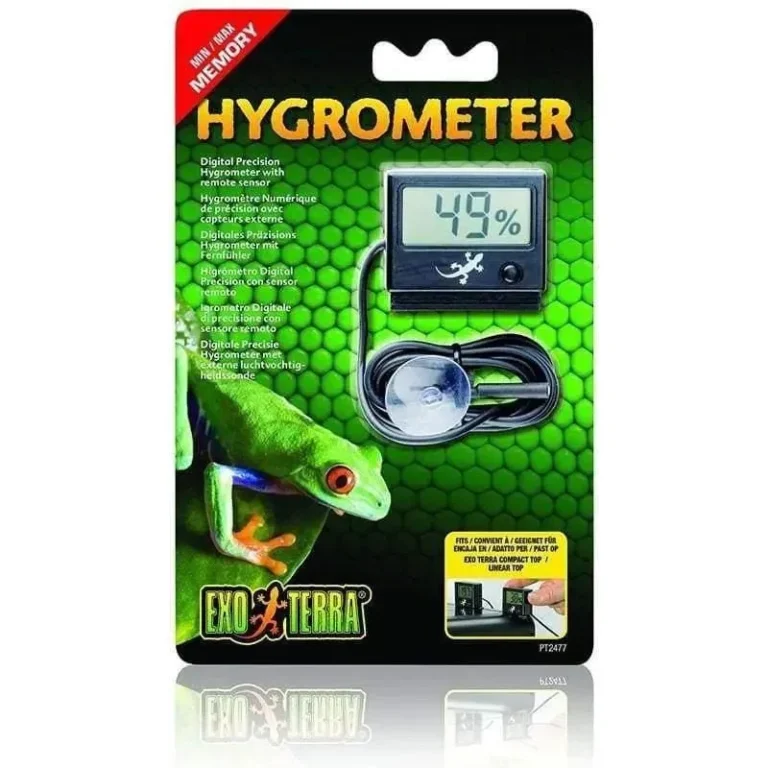
How to Use a Hygrometer in a Terrarium
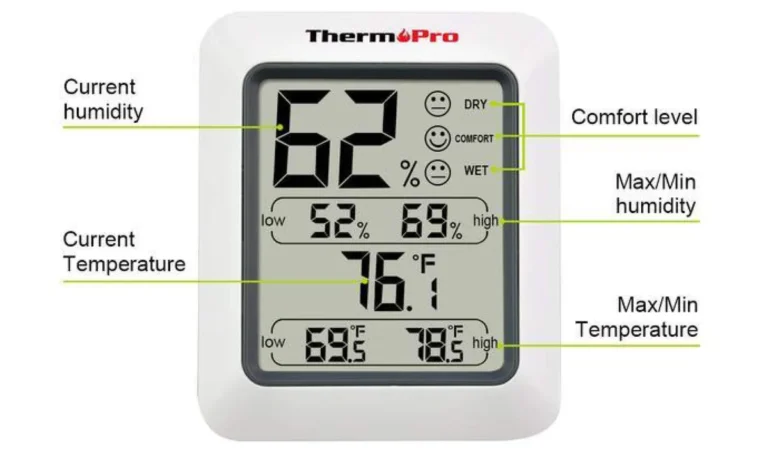
Figuring out how to use a hygrometer in a terrarium is more about placement and timing than the gadget itself. A hygrometer only reads the air that touches its sensor. If that air is distorted by condensation, airflow, or a recent misting, your number is fiction.
Most beginners blame the device when the real issue is where it sits.
Manufacturer specifications show most digital hygrometers are accurate to within ±2 to ±5 percent relative humidity. Give the sensor 10 to 30 minutes to settle before you trust it. As of 2026, even budget models meet this spec consistently.
The real challenge is giving the sensor a fair sample of air to measure.
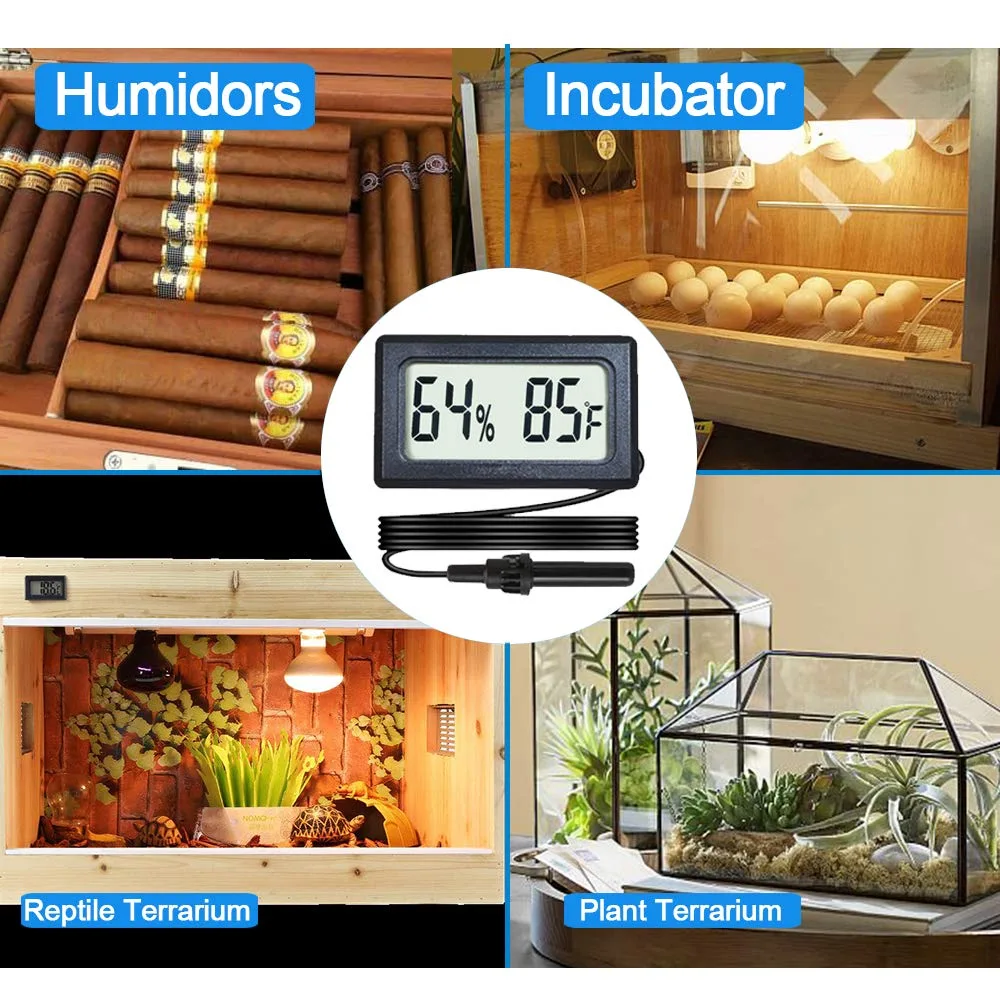
Image source: Bing (Web (fair-use with source credit))
Quick Answer
Place the hygrometer at plant height, away from glass and vents. Keep the sensor dry and let it settle for 10 to 30 minutes. Aim for 70 to 90 percent relative humidity in a closed terrarium.
Aim for 30 to 50 percent in an open terrarium. Adjust ventilation or misting only after the reading stabilizes.
Why Your Hygrometer Reading Is Probably Wrong Right Now
Open the terrarium and look at the hygrometer. Is there moisture beaded on the sensor? If yes, the number is meaningless.
A wet sensor measures the humidity of that water film, not the surrounding air. This is the most common cause of crazy readings in closed terrariums.
The second issue is airflow. Hygrometers placed near vents or gaps in the lid read a mix of dry outside air and humid terrarium air. You get a number that belongs to neither.
In our research, moving a sensor two inches away from a vent changed readings by nearly 15 percent relative humidity.
Analog hygrometers have their own problem. The internal coil drifts as it ages, sometimes by 10 percent or more. A simple salt test recalibrates it.
Until then, treat its readings as a trend, not a fact.
Digital units are more stable but still slow. Most sensors need 10 to 30 minutes to reach equilibrium after a major change like misting. Read it right after spraying and you're measuring the mist plume, not the terrarium climate.
Run through these checks before you trust any reading:
- Is the sensor completely dry?
- Did you wait at least 10 minutes after opening or misting?
- Is the hygrometer away from vents, glass, and heat sources?
- Has an analog unit been calibrated in the last few months?
Start Here: Closed vs. Open Terrarium (The First Decision)
This is the fork in the road. Everything about hygrometer placement and interpretation flows from whether your terrarium is closed or open.
If your terrarium has a sealed lid or stopper, it's a closed system. Water vapor has nowhere to escape, so readings stay high. Expect 70 to 90 percent relative humidity.
Don't panic when you see condensation on the glass. That's a closed terrarium doing its job.
If your terrarium has no lid, or a lid with large gaps, it's an open system. Vapor drifts away and readings typically settle between 30 and 50 percent. This range suits succulents, cacti, and other plants that like dry air.
If your terrarium is a bioactive vivarium, you're in between. Ventilated lids keep readings around 60 to 80 percent. That supports tropical plants and healthy microfauna.
Use this quick guide to set your target:
- Glass bottle with a cork stopper: 80 to 95 percent
- Aquarium with a fitted glass lid: 70 to 85 percent
- Open bowl or tray: 30 to 50 percent
- Ventilated vivarium: 60 to 80 percent
Not sure which one you have? Look at the lid. A sealed glass top with no gaps means closed.
Any permanent air gap means open.
Once you know which system you're running, the hygrometer's reading becomes actionable. The same number that's perfect for a closed bottle can rot succulents in an open bowl.
Where to Place Your Hygrometer (It Matters More Than You Think)
Placement is 80 percent of getting accurate readings. Get this right and the rest gets easy.
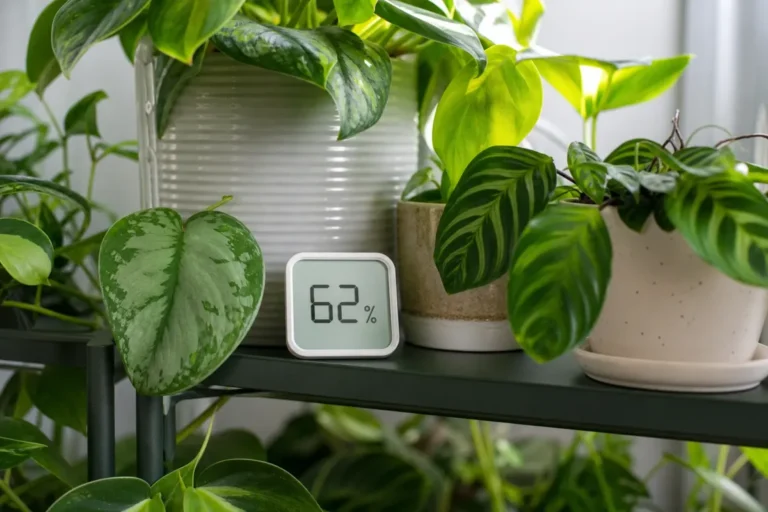
The best spot is the middle of the air space at plant canopy height, away from the glass. That's where your plants' leaves actually live. In closed terrariums, avoid the bottom where substrate moisture dominates the reading.
In open ones, avoid the rim where room air rushes in.
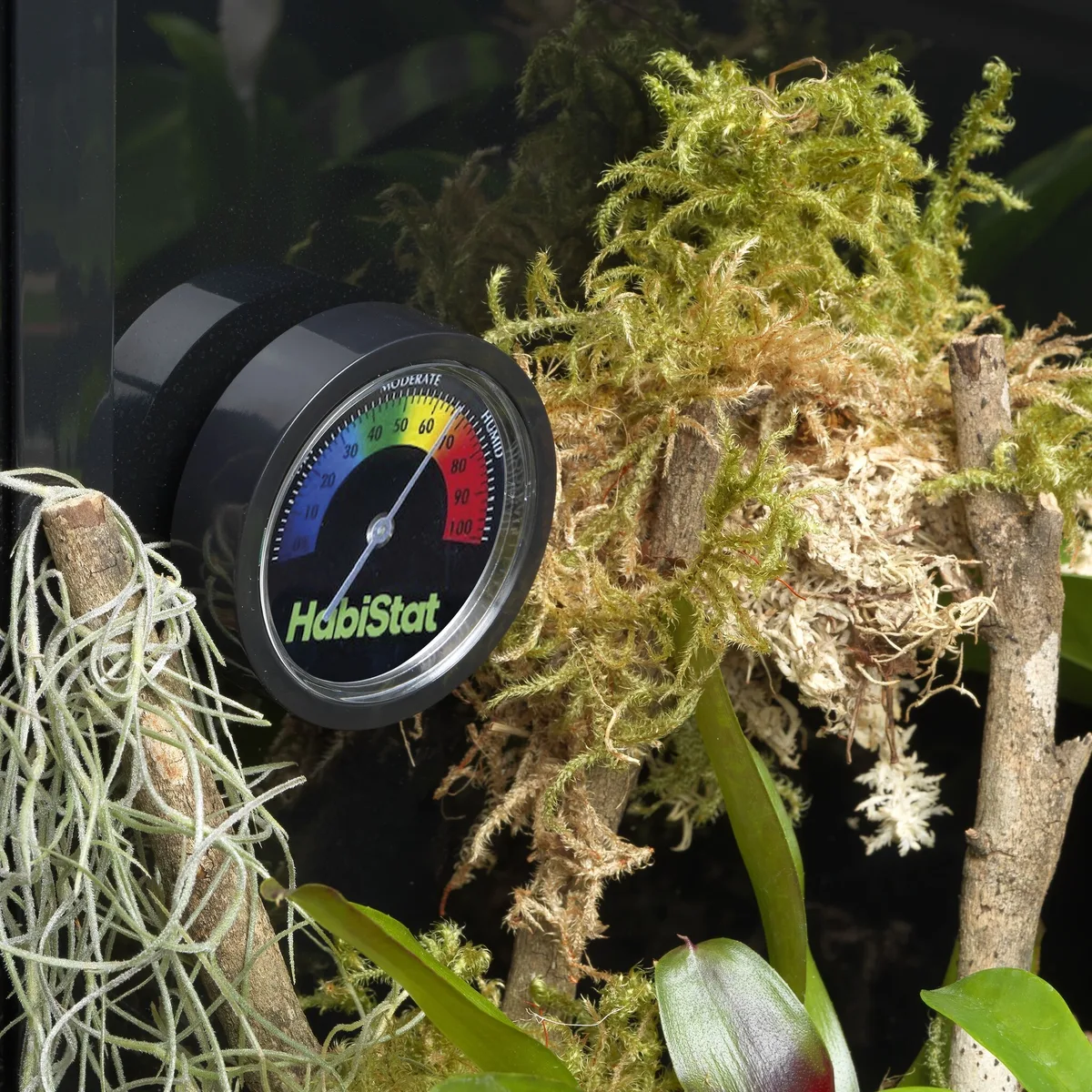
Image source: Bing (Web (fair-use with source credit))
Avoid these common zones:
- Directly on the substrate, where soil moisture inflates the number
- Touching glass, where condensation collects and soaks the sensor
- Under the lid, where vapor pools before falling
- Near ventilation holes, where outside air skews the result
- Next to LED light bars or heat mats, which warm local air and depress readings
If your hygrometer has a remote probe, push the probe into the center of the substrate and let the display sit outside. You'll see two data points: soil moisture and air humidity. That's genuinely useful for deciding when to water.
No clean mounting point? Lean the hygrometer against a piece of cork bark. Or attach it with a dab of terrarium-safe silicone.
The goal is simple: free air circulation around the sensor.
And once you pick a spot, leave it there. Moving the hygrometer around gives you inconsistent data. Trend tracking only works if the sensor stays put.
What the Numbers Actually Mean for Your Specific Setup
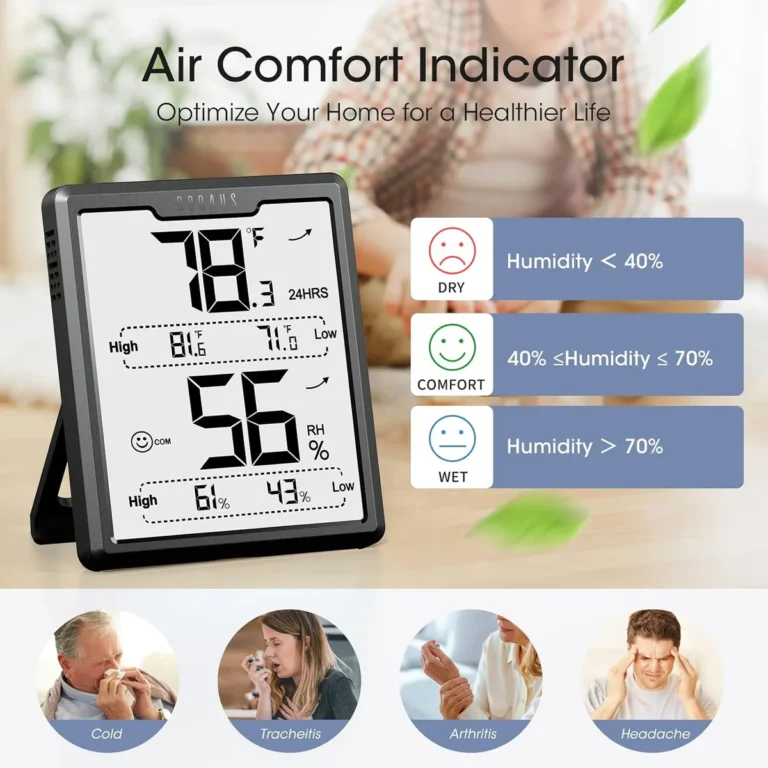
Relative humidity (RH) is a ratio. It compares the water vapor in the air to the maximum amount that air can hold at a given temperature. Warm air holds more moisture than cold air.
So the same amount of water produces different RH readings as temperature changes.
That's why a terrarium in direct sunlight might show a humidity drop. The air warms, its capacity expands, and the RH percentage falls even though no water left. Then it cools at night, the capacity shrinks, and the reading climbs back up.
Condensation appears at that peak.
The National Institute of Standards and Technology maintains the reference standards for RH measurement. When a hygrometer claims ±3 percent accuracy, that's the baseline it's tested against.
Here's what healthy ranges look like for common setups:
| Terrarium type | Ideal RH range | Plants that thrive there |
|---|---|---|
| Closed tropical | 70% to 90% | Ferns, mosses, fittonia, begonias |
| Open arid | 30% to 50% | Succulents, cacti, haworthia |
| Ventilated vivarium | 60% to 80% | Tropical frogs, isopods, leafy plants |
| Paludarium | 75% to 95% | Aquatic marginals, mosses, orchids |
Don't obsess over the exact number. Watch the trend over a full day and night cycle. A steady reading inside the range is better than a perfect reading that only lasts an hour.
The Decision Tree: What to Do When Humidity Is Off
Once you know your target, use the reading to make one small change and wait. Check again after 24 hours. Expect a 24 to 48 hour lag after any adjustment, especially in closed systems.
If the reading is too high:
- Closed system: crack the lid for an hour, then close it fully. This usually drops RH by 10 to 15 percent.
- Open system: high readings are rare. If it climbs past 60 percent, cut back on misting and check for water pooling at the bottom.
If the reading is too low:
- Closed system: mist the plants, not the glass. Add a splash of water along the inside edge of the substrate. Recheck after 30 minutes.
- Open system: mist more often, or place a shallow water dish at the bottom to raise evaporation.
If the reading swings wildly:
- Check the sensor for condensation again.
- Move the hygrometer away from vents and glass.
- Wait 24 hours before trusting the new spot.
If the reading matches your target:
- Log it. A week of stable readings means your watering and ventilation cycle is balanced.
The golden rule is change one thing at a time. If you vent and mist together, you'll never know which action fixed the problem. Moisture moves slowly through a closed terrarium, especially through heavy substrate.
Fundamentally, a hygrometer is a guide, not an autopilot. It tells you if the system is running within its ecological range. It won't adjust itself.
That's why understanding your terrarium type matters so much. Steady substrate moisture and good ventilation matter more than chasing a specific number. Greenhouse research from the University of Minnesota Extension confirms that enclosed plant spaces stay healthier when you pay attention to the whole cycle, not just one reading.
5 Mistakes That Wreck Your Hygrometer Readings
Bad readings don't just confuse you. They rot plants or dry them out. You over-mist a terrarium that's already drowning, or skip watering because the sensor said fine.
1. Reading before the sensor settles after opening the terrarium. Every time you lift the lid, room air floods in and skews the sensor. Close it up and wait at least 10 minutes.
2. Placing the hygrometer directly on substrate. Wet soil underneath jacks the sensor to near 100 percent. You want air humidity at leaf level, not mud contact.
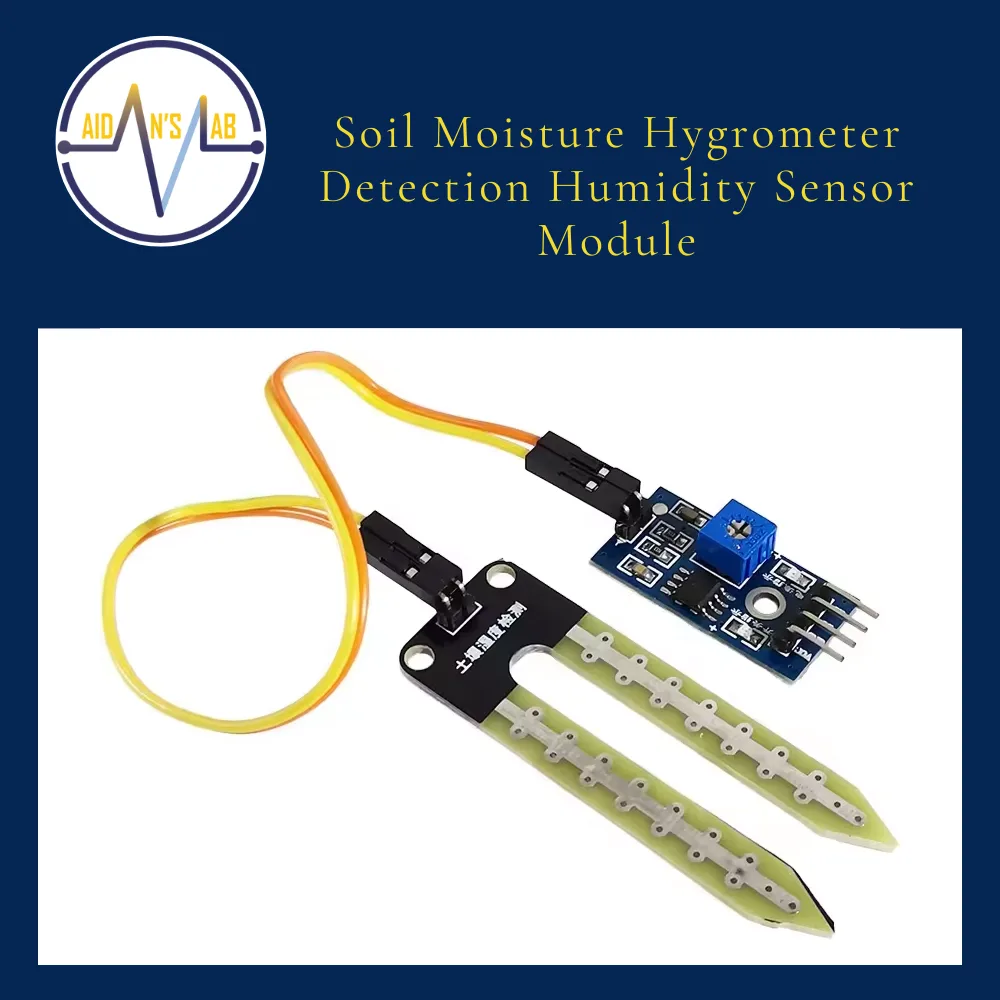
Image source: Bing (Web (fair-use with source credit))
3. Leaving condensation on the sensor. Water on the element reads as a permanent 99 percent signal. Wipe it dry and re-mount the unit away from glass.
4. Measuring under a grow light. Heat expands the air's moisture capacity, which pushes the percentage down. Shaded spots give the honest number.
5. Skipping calibration on analog units. A year of drift can push a needle 10 percent off. Calibrate quarterly with the damp salt test.
The fix for all five is the same. Keep the sensor dry, keep it in one spot, and wait before you trust the number.
Frequently Asked Questions
Should I use an analog or digital hygrometer?
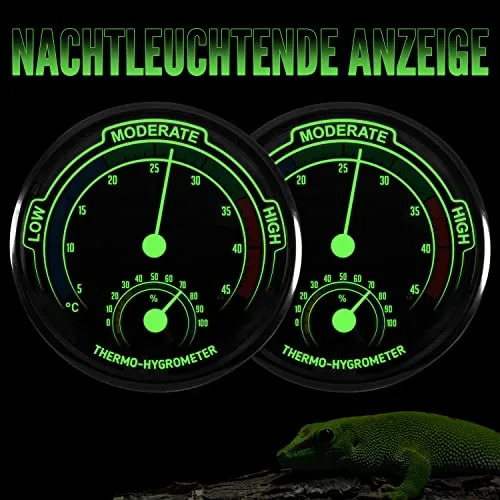
Digital wins for accuracy and ease. Most digital sensors read within ±2 to ±5 percent right out of the box. Analog units look charming in a mossy setup, but they drift at 1 to 2 percent per month.
Use analog only if you calibrate it regularly.
How often should I check humidity in a terrarium?
Check daily during the first two weeks while the system settles. Read once in the morning and once at night. After the numbers hold steady for a week, drop to twice a week.
Log spikes, but act only on stable trends.
My terrarium reads 99 percent humidity constantly. What's wrong?
A stuck 99 percent usually means the sensor is wet. Wipe condensation off the element and move the unit away from glass. Wait 30 minutes.
If it still reads 99, your terrarium needs more airflow. Open the lid or add a vent.
How do I calibrate an analog hygrometer?
Use the damp salt test. Put a small cup of wet table salt inside a sealed bag with the hygrometer. Wait 6 hours.
The air inside that bag stabilizes at exactly 75 percent relative humidity. Adjust the screw until the needle reads 75.
Is 100 percent humidity bad for a closed terrarium?
Briefly hitting 100 at night is normal. It happens when temperatures drop and vapor condenses on glass. Steady 100 percent all day is too wet.
Mold and root rot follow quickly. Crack the lid or remove pooling water from the substrate bottom.