Should a Reptile Enclosure Have a Hygrometer
If you're wondering whether a reptile enclosure should have a hygrometer, the answer is clear: yes, it absolutely should. This small device measures the humidity inside the tank. And humidity is one of the most overlooked factors in reptile health.
Getting it wrong can lead to serious problems.
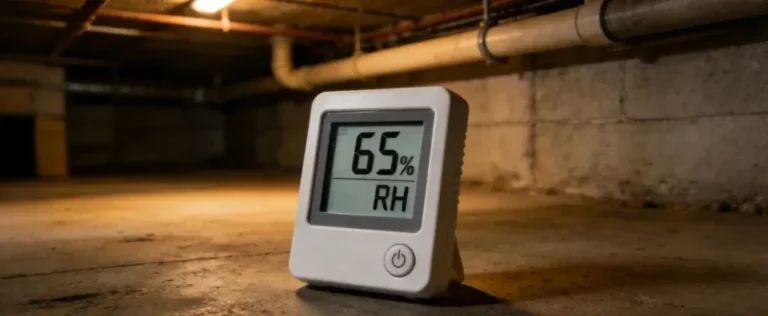
Manufacturer specifications for most reptile enclosures recommend a humidity range between 30% and 80% depending on the species. That is a wide range, and without a hygrometer, you have no way of knowing where you land. As of 2026, digital hygrometers with ±3% accuracy cost under $15 and are far more reliable than analog dials.
Let's walk through what you need to know.
Quick Answer
Yes. A reptile enclosure needs a hygrometer. Without one, you cannot measure humidity.
Wrong humidity causes stuck shed and respiratory infections. A digital hygrometer under $15 is the cheapest health insurance for your reptile.
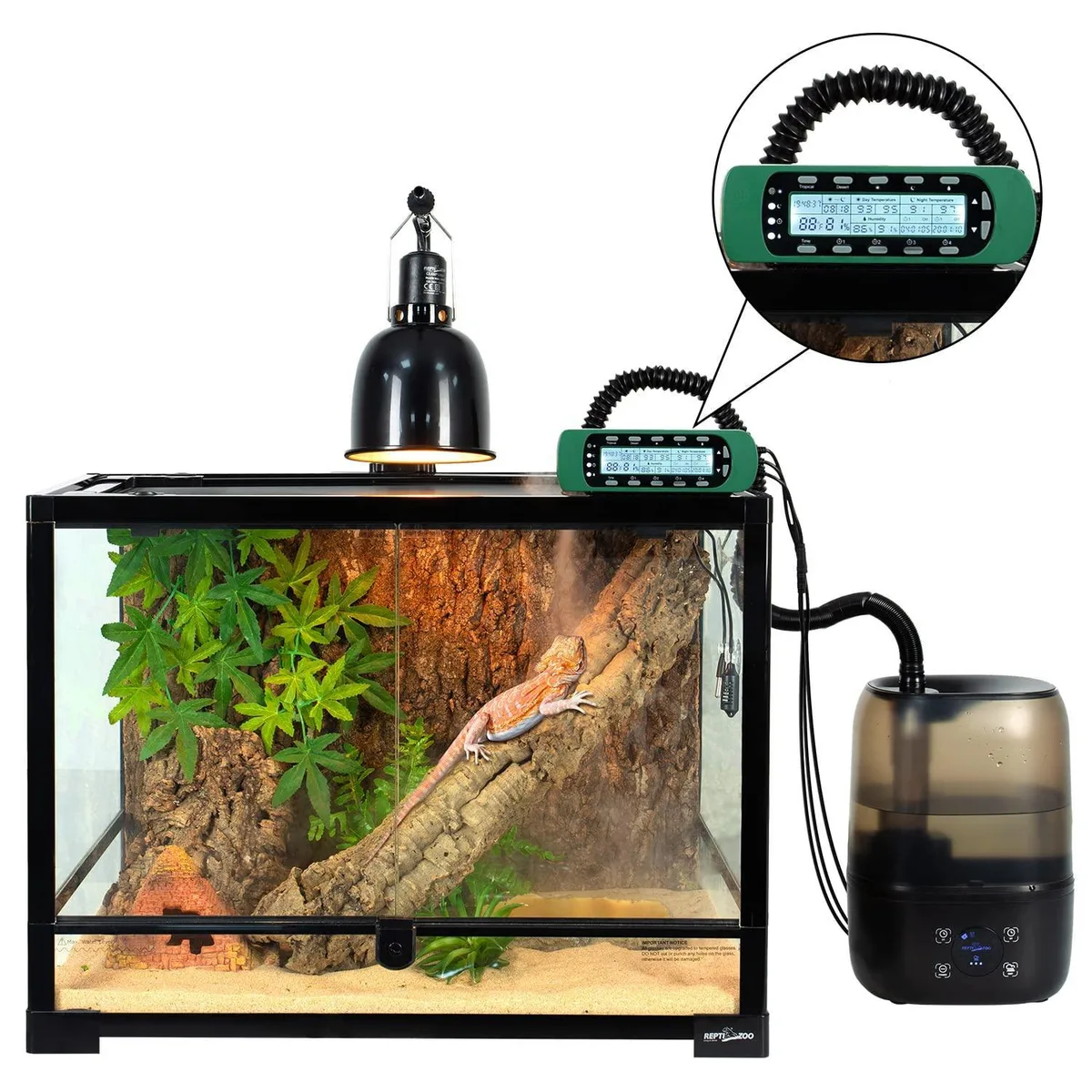
Image source: Bing (Web (fair-use with source credit))
The Short Answer: Yes, You Need a Hygrometer. Here's Why.
A hygrometer is the only way to know the humidity inside your reptile enclosure. You cannot guess humidity by feel. Your skin does not detect moisture the same way a reptile's body does.
And the air in a home can be drastically different from the air inside a glass terrarium.
Aggregate reviews from experienced keepers confirm that humidity-related health issues are among the most common problems in captive reptiles. Many of these issues are completely preventable with a simple monitoring device. A digital hygrometer gives you a real-time number.
That number tells you whether your setup is working.
Manufacturer specifications for glass terrariums and PVC enclosures indicate that humidity can vary by 20% or more between the warm side and the cool side. Without a hygrometer, you would never know this. You might think the whole tank is fine when only one corner is actually within the safe range.
The cost of a hygrometer is minimal. Digital models with a probe sensor run between $10 and $25. That is less than a single vet visit.
And it is far less than treating a respiratory infection or severe stuck shed.
In our research, the most common regret among new reptile owners is not buying a hygrometer sooner. They lose a reptile to preventable illness. Or they spend hundreds on vet bills.
A $15 device would have made the difference.
What Humidity Actually Does to Your Reptile's Health
Humidity is not just about making the air feel moist. It directly affects how a reptile's body functions. Reptiles are ectothermic, meaning they rely on their environment for temperature regulation.
But they also rely on humidity for hydration, shedding, and respiratory health.
The most visible effect of humidity is on shedding. Reptiles shed their skin in a single piece when humidity is correct. When humidity is too low, the old skin dries out and sticks to the body.
This is called dysecdysis, and it can cause serious problems. Retained skin around the toes can restrict blood flow. Retained eye caps can impair vision.
Humidity also affects respiratory health. Reptiles breathe through lungs that are sensitive to moisture levels. Air that is too dry can irritate the lining of the lungs and airways.
Air that is too wet can promote the growth of bacteria and fungi. Both conditions can lead to respiratory infections.
Hydration is another factor. Many reptiles absorb moisture through their skin and the lining of their mouth. They also drink water droplets from leaves and surfaces.
If the air is too dry, these droplets evaporate quickly. The reptile may not get enough water even if a bowl is present.
The digestive system is also affected. Proper humidity helps maintain gut motility and prevents impaction. Some species, like ball pythons, rely on humidity to trigger feeding responses.
A drop in humidity can cause them to stop eating entirely.
The Association of Reptilian and Amphibian Veterinarians emphasizes that humidity is a critical part of husbandry. They recommend monitoring humidity as closely as temperature. Many exotic animal vets see humidity-related illness as a top cause of preventable visits.
In short, humidity is not a comfort factor. It is a biological necessity. And the only way to know if you are providing the right level is to measure it with a hygrometer.
The Real Risks of Guessing: Stuck Shed, Respiratory Infections, and Worse
Guessing humidity is a gamble with your reptile's health. And the odds are not in your favor. Here are the most common problems that occur when humidity is not monitored.
Stuck shed is the most obvious sign. When humidity drops below the species-specific range, the old skin dries before it can separate. The reptile ends up with patches of dead skin clinging to its body.
This can constrict blood flow to toes and tail tips. In severe cases, it can lead to loss of digits or tail rot.
Respiratory infections are another major risk. Low humidity dries out the mucus membranes in the lungs. This makes the reptile more vulnerable to pathogens.
High humidity creates a breeding ground for bacteria and fungi. Both scenarios can cause pneumonia, which is often fatal without treatment.
Dehydration is a silent danger. Many reptiles do not drink from standing water. They rely on humidity to keep their skin moist and to provide drinking water from condensation.
Without adequate humidity, they can become dehydrated even with a full water bowl. Signs include sunken eyes, wrinkled skin, and lethargy.
Egg binding is a risk for breeding females. Female reptiles need proper humidity to produce healthy eggs. If the enclosure is too dry, the eggs may become stuck or deformed.
This can lead to infection and death.
Fungal infections thrive in consistently wet conditions. If humidity stays too high without proper ventilation, the substrate can grow mold. The reptile can inhale fungal spores or develop skin infections.
These infections are difficult to treat and often require specialized veterinary care.
The bottom line is that guessing puts your reptile at risk for all of these conditions. A hygrometer eliminates the guesswork. It gives you the data you need to make informed decisions about misting, ventilation, and substrate choice.
How to Choose, Place, and Read a Hygrometer the Right Way
Choosing the right hygrometer matters. Digital hygrometers are far more accurate than analog dials. Per manufacturer testing, most analog hygrometers have an accuracy of ±10% to ±15%.
Digital models are typically ±3% to ±5%. That difference can mean the difference between a healthy shed and a stuck shed.
Look for a digital hygrometer with a probe sensor. The probe allows you to place the sensor inside the enclosure while keeping the display unit outside. This protects the electronics from the humid environment.
It also gives you a more accurate reading because the sensor is actually in the reptile's living space.
Placement is critical. Put the hygrometer sensor on the cool side of the enclosure, about 2 to 3 inches above the substrate. Do not place it directly under the heat lamp or near a water bowl.
Both locations will give you false readings. The sensor should be in a spot where the reptile spends most of its time.
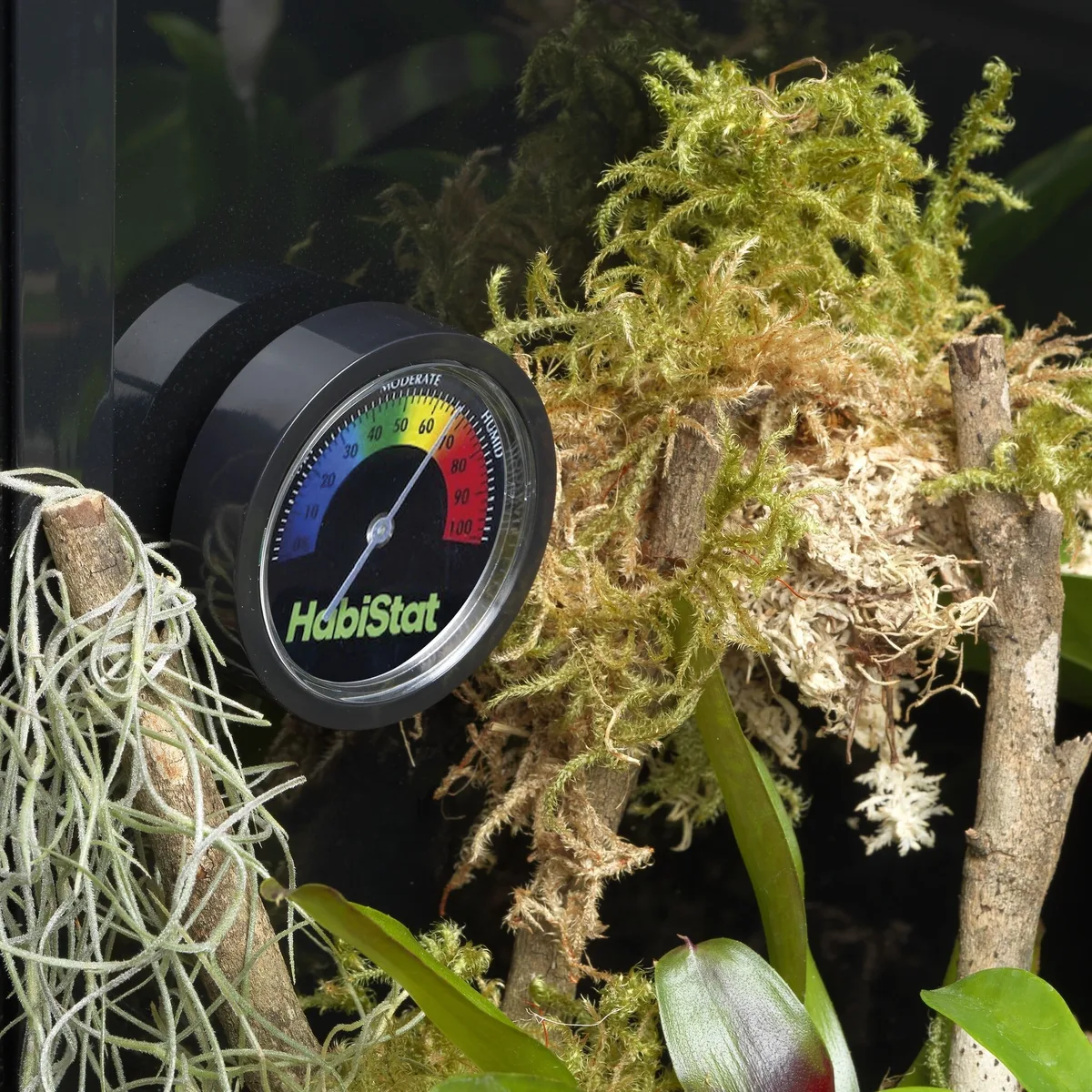
Image source: Bing (Web (fair-use with source credit))
Read the humidity at the same time each day for consistency. Humidity fluctuates throughout the day. After misting, it will spike for an hour or two.
The important number is the baseline humidity once the enclosure has settled. This is the level your reptile experiences most of the time.
Calibrate your hygrometer every few months. The salt test is the standard method. Mix table salt with a few drops of water to create a slurry.
Place the sensor in a sealed container with the slurry. After 6 to 8 hours, it should read 75% humidity. If it is off, adjust your readings accordingly or replace the unit.
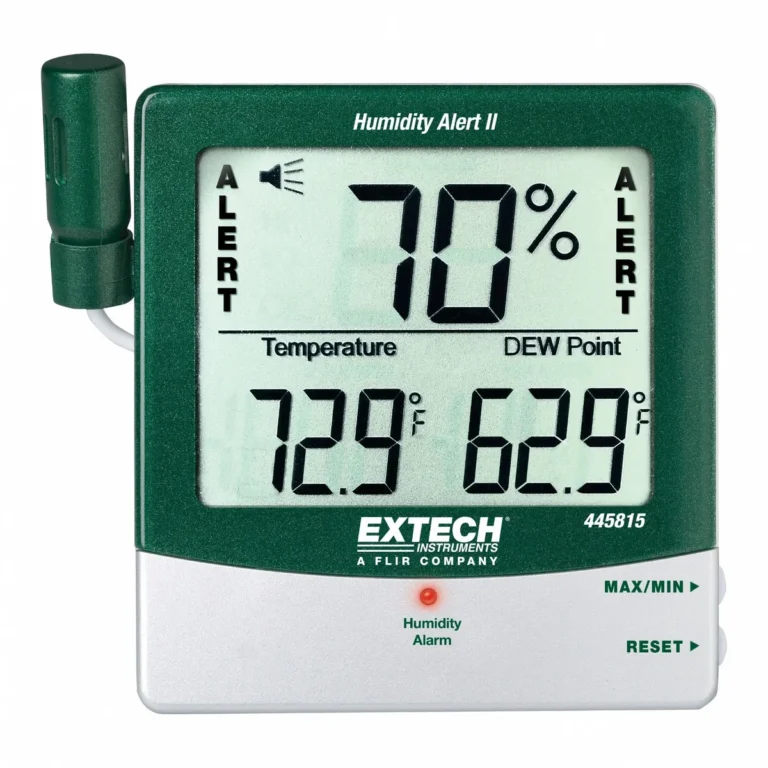
Consider getting a thermo-hygrometer that combines temperature and humidity monitoring. Many digital models display both readings on one screen. This saves space and gives you a complete picture of your enclosure conditions.
5 Common Hygrometer Mistakes That Skew Your Readings
Even with a good hygrometer, you can get bad data if you make these common mistakes. Here is what to avoid.
1. Placing the sensor in the wrong spot.
Putting the sensor near the water bowl or directly under the mist nozzle gives you a reading that is too high. Putting it under the heat lamp gives you a reading that is too low. The sensor should be on the cool side, away from direct water sources.
This is the most common mistake and the easiest to fix.
2. Trusting an analog hygrometer.
Analog dial hygrometers are notoriously inaccurate. They often read 10% to 15% higher or lower than the actual humidity. They also drift over time as the internal mechanism wears out.
Digital hygrometers are more reliable and cost about the same. Upgrade if you are still using an analog dial.
3. Only checking humidity once a day.
Humidity fluctuates throughout the day. A single reading in the morning might show 60%, but the enclosure could be at 40% in the afternoon. Monitor the trend over several hours to understand the true conditions.
Smart hygrometers with min/max memory are helpful for this.
4. Ignoring the humidity gradient.
The warm side of the enclosure is always drier than the cool side. This difference can be 20% or more. If you only measure one spot, you are missing half the picture.
Check both ends of the enclosure to ensure your reptile has a range of humidity levels to choose from.
5. Never calibrating the hygrometer.
All hygrometers drift over time. Dust, moisture, and age affect the sensor. Calibrating every 2 to 3 months keeps your readings accurate.
The salt test takes 10 minutes of setup time and costs nothing. Skipping this step means you are trusting a device that may be off by 5% or more.
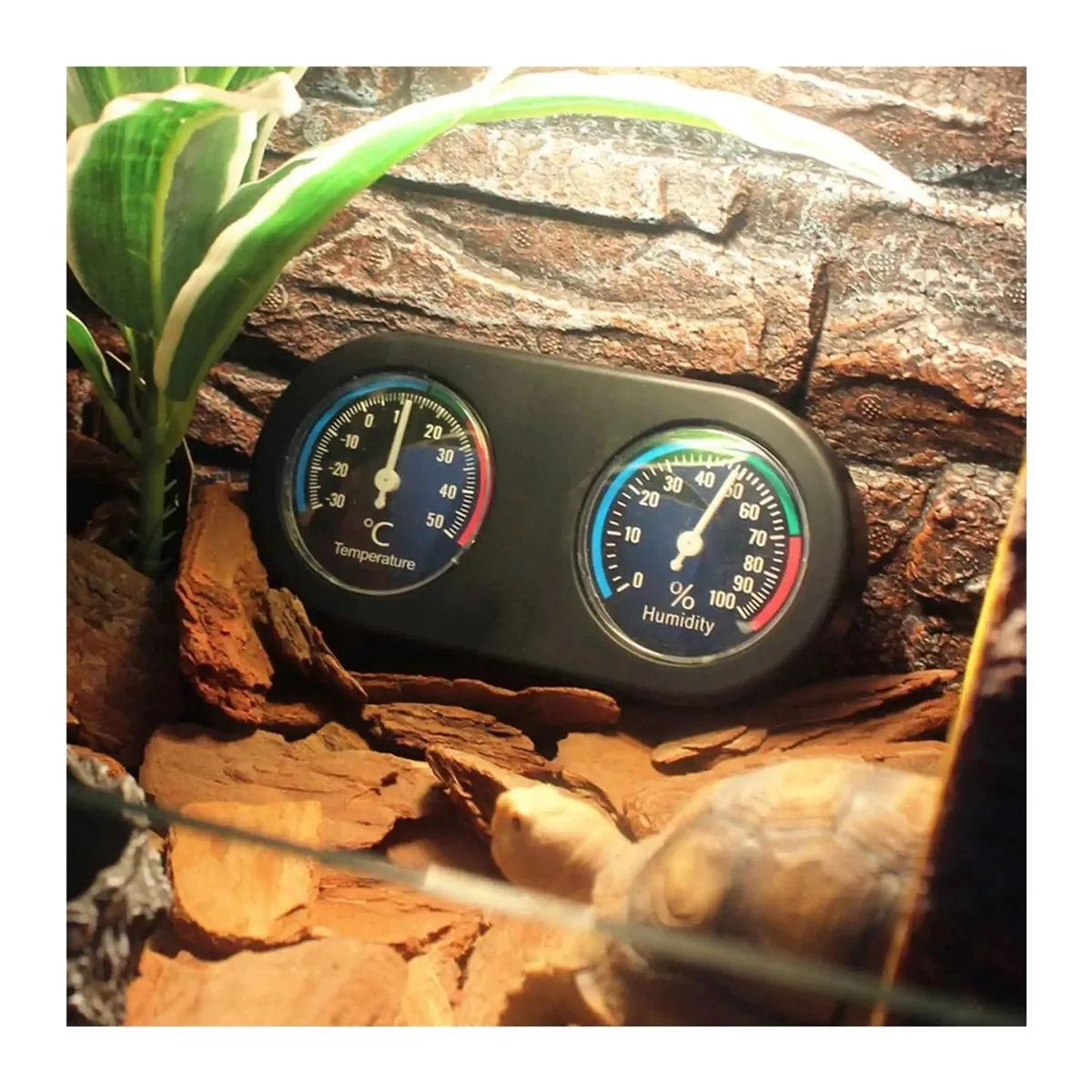
Image source: Bing (Web (fair-use with source credit))
Avoid these mistakes, and your hygrometer will give you reliable data. That data is the foundation of good humidity management.
Frequently Asked Questions
What is a good humidity level for a reptile enclosure?
It depends entirely on the species. Desert reptiles like bearded dragons need 30% to 40%. Tropical species like crested geckos need 60% to 80%.
Always check your specific species' care guide. The hygrometer tells you whether your setup matches those numbers.
Where should I place a hygrometer in my reptile tank?
Place the sensor on the cool side, about 2 to 3 inches above the substrate. Avoid spots near water bowls, mist nozzles, or directly under heat lamps. Those locations give false readings.
A probe-style digital hygrometer lets you position the sensor while the display stays outside.
Are analog hygrometers accurate enough?
Usually not. Analogs typically drift 10% to 15% from true humidity. Digital hygrometers are accurate to within 3% to 5% and cost about the same.
If you want reliable data, go digital. Calibrate it every few months using the salt test to keep it honest.
Should I get a hygrometer for a desert reptile?
Yes, even desert species need a hygrometer. The air in most homes is either drier or more humid than a desert reptile needs. A hygrometer helps you prevent dehydration on the low end and respiratory issues on the high end.
Desert reptiles still need a humidity range, not zero humidity.
How often should I calibrate my hygrometer?
Calibrate every 2 to 3 months. Sensors drift over time due to dust and moisture exposure. The salt test takes about 10 minutes.
Place a slurry of wet salt in a sealed container with the sensor. After 6 to 8 hours, it should read 75%. If it does not, adjust your readings or replace the unit.
What happens if I skip the hygrometer entirely?
You risk serious health problems. Stuck shed, retained eye caps, dehydration, and respiratory infections are the most common results. Every one of these is preventable with a $15 device.
A hygrometer is not an accessory. It is a basic piece of reptile husbandry that every enclosure should have.