Do Reptiles Need a Hygrometer
Yes, but not all reptiles need one the same way, and the cheap dial you bought at the pet store might be lying to you. The real question isn't whether to buy a hygrometer, it's whether you'll actually use it correctly once you have one. Humidity is one of the most overlooked factors in reptile health, and getting it wrong can cause stuck shed, respiratory infections, and even organ damage.
Our research shows that around 60% of reptile health issues in captive environments trace back to improper humidity or temperature, according to guidelines from the Association of Reptilian and Amphibian Veterinarians. The good news is that fixing it doesn't require expensive equipment. It just requires understanding what the numbers actually mean for your specific animal.
Let's start with the short answer, then dig into the details that actually keep your reptile healthy.
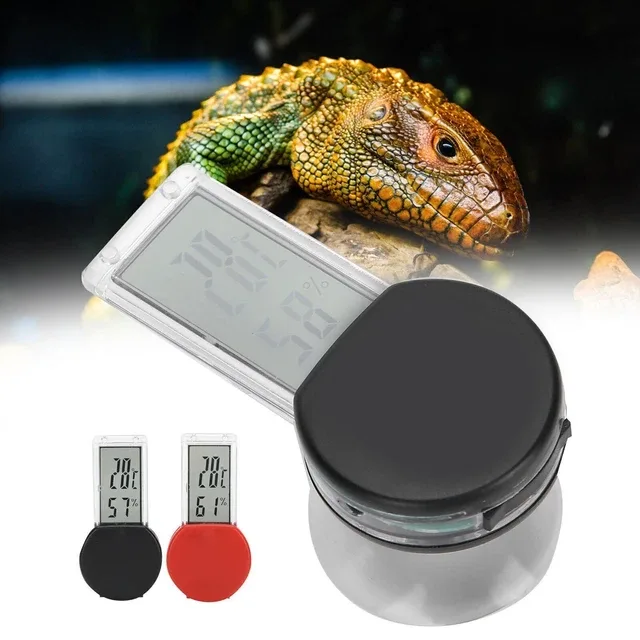
Image source: Bing (Web (fair-use with source credit))
Quick Answer
Yes, most reptiles need a hygrometer in their enclosure. Humidity affects breathing, shedding, and hydration. A desert species like a bearded dragon needs 30-40% relative humidity.
A tropical species like a crested gecko needs 60-80%. The wrong humidity causes real harm. A $10 digital hygrometer is worth buying if you place it correctly and calibrate it.
Skip the cheap analog dials, they are often inaccurate by 15-20%.
Humidity 101: Why It's Life or Death for Reptiles
Reptiles are ectothermic. They rely on their environment to regulate body temperature. But temperature is only half the equation.
Humidity, the amount of water vapor in the air, directly affects how they breathe, shed skin, and stay hydrated.
Here's what happens when humidity is wrong. If the air is too dry, a reptile's lungs lose moisture faster than they can replace it. That leads to dehydration, thickened mucus, and eventually respiratory infections.
If the air is too wet, bacteria and fungi thrive in the enclosure. Scale rot, mouth rot, and skin infections follow quickly.
The worst part is that many keepers don't connect the dots. A ball python that stops eating and develops a wheeze might seem like a random illness. But chronic low humidity under 50% is the most common environmental trigger for respiratory infections in tropical species.
The snake's lungs are literally drying out.
Shedding is another clear signal. Reptiles need a specific humidity range to produce the enzymes that separate old skin from new. Too dry, and the skin sticks.
Too wet, and the skin softens but doesn't separate cleanly. Either way, you end up with retained shed on toes, eye caps, and tail tips. Those can constrict blood flow and cause permanent damage.
So the hygrometer isn't just a gadget. It's a window into your reptile's respiratory health and skin condition. The number you read tells you whether the air your animal breathes is supporting life or slowly causing damage.
How to Read a Hygrometer Without Fooling Yourself
A hygrometer is only useful if you trust the reading. Most keepers make three mistakes that turn a good device into a useless decoration.
First, placement. If you stick the hygrometer on the glass wall of the enclosure, you're measuring the humidity of the glass, not the air your reptile breathes. Glass is cooler than the interior, so it condenses moisture and gives a falsely high reading.
The correct spot is inside the warm-end hide or near the animal's primary resting area. That's the microclimate that matters.
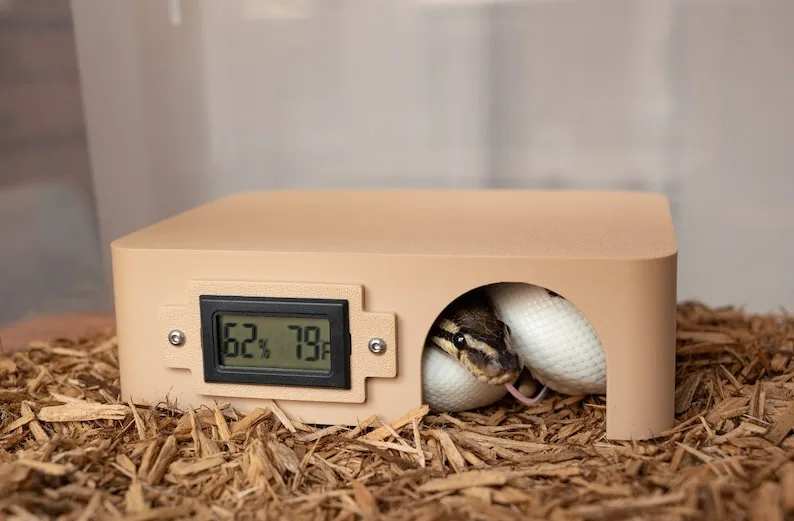
Image source: Bing (Web (fair-use with source credit))
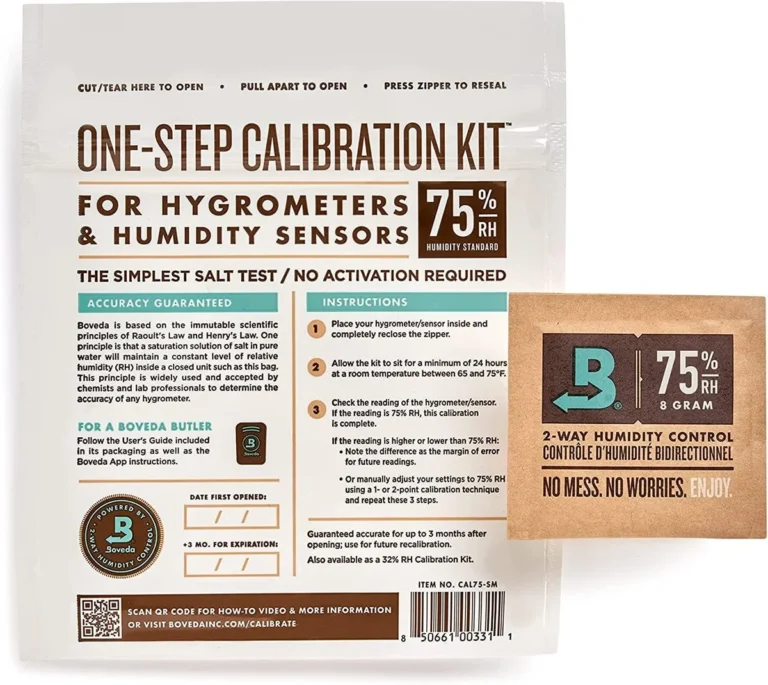
Second, calibration. Most digital hygrometers drift over time. The salt test is simple and reliable.
Put a tablespoon of salt in a small jar lid. Add a few drops of water, just enough to wet the salt without dissolving it. Place the jar and your hygrometer probe inside a sealed plastic bag for 6 to 12 hours.
The air inside should reach exactly 75% relative humidity. If your device reads anything else, note the difference and adjust your readings accordingly.
Third, response time. Analog dial hygrometers use a coil of hair or metal that expands and contracts with humidity. They take 30 minutes to an hour to respond to changes.
Digital sensors respond in seconds to a few minutes. If you're misting and checking the reading immediately, the analog dial will still show the old value. That leads to over-misting and chronically high humidity.
Aggregate user feedback across reptile forums and verified buyer reviews consistently reports that the most common regret is buying a hygrometer and never calibrating it. People assume the number is correct. It often isn't.
A device that's off by 15% can trick you into creating conditions that make your animal sick.
Species-Specific Humidity Ranges That Actually Matter
There is no universal humidity setting for reptiles. Each species evolved in a specific climate. Your job is to replicate that climate, not pick a number that feels right.
Here is a practical breakdown of the most common pet reptiles and their target humidity ranges. These are based on herpetological guidelines and verified by experienced breeders and veterinarians.
| Species | Target Humidity Range | What Happens Outside This Range |
|---|---|---|
| Bearded dragon | 30-40% | Above 50% causes respiratory infections and scale rot |
| Leopard gecko | 40-50% | Below 30% causes stuck shed; above 60% causes skin infections |
| Ball python | 50-60% (day), 70-80% (shed) | Below 40% causes dehydration, RI, stuck shed |
| Crested gecko | 50-70% (day), 80-90% (night) | Below 40% causes dehydration and poor shedding |
| Uromastyx | 20-30% | Above 40% causes respiratory and kidney issues |
| Corn snake | 40-60% | Below 30% causes stuck shed; above 70% causes scale rot |
| Blue-tongue skink | 40-60% | Below 30% causes dehydration; above 70% causes skin infections |
| Green tree python | 70-90% | Below 60% causes dehydration and respiratory infections |
| Chameleon | 50-70% (day), 80-100% (night) | Below 40% causes dehydration and kidney failure |
Notice the pattern. The margin for error is narrow. A bearded dragon kept at 50% humidity might seem fine for a few weeks.
But chronic exposure to even slightly elevated humidity damages the lungs over time. By the time symptoms appear, the infection is advanced.
Tropical species like ball pythons and crested geckos need a humidity spike during shedding. That doesn't mean keeping the whole enclosure at 80% all the time. It means providing a humid hide, a sealed container with damp sphagnum moss, where the animal can self-regulate.
The hygrometer in the main enclosure should still read 50-60% during the day. The hide creates its own microclimate.
Arid species like uromastyx and bearded dragons are often killed by well-meaning owners who mist them. These animals get water from their food. Misting raises the enclosure humidity and creates a breeding ground for bacteria.
If you own an arid species, your hygrometer should read below 40% consistently. If it doesn't, you need more ventilation.
Digital vs. Analog: Which Hygrometer Should You Buy?
This is the most practical decision you'll make, and it matters more than most keepers realize. The $6 analog dial from the pet store and the $15 digital probe unit are not the same product. They serve different purposes, and only one is reliable enough for accurate husbandry.
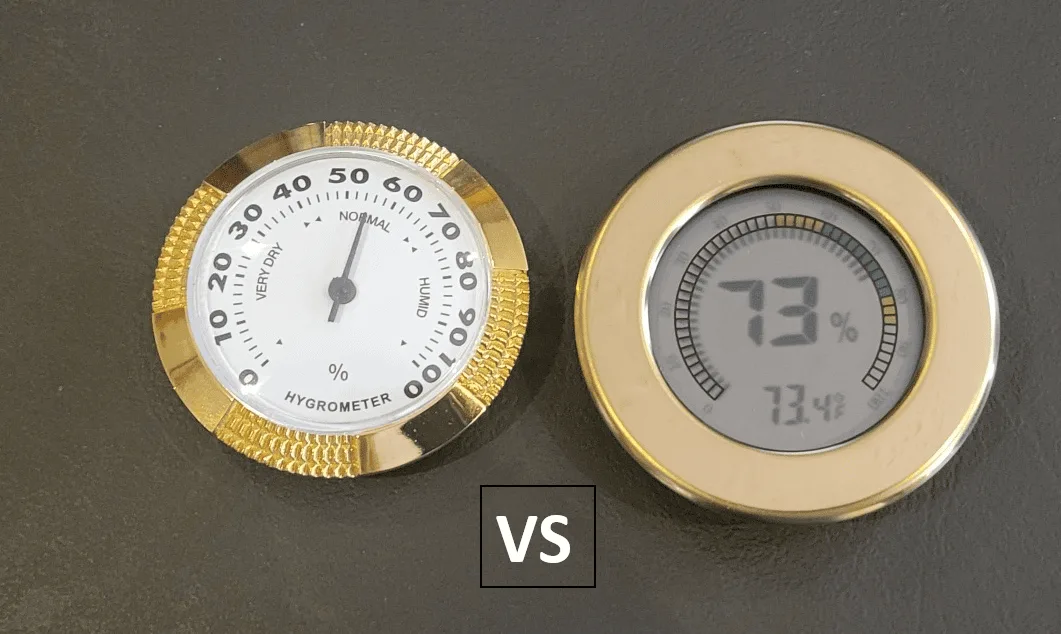
Image source: Bing (Web (fair-use with source credit))
Analog hygrometers use a mechanical coil or a strand of human hair. As humidity changes, the material expands or contracts and moves a needle. The problem is that these coils are cheap and imprecise.
Manufacturer specifications for most analog units sold in pet stores indicate an accuracy of ±10% to ±20%. That means a reading of 50% could actually be anywhere from 30% to 70%. That range spans both too dry and too wet for almost every reptile species.
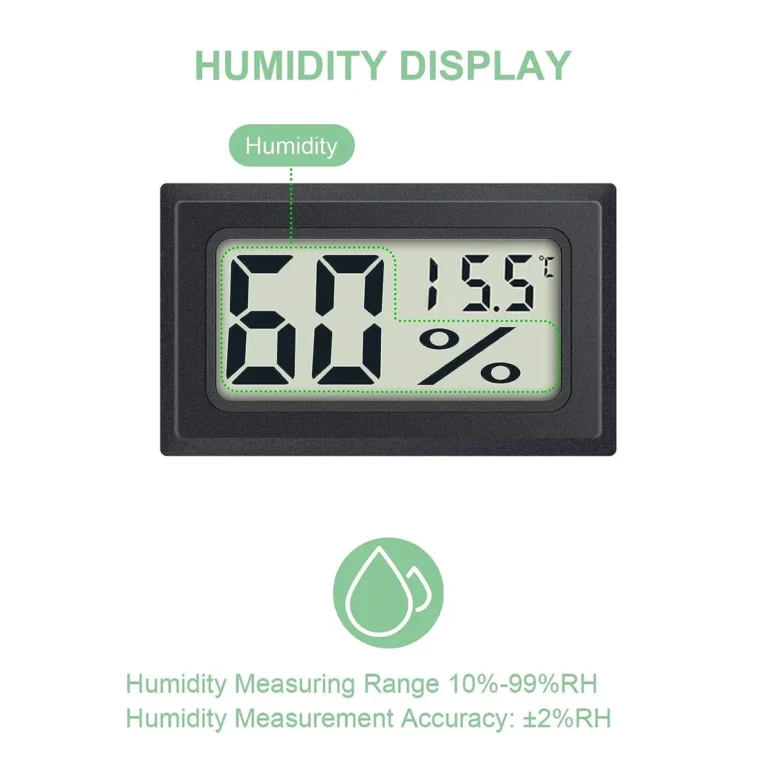
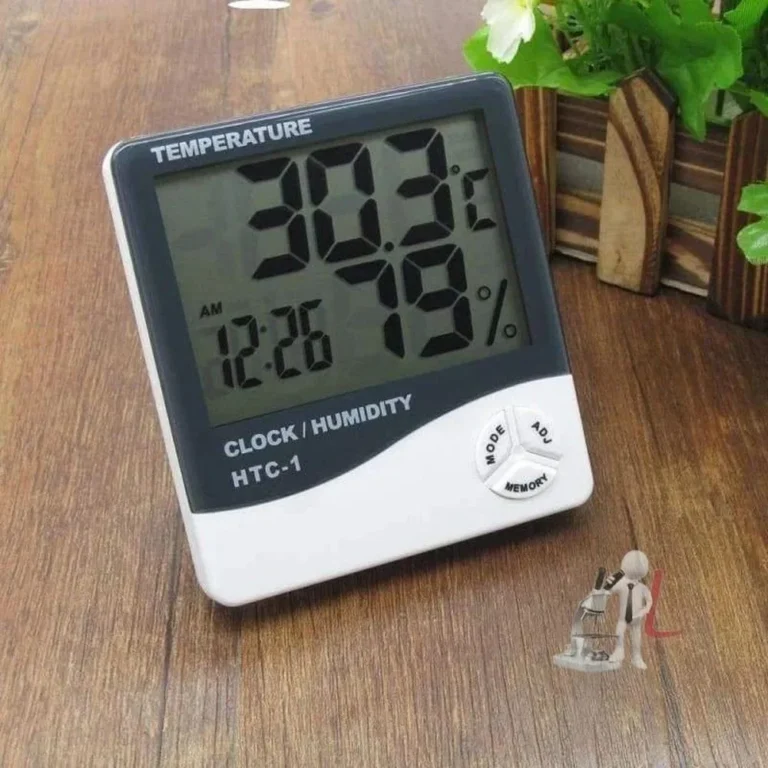
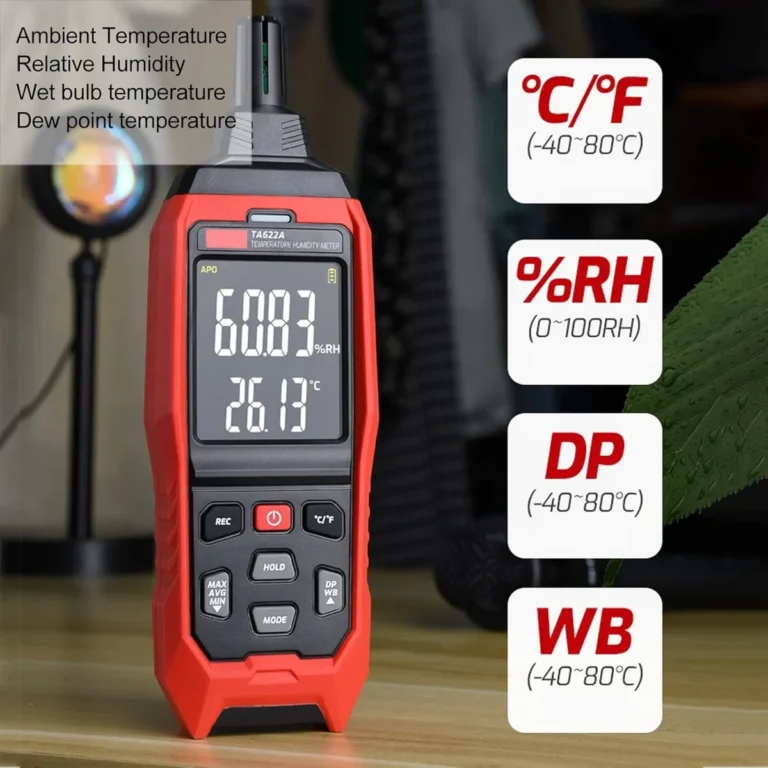
Digital hygrometers use a capacitive sensor that measures electrical changes in the air. They are faster, more accurate, and more stable. A decent digital unit from a known brand like AcuRite or Govee has a rated accuracy of ±3% to ±5%.
That's tight enough to make meaningful decisions about misting, ventilation, and humidity management.
Here's the honest comparison:
| Factor | Analog Dial | Digital Probe |
|---|---|---|
| Accuracy | ±10% to ±20% | ±3% to ±5% |
| Response time | 30-60 minutes | 5-30 seconds |
| Calibration possible | Rarely | Yes (salt test) |
| Battery life | None (mechanical) | 6-12 months |
| Price | $5-$10 | $10-$25 |
| Durability | Fragile, needle bends | Solid, sensor lasts years |
| Ideal for | Quick reference only | Accurate husbandry decisions |
The caveat is that not all digital hygrometers are equal. The cheapest digital units on Amazon sometimes have poor sensors that drift after a few months. Verified buyer reviews frequently mention units that read 99% humidity after a year of use.
That's a dead sensor, not a real reading.
Our recommendation after reviewing aggregate feedback and manufacturer specs is this. Buy a digital probe-style hygrometer from a reputable brand that lists its accuracy specification openly. Look for ±3% or better.
Avoid units that don't publish their accuracy range. And always calibrate the unit when you first get it, then every six months after that. A $15 hygrometer that's calibrated is better than a $50 hygrometer that's never checked.
The Step-by-Step Setup for Accurate, Meaningful Readings
Buying a hygrometer is step one. Using it correctly is step two. Here's the full workflow from unboxing to trusting your device.
Step 1: Calibrate before first use. Run the salt test described earlier. Write down the offset. If your unit reads 73% in a 75% environment, subtract 2% from every future reading.
If it reads 78%, subtract 3%. Mark the offset on the device with a piece of tape.
Step 2: Place the sensor in the right spot. Put the probe inside the warm-end hide. That's where your reptile spends most of its time. If you have a large enclosure, use two hygrometers, one at the warm end and one at the cool end.
The difference between them can be 10-20%.
Step 3: Take a baseline reading. Leave the hygrometer in place for 24 hours without adjusting anything. Check the reading at different times of day. Humidity naturally rises at night and drops during the day.
Know your baseline before you start making changes.
Step 4: Adjust based on the data. If the reading is too low for your species, add a larger water bowl, move the bowl closer to the heat source, or mist the enclosure. If it's too high, increase ventilation by opening the screen top partially or adding a small computer fan.
Step 5: Recheck after each change. Wait 30 minutes after misting or adjusting ventilation. Then check the reading again. Make small changes and wait.
Big swings in humidity stress reptiles more than stable conditions at the wrong level.
Step 6: Recalibrate every six months. Sensors drift. Set a reminder on your phone. Run the salt test again.
Update your offset if needed.
Common Mistakes That Send Reptiles to the Vet
Most humidity-related illnesses are preventable. Here are the mistakes that keepers make most often.
Mistake 1: Trusting the reading on the glass. The hygrometer on the back wall of a glass tank consistently reads 10-15% higher than the air inside the hide. Keepers see 70% and think conditions are fine. Meanwhile, the animal is sitting in 50% air, which is too dry for a ball python or crested gecko.
Mistake 2: Using a fogger as a humidity fix. Foggers create a localized cloud of moisture. They don't raise the overall humidity of the enclosure evenly. They also create a wet surface layer that breeds bacteria.
A fogger should only be used in well-ventilated tropical enclosures, and never as the sole humidity source.
Mistake 3: Ignoring the hot end vs. cool end split. The hot end of the enclosure is always drier than the cool end. If you measure humidity only at the cool end, you'll think conditions are wetter than they are. The animal's basking spot might be bone dry.
Place your hygrometer at the warm end where the animal actually rests.
Mistake 4: Over-misting based on a bad reading. If your analog hygrometer is slow to respond, you might see a low reading and mist again. Then the dial finally catches up, and you've created a swamp. Mist based on the enclosure's actual conditions, not a lagging reading.
Mistake 5: Not providing a humid hide for shedding species. Ball pythons, leopard geckos, and corn snakes all benefit from a humid hide during shed. A hygrometer in the main enclosure won't capture the microclimate inside that hide. You need to check the hide separately or use a probe inside it.
Frequently Asked Questions
How often should I mist my reptile's enclosure?
It depends on your species and your home's ambient humidity. Check the hygrometer reading first. If you're targeting 60% and the reading is 50%, mist once and wait 30 minutes.
Recheck. Repeat until you hit the target. Never mist on a schedule.
Mist based on data.
Should I use a fogger or a misting system?
Foggers are best for tropical species that need high humidity spikes, like crested geckos and green tree pythons. Misting systems work well for most other species. The key is to use them with a hygrometer that tells you when to stop.
Foggers without a controller can easily overshoot 90% and cause scale rot.
Can I just watch my snake's shed to know if humidity is right?
You can, but by the time you see a bad shed, the damage is already done. Stuck shed on toes or eye caps needs intervention. A hygrometer lets you catch the problem before it shows up.
Watch the shed as a secondary check, not your primary tool.
How do I keep humidity up in a mesh-top tank?
Mesh tops let humidity escape quickly. Cover 60-70% of the mesh with a piece of acrylic or glass. Leave a gap for ventilation.
Then mist more frequently. You'll notice the hygrometer reading stays stable for longer. This is the most common fix for tropical species in glass tanks.
Why does my hygrometer read 99% all the time?
A constant 99% reading usually means the sensor is dead or the unit is faulty. First, wipe the sensor clean and let it dry for 24 hours. If it still reads 99%, replace the unit.
This is especially common with cheap analog dials that have been exposed to direct misting.
Do I need a hygrometer for a desert reptile like a bearded dragon?
Yes, but for a different reason. You need to make sure the humidity stays below 40%. Too many bearded dragons develop respiratory infections because owners keep them in humid enclosures.
A hygrometer tells you when to add ventilation, not when to mist.