What Humidity Should Indoor Plants Have
You've probably noticed your calathea's leaves turning brown at the edges, or your fern looking a bit crispy, even though you're watering it regularly. The question of what humidity should indoor plants have frustrates most plant parents at some point. The answer is rarely a simple one-number fact.
In our research, drawing on USDA cooperative extension guidelines and indoor plant physiology, most common houseplants thrive in a relative humidity range of 40% to 60%. Heated indoor air in winter often sits between 20% and 30% relative humidity, which is why so many tropical plants struggle from December through March. So let's talk about what actually works, plant by plant.
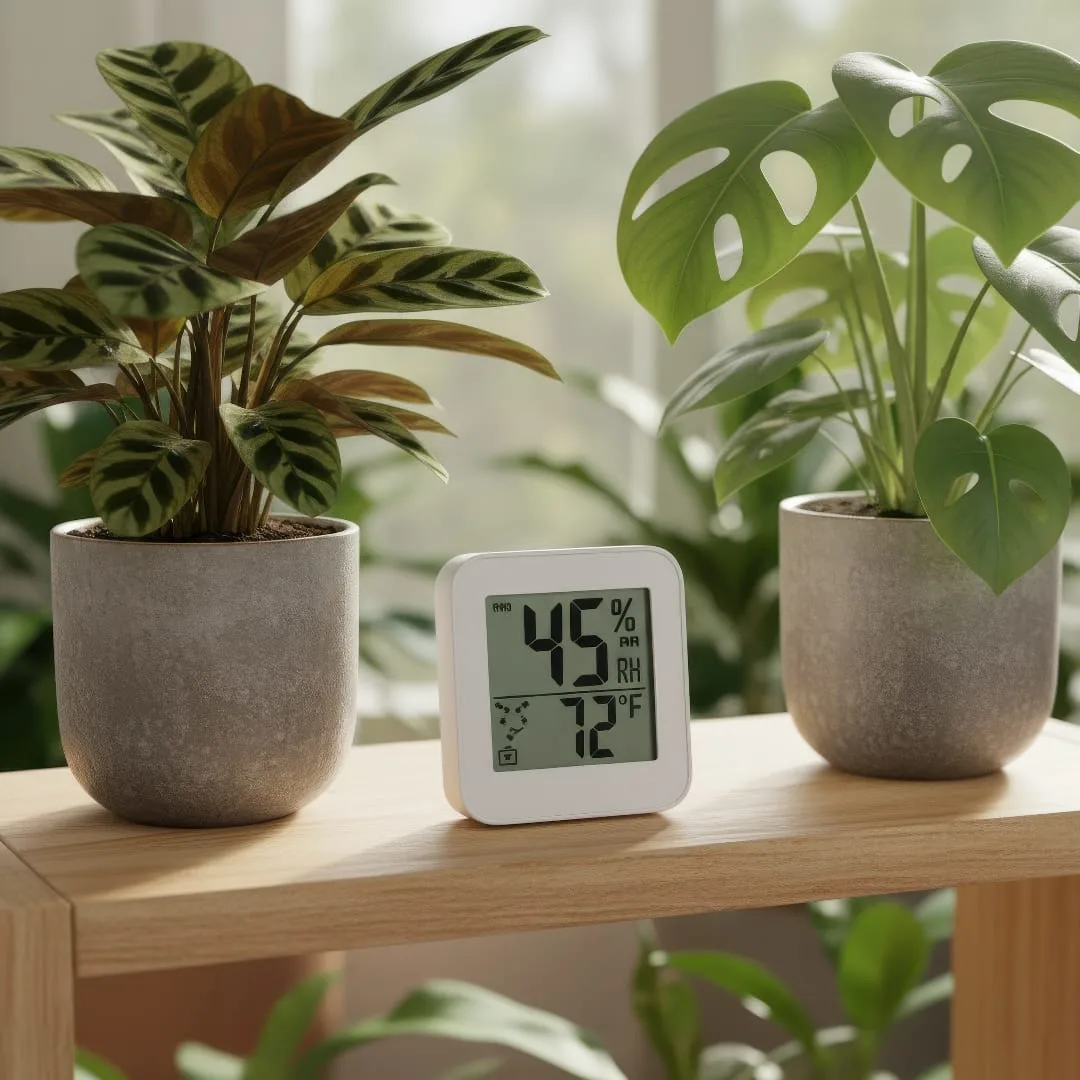
Image source: Bing (Web (fair-use with source credit))
Quick Answer: Most Houseplants Need 40% to 60% Humidity
Most houseplants need 40% to 60% relative humidity. Tropical plants like ferns prefer 60% to 80%. Succulents and cacti tolerate 20% to 40%.
Measure your home's air with a hygrometer first. Then use a humidifier, pebble tray, or plant grouping to adjust.
Why Humidity Matters (It's All About Transpiration)
Plants breathe through their leaves. That process is called transpiration, and it's how they move water and nutrients from their roots up to their cells. When the air is too dry, water evaporates from the leaves faster than the roots can pull it up.
The plant gets stressed, and you see crispy tips, curling leaves, and stalled growth.
Think of it like drinking through a straw. If the air is humid, the straw works fine. If the air is bone dry, the plant has to work much harder to pull water up.
Over time, that stress shows up as brown edges, drooping leaves, and a general look of unhappiness.
On the flip side, too much humidity creates its own problems. Air that stays above 80% with poor circulation invites mold, fungus gnats, and root rot. Condensation on windows and soil surfaces is a clear warning sign.
The sweet spot for most plants sits in that 40% to 60% range, where transpiration works efficiently without encouraging fungal issues.
The type of leaf matters too. Thin, delicate leaves like those on ferns and calatheas lose moisture quickly. Thick, waxy leaves like those on snake plants and succulents hold water much better.
That's why a plant's native habitat tells you more about its humidity needs than any generic chart.
A Simple Decision Tree to Find Your Plant's Humidity Needs
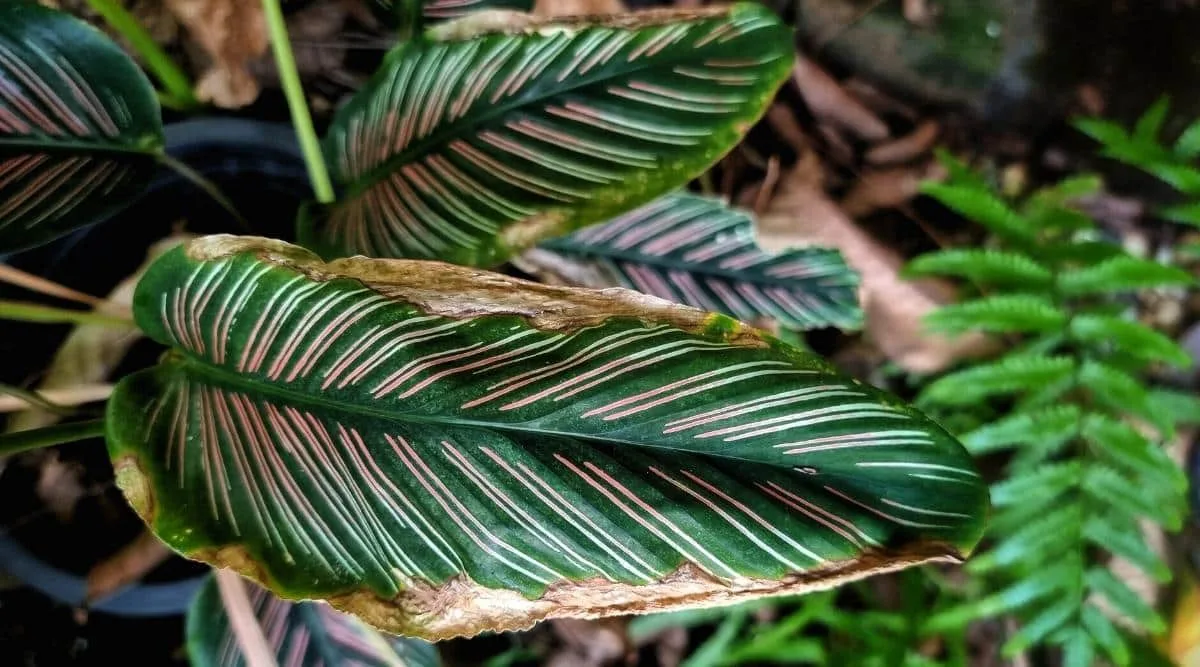
Image source: Bing (Web (fair-use with source credit))
Here's a practical way to figure out what your specific plant needs. Start with where it came from, then look at its leaves, then measure your actual home conditions.
Step 1: Think About Where Your Plant Comes From
Tropical rainforest plants grow under a dense canopy with humidity that rarely drops below 70%. These are your calatheas, marantas, ferns, anthuriums, and most orchids. They need higher humidity, ideally 60% to 80%.
Desert and arid region plants evolved to store water and handle dry air. Succulents, cacti, snake plants, and ZZ plants are comfortable in 20% to 40% humidity. They actually prefer drier air and can rot if kept too humid.
The middle group comes from subtropical and seasonal climates. Pothos, philodendrons, monsteras, peace lilies, and spider plants adapt to a wide range. They do fine in 40% to 60% and tolerate short dips below that.
Step 2: Read the Leaves (Plants Tell You Clearly)
Crispy brown edges and tips are the most common sign of low humidity. If the brown is dry and papery, not mushy, the air is probably too dry.
Curling leaves that fold inward, especially on calatheas and ferns, mean the plant is losing water faster than it can absorb it. Yellowing leaves combined with dry edges can mean the same thing, though it can also signal overwatering, so check the soil first.
On the other hand, black spots on leaves, especially on fuzzy-leafed plants like African violets, can mean too much humidity without enough air movement. Mold on the soil surface or condensation on the pot is another clue.
Step 3: Measure Your Home's Actual Humidity
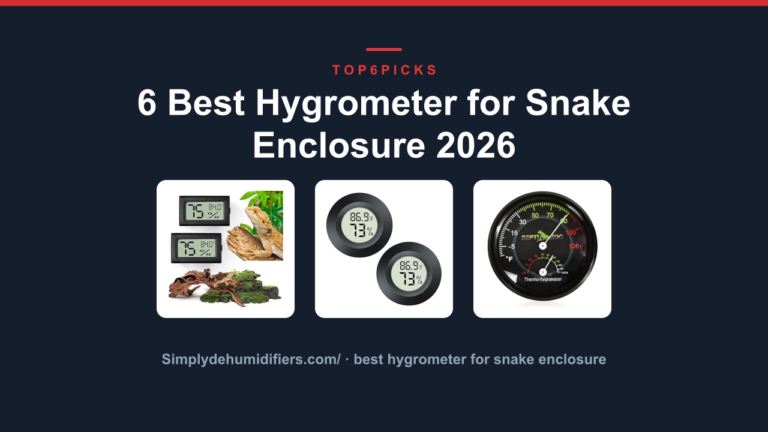
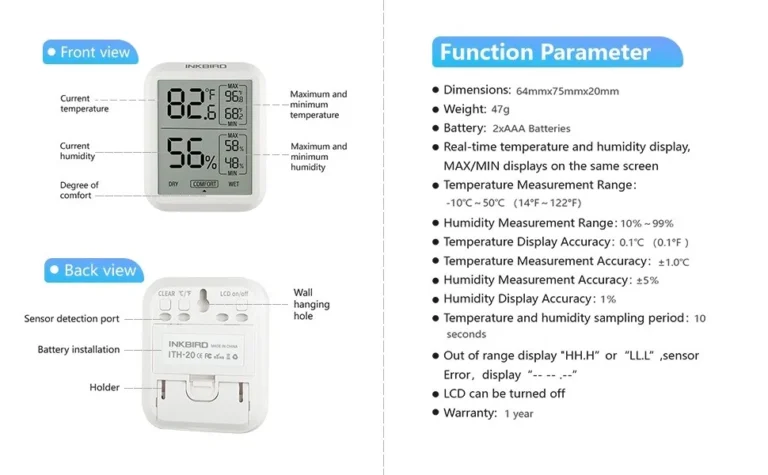
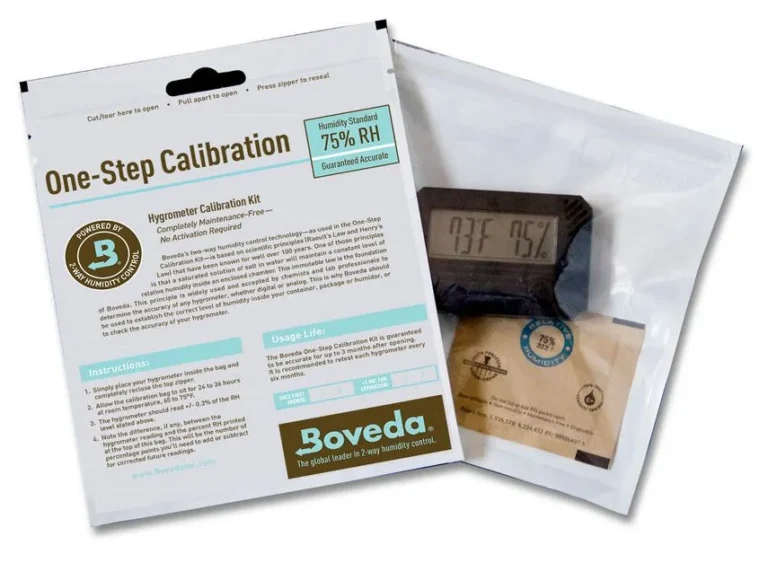
You can't guess humidity accurately. Your skin feels different than what the air actually holds. A simple digital hygrometer costs less than ten dollars and gives you a real number.
Place it near your plants, not by a window or heating vent. Check it at different times of day. Morning humidity is usually higher than afternoon.
Run the reading for a few days to get a baseline.
If your hygrometer reads consistently below 40%, you need to add humidity. If it reads above 70% with poor air circulation, you need better ventilation or fewer moisture-loving plants in that spot.
Your Humidity Toolkit: Humidifiers, Pebble Trays, Grouping, and More
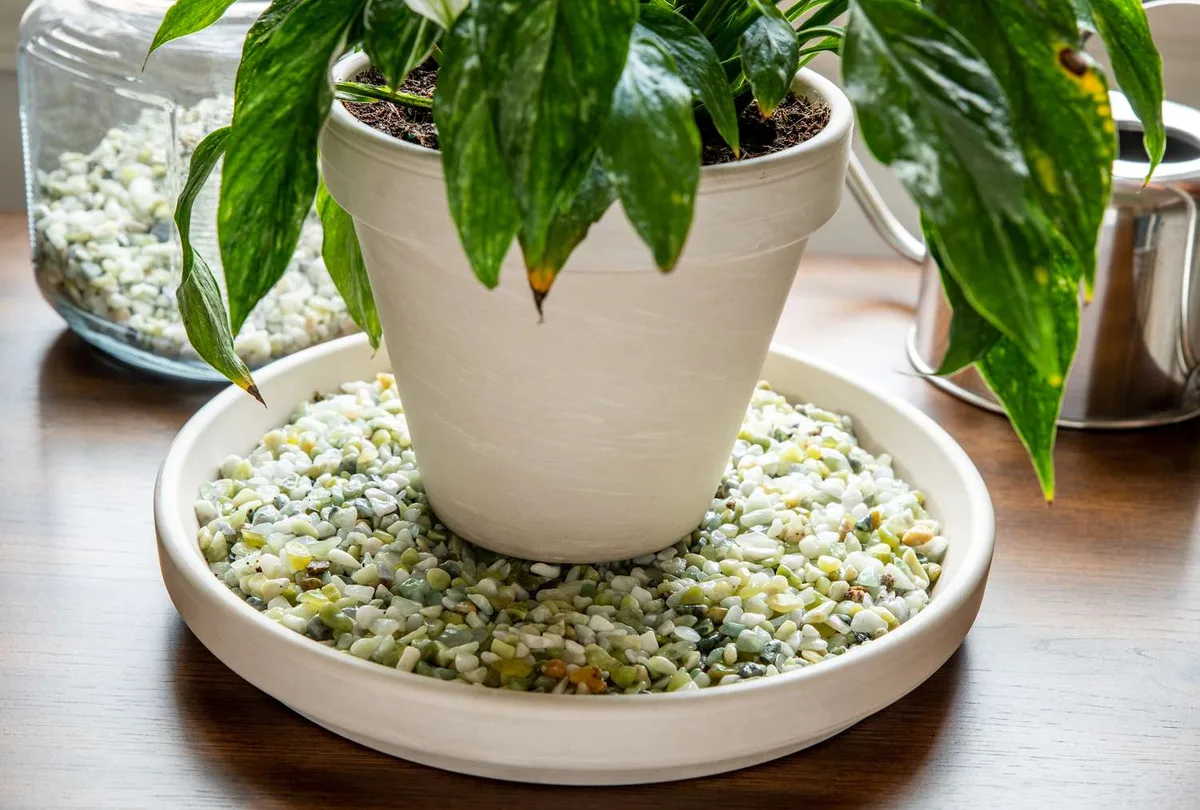
Image source: Bing (Web (fair-use with source credit))
You have several options for raising humidity, and each works best in different situations.
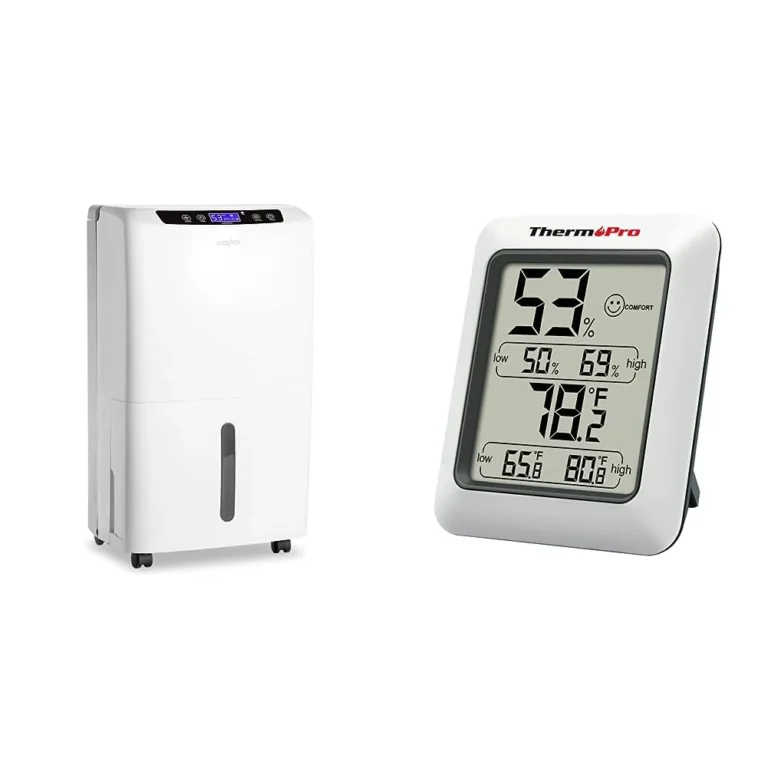
Humidifiers are the most effective solution for dry homes. A cool-mist ultrasonic model works well for plant rooms. Place it near your plants, not directly on them, and use distilled water to avoid white dust on leaves.
Clean it weekly to prevent mold growth inside the tank. For a single room, a small humidifier that outputs 200 to 300 milliliters per hour is usually enough.
Pebble trays are a simple, low-cost option. Fill a shallow tray with pebbles and water, then set your plant pot on top. The water evaporates around the plant, creating a local microclimate.
The key is that the pot should sit on the pebbles, not in the water, or you risk root rot.
Grouping plants together is almost free and surprisingly effective. Plants release moisture through transpiration, so clustering them creates a shared humid zone. The more plants you group, the stronger the effect.
A cluster of three to five medium-sized plants can raise the humidity around them by 5% to 10%.
Terrariums and greenhouse cabinets are the nuclear option for high-humidity plants. A closed terrarium can maintain 80% to 90% humidity with almost no effort. Open glass cabinets with a small fan work well for calatheas and ferns that need consistent moisture.
Misting is the least effective method. The water evaporates in minutes and doesn't raise humidity in any meaningful way. It can actually cause problems on fuzzy-leafed plants by trapping moisture against the leaves.
If you enjoy misting as a ritual, fine, but don't rely on it as a humidity solution.
Mistakes to Avoid: Misting Myths, Overwatering, and Other Pitfalls
The biggest mistake people make is confusing humidity with watering. High humidity does not mean the soil stays wet. You still need to let the soil dry out between waterings according to the plant's needs, not the air's moisture level.
Overwatering in humid conditions is a fast track to root rot.
Another common error is placing plants near heating vents, radiators, or air conditioning units. Forced air dries out the immediate area significantly. A plant sitting two feet from a heating vent can experience humidity levels 10% to 15% lower than the rest of the room.
Move them away or use a deflector on the vent.
Misting myths persist despite evidence. A fine spray of water on leaves raises local humidity for about 10 to 15 minutes. That's not enough to help a plant that needs consistent 60% humidity.
It can also spread fungal spores if the leaves stay wet overnight. Stick with a humidifier or pebble tray for real results.
Ignoring air circulation is another pitfall. High humidity without airflow creates stagnant air that encourages mold and pests. A small fan on low speed, pointed away from the plants but circulating the room air, makes a big difference.
Finally, don't chase perfect humidity numbers. A range of 40% to 60% is fine for most plants. Brief dips to 30% for a few days won't kill a healthy plant.
Seasonal Humidity: Surviving Winter Heat and Summer AC
When winter hits, forced-air heating can drop indoor humidity to 20% or lower. That's below what even hardy snake plants prefer. Your hygrometer will probably confirm it.
Summer air conditioning removes moisture too. A room set to 72°F often sits at 35% to 40% RH. This is why plants can struggle in June just as much as January.
Here's the if/then part. If your hygrometer reads below 40% in winter, use a humidifier or cluster plants near a pebble tray. If you see condensation or mold in summer, add air circulation and cut back on misting.
Research from the USDA cooperative extension system confirms that heating and cooling systems dramatically alter indoor relative humidity.
Adjust your watering schedule with the seasons too. Plants in heated winter rooms dry out faster because the air pulls moisture from the soil. Check the top inch before watering rather than sticking to a fixed day.
If you have radiator heat, which is less drying than forced air, you may only need a pebble tray. Forced-air systems are the real humidity killers.
| Season | The Problem | The Fix | | Winter | Heated air drops RH to 20% to 30% | Humidifier, pebble trays, grouping | | Summer | AC removes moisture, RH falls to 35% to 40% | Ventilation, skip misting, move plants from vents |
Frequently Asked Questions
Should I mist my plants to raise humidity?
Misting does not meaningfully raise humidity in the long term. The effect only lasts 10 to 15 minutes as water evaporates from the leaves. A humidifier or pebble tray provides consistent moisture instead.
Fuzzy-leafed plants like African violets should never be misted, since trapped water causes rot and leaf spotting.
What's the fastest way to raise humidity without a humidifier?
Grouping plants together and placing them on a large pebble tray is the fastest low-cost solution. Combined transpiration and evaporation raises local humidity by 5% to 10%. Check that pots sit on the pebbles, not in the water.
A damp towel hung nearby also helps briefly, but it dries quickly.
Can humidity be too high for houseplants?
Yes, sustained humidity above 80% with poor airflow encourages mold, root rot, and fungus gnats. Keep a small fan running on low to circulate air around your plants. Stop adding moisture once your hygrometer reads over 70%.
Watch for condensation forming on windowpanes near your plants.
How do I know if my plant needs more humidity?
Brown, crispy leaf edges and tips are the clearest sign of dry air. Curling or drooping leaves with moist soil also point to low humidity. Measure your space with a hygrometer to confirm readings below 40%.
Check your plant's native origin first, since succulents naturally tolerate lower levels.
Final Takeaway: A Practical Guide to Perfect Indoor Humidity
Match your plants to their native climate first. Measure your actual air with a hygrometer. Then use the simplest tool that fixes the gap between what you have and what your plants need.
Tropical plants like calatheas and ferns prefer 60% to 80% RH. Most common houseplants, including pothos and philodendrons, do fine at 40% to 60%. Succulents and cacti prefer 20% to 40%, so keep them away from humidifiers.
Consistency beats perfection. Small daily humidity swings don't bother healthy plants, but sustained extremes cause real damage. As of 2026, cheap hygrometers with memory functions let you track daily highs and lows without checking constantly.
Watch for new growth, crisp leaf edges, and vibrant color. Those are the best signs you've hit the right range. Reassess seasonally, since heating and cooling shifts the balance.
You'll find your sweet spot before long.