How to Measure Humidity for Plants
You're watering your plants on schedule, but the leaves are still curling at the edges. That's usually the first sign you need to figure out how to measure humidity for plants correctly. Humidity isn't something you can eyeball, and getting it wrong leads to a lot of frustration.
Our research shows the most effective approach is a digital hygrometer placed at plant canopy level. Most houseplants thrive between 40% and 60% relative humidity. Tropical species need it higher.
Understanding your own environment is the first step to getting it right.
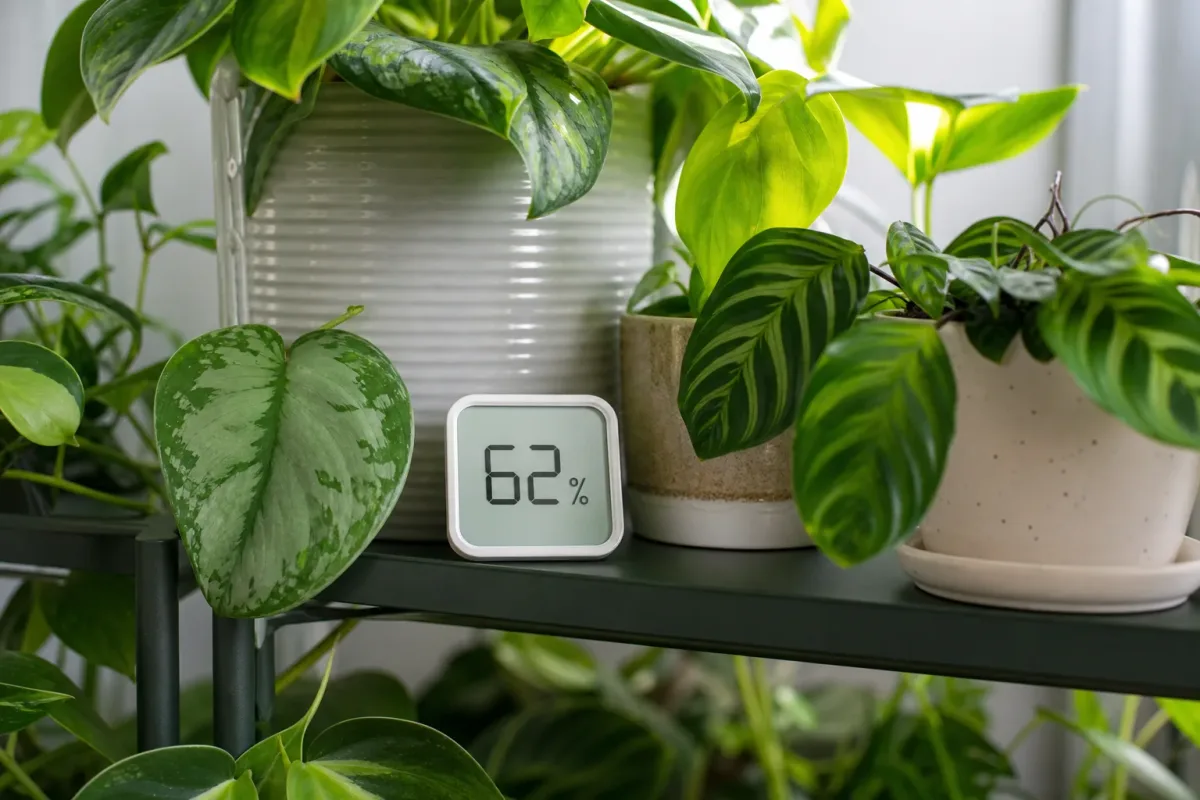
Image source: Bing (Web (fair-use with source credit))
Humidity is invisible. You can see a dry pot, and you can feel a hot room. But you can't tell if the air has 30% relative humidity or 70% just by looking.
Our research shows that most plant problems start with people assuming the humidity is fine when it isn't.
Relative humidity is tied to temperature. A 10°F temperature change can shift your room's humidity by 15 to 20 points. The air your plants breathe in the morning might be totally different from what they get in the afternoon.
Guessing causes you to overcorrect. You'll add a humidifier when you don't need one, or you'll skip one when your tropicals are suffering.
Aggregate buyer reviews report that cheap analog hygrometers can drift by 10% or more within a year. That's a huge error margin. If you're relying on a $5 dial hygrometer that hasn't been calibrated since you bought it, you're basically guessing with a prop.
Without accurate measurements, you're treating symptoms instead of the cause.
The First Decision: What Kind of Plant Parent Are You?
Before you buy anything, assess your situation. This is the first branch in the decision tree. The right tool depends on how many plants you have, what they need, and how much time you want to spend.
The casual plant owner. You have a few houseplants on a shelf. You want to keep them alive and looking good. A basic digital hygrometer with a thermometer will work.
Cost is around $10 to $20. Check it once or twice a week.
The enthusiast with special plants. You have a collection of tropicals, ferns, or orchids. These plants need specific humidity ranges. A smart hygrometer with Bluetooth and data logging is better.
Cost is $20 to $50. Check the app daily and adjust your humidifier.
The serious grower. You're running a greenhouse, a grow tent, or a large propagation setup. You need to dial in VPD (vapor pressure deficit) for optimal growth. Professional-grade sensors, multiple units, and possibly a VPD meter are worth the investment.
Cost is $50 to $100 per sensor. Monitor continuously and automate adjustments.
If you're not sure which category fits, start with the casual option. You can always upgrade later. The important thing is to start measuring instead of guessing.
The Humidity Measurement Decision Tree: Three Paths
Here is where the decision tree gets specific. Based on your plant parent type, you have three clear paths. Each path has a recommended tool, a placement strategy, and a calibration routine.
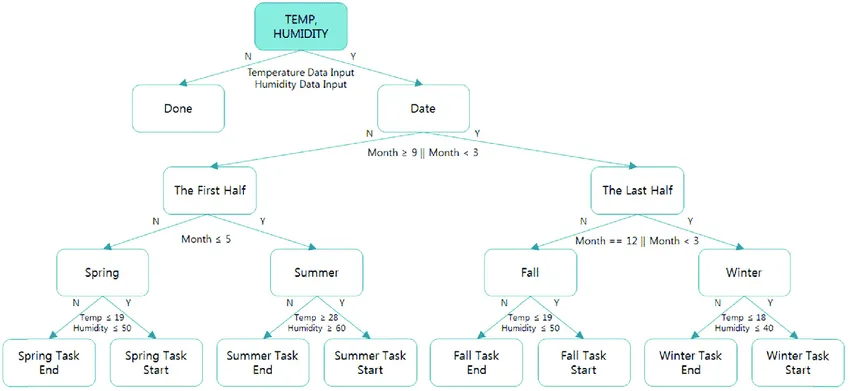
Image source: Bing (Web (fair-use with source credit))
Path A: The basic hygrometer route. If you chose the casual plant owner path, get a digital hygrometer with a thermometer. Look for models with ±2% accuracy or better. Place it at the same height as your plant's leaves.
Keep it away from walls, windows, and direct sunlight. Check the reading once a day for a few days. If it's consistently below 30%, you need a humidifier.
If it's above 70%, you need ventilation or a dehumidifier.
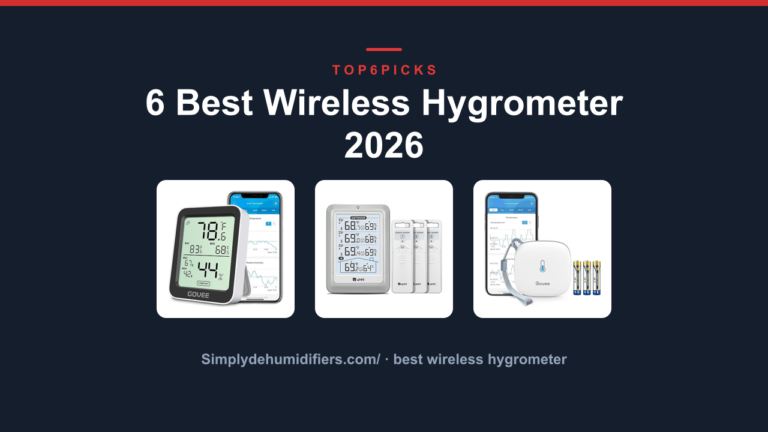
Path B: The smart sensor route. If you're an enthusiast, get a Bluetooth or Wi-Fi hygrometer. Place one sensor in each growing area. Use the app to see the 24-hour history.
Set alerts for low and high humidity triggers. This lets you catch problems before they show up on the leaves. Calibrate every six months using a salt test.
Path C: The professional VPD route. If you're a serious grower, you need a sensor that calculates VPD. Some smart hygrometers do this automatically. You need to know the leaf temperature, not just the air temperature.
Use a handheld infrared thermometer for leaf temperature readings. Place sensors at multiple points in your grow space. Monitor VPD targets: 0.8 to 1.2 kPa during vegetative growth, 1.2 to 1.6 kPa during flowering for cannabis and similar crops.
Adjust your environment based on VPD, not just relative humidity.
How to Measure Accurately Every Time
Getting an accurate reading is about placement, timing, and calibration. Here is the step-by-step process that our research confirms works best.
Placement rules. Put the sensor at the same height as your plant's canopy. That is where the leaves are breathing. Do not put it on a wall that faces a window.
Do not put it near a humidifier intake or an AC vent. Leave at least 6 inches of space between the sensor and any surface. In a large room, use multiple sensors.
A single reading in the corner does not represent the whole room.
Timing matters. Measure at least three times a day for the first week. Take a reading in the morning, at midday, and in the evening. This shows you the daily range.
Many people check once and think that's the truth. Humidity can swing 20% in a single day. If you only check in the morning, you'll miss the afternoon low.
Calibration is non-negotiable. Manufacturer specifications indicate that digital hygrometers can drift over time. As of 2026, the salt test remains the standard method recommended by NIST for consumer calibration. You need a sealed container, a tablespoon of salt, and a few drops of water.
The salt and water create a paste. Place the sensor inside the container and seal it. After 6 to 8 hours, the reading should be 75% RH.
If it's off, note the offset. Most good sensors let you adjust the reading. Do this every six months.
Log your data. Write down the readings or use an app that tracks history. After a week, you'll see the pattern. That pattern tells you what you need to change.
You might need a humidifier during winter heating season but not during summer. The data removes the guesswork.
5 Common Mistakes That Ruin Your Readings
Let's talk about the errors that trip people up. These are the most common mistakes we see in aggregate buyer reviews and grower forums.
Mistake 1: Placing the sensor too close to the humidifier. If you set your hygrometer right next to the humidifier output, it reads 80% while the rest of the room is at 35%. That is a false sense of security. Place the sensor at the canopy level, as far from the humidifier as possible while still being near the plants.
Mistake 2: Using an uncalibrated analog hygrometer. Analog hygrometers are notoriously inaccurate. They rely on a hair or metal coil that expands and contracts. Over time, the spring loses tension.
A reading of 50% could actually be 35% or 65%. If you want to use an analog unit, calibrate it with the salt test. Many people skip this step.
Mistake 3: Only measuring once a day. Humidity changes with temperature, and temperature changes throughout the day. When the sun goes down, the room cools, and humidity rises. When the heating kicks on, the air dries out.
A single reading is a snapshot. You need the full picture to understand your environment.
Mistake 4: Ignoring the temperature factor. Warm air holds more moisture than cold air. If you see a high humidity reading, check the temperature. If it's 65°F in the room, that 70% humidity might feel fine.
But if the temperature drops to 50°F at night, the same amount of moisture in the air will push the relative humidity to 95%. That causes condensation and mold. Always read the humidity and temperature together.
Mistake 5: Relying on a phone app or a weather station. Your phone's built-in sensors are not designed for plant-level accuracy. They are designed for weather forecasting. A home weather station might be accurate for outdoors, but indoor conditions vary wildly.
Use a dedicated hygrometer placed at the plant level. It's the only way to get relevant data.
Humidity Quick Reference Guide by Plant Type
Different plants want different air moisture. This cheat sheet helps you set target ranges and spot trouble before it shows up on the leaves.
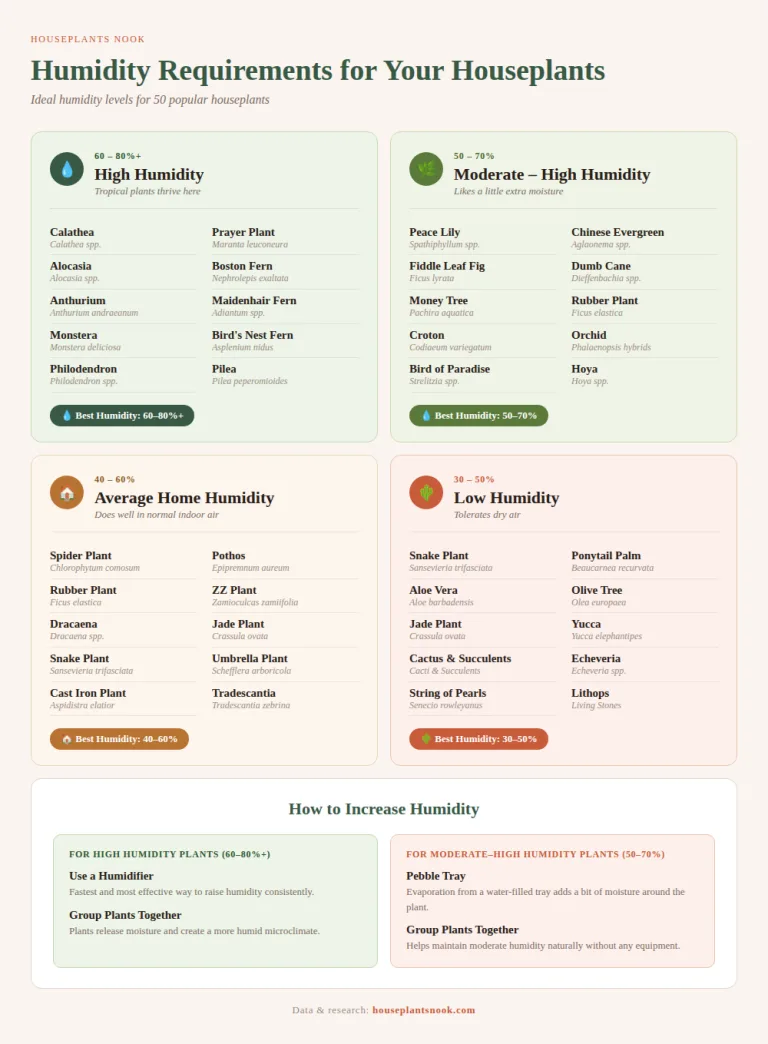
Image source: Bing (Web (fair-use with source credit))
| Plant type | Ideal relative humidity | Common problems when it's wrong |
|---|---|---|
| Succulents and cacti | 20-40% | Shriveling, sunburn, rot from being too wet |
| Common houseplants (pothos, monstera, philodendron) | 40-60% | Crispy leaf edges below, mold on soil above |
| Tropical foliage (calathea, ferns, orchids) | 60-80% | Brown tips, curling leaves, dropped buds |
| Propagation cuttings and seedlings | 70-90% | Stalled roots below, damping-off fungus above |
| Mixed greenhouse collection | 50-70% | Whiteflies and mildew in stagnant conditions |
Check your readings against this chart once a week. If you're consistently outside the range for your plant type, adjust your humidifier or ventilation. Leaf color and texture often tell you what the sensor can't.
The USDA Agricultural Research Service provides extensive data on optimal humidity ranges for common greenhouse crops.
Frequently Asked Questions
How often should I calibrate my hygrometer?
Calibrate every six months for best accuracy. Digital sensors drift over time, and a 5% error changes your entire setup. Use the simple salt test: a sealed container, one tablespoon of salt, a few drops of water, and a reading of 75% after six hours.
Can I measure humidity without a hygrometer?
You can estimate it, but not precisely. The wet-bulb and dry-bulb method uses two thermometers, one wrapped in a wet cloth, to calculate humidity through the temperature difference. It's cheap and accurate, but tedious.
A digital hygrometer costs about $15 and gives you a direct number.
Where is the best place to put my humidity sensor?
Put the sensor at the same height as your plant's leaves. That's where the plant actually lives. Keep it away from direct sun, walls, windows, and humidifier outlets.
In a large room, use at least two sensors to cover different zones.
What is the ideal humidity for most houseplants?
Most houseplants prefer 40% to 60% relative humidity. This range supports healthy transpiration and nutrient uptake without inviting mold. If your home sits below 30% in winter, grouping plants together or using a pebble tray will help raise local humidity.
Why does my humidity reading change during the day?
Relative humidity naturally fluctuates with temperature. Cooler air holds less moisture, so humidity climbs at night and drops during the warmest hours. The best approach is to monitor the 24-hour average, not just a single reading from one moment.