What Humidity Should a Greenhouse Be
If you're asking what humidity should a greenhouse be, the direct answer is 40 to 85 percent relative humidity, depending on what you're growing. There's no single magic number that works for every crop or every season. Seedlings need steamy, wet air.
Flowering plants prefer much drier conditions.
The more precise way to measure this is vapor pressure deficit, or VPD. It combines temperature and humidity into one number that tells you how easily plants can transpire. Most crops grow best between 0.8 and 1.2 kPa on the VPD scale.
That standard, backed by research from university extension programs, gives you a much smarter target than staring at a humidity percentage alone.

Image source: Bing (Web (fair-use with source credit))
The Short Answer – What Humidity Should a Greenhouse Be
Think of the range as a set of stepping stones. Cuttings and seedlings thrive at 70 to 85 percent. Vegetative growth runs happiest at 60 to 70 percent.
Once flowering starts, drop it to 40 to 60 percent to keep mold away.
| Growth Stage | Target RH | Why It Matters |
|---|---|---|
| Seedlings and Cuttings | 70–85% | Soft tissue needs moisture to root |
| Vegetative Growth | 60–70% | Steady transpiration and growth |
| Flowering and Fruiting | 40–60% | Lower RH reduces mold and rot |
Temperature changes everything here. A greenhouse at 75°F with 65 percent RH feels totally different to a crop than one at 60°F with the same humidity. That's why commercial growers track VPD instead of RH.
The USDA's Agricultural Research Service provides detailed guidance on humidity management for greenhouse crops.
The 3 Main Variables That Change Your Humidity Target

Image source: Bing (Web (fair-use with source credit))
Variable 1: Growth stage. This drives your baseline target. Propagating cuttings means high humidity mode. Ripening tomatoes means actively dehumidifying.
When in doubt, treat young plants as needing more moisture and mature plants as needing less.
Variable 2: Temperature. Warm air holds more water vapor than cool air. At 85°F, 70 percent RH is a heavy load of moisture. At 55°F, the same percentage feels clammy and causes condensation on leaves.
VPD combines both factors into one useful number. Experienced growers trust it more than humidity alone.
Variable 3: Your greenhouse and local climate. An unheated polycarbonate greenhouse in a coastal area runs damp and cool, so your baseline might sit around 55 to 65 percent. A heated glass greenhouse in the desert struggles with the opposite problem, often dropping below 30 percent. You're balancing your crop's needs against your location and construction.
How to Raise Humidity (When It's Too Dry)
Dry greenhouse air is a winter problem, especially when heaters run constantly. Here's how to push humidity back up.
Mist or fog the air. Short bursts throughout the day beat one long soak. A fine mist raises RH without wetting leaves enough to trigger disease.
Run evaporative cooling pads. Air pulls moisture as it passes through the pads. This also drops temperature, which helps on warm, dry afternoons.
Set out shallow water trays. Simple and effective. Fill trays near your benches and let evaporation do the work. Replenish them daily.
Group plants closer together. Crowded plants create a humid microclimate around themselves. Just don't pack them so tight that airflow dies completely.
Add shade cloth. Less direct light means cooler leaves. Cooler leaves lose less water, which narrows the gap between plant temperature and the air's dew point.
Check your hygrometer about an hour after each change. You'll quickly see which method actually moves the needle.
How to Lower Humidity (When It's Too Wet)
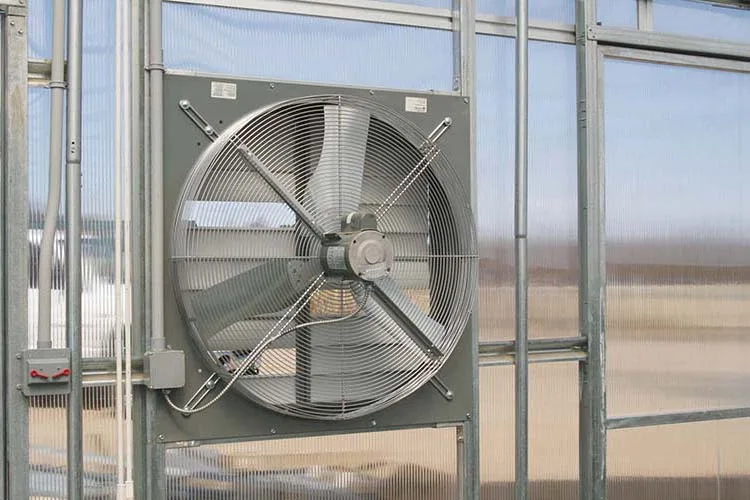
Image source: Bing (Web (fair-use with source credit))
Excess moisture is the leading cause of greenhouse disease. If your hygrometer reads above 80 percent RH and temperatures are cool, you're in the danger zone for botrytis and powdery mildew.
Vent first. Open roof vents and switch on exhaust fans. Swapping humid inside air for drier outside air costs nothing and fixes most problems on mild days.
Add circulation fans. Stagnant air pockets stay damp even with vents open. Fans keep air moving across leaves and stop condensation from settling overnight.
Run a dehumidifier. When outside air is also humid, like during a rainy week, ventilation won't help. A condenser dehumidifier removes moisture directly. Pick one rated in pints per day to match your greenhouse size.
Heat slightly. Warm air holds more water. Raising nighttime temperatures a few degrees keeps moisture in the air instead of condensing on leaves.
Water in the morning. Soil moisture evaporates through the day. Watering late in the afternoon leaves wet soil releasing humidity all night.
Check your numbers at dawn. That's when humidity peaks. If you're under 85 percent RH at sunrise, you're likely in good shape.
The 3 Most Common Humidity Mistakes (And How to Fix Them)
Even experienced growers slip up on these three.
| Mistake | Symptom | Fix |
|---|---|---|
| Obsessing over one RH number | Slow growth, leaf curl | Use VPD instead |
| Ignoring nighttime spikes | Mold on leaves | Vent or fan overnight |
| Letting winter heat dry the air | Crispy leaf edges | Add humidity trays |
Mistake 1: Obsessing over a single humidity number. Humidity means nothing without temperature. A fixed 60 percent RH at 60°F is a completely different environment than it is at 80°F. Always check a VPD chart before changing anything.
Mistake 2: Ignoring nighttime spikes. Many growers keep daytime humidity perfect, then seal the greenhouse tight overnight. That's when mold takes hold. Leave vents slightly cracked or run fans on a low timer after sunset.
Mistake 3: Letting winter heating dry the air. Heated air naturally drops to 20 or 30 percent RH in cold months. That stresses plants, slows transpiration, and hurts nutrient uptake. Use a warm mist humidifier or water trays instead of letting the air turn into a desert.
FAQs – Quick Answers to the Most Worried Greenhouse Questions
What humidity should a greenhouse be at night?
Nighttime humidity should sit 5 to 10 percent lower than your daytime target. If you run 65 percent during the day, aim for 55 to 60 percent after dark. Cooler nighttime temperatures make the air reach its dew point faster.
That means condensation on leaves, which invites botrytis and powdery mildew. Keep a small vent crack or a circulation fan running overnight.
How do I measure humidity in my greenhouse accurately?
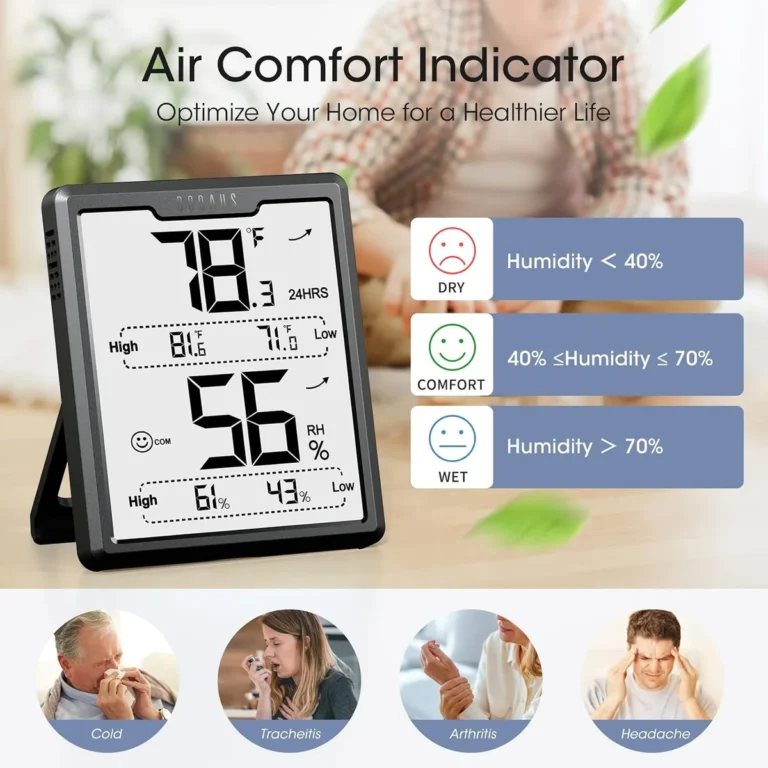
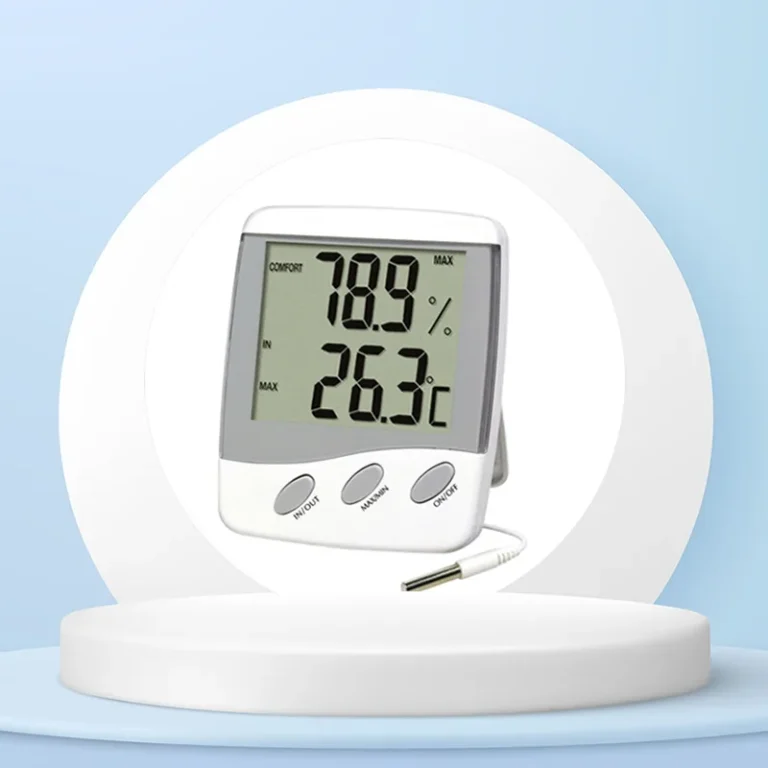
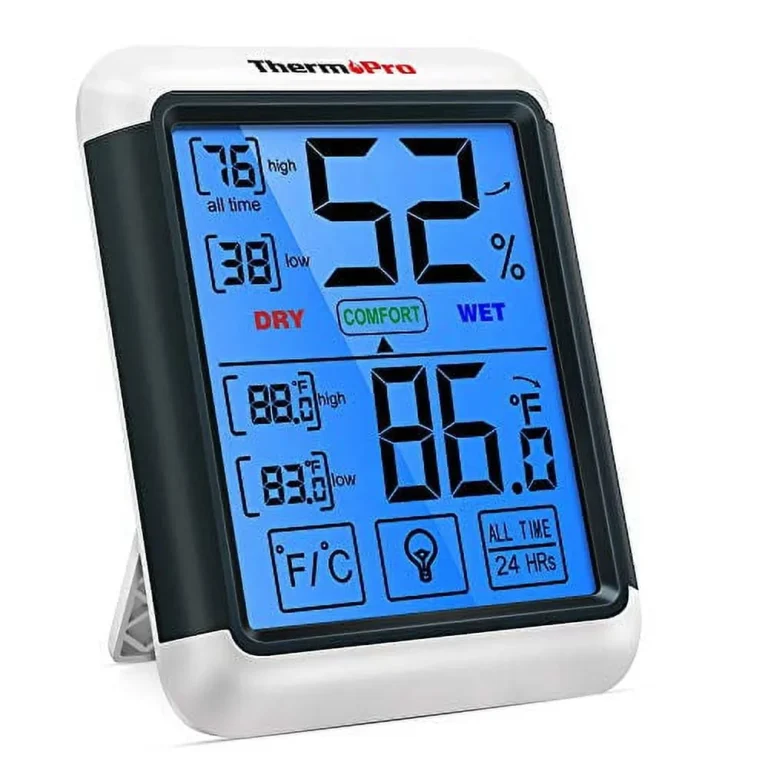
Buy a digital hygrometer with ±2 percent accuracy. Analog dials drift badly within a season. Place the sensor at plant canopy height, not near a wall or vent.
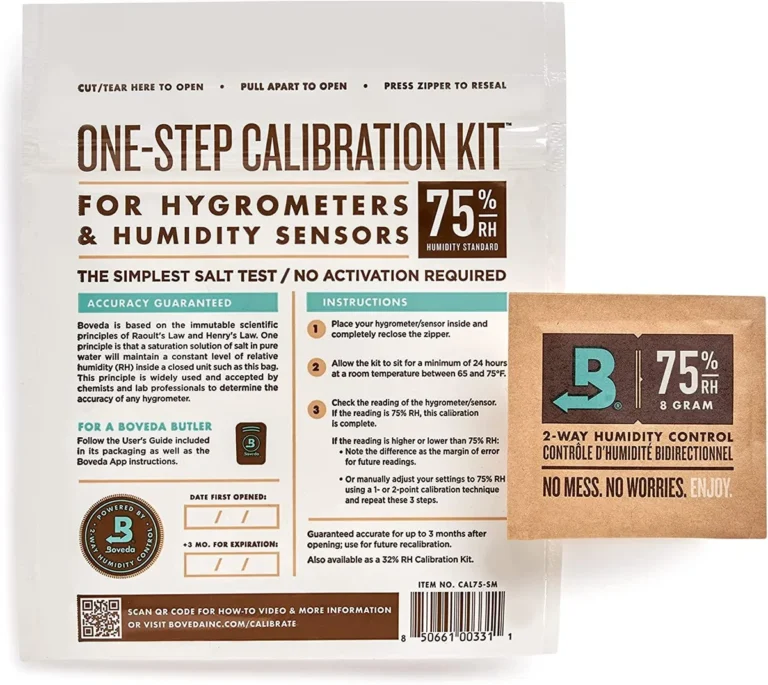
Check it at dawn and midday. The gap between those two readings tells you how much your humidity swings in a day. A sling psychrometer gives the most reliable reading if you want to calibrate your sensor.
Can humidity be too low for plants?
Yes. Below 30 percent RH, plants struggle to transpire. Leaves curl, edges crisp, and nutrient uptake slows.
This is a common winter problem in heated greenhouses. Fix it with a warm mist humidifier, shallow water trays, or by grouping plants closer together. Monitor your VPD.
If it climbs above 1.5 kPa, your plants are stressed.
Should I use a dehumidifier or just vent more?
Vent first if the outside air is drier than your greenhouse air. It costs nothing and works fast. Switch to a dehumidifier when outside air is also humid, like during a rainy week or in coastal climates.
A condenser dehumidifier rated for your greenhouse volume handles the job. Look for units rated in pints per day, not just room size.
What humidity causes powdery mildew?
Powdery mildew thrives above 85 percent RH, especially when temperatures sit between 60 and 80°F. Poor airflow makes it worse. The fungus spores germinate on leaf surfaces that stay wet for extended periods.
Keep your daytime RH below 75 percent and your nighttime RH below 65 percent. Add circulation fans to eliminate stagnant air pockets.
Final Decision Guide – What to Do If You're Still Unsure
If you're standing in your greenhouse wondering whether to mist or vent, run through this quick checklist.
Step 1: Check the growth stage. Seedlings or cuttings? Push humidity up. Flowering or fruiting?
Pull it down. Vegetative plants in between? Stay in the middle.
Step 2: Look at the temperature. Warm and humid? Vent first. Cool and humid?
Heat slightly and add airflow. Hot and dry? Mist or fog.
Cold and dry? Add humidity trays.
Step 3: Inspect the plants. Drooping leaves with wet soil point to high humidity stress. Crispy edges with dry soil point to low humidity. Curling leaves with no other symptoms suggest a VPD problem, not a humidity problem.
Step 4: Take a dawn reading. If your hygrometer reads above 85 percent at sunrise, you have a nighttime humidity problem. Crack a vent or run a fan on a timer. Fix that before changing anything during the day.
Step 5: Trust VPD over RH. Use a VPD chart or an online calculator. Input your temperature and humidity. If the number falls between 0.8 and 1.2 kPa for most crops, you're doing fine.
If it drifts outside that range, adjust one variable at a time.
You don't need perfect humidity every minute. Plants tolerate swings. The real danger is letting humidity sit too high or too low for days on end.
Check your greenhouse at dawn and midday. Adjust slowly. Within a week, you'll know exactly what your space needs.