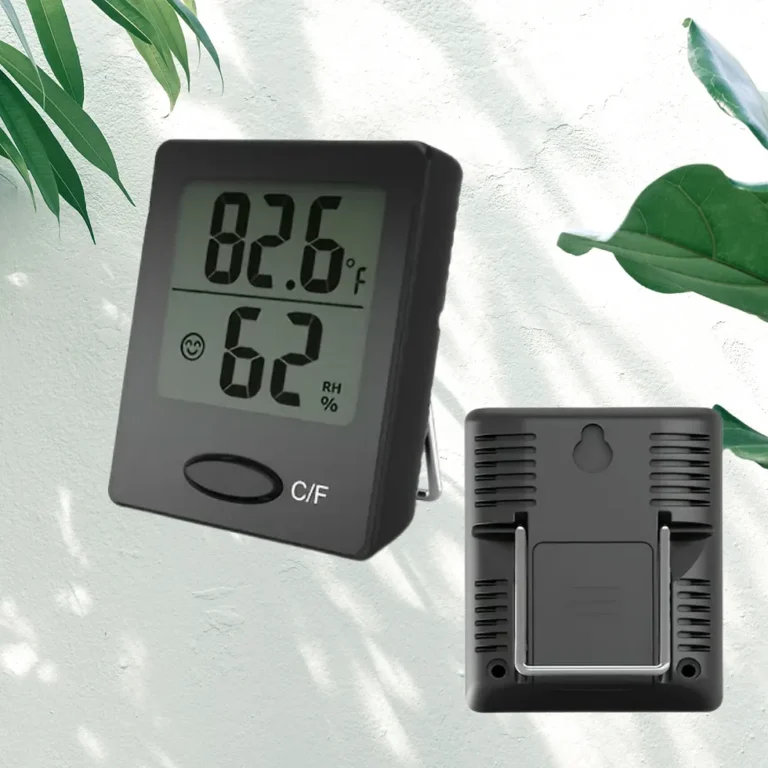
Are Hygrometers Accurate
So, are hygrometers accurate? The honest answer is yes, no, and it depends. Most consumer digital units are reasonably close when they're new.
Then they drift, and the trust fades. The longer you own one, the less you can believe it until you verify it.
Manufacturer specs typically rate household hygrometers at ±3% to ±5% relative humidity. Lab-grade units hit ±1% or better. The standard home check is the salt test, which compares your device against a known 75.3% relative humidity reference.
We'll walk you through the whole process, so you can finally stop guessing whether yours is lying.
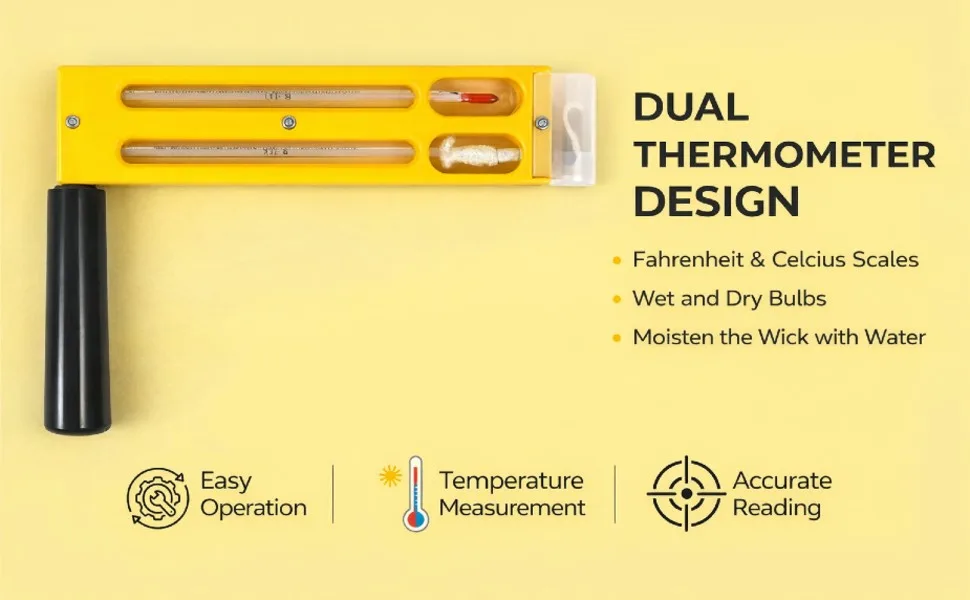
Image source: Bing (Web (fair-use with source credit))
Why Your Hygrometer Is Probably Off Right Now (And How Far Off)
A brand-new digital hygrometer from a decent brand is usually accurate to within ±3% to ±5% relative humidity. That's fine for most rooms. But "when new" is doing a lot of work in that sentence.
The biggest issue is sensor drift. The capacitive humidity sensor inside a typical unit gets exposed to dust, temperature swings, and moisture cycles. Over time, its calibration slips.
As of 2026, even well-reviewed budget sensors show noticeable drift after a year or two of regular use.
Here's what you should expect:
- Cheap analog hygrometers often read ±5% to ±10% from the factory.
- Digital capacitive models usually start around ±3% to ±5%.
- Resistive sensors can drift faster in dusty or smoky air.
- Lab-grade units with NIST-traceable calibration hold ±1% to ±2%.
If you haven't checked your hygrometer in the last six months, treat its current reading as approximate. If it's brand new, it might be fine. You won't know until you run the salt test.
What Kind of Hygrometer Do You Have? (The 30-Second Self-Check)
Before you test anything, figure out what you're working with. Look at the device and run a quick self-check.
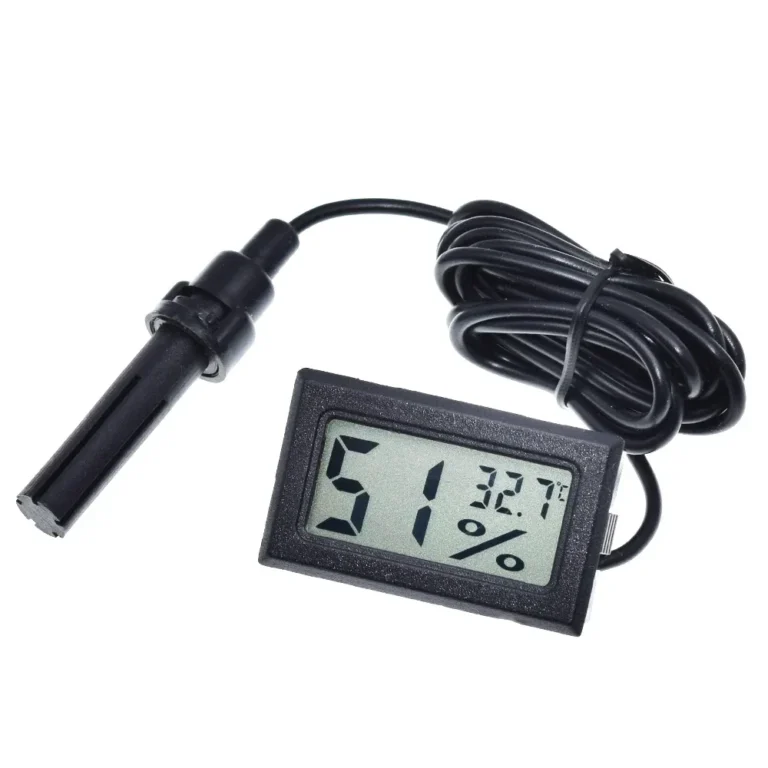
If it has a digital screen, it's almost certainly a capacitive or resistive electronic sensor. If it has a dial and no battery, it's an analog mechanical unit, often using a hair or metal coil. If it has two thermometers and a cloth wick, it's a psychrometer.
| Type | How it works | Typical accuracy | Can you calibrate it? |
|---|---|---|---|
| Digital, capacitive | Polymer layer absorbs moisture | ±2% to ±5% RH | Usually yes |
| Digital, resistive | Sensor changes electrical resistance | ±3% to ±5% RH | Usually yes |
| Analog, hair or coil | Material expands and contracts | ±5% to ±10% RH | Sometimes, via screw |
| Psychrometer | Wet-bulb vs dry-bulb comparison | ±2% RH or better | Replacement wick |
The key question is calibration. A digital unit often has a calibration function hidden in its settings. An analog unit might have a tiny screw hole on the back.
A psychrometer doesn't need calibration, but you have to use it correctly.
If your device can't be adjusted, the salt test still tells you how wrong it is. Then you decide whether that's acceptable.
The Salt Test: The Only Home Accuracy Check That Actually Works
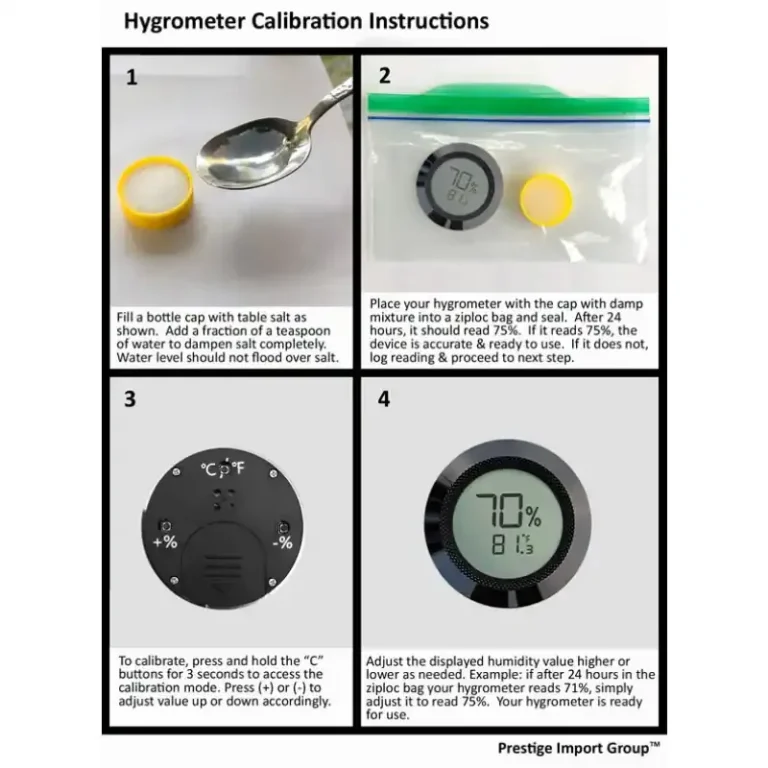
The salt test is simple, cheap, and reliable. It works with digital and analog hygrometers alike. All you need is table salt, water, a small container, and a sealed plastic bag or glass jar.
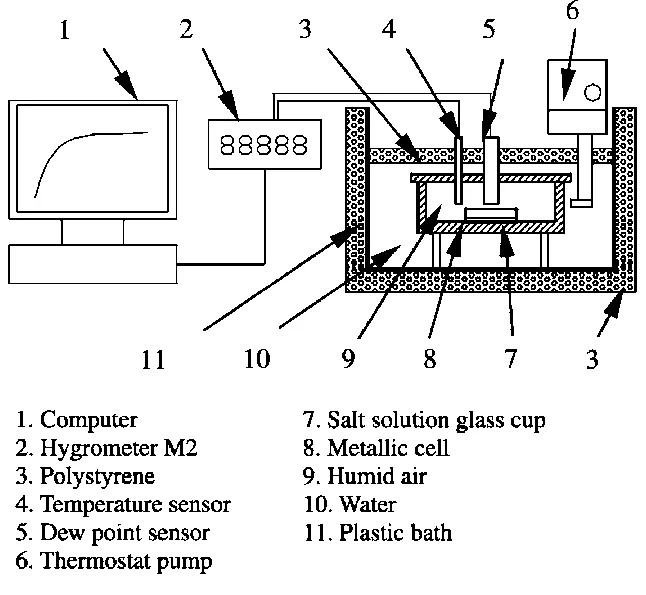
Image source: Bing (Web (fair-use with source credit))
What You Need
- A tablespoon of plain table salt
- A bottle cap or small dish
- A few drops of water
- A sealed plastic bag or wide-mouth jar
- Your hygrometer
How to Run the Test
- Put the salt in the cap or dish.
- Add a few drops of water until the salt is damp. It should look like wet sand, not soup.
- Place the cap and the hygrometer inside the bag or jar.
- Seal it tightly.
- Wait 8 to 12 hours at normal room temperature.
- Open the container and read the hygrometer.
The reading should be 75.3% relative humidity. If it is, your device is accurate. If not, you now know exactly how far off it is.
What the 75.3% RH Number Means
That number isn't random. A saturated salt slurry creates a stable humidity level of 75.3% RH at room temperature. Per NIST, pure sodium chloride solutions hold that reference point reliably.
That's why this method appears in calibration guides for low-cost sensors.
The saturated salt solution doesn't care about your room's actual humidity. The sealed bag creates its own microclimate. As long as the salt stays damp and the temperature stays fairly steady, the humidity inside the bag will settle near 75.3%.
Reading the Results: Is It Worth Calibrating, Adjusting, or Tossing?
Now you have a number. Here's how to decide what to do next.
| Salt test reading | Verdict | What to do |
|---|---|---|
| 73% to 77% | Accurate enough | Keep using it. Re-test in 6 months. |
| Off by 3% to 5% | Drifted | Calibrate it if you can, or note the offset. |
| Off by more than 7% | Not reliable | Replace it for anything important. |
If your digital hygrometer has a calibration setting, place it back in the bag and adjust the reading to 75.3%. Some units let you do this with a button press. Others use a small screw or trim pot.
For analog units, look for a calibration screw on the back. Turn it gently with a tiny screwdriver while the device is still in the sealed bag. Wait a few minutes, then recheck.
What if your analog hygrometer reads 65% in the salt bag? Don't waste time. That level of error is too large to trust.
Analog adjustments usually aren't precise enough to fix it.
If the unit is off but usable, you can also write the offset on a piece of tape and stick it to the device. That works, but remember that drift isn't always linear. A device that reads 3% low at 75% might read differently at 40%.
Replacement is safer for critical tasks.
Placement Errors That Fool Even a Perfectly Calibrated Hygrometer
A perfect hygrometer in the wrong spot still gives worthless data. You can do the salt test, calibrate the device, and then ruin the reading by hanging it next to a heat vent.
Here are the usual traps:
- Near a window: direct sunlight warms the sensor and drives readings up.
- Above a humidifier: you're reading the plume, not the room.
- Next to a radiator or AC vent: airflow distorts the local humidity.
- On a cold exterior wall: temperature differences create false moisture readings.
- Near the kitchen or bathroom: steam causes temporary spikes that linger.
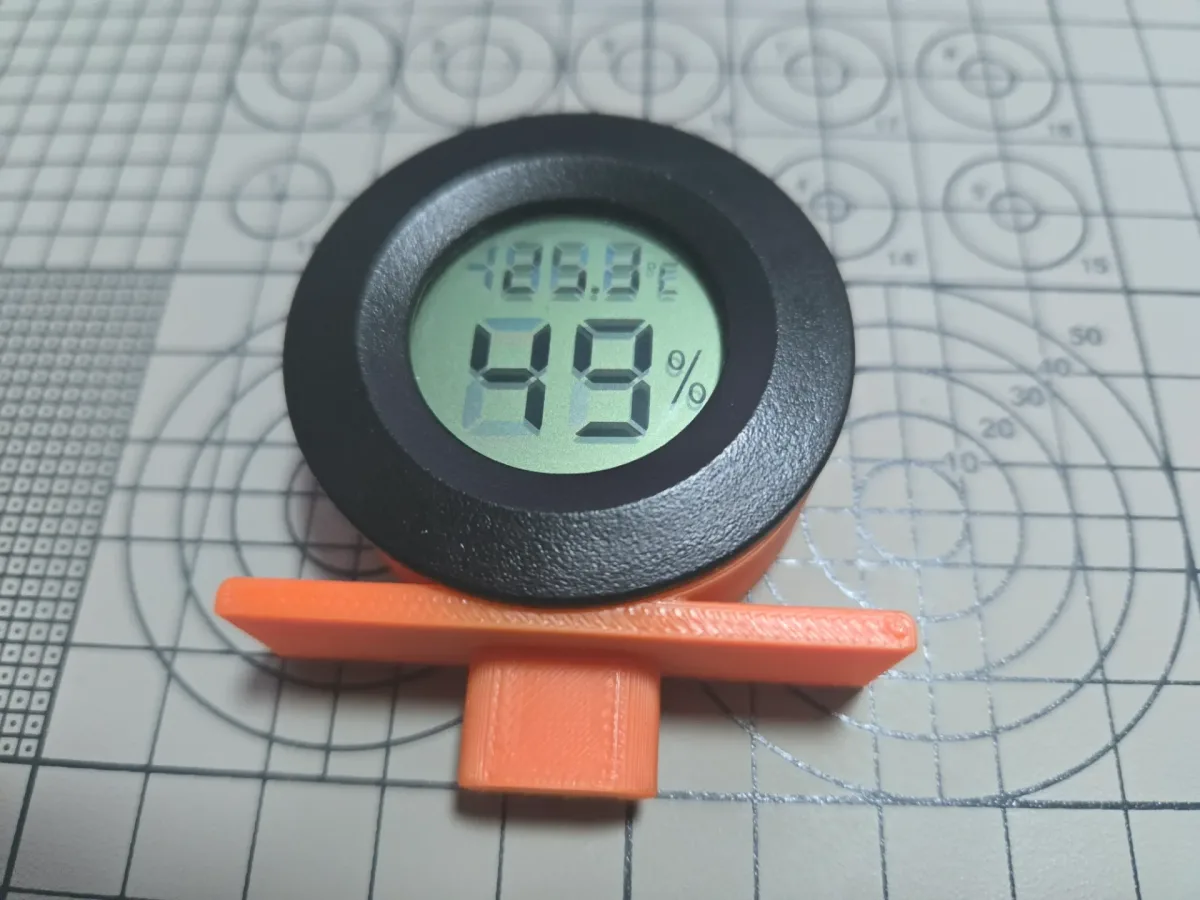
Image source: Bing (Web (fair-use with source credit))
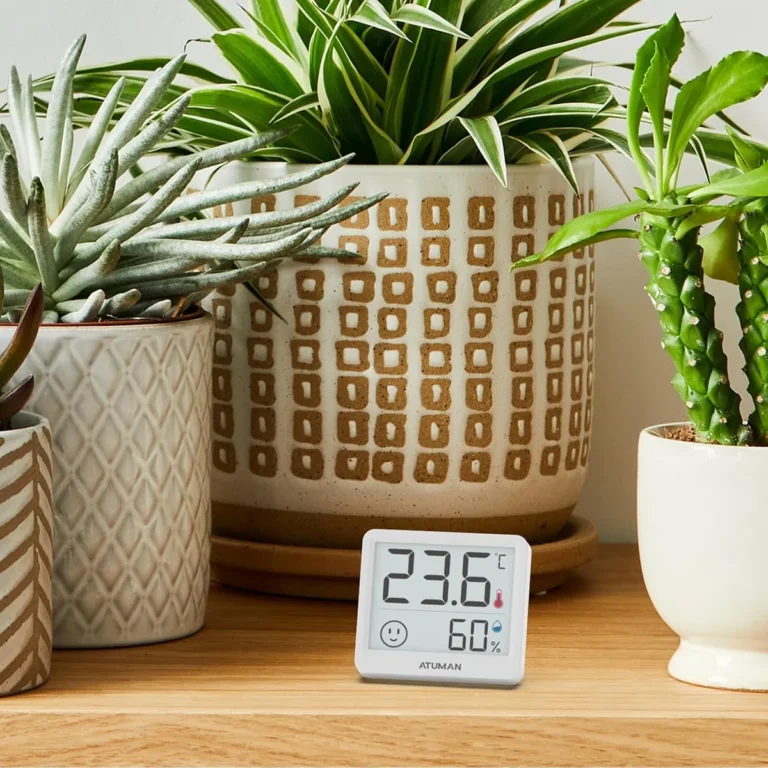
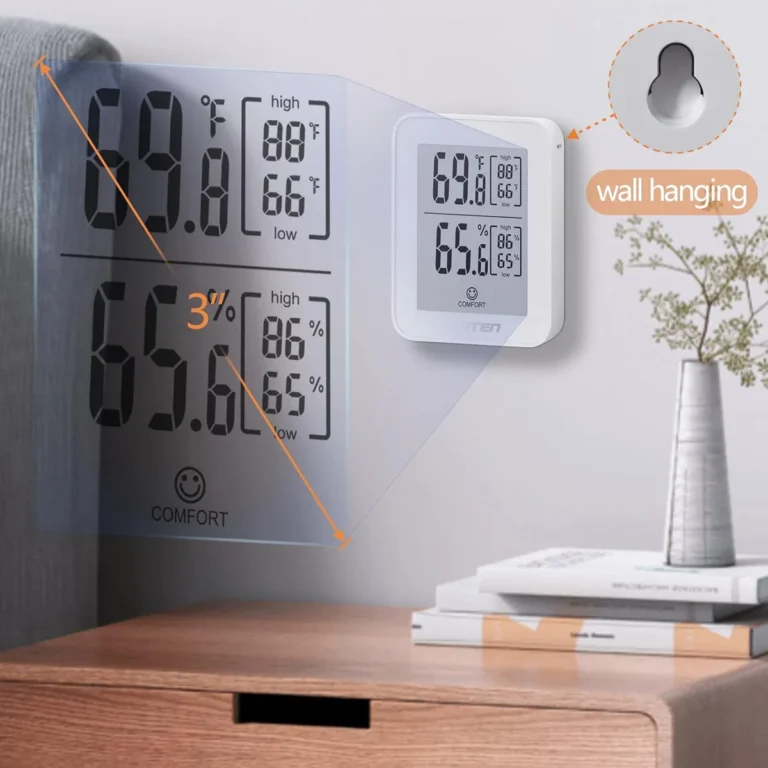
The fix is simple. Mount the hygrometer on an interior wall, about 3 to 5 feet above the floor. Keep it away from vents, windows, plants, and electronics.
Let it sit for 20 to 30 minutes before you trust a new reading.
If you're monitoring a cigar humidor, a guitar case, or a greenhouse, place the device where the actual item lives. A reading from across the room won't match the microclimate inside that space. Proper placement matters just as much as calibration.
Recalibration Habits, Drift, and the Real Cost of Cheap Sensors
Sensor drift isn't a matter of if. It's a matter of when. Capacitive sensors age with every humidity cycle.
Dust slowly contaminates the polymer layer. Even a well-built unit will lose accuracy over time.
Here's the practical schedule:
- Critical use (humidor, guitar case, vaccine storage, mushroom grow): calibrate every 3 months.
- General home monitoring: calibrate every 6 to 12 months.
- Budget sensors under $10: check every 3 months. They drift faster.
Cheap sensors are the real problem. A $6 hygrometer might work fine for a season. Then it quietly starts reporting 60% when the room is actually at 50%.
You won't notice until something warps, molds, or dries out.
| Price range | Typical accuracy | Drift per year | Recalibration needed |
|---|---|---|---|
| Under $10 | ±3% to ±5% RH | Up to ±5% or more | Every 3 months |
| $15 to $40 | ±2% to ±3% RH | ±2% to ±3% | Every 6 months |
| $50+ lab-grade | ±1% to ±2% RH | Minimal, NIST-traceable | Annually |
If you rely on a hygrometer to protect valuables, don't buy the cheapest option. Spend a little more. Set a calendar reminder to recalibrate.
Always run the salt test after any major relocation or sensor exposure to moisture.
Frequently Asked Questions
Here are the questions people ask most about hygrometer accuracy.
How do I know if my hygrometer is accurate?
Run the salt test. Place the hygrometer in a sealed container with a damp salt slurry for 8 to 12 hours. The reading should be 75.3% relative humidity.
If it's close, the device is accurate. If not, calibrate it or replace it.
Are cheap hygrometers accurate when new?
Yes, many budget digital units are fairly accurate out of the box. They often land within their advertised ±3% to ±5% range. The problem is longevity.
Cheap sensors drift quickly. An $8 hygrometer that reads correctly today may be unreliable next year.
How often should I calibrate a hygrometer?
Recalibrate every 6 months for general home use. If you're protecting cigars, instruments, or stored documents, do it every 3 months. High-end lab units with NIST-traceable calibration can go longer.
Annual verification is still smart.
Are smart hygrometers more accurate than analog ones?
Generally, yes. Smart hygrometers use capacitive sensors that start around ±2% to ±3% RH. Analog hair and coil units drift more and are harder to adjust.
Smart features don't prevent drift. Even a Bluetooth-enabled device needs the same salt test.
What does ±3% RH actually mean?
It means the displayed reading can be 3% higher or lower than the true humidity. At 50% actual RH, the device might show 47% or 53%. That's fine for comfort monitoring.
It's risky for a humidor or a wood floor installation.
Can I fix an analog hygrometer that reads wrong?
Sometimes. Look for a small calibration screw on the back. While the device sits in the sealed salt-test bag, turn the screw until the dial reads 75.3%.
If there's no screw, the unit is usually not repairable. Replace it.