Can a Hygrometer Detect Mold
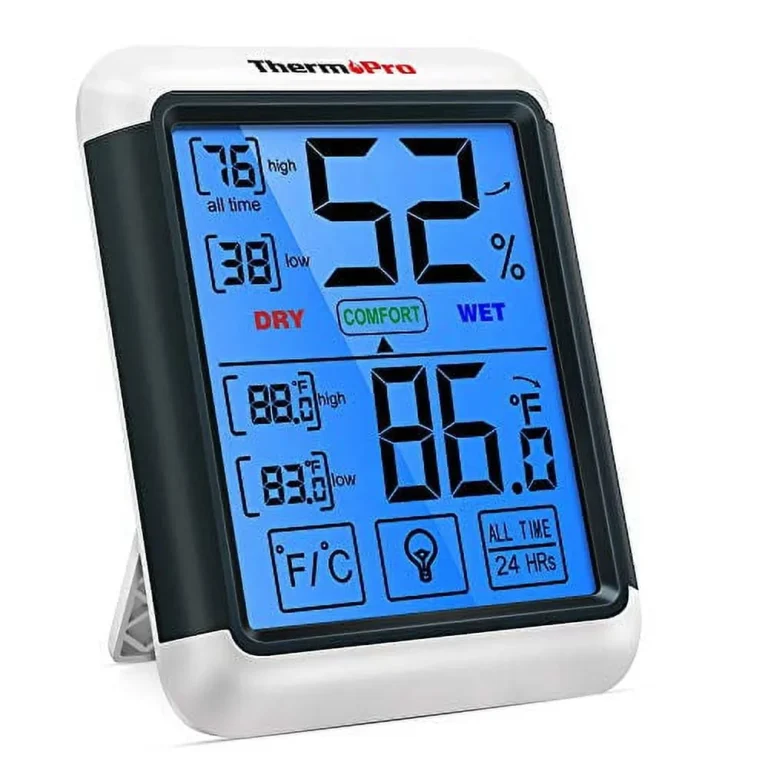
Can a hygrometer detect mold? The short answer is no, but that is not the whole story. A hygrometer measures relative humidity in the air, not mold spores.
It will not tell you if mold is growing behind your walls. But it can warn you when conditions are right for mold to take hold.
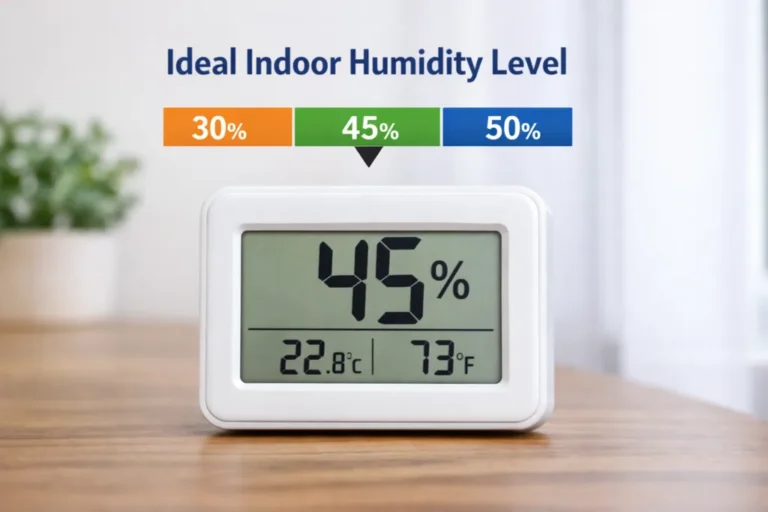
The EPA recommends keeping indoor humidity between 30 and 50 percent to prevent mold growth. When humidity climbs above 60 percent, mold-friendly conditions accelerate. A hygrometer helps you catch those conditions early.
That is before mold becomes a visible problem.
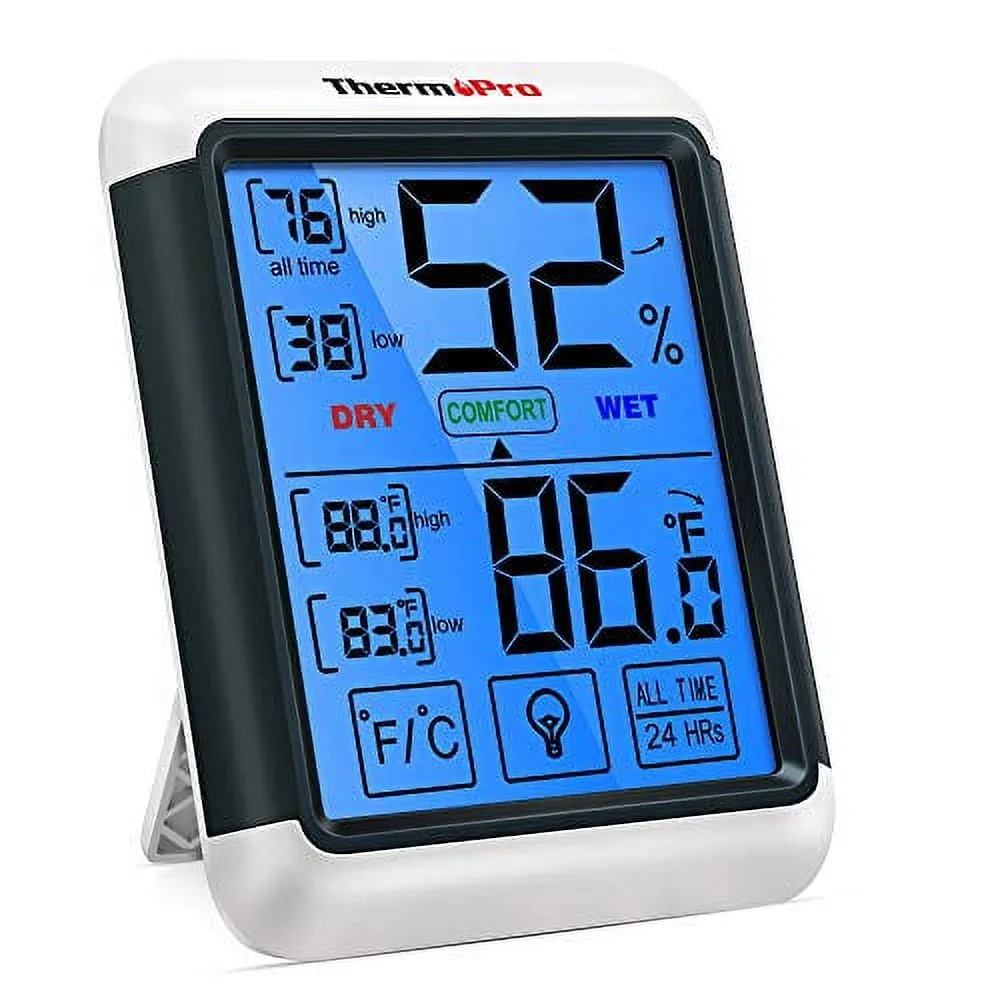
Image source: Bing (Web (fair-use with source credit))
The Quick Answer: No, Your Hygrometer Can't Smell Mold
No, a hygrometer cannot detect mold. It measures moisture in the air. Mold needs moisture to grow.
A hygrometer alerts you when conditions favor mold. That makes it a prevention tool, not a detection tool. Use it to spot risk before mold appears.
Check humidity regularly to stay ahead of problems.
How a Hygrometer Actually Works (And What It Can Tell You)
A hygrometer measures relative humidity. That is the amount of water vapor in the air compared to the maximum it can hold at a given temperature. It is expressed as a percentage.
When you see a reading of 70 percent, the air is holding 70 percent of the moisture it can hold at that temperature.
The sensor inside a digital hygrometer detects changes in electrical resistance or capacitance as moisture levels shift. This is not the same as measuring mold spores. A hygrometer has no way to detect them directly.
But here is what it can tell you. Mold needs three things to grow: a food source, the right temperature, and moisture. You cannot control the first two easily.
You can control moisture. A hygrometer tells you when moisture levels are high enough to support mold growth.
Most indoor environments should stay between 30 and 50 percent relative humidity. Per ASHRAE standards, levels above 60 percent create conditions where mold can thrive. If your hygrometer consistently reads above 60 percent, you have a moisture problem that needs attention.
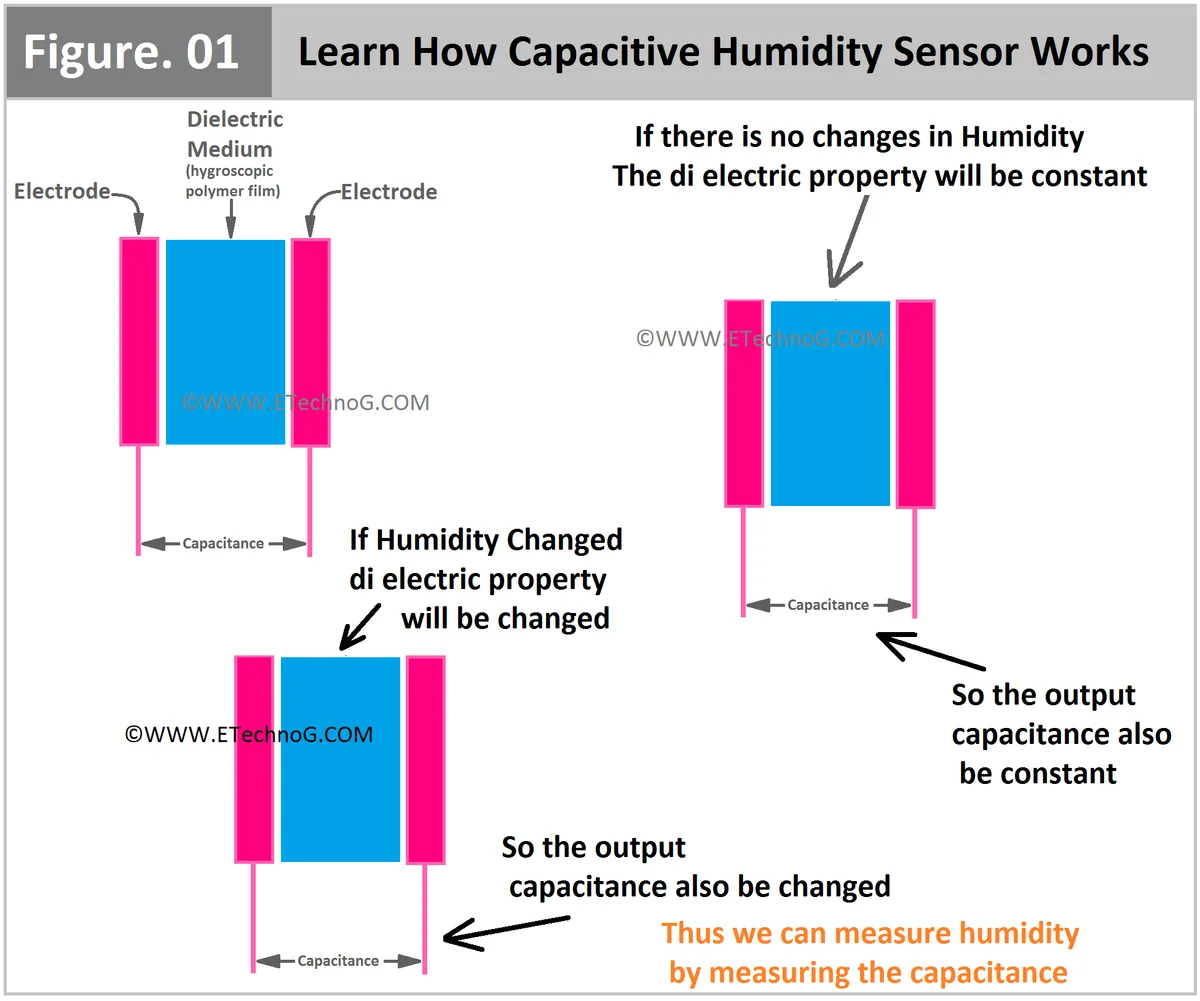
Image source: Bing (Web (fair-use with source credit))
The Decision Tree: What Your Hygrometer Reading Actually Means
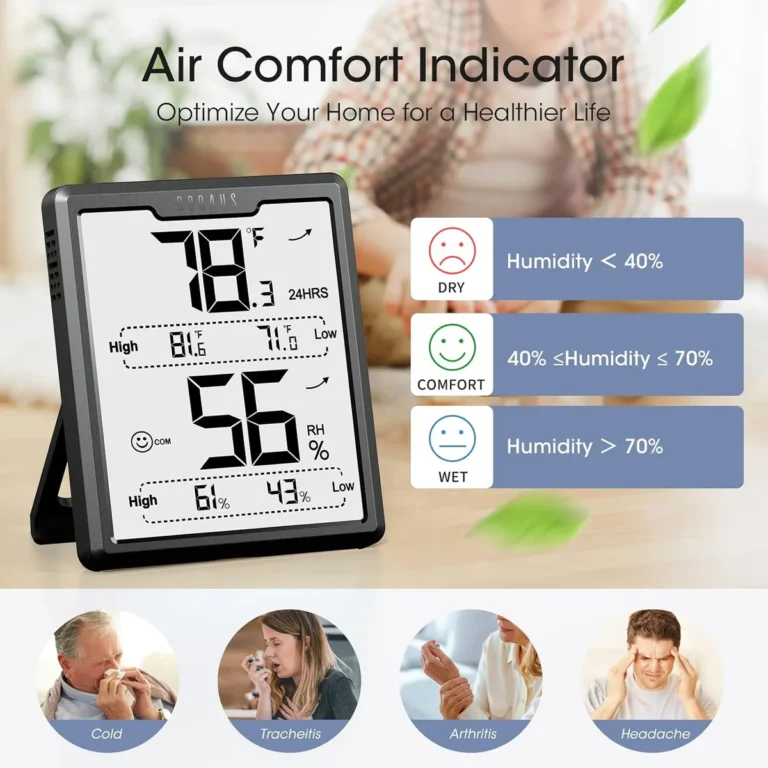
Your hygrometer reading tells you where you stand. Here is how to interpret each range. The table below summarizes the key risks and first steps for each scenario.
| Humidity Reading | What It Means | Mold Risk | First Action |
|---|---|---|---|
| Above 60% | Air is too humid | High | Find moisture source, lower humidity |
| 40-60% | Normal indoor range | Low | Monitor regularly, no action needed |
| Below 40% | Air is dry | None | Consider a humidifier for comfort |
| Fluctuating widely | Possible moisture problem | Medium | Investigate for leaks or condensation |
Your Humidity Reads Above 60% (The Danger Zone)
This is where mold risk is highest. Mold spores need moisture to germinate and grow. At humidity levels above 60 percent, the conditions are right for mold to take hold.
If your hygrometer consistently reads above 60 percent, investigate further. Check for leaks, poor ventilation, or condensation. Look for visible mold, water stains, or musty odors.
Take action quickly to bring humidity down.
Your Humidity Reads Between 40-60% (The Gray Area)
This is the safe zone for most homes. Mold growth is unlikely at these levels. But it is not impossible.
If you have had water damage or a recent leak, mold can still grow even at normal humidity levels. A hygrometer cannot detect that. Use your eyes and nose to check for signs of mold.
If you notice a musty smell, investigate further.
Your Humidity Reads Below 40% (The Dry Zone)
Dry air is not a mold risk. Mold needs moisture to grow. At humidity below 40 percent, conditions are too dry for most mold species.
But dry air can cause other problems. It can irritate your skin, eyes, and respiratory system. It can also damage wood furniture and flooring.
Consider a humidifier if dry air is a problem for you.
The Readings Are Fluctuating Wildly
Rapid changes in humidity can indicate a problem. If your hygrometer jumps from 40 to 70 percent in a few hours, something is wrong. It could be a leak, a ventilation issue, or a change in outdoor conditions.
Track the fluctuations over time. Note the time of day and any activities that might affect humidity. Cooking, showering, and drying clothes can all raise humidity temporarily.
If the fluctuations persist, investigate further.
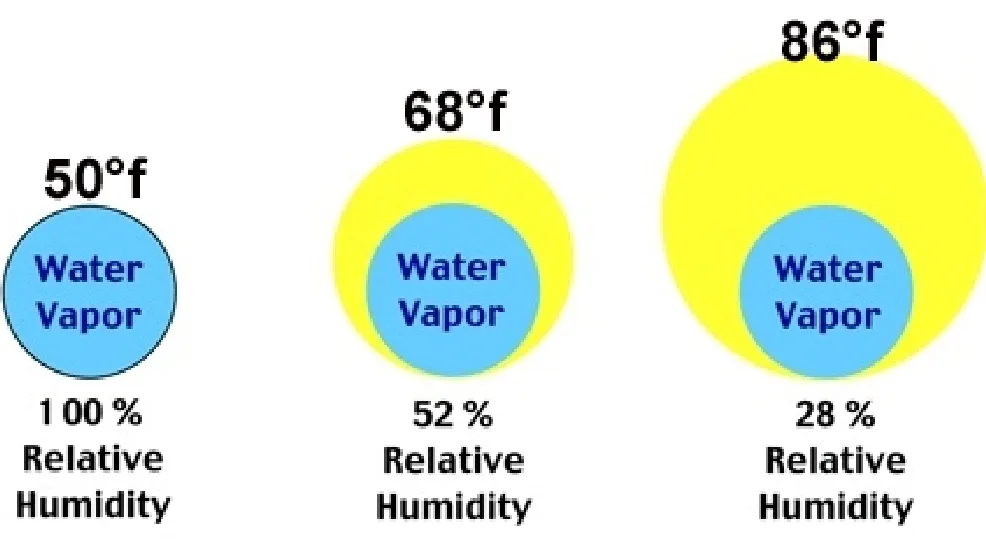
Image source: Web (Bing) / storage.googleapis.com (Web image (fair-use with source credit))
What Should You Do Next? Actionable Steps for Each Branch
Each humidity scenario calls for a different response. Here are the specific steps to take based on your reading.
If your humidity is above 60 percent:
- Find and fix the moisture source. Check for leaks under sinks, around toilets, and near windows.
- Run a dehumidifier in the affected room. Aim to bring humidity below 50 percent.
- Improve ventilation. Open windows when weather permits. Run exhaust fans in bathrooms and kitchens.
- Check for hidden mold. Look behind furniture, in closets, and in crawl spaces.
- Consider a professional mold inspection if you smell musty odors or see staining.
If your humidity is between 40 and 60 percent:
- Maintain your current routine. Your home is in the safe zone.
- Monitor humidity weekly. Seasonal changes can push levels higher.
- Keep an eye on problem areas. Basements, bathrooms, and laundry rooms are prone to moisture.
- Use exhaust fans during and after showers. Ventilate when cooking.
If your humidity is below 40 percent:
- No mold risk here. But dry air has its own issues.
- Use a humidifier if you or your family experience dry skin, sore throats, or static shocks.
- Keep humidity above 30 percent for comfort and health. The CDC notes that dry air can worsen respiratory conditions.
If your readings fluctuate wildly:
- Investigate for intermittent moisture sources. A washing machine, dishwasher, or ice maker could be leaking slowly.
- Check for condensation on windows and pipes. Wipe it away and look for the cause.
- Monitor your hygrometer for a full week. Note patterns. If fluctuations continue, call a professional to inspect for hidden leaks.
Common Mistakes and Why They Will Mislead You
People make predictable errors when using hygrometers for mold prevention. Here are the most common ones and how to avoid them.
Placing the hygrometer in the wrong spot. If you put it near a window, a vent, or a bathroom fan, you will get a false reading. Place it in the center of the room at eye level. Keep it away from drafts and direct sunlight.
Only checking once a day. Humidity changes throughout the day. A single reading can be misleading. Check it at different times and in different seasons.
A spot check in winter might show 35 percent. The same room in summer might hit 70 percent.
Ignoring the temperature. Relative humidity depends on temperature. Warm air holds more moisture than cold air. If your home is cold, the same amount of moisture will produce a higher relative humidity reading.
Always note the temperature alongside your humidity reading.
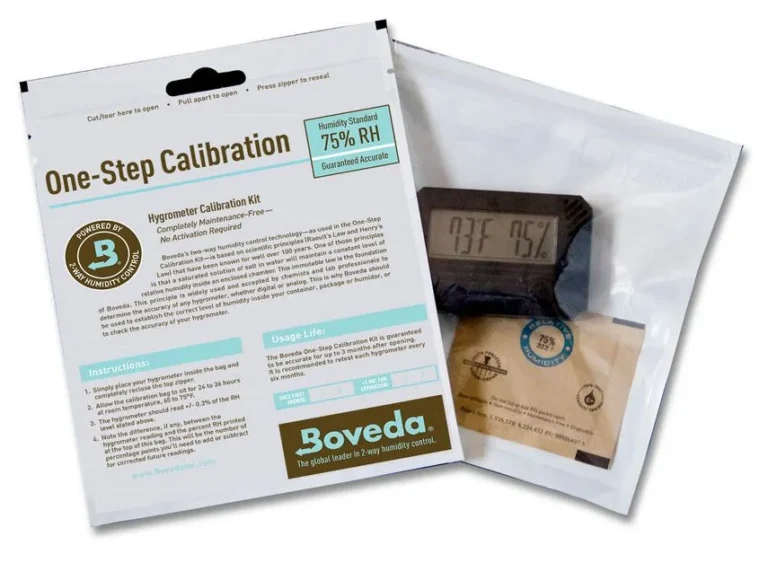
Relying on a cheap hygrometer. Budget models can be off by 5 to 10 percent. That is a big margin when you are trying to stay under 60 percent. Invest in a calibrated digital hygrometer with an accuracy of plus or minus 3 percent or better.
Assuming normal humidity means no mold. Mold can grow even at 50 percent humidity if there is a localized moisture source. A leaky pipe behind a wall can create a damp microclimate. Your hygrometer might read 45 percent in the living room while mold is growing in the wall cavity.
Trust your senses, not just the device.
When a Hygrometer Isn't Enough: Other Tools and Methods
A hygrometer is a great early warning system. But it has limits. When you suspect mold is already present, you need other tools.
Here are the most common options and when to use each one.
A moisture meter measures moisture in materials. It tells you if wood, drywall, or concrete is damp. You press the pins against the surface. The meter gives a reading.
This is useful for finding hidden moisture behind walls or under flooring. A hygrometer measures air. A moisture meter measures materials.
They work well together.
Mold test kits can detect spores in the air. You expose a Petri dish to the air for a set time. Then you send it to a lab. The lab tells you what types of mold are present.
These kits can confirm mold is there. But they cannot tell you exactly where it is growing. They are better for ruling out mold than for pinpointing it.
Professional mold inspections are thorough. A certified inspector uses infrared cameras, borescopes, and moisture meters. They can find mold behind walls, under floors, and in HVAC systems. If you have unexplained health symptoms or a musty smell with no visible source, this is the best option.
The cost ranges from 300 to 600 dollars depending on the size of your home.
Your nose and eyes are still your best tools. A hygrometer cannot smell. It cannot see. If you smell something musty, trust that.
If you see discoloration on walls or ceilings, investigate. A hygrometer gives you data. Your senses give you context.
Use both.
The Final Verdict: Use Your Hygrometer as a Watchdog, Not a Detective
Here is the bottom line. A hygrometer cannot detect mold directly. It measures humidity.
It tells you when conditions are right for mold to grow. That is valuable information. It is not a diagnosis.
Think of it as a watchdog. The watchdog barks when something is wrong. It does not tell you exactly what the problem is.
It just alerts you. Then you investigate. The hygrometer barks when humidity is too high.
Then you look for leaks, condensation, and poor ventilation.
If you use it correctly, a hygrometer can prevent mold before it starts. Check readings weekly. Keep humidity below 50 percent.
Fix problems when they arise. That is the real value of a hygrometer.
But if you already have mold, a hygrometer will not help you find it. You need a moisture meter, a mold test kit, or a professional inspection. The hygrometer is a prevention tool.
Use it for what it is good at.
Frequently Asked Questions About Mold and Humidity
Can a hygrometer tell me if mold is growing behind my walls?
No, it cannot. A hygrometer measures air humidity in the room. It cannot detect mold spores or moisture trapped inside wall cavities.
If you suspect mold behind walls, look for other signs. Musty odors, water stains, or peeling paint are stronger indicators.
What humidity level prevents mold growth?
Keep indoor humidity between 30 and 50 percent. The EPA recommends staying below 60 percent. At 60 percent and above, mold growth accelerates.
A hygrometer helps you stay in the safe zone. Check it regularly, especially during humid seasons.
How accurate are cheap hygrometers?
Budget models can be off by 5 to 10 percent. That is a wide margin for mold prevention. If your cheap hygrometer reads 55 percent, the actual humidity could be 60 or 65 percent.
That is the danger zone. Look for a digital model with an accuracy of plus or minus 3 percent. It is worth the extra cost.
How often should I check my hygrometer?
Check it at least once a week. Better yet, check it at different times of day. Humidity changes with cooking, showering, and weather.
A single daily reading can miss a spike. Seasonal checks are also important. Summer humidity is often much higher than winter.
Can I use a hygrometer to test for mold after a flood?
Yes, but only as a first step. After a flood, check the humidity in the affected area. If it is above 60 percent, you need to dry the area quickly.
Use dehumidifiers and fans. But a hygrometer will not tell you if mold has already started growing. Use a moisture meter on walls and floors.
If you see or smell mold, call a professional.