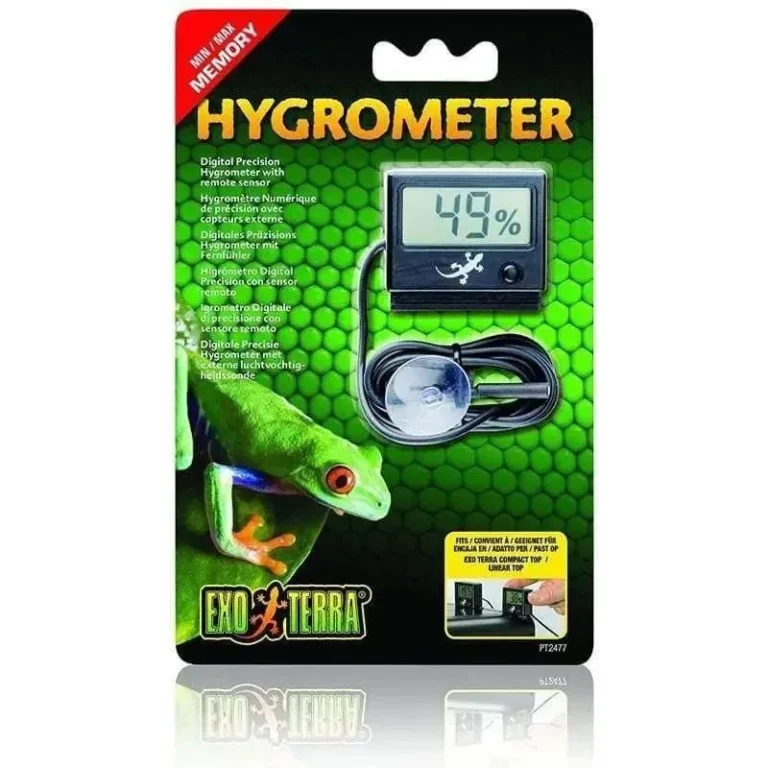
Can a Hygrometer Detect Dampness
Can a hygrometer detect dampness? Yes, but only one specific kind. It reads the moisture in the air, not the water trapped inside your walls, floors, or ceiling.
If you're trying to find rising damp in your floorboards, a hygrometer will leave you guessing.
In our research into humidity monitoring, a simple truth emerged. The device sold as a "damp detector" at the home center is rarely the right tool for the job. As of 2026, the [U.S.
Environmental Protection Agency](https://www.epa.gov) recommends keeping indoor relative humidity between 30 and 50 percent. A hygrometer tells you where you sit on that scale. It stops there.
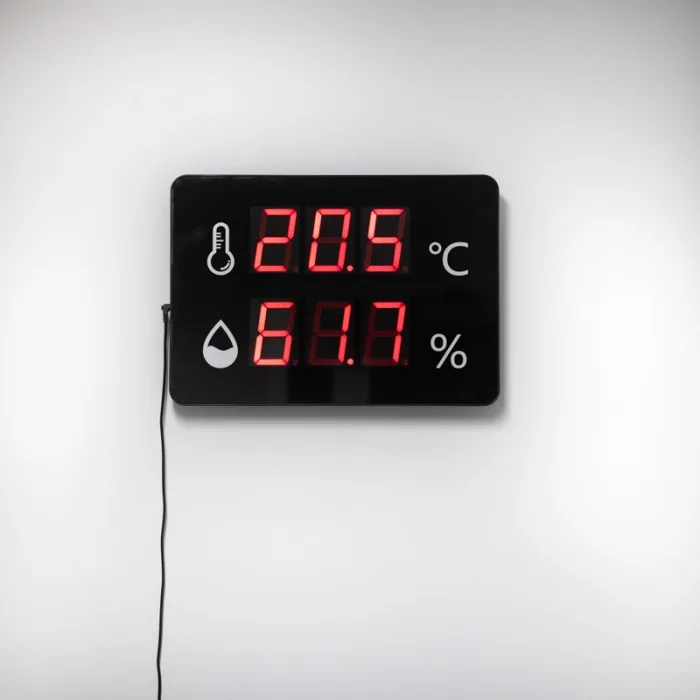
Image source: Bing (Web (fair-use with source credit))
Quick Answer: Yes, But Only for Air Dampness
Can a hygrometer detect dampness? Only in the air. It measures relative humidity, not trapped moisture in building materials.
For wall, floor, or ceiling dampness, you need a moisture meter. A hygrometer helps prevent problems by warning you before conditions get bad. It detects risk, not existing damage.
Core Facts: How a Hygrometer Measures Humidity
A hygrometer is a weather station for your room. It measures relative humidity, which is the percentage of water vapor in the air compared to the maximum it can hold. At 100 percent RH, air saturates and water condenses on cold surfaces.
That's when windows fog up and mold finds a place to grow.
Most digital hygrometers use a capacitive sensor. A thin polymer layer absorbs water vapor and changes its electrical charge. The chip converts that charge into a reading.
Analog versions use a coiled hair or metal strip that expands and contracts. Both work, but digital units hold better accuracy over time.
Here's the critical limit. The sensor only sees what floats in the air. It has no idea what's happening inside a brick wall, under a laminate floor, or behind plaster.
This is a core product limitation. The device touches air, not surfaces.
Manufacturer specs typically state an accuracy range of ±2 to ±5 percent relative humidity. Calibration drifts over time, especially in analog units. For daily room monitoring, that's fine.
For diagnosing a damp problem, you need a different tool.
Air Dampness vs Structural Dampness
This is where people get tripped up. "Dampness" is one word, but it describes two very different problems.
Air dampness is excess water vapor in your indoor environment. You feel it when a room gets sticky. You taste it in that stale basement smell.
Structural dampness is liquid water inside building materials. A leaking pipe saturating plaster. Rising damp climbing through brickwork.
Groundwater pushing against your foundation.
A hygrometer only reports on the first condition. It reads air humidity, not wood moisture content or brick porosity. Here's what that means in practice.
A burst pipe soaking your subfloor can happen while your hygrometer reads a perfect 45 percent RH. The air in the room is fine. The wood underneath is not.
That's why professional surveyors carry a different tool. Moisture meters use electrical resistance or capacitance to check the actual material. Pin-type meters press two electrodes into wood or plaster and measure how easily current flows.
Wet materials conduct electricity better than dry ones. Pinless meters scan beneath the surface without leaving holes.
The image below shows the critical contrast. A hygrometer sits in the air, measuring the left side. A moisture meter touches the wall, checking the right.
Image source: Web (Bing) / freestockphotos.biz (Web image (fair-use with source credit))
Using a Hygrometer Correctly
Placement matters more than the quality of the device. A hygrometer sitting on a radiator sill, beside a kettle, or in direct sunlight gives you a reading that only reflects that one corner. Mount it at chest height on an interior wall.
Keep it away from heat sources, air vents, and windows. The air circulates normally, and the reading means something.
Give it time. Humidity sensors don't respond instantly like thermometers. Wait 15 to 30 minutes after placing the device before trusting the number.
Calibration is a real issue, especially with budget models. Digital hygrometers can drift. One reliable check is the salt test, a method consistent with NIST humidity calibration practice.
Place a tablespoon of table salt in a shallow bowl. Add a few drops of water until the salt is damp but not dissolved. Seal the bowl and hygrometer in a plastic bag.
At room temperature, the air inside should settle at 75 percent relative humidity. If the device reads something else, some models let you adjust. Ones that can't be adjusted aren't reliable for damp diagnosis.
Now consider readings over time. One snapshot tells you almost nothing. You want to see the direction of your humidity over a week.
Take readings on a rainy Tuesday and compare them to a dry Sunday. Patterns emerge. Those patterns tell you more than any single number.
Common Mistakes That Give False Confidence
The biggest problem with a hygrometer isn't the device. It's what people do after they look at the reading.
One common error: treating normal air humidity as proof that your home is dry. That logic falls apart when you have cold spots, poor ventilation, or hidden leaks. The air can be balanced while the structure is damaged.
Another mistake: putting the device in the wrong place and acting on that single data point. The hallway, the bathroom, and the bedroom all produce different readings. One number doesn't represent your whole house.
Then there's the threshold problem. People watch a hygrometer climb to 65 percent and figure they're fine. But mold and damp processes don't wait for extreme readings.
Sustained RH above 60 percent already puts you in the risk zone. Repeated condensation on windows creates the wet materials mold needs to settle.
Here's a quick checklist for better results:
- Place the device in the room that worries you most, not the hallway
- Feel for cold spots on walls with your hand
- Log readings twice a day, morning and evening
- Check behind furniture, curtains, and wardrobes for condensation
- Combine the hygrometer reading with visual inspection
If your eyes tell you damp is present and the meter says otherwise, trust your eyes. The tool only measures the air. It can't measure what you can already see.
Danger Signs: Humidity Thresholds and Mold Risk
Know the numbers that matter. Sustained humidity above 60 percent is the threshold mold specialists watch. At that level, the air carries enough water vapor to feed mold, dust mites, and dry rot.
A hygrometer rarely sounds an alarm. You have to set your own thresholds. If your device shows 70 percent or higher for more than a few days, your ventilation or dehumidification isn't keeping up with the moisture your household produces.
Condensation is the visible warning sign. It appears when humid air touches a cold surface, typically a window, an exterior wall, or a corner with poor airflow. That film of water feeds the mold you see later on sills and in corners.
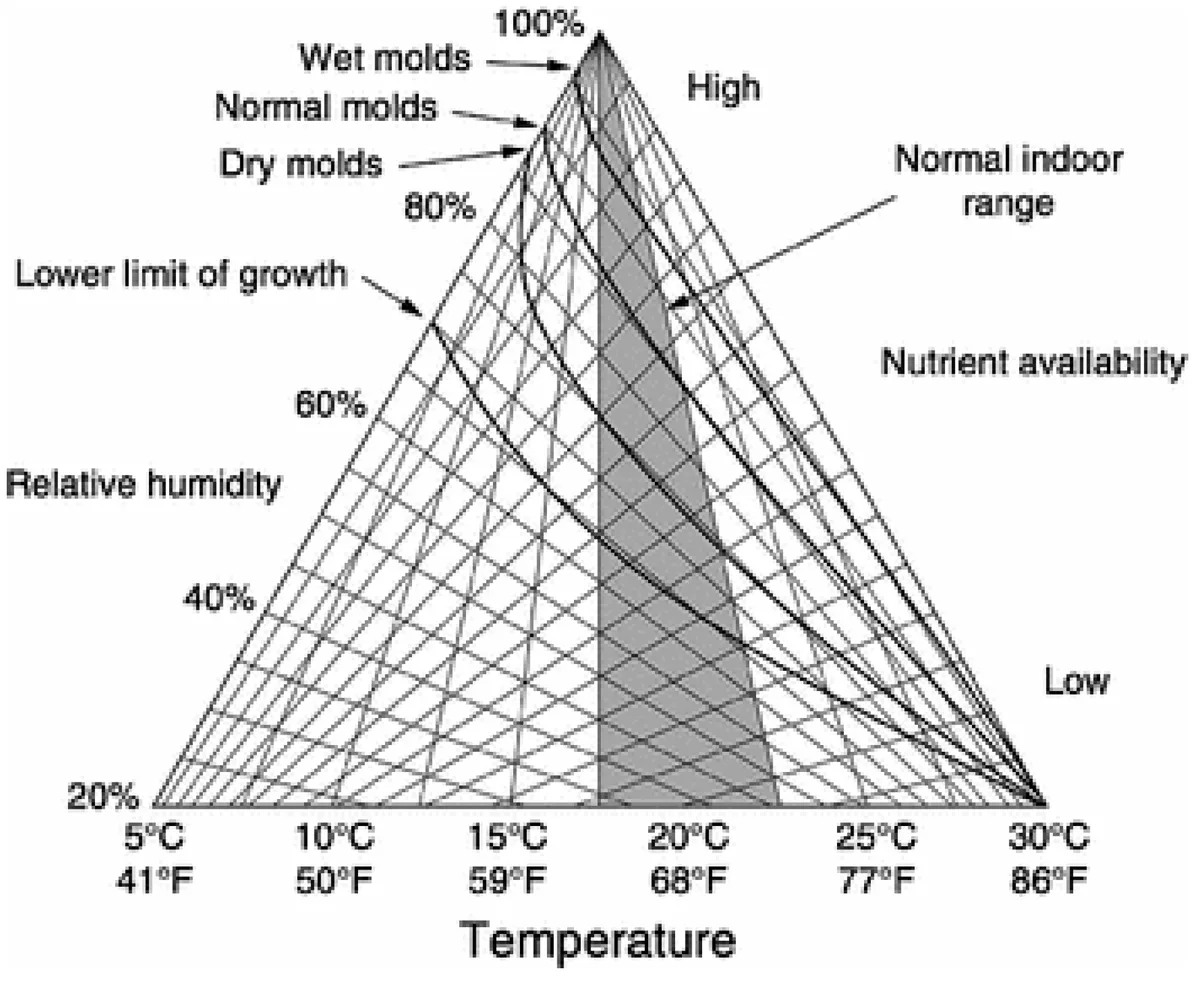
Image source: Bing (Web (fair-use with source credit))
Watch for these signs alongside your hygrometer readings:
- Readings above 60 percent that don't drop when you ventilate
- Condensation on windows more than a few mornings a week
- A musty smell with no visible damp
- Damp patches that change size with the weather
- Mold spots in corners, behind furniture, or under sinks
A hygrometer can't spot any of these. Only your eyes can. Use the tool to measure the air, then look for the consequences in your home.
When to Call a Professional
Here's the rule that separates prevention from diagnosis. If your hygrometer reads high but you can't find the source, call a professional. If your hygrometer reads fine but you can see or smell damp, also call a professional.
The tool surveyors use is a moisture meter. Pin-type models push two electrodes into plaster, wood, or flooring and measure electrical resistance. Wet materials conduct electricity far better than dry ones.
Pinless models scan a shallow area without leaving holes.
Some situations demand professional judgment. Rising damp in brick or stone walls needs a surveyor's diagnosis. A leak concealed inside a cavity wall or under a concrete slab will hide from any handheld tool.
Mold growth covering more than a square meter can indicate a bigger contamination issue.
If you have persistent condensation, a damp smell, or visible growth that keeps coming back, the World Health Organization advises addressing the moisture source rather than just the symptoms. A hygrometer tells you when the air is part of the problem. It can't tell you where the water is coming from.
Expect a professional damp survey to cost between $200 and $500 depending on your location. That's a fraction of the price of ignoring a structural leak.
Frequently Asked Questions
Can a hygrometer detect damp in walls?
No. A hygrometer only measures relative humidity in the air. It cannot detect moisture inside walls, floors, or ceilings.
To check building materials, you need a moisture meter that measures electrical resistance. Use a hygrometer to monitor air moisture and a moisture meter to inspect suspect areas.
What is a normal humidity reading in a home?
Most experts recommend keeping indoor relative humidity between 30 and 50 percent. Readings above 60 percent sustained over days raise mold and condensation risk. Below 30 percent, air feels dry and can irritate skin and sinuses.
Comfortable homes typically sit around 40 to 50 percent.
What's the difference between a hygrometer and a moisture meter?
A hygrometer measures water vapor in the air. A moisture meter measures water content in solid materials like wood, drywall, and concrete. Hygrometers are for monitoring environmental conditions.
Moisture meters are for diagnosing damp problems. They serve different purposes, so many professionals carry both.
What should I do if my hygrometer reads above 60 percent?
Ventilate the room first. Open windows, run extractor fans in bathrooms and kitchens, and use a dehumidifier if needed. Dry laundry outdoors or in a vented dryer to avoid adding more moisture.
Take fresh readings over the next few days. If levels stay high, look for leaks, rising damp, or structural issues.