What Humidity Is Too Low Indoors
You've been dealing with static shocks, dry skin, and that raw throat feeling every morning. So let's answer the question: what humidity is too low indoors? The direct answer is anything below 30 percent relative humidity.
But understanding why and what to do about it takes a bit more explanation.
Per ASHRAE standards, the recommended indoor humidity range for comfort and health is 30 to 60 percent. Below 30 percent, problems start showing up in your body and your home. In our research, we've seen homes where indoor RH dropped to 15 percent during cold snaps.
Let's get into the specifics.
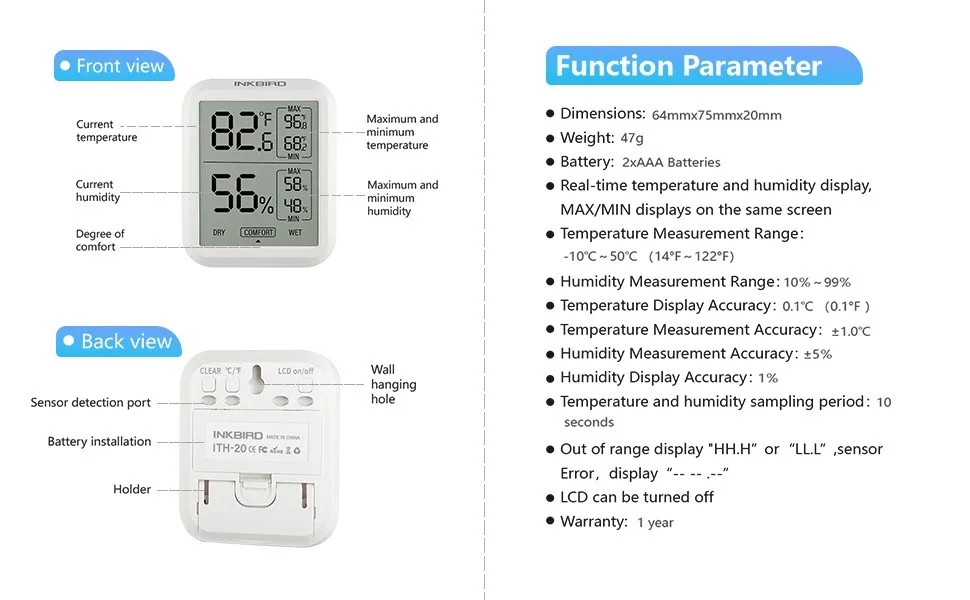
Image source: Bing (Web (fair-use with source credit))
The Short Answer: When Humidity Drops Below 30%
Indoor humidity below 30 percent is too low. That's the number to remember. It causes health problems and home damage.
The target range is 30 to 50 percent. Stay above 30 percent and you're safe.
What's Actually Happening Inside Your Home
Cold outdoor air holds very little moisture. When that air enters your home and gets heated to 70 degrees, its relative humidity plummets. Here's what happens step by step.
Outside air at 30 degrees might have 80 percent relative humidity. That sounds moist. But when you heat that same air to 70 degrees indoors, the relative humidity drops to around 15 percent.
The actual amount of water vapor hasn't changed. The air simply has a much higher capacity to hold moisture now.
That's why winter is the dry indoor season. Your heating system works hard to warm the air. But it doesn't add moisture.
In fact, forced air systems can make the problem worse by blowing hot air past any moisture sources and evaporating them faster.
How well your home is sealed matters too. Leaky windows and doors let dry outdoor air in. Well-sealed homes hold moisture better.
Older homes with drafty windows lose humidity faster. Newer homes with tight construction and vapor barriers tend to hold moisture longer.
The result is a home that acts like a sponge. It pulls moisture from everything it touches. That includes your skin, your nasal passages, your wooden furniture, and your flooring.
The air is literally stealing moisture from the materials around it.
Why Low Humidity Is a Legitimate Health and Home Risk
Low humidity below 30 percent affects your body in measurable ways. The most common symptoms show up fast.
Your skin becomes dry and itchy. Cracked lips and cuticles are standard. Nosebleeds happen more often because nasal membranes dry out and crack.
You wake up with a sore throat because your airway loses moisture overnight. Contact lens wearers report eye irritation and discomfort.
Respiratory risks increase as well. The cilia in your airways rely on a thin layer of mucus to trap and move particles. Dry air thickens that mucus and slows the cleaning process.
That makes it easier for viruses and bacteria to settle in. Research from the EPA confirms that maintaining proper indoor humidity supports respiratory health.
Your home takes damage too. Wood floors shrink and develop gaps between planks. Furniture joints loosen as the wood dries and contracts.
Acoustic guitars and pianos go out of tune and can crack. Wallpaper peels at the edges. Paint can flake off drywall.
Static electricity becomes a nuisance. You get shocked every time you touch a doorknob or pet your cat. That's not just annoying.
It can damage sensitive electronics. It also means the air is dry enough to hold a strong charge.
The risks compound over time. A week of low humidity causes minor discomfort. Months of low humidity cause real damage to your home and your health.
How to Accurately Measure Your Indoor Humidity
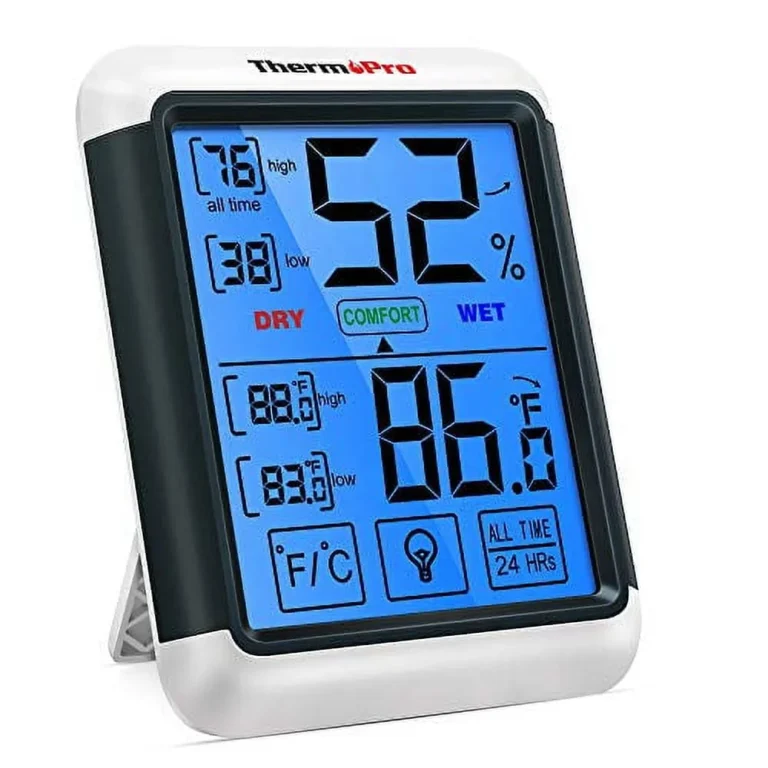
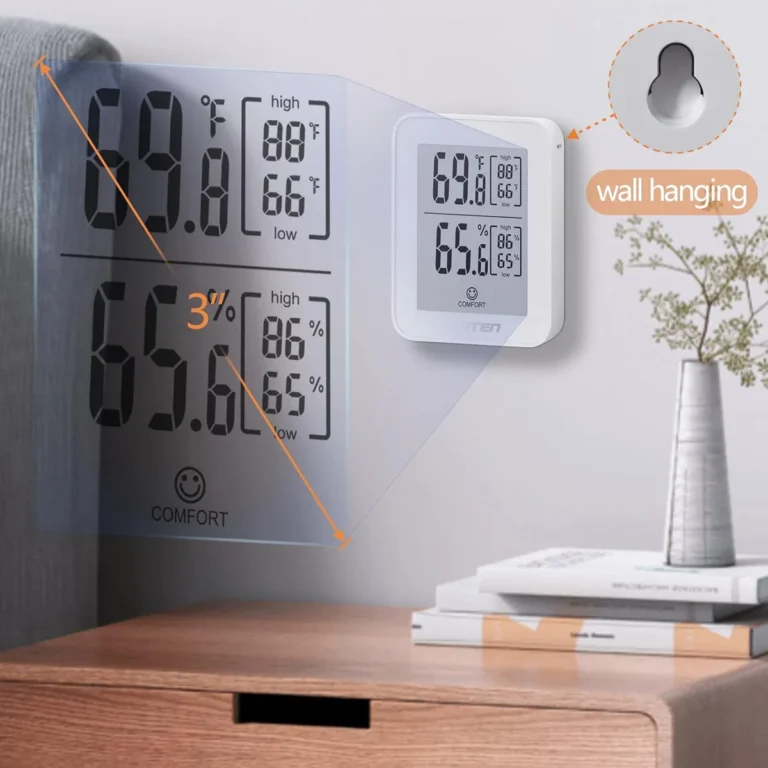
You need a hygrometer. That's the only way to know your actual humidity level. Guessing doesn't work because your body adapts slowly to dry conditions.
Digital hygrometers are more accurate than analog ones. Look for a model with accuracy of plus or minus 5 percent or better. Most digital units cost between 10 and 30 dollars.
They're cheap insurance for a serious problem.
Place the hygrometer in the room where you spend the most time. The living room or bedroom is a good choice. Keep it away from direct sunlight, heating vents, and exterior walls.
Those spots give false readings.
Take readings at different times of day. Humidity fluctuates. Morning readings after cooking or showering will be higher.
Afternoon readings when the heat has been running all day will be lower. Average the readings to get a true picture.
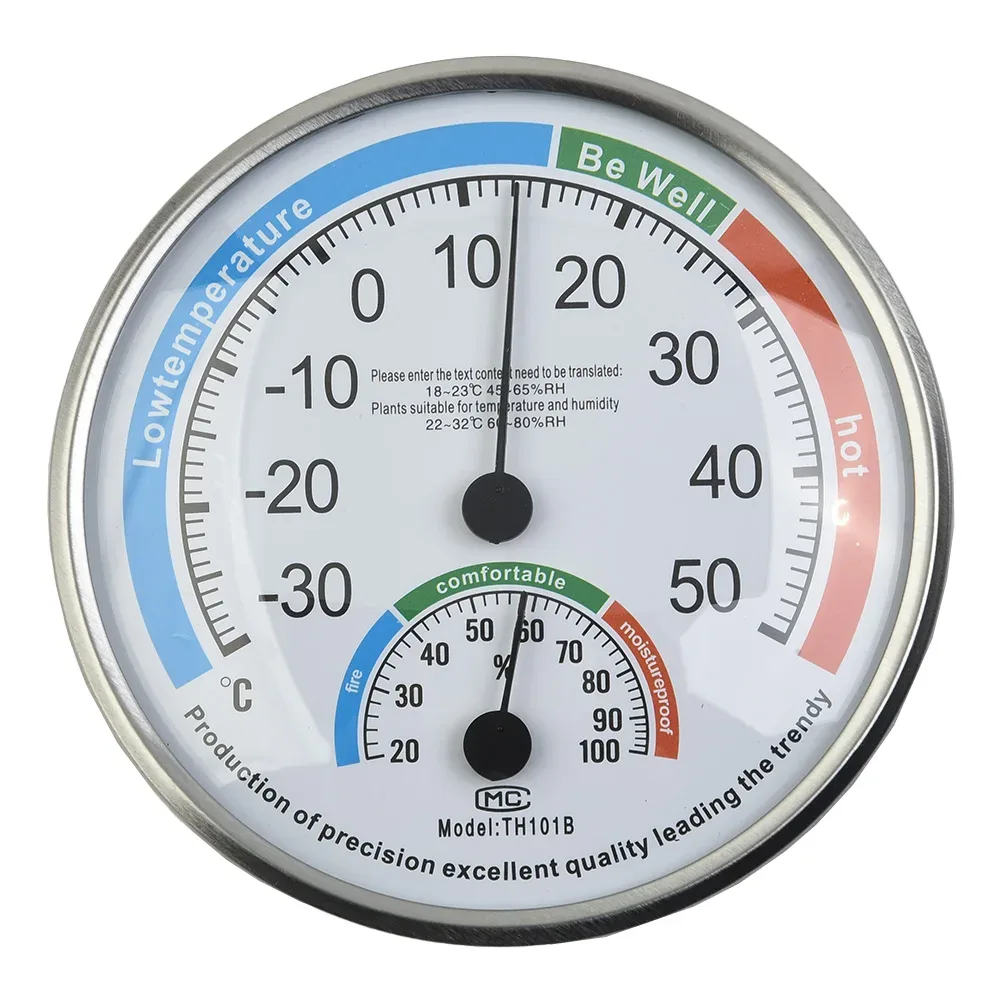
Image source: Bing (Web (fair-use with source credit))
Some hygrometers let you log data over time. That's helpful for spotting trends. You can see if your home dips below 30 percent daily or only on the coldest days.
If you want to check accuracy, use the salt test. Place the hygrometer in a sealed bag with a small cup of wet salt. The humidity inside the bag should stabilize at 75 percent.
If your unit reads differently, you know the offset.
How to Safely Raise Humidity Without Causing Other Problems
The safest way to raise indoor humidity is with a humidifier. But you have to do it right. Adding too much moisture creates its own set of problems.
Whole house humidifiers attach to your HVAC system. They distribute moisture evenly throughout your home. They cost more upfront but require less daily maintenance.
Portable humidifiers work for single rooms. They're cheaper but need regular refilling and cleaning.
Set your humidistat to 40 to 45 percent. That's the sweet spot. It keeps you comfortable without risking condensation on windows.
If you see fogging on your windows, your humidity is too high. Back it down.
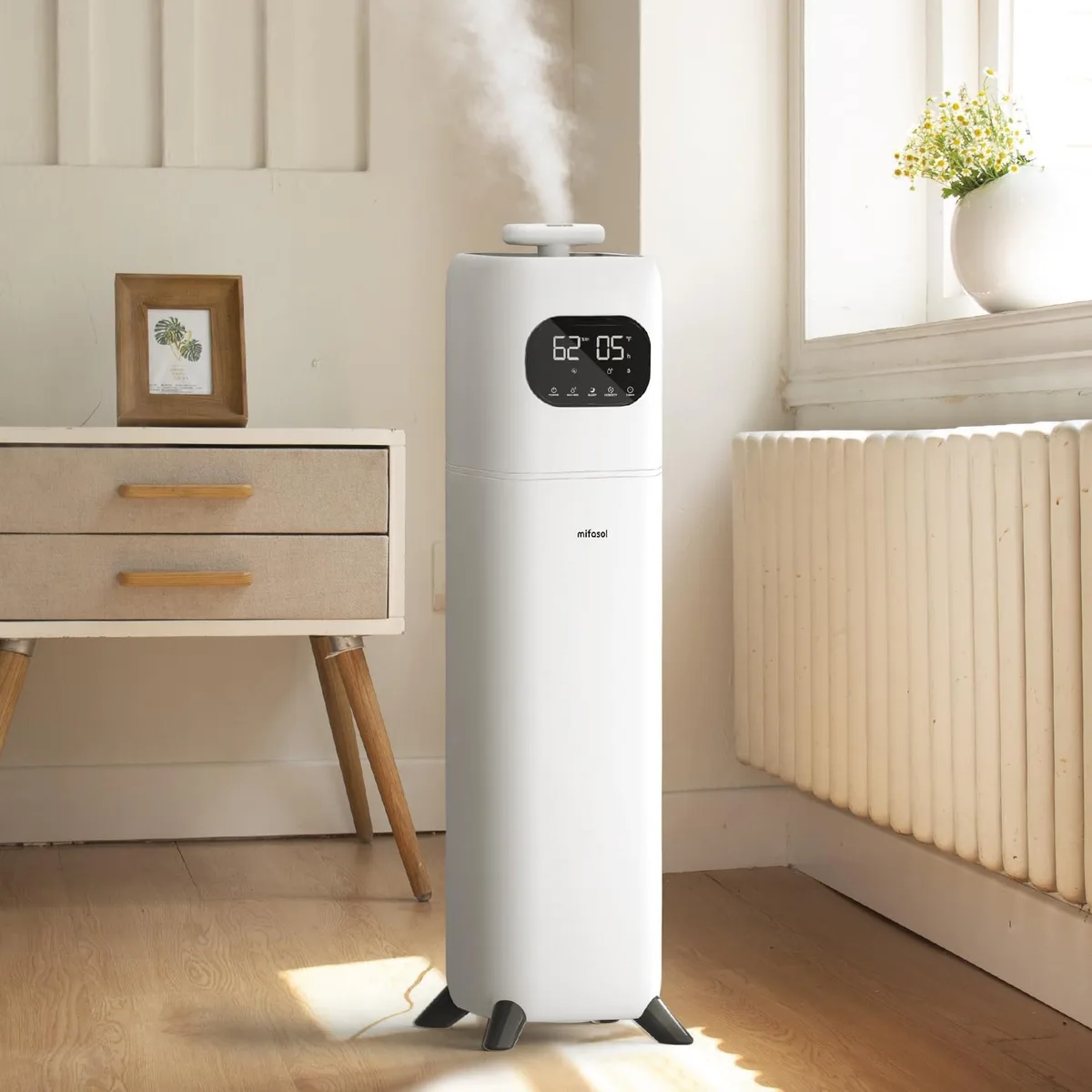
Image source: Bing (Web (fair-use with source credit))
Clean your humidifier regularly. Standing water grows bacteria and mold. Ultrasonic models can release white mineral dust into the air if you use tap water.
Use distilled water or clean the unit weekly with vinegar.
You can also raise humidity without a humidifier. Simmer a pot of water on the stove. Leave the bathroom door open after a shower.
Hang wet laundry to dry indoors. Add houseplants to rooms. These methods are small but help in mild cases.
Monitor your humidity level as you add moisture. Check it twice a day. Stop when you consistently hit the 40 to 45 percent range.
Going above 60 percent invites mold, dust mites, and condensation damage.
The risk of over humidifying is real. Mold grows fast in damp conditions. It damages walls, triggers allergies, and creates a smell you don't want.
Slow and steady is the right approach.
Common Mistakes People Make With Low Humidity
The biggest mistake is overcorrecting. People see low readings and crank the humidifier to max. That pushes humidity past 60 percent, where mold takes hold.
Slow and steady wins this race.
Other common errors show up just as often:
- Trusting a single hygrometer reading. Place the device away from vents, windows, and bathrooms. A reading near the stove or shower will lie to you.
- Checking only one room. Bedrooms and basements run different levels than the living room. Test each room you use daily.
- Forgetting that outdoor cold shifts indoor RH. A sudden freeze can drop your humidity 8 to 10 points overnight. Adjust your humidistat every few days, not once in December.
- Using tap water in ultrasonic humidifiers. The white mineral dust it spreads coats furniture and clogs filters. Distilled water avoids the mess.
- Skipping humidifier cleanings. Standing water grows bacteria and mold within days. A weekly vinegar rinse keeps the unit safe.
The theme here is measurement and maintenance. If you don't measure regularly, you'll chase your tail. If you don't clean the equipment, you'll trade one problem for another.
Real Scenarios: When Low Humidity Hits Different Homes
These mistakes play out differently depending on where you live. Here's what actually happens in three very different homes.
A Drafty Ranch in Minneapolis
Outside temperatures hit 5 degrees. This 1960s ranch could only hold 18 percent indoor RH. Floorboards gaped at the seams, and the homeowner's daughter dealt with weekly nosebleeds.
A whole-house humidifier with a humidistat set to 42 percent turned things around. They also sealed the worst window drafts. Within two weeks, indoor RH stabilized above 35 percent.
A Modern Apartment in Denver
The heating system ran almost nonstop. Indoor RH read 11 percent at night. Static shocks came from every doorknob, and the resident woke with a raw throat daily.
A small ultrasonic humidifier in the bedroom brought that room to 38 percent by morning. It needed daily refilling, but the relief was immediate. Headaches and scratchy eyes faded in days.
A New Home in Seattle
A cold snap dropped indoor RH to 24 percent. The baby's eczema flared up badly. Medical guidance recommends keeping indoor RH between 30 and 50 percent for sensitive skin.
The family ran a cool mist humidifier in the nursery, dialed to 43 percent. Within a week, the eczema flare calmed down. No condensation appeared on the windows.
Frequently Asked Questions
What humidity level is too low indoors?
Indoor humidity below 30 percent relative humidity is too low. This causes dry skin, throat irritation, nosebleeds, static shock, and wood damage. The ideal target range is 30 to 50 percent.
Use a hygrometer to verify your actual level before making changes.
What are the first signs of low humidity in a house?
Static shocks on doorknobs and clothing are usually the first clue. Then comes dry, itchy skin and chapped lips. You may notice nosebleeds and a scratchy throat in the morning.
Wood floors start showing small gaps. A hygrometer reading below 30 percent confirms it.
Can low indoor humidity make you sick?
Yes, in a real sense. Dry air dries out your nasal passages, which reduces their natural defense against viruses and bacteria. It also aggravates asthma, allergies, and eczema.
Contact lens wearers often feel eye discomfort. Keeping humidity at 40 to 50 percent helps your airways stay healthy.
How long does it take to fix low indoor humidity?
You'll notice relief within hours of turning on a humidifier. Your skin and throat feel better that same day. Wood and drywall absorb moisture more slowly.
It takes several days or weeks for gaps in flooring to close. Monitor your hygrometer and adjust slowly to avoid over-humidifying.