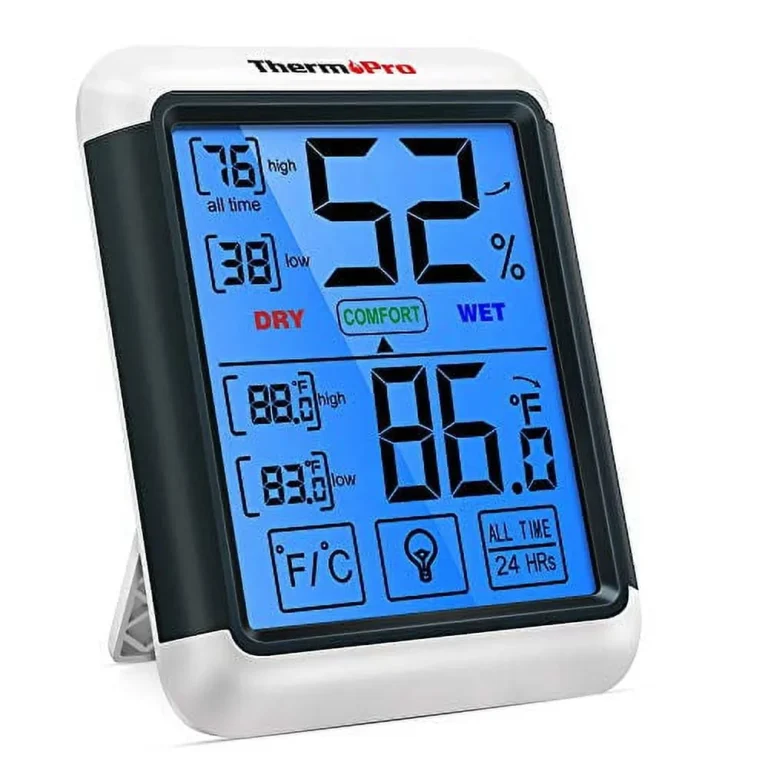
Digital vs Analog Hygrometer Which Is Better
Do you actually need a hygrometer, or do you just think you do? Maybe you're checking a cigar humidor, a reptile tank, or a room that feels stuffier than it should. Either way, the digital vs analog hygrometer which is better question gets thrown around a lot, and the honest answer is: it depends on what you're measuring.
Here's what we found digging through manufacturer specs and calibration research. Digital hygrometers typically claim accuracy within ±1% to ±2% relative humidity, while quality analog units run closer to ±3% to ±5%. The gap seems small on paper.
In real-world use, it changes everything.
Quick Answer
Digital hygrometers are more accurate and faster. Analog hygrometers are cheaper and never need batteries. For most people, a digital hygrometer is the better choice.
Pick analog only for low-stakes, humidor-style storage where you just need a rough ballpark. That's the short version.
Why This Comparison Actually Matters
Humidity isn't just a comfort thing. It's a preservation thing. Too much moisture in your home can feed mold, warp wood flooring, and make your windows weep with condensation.
Too little dries out sinuses, cracks guitar tops, and wrecks cigars worth more than your dinner.
That's why the tool you use to measure it actually matters. If you're protecting something valuable, whether that's an instrument, a collection, or your own respiratory health, a reading that's off by 5% is worse than no reading at all. It gives you false confidence.
Think about a vintage acoustic guitar. A relative humidity swing from 45% to 60% can cause the top to swell or the bridge to lift. An analog dial reading 55% when the room is actually holding at 62% might keep you from realizing the problem until damage sets in.

Image source: Bing (Web (fair-use with source credit))
Digital sensors don't just measure more precisely. They measure faster. Most respond in under a minute, while analog coils can take an hour or more to settle.
If you're dialing in conditions and waiting for readings, speed becomes part of the decision. So does the fact that digital meters typically cost between $10 and $25, not much more than their mechanical cousins.
How Digital Hygrometers Work (and What They're Good At)
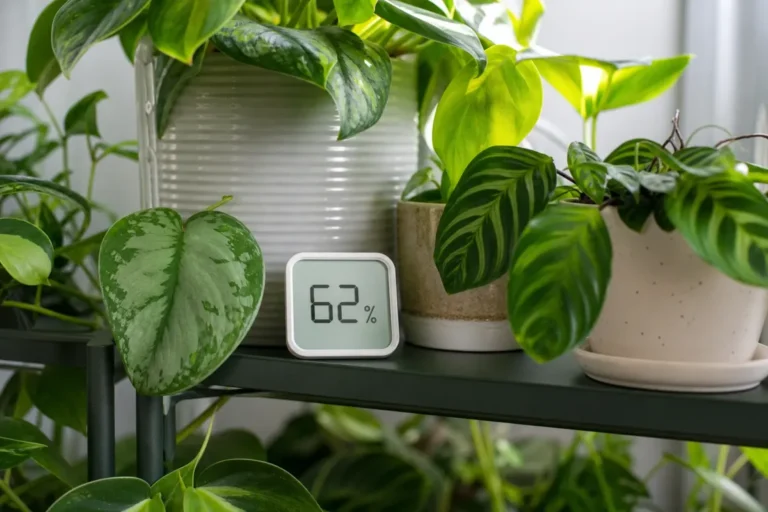
Digital hygrometers use a capacitive sensor that measures how much water vapor is in the air. The sensor's electrical properties change as humidity rises and falls, and the chip turns that into a precise number on an LCD screen.
That's the short version. The practical part is what they give you: instant, readable data. Hit a button and you know the exact relative humidity to one decimal place.
No squinting at dials, no interpreting where the needle sits between 40 and 45.
Most digital models also read temperature. That matters more than you'd think. In winter, indoor air that's warm and dry feels different from cold, damp air with the same relative humidity.
Having both numbers on one display helps you make smarter calls about ventilation or humidifiers.
Smart digital units go further. Some log data over time, sending high and low humidity alerts straight to your phone via Bluetooth or Wi-Fi. You can watch a week's worth of trends without opening an app manually.
That data is genuinely useful for grow tents, wine cellars, and gun safes where conditions shift gradually.
There are drawbacks. Batteries die, screens can go dim, and cheap sensors drift over time. A $6 refrigerator hygrometer from an online marketplace can be off by 5% to 8% out of the box.
The accuracy claims only hold if you calibrate and check the unit occasionally.
How Analog Hygrometers Work (and Where They Shine)
Analog hygrometers run on a simple principle. A coil made of organic material expands and contracts as humidity changes, moving a needle across a printed dial. Some use synthetic fibers, some use metals, but they all operate mechanically without any electricity.
That battery-free design is the big draw. An analog unit works in a power outage, in a sauna, or in a damp basement where electronics corrode. There's no screen to fail, no chip to short out.
If it's built well, it can run for decades with minimal care.
They also look better. A brass case with a white dial fits naturally in a traditional humidor, a wooden keepsake box, or a vintage-style living room. Digital screens have their place, but they always look a little like lab equipment sitting on a shelf.
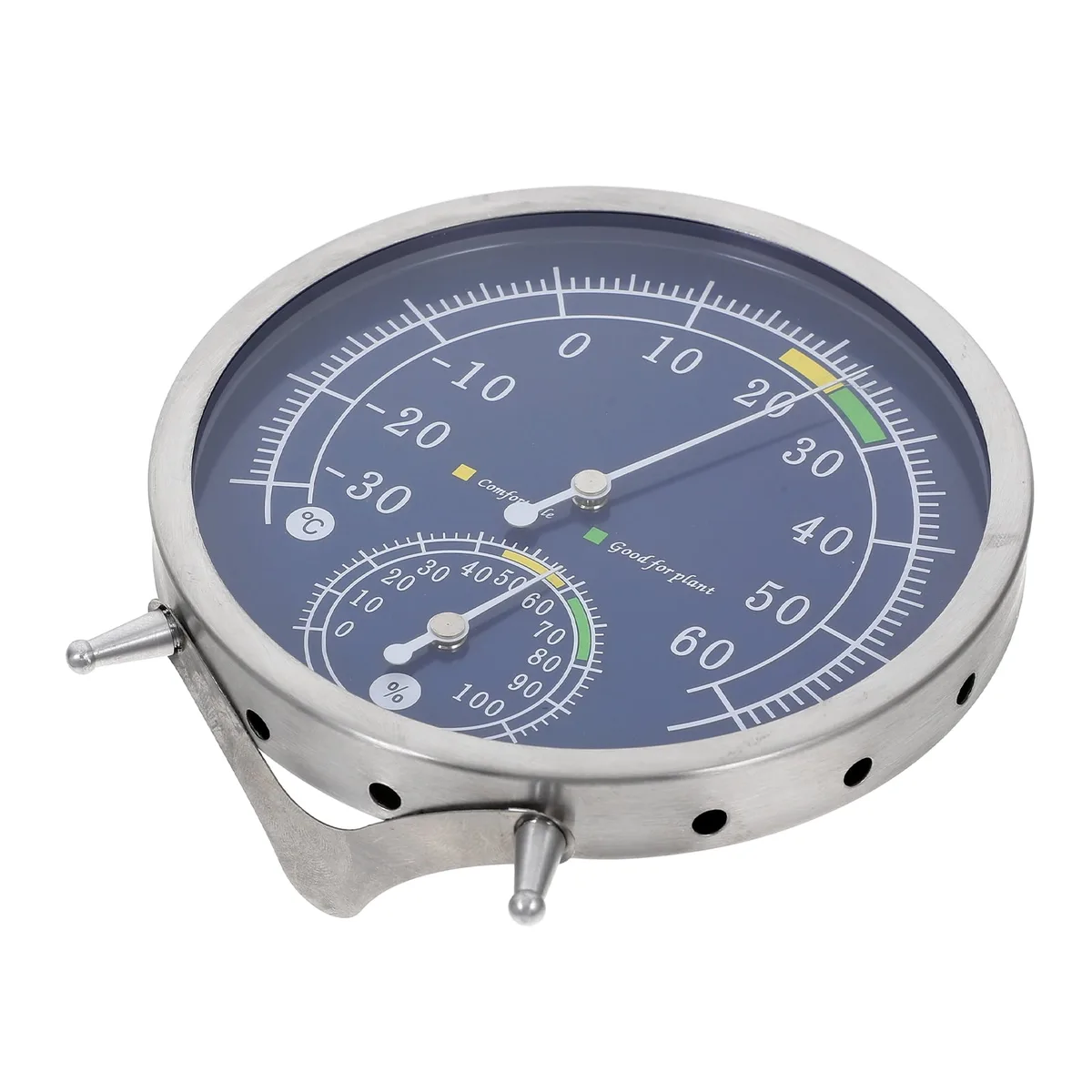
Image source: Bing (Web (fair-use with source credit))
The weaknesses are real, though. Analog units are slower to respond, often taking minutes or even hours to register a change. They're harder to read precisely, since the needle can sit halfway between markings.
And their accuracy drifts noticeably over time as the coil wears and stretches.
Cheap analogs are especially unreliable. Many budget models arrive already 10% off from the factory, and you cannot adjust them because the dial doesn't allow it. You're stuck with a decorative guess, not a measurement.
If you go analog, buy from a reputable brand and plan to calibrate it right away.
Where analog genuinely shines is low-stakes use. If you just need a rough idea whether the bathroom is humid after a shower, or you want a vintage look for a desk display, it's fine. Just don't trust it for anything valuable without cross-checking it occasionally.
Side-by-Side: Accuracy, Speed, Price, and Durability
Let's put the two head to head. This table pulls specs from manufacturer documentation and calibration standards, not guesswork.
| Feature | Digital Hygrometer | Analog Hygrometer |
|---|---|---|
| Accuracy | ±1% to ±2% RH | ±3% to ±5% RH |
| Response time | 5 to 30 seconds | Several minutes to hours |
| Display | LCD numerical readout | Dial with needle |
| Power source | Battery required | None, mechanical |
| Temperature reading | Usually included | Rarely included |
| Calibration | Digital offset adjustable | Screw adjustment on dial |
| Price range | $8 to $50 | $5 to $40 |
| Lifespan | 2 to 5 years (sensor drift) | Decades if maintained |
| Best use | Precision and monitoring | Low-stakes, traditional aesthetics |
The accuracy gap matters in practice. A 3% error means the difference between fine and too damp in a cigar humidor. For guitars and reptiles, the margin between mold risk and safe storage sits right around 55% to 60% RH.
A few points off can push you over without warning.
Durability is the flip side. Digital sensors drift faster than mechanical coils fail. Most consumer digital hygrometers show noticeable accuracy loss after one or two years, which is why calibration matters.
Analog units stay consistent longer physically, they just stop being precise before they stop working.
Price is a wash at entry level. You can find passable versions of both types for around $10 to $15. The cost difference shows up when you buy from reputable brands.
A quality digital runs about $25 to $50. A quality analog from a cigar-specific brand can run $30 to $60. That premium usually buys craftsmanship, not extra accuracy.
Speed is where digital wins outright. Walk into a room and check the display, you get a reading within seconds. Analog coils take time to absorb the new environment, which makes them frustrating for frequent monitoring.
If you're checking conditions daily, that waiting adds up.
Which One Should You Buy? (Use Cases and Recommendations)
The answer depends on what you're measuring and how much risk you're willing to take. Let's break it down by scenario.
For cigar humidors. Go digital. A ±2% accuracy difference matters when your handmade Cubans cost $30 per stick. Digital models with calibration offset let you dial in the exact 65% to 72% RH range that keeps tobacco fresh.
Analog units look classic but drift too fast for serious collectors.
For reptile enclosures. Digital is the only safe choice. A ball python needs 50% to 60% RH. An analog dial reading 55% when the actual humidity is 68% can cause respiratory problems or stuck sheds.
The instant readout helps you catch spikes before they harm your pet.
For home comfort monitoring. Either works. If you just want to know whether to run a humidifier in winter, a cheap analog unit will tell you dry from damp. But if you're tracking mold risk or managing allergies, spend the extra $10 for a digital readout.
For guitars and wood instruments. Digital wins again. Acoustic guitars need 45% to 55% RH. A 5% error on an analog dial can mask the difference between safe storage and a cracked soundboard.
Pair a digital hygrometer with a humidifier or dehumidifier for real protection.
For low-stakes or decorative use. Analog is fine. A bathroom, a bookshelf, a desk display. If you're not protecting anything valuable, the vintage look and battery-free operation make analog a solid choice.
Just calibrate it first so it's not wildly off.
Calibration and Maintenance: Keeping Either One Accurate
Both types drift. The only question is how fast and how far.
For digital hygrometers, drift happens as the capacitive sensor ages. Most consumer units lose about 1% accuracy per year. You can compensate by running a calibration check every 6 to 12 months and adjusting the offset if your model supports it.
For analog hygrometers, the mechanical coil stretches and fatigues over time. Calibration is still possible, but the adjustment screw only works within a narrow range. If the coil is badly worn, you can't fix it.
The gold standard for calibration is the salt test. Here's how it works.

Image source: Bing (Web (fair-use with source credit))
Place a tablespoon of table salt in a shallow dish. Add a few drops of water until the salt is damp but not dissolved. Put the salt dish and your hygrometer inside a sealed plastic bag or container.
Leave it for 6 to 12 hours. The air inside will stabilize at exactly 75% RH.
After the waiting period, check your reading. A digital unit should show 75%. If it reads 73%, adjust the offset by +2%.
An analog unit should have a screw on the back or a dial you can turn to move the needle to 75%. If the unit cannot be adjusted to within 3% of 75%, consider replacing it.
Maintenance is simple. Keep sensors clean with a dry cotton swab. Avoid direct sunlight and proximity to heating vents.
Replace batteries in digital units at least once a year. With analog, check the coil for visible deformation or rust every few months.
Frequently Asked Questions
How often should I calibrate my hygrometer?
Every 6 to 12 months for most home use. Calibrate every 3 months if you're storing valuable items like cigars, guitars, or museum collections. The salt test is easy and gives you confidence in your readings.
Can I trust a cheap hygrometer from an online marketplace?
Not without testing it first. Many budget units arrive 5% to 10% off from the factory. Run a salt test as soon as you open the box.
If you cannot calibrate it to within 3% of 75% RH, return it and buy a better model.
Do analog hygrometers ever need batteries?
No. They are fully mechanical. That's their main advantage.
No batteries to corrode, no screens to die. But they still need occasional calibration to stay accurate.
What humidity level is safe for a home?
The Environmental Protection Agency recommends keeping indoor relative humidity between 30% and 50%. Levels above 60% encourage mold growth. Below 30% can cause dry skin and respiratory irritation.
A hygrometer helps you stay in that sweet spot.
Which type lasts longer, digital or analog?
Analog units physically last longer and can run for decades. But they lose accuracy over time. Digital units typically last 2 to 5 years before the sensor drifts out of usable range.
Replace the digital unit when calibration no longer holds.
Can I use a hygrometer outdoors?
Only if it's rated for outdoor use. Most consumer hygrometers work best indoors between 32°F and 122°F. Direct rain, UV exposure, and temperature extremes will damage both digital sensors and analog coils.
Use a weather station for outdoor humidity.