What Humidity Is Too High Indoors
If you're asking what humidity is too high indoors, you've probably already noticed the signs. That musty smell when you walk in the door. Fogged-up windows on a mild morning.
A sticky feeling on your skin that never quite fades.
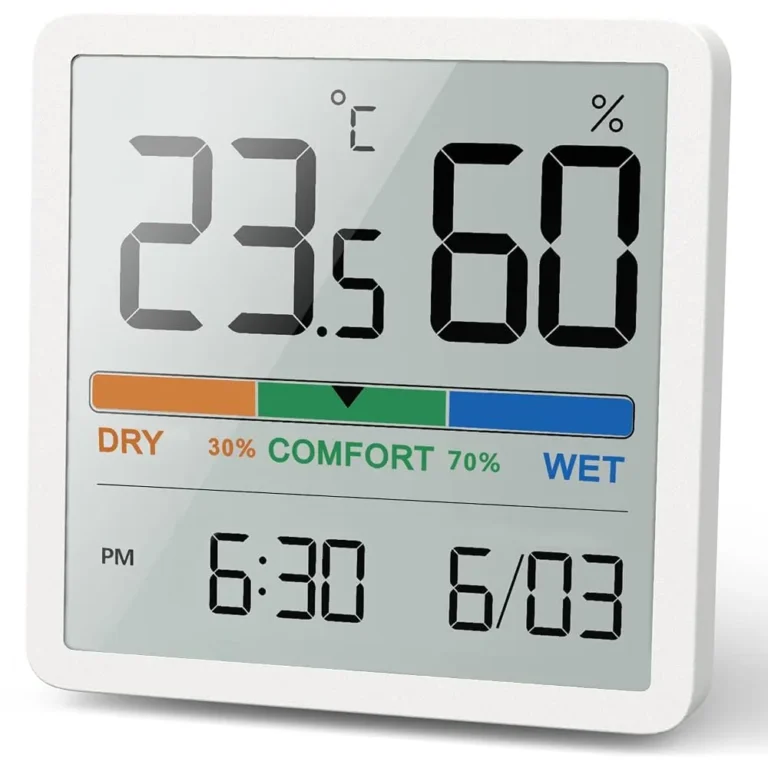
Here's the short answer: anything above 60% relative humidity is too high for comfort, and above 70% you're actively inviting mold and dust mites. The Environmental Protection Agency (EPA) recommends keeping indoor relative humidity between 30% and 50%. It sounds simple, but there's a lot more to it than reading a number off a cheap hygrometer.
Let's dig into the details that actually matter.
Image source: Bing (Web (fair-use with source credit))
Quick Answer
Any reading above 60% relative humidity is too high indoors. At 70% or higher, mold growth becomes likely within days. The EPA recommends keeping indoor humidity between 30% and 50%.
If your hygrometer reads above 60%, take action to dry the air.
Why Accuracy Matters: Humidity Isn't Just a Comfort Thing
Most people treat indoor humidity like a minor annoyance. Too dry in winter, you're zapping yourself on doorknobs. Too damp in summer, you feel like you're wearing the air.
But the stakes are much higher than comfort.
Your home itself reacts to moisture. Wood absorbs it, leading to warped floors, swollen doors, and creaky cabinets. Drywall softens, paint blisters, and insulation loses its R-value once it gets wet.
Then there's the health side. Dust mites multiply rapidly above 50% humidity. Mold starts colonizing porous surfaces at roughly 60%.
For anyone with asthma, allergies, or a weakened immune system, those numbers aren't just housekeeping facts.
Humidity isn't static either. It swings with weather, cooking, and even your breathing. A family of four adds nearly a pint of moisture to the air every hour through normal activity.
So the 45% reading on your hygrometer this morning could easily climb past 65% by evening, after a few showers and a pot of boiling pasta. Plenty of homes live right on that edge. And the edge is exactly where mold problems start.
Warm air holds more moisture than cold air. As a room cools at night, the same water vapor produces a higher relative humidity. That's why windows fog up in the morning even when evening readings looked fine.
That's why you can't just eyeball it. Measuring once and forgetting about it is like checking your tire pressure at the start of a road trip and never looking again. It's a moving target that shifts with cooking, weather, and time of day.
So take a few readings throughout the day. Track them for a week. That gives you the real picture, not a snapshot.
The cost side matters too. Damp air forces your AC to work harder. Your energy bill climbs.
And if mold takes hold, remediation costs can run into the thousands. Keeping humidity in check is one of the cheapest ways to protect both your health and your home's value.
As of 2026, the EPA still recommends the same 30% to 50% target range. That guidance has held steady for years because it works.
The Numbers That Matter: Ideal, Warning, and Danger Zones
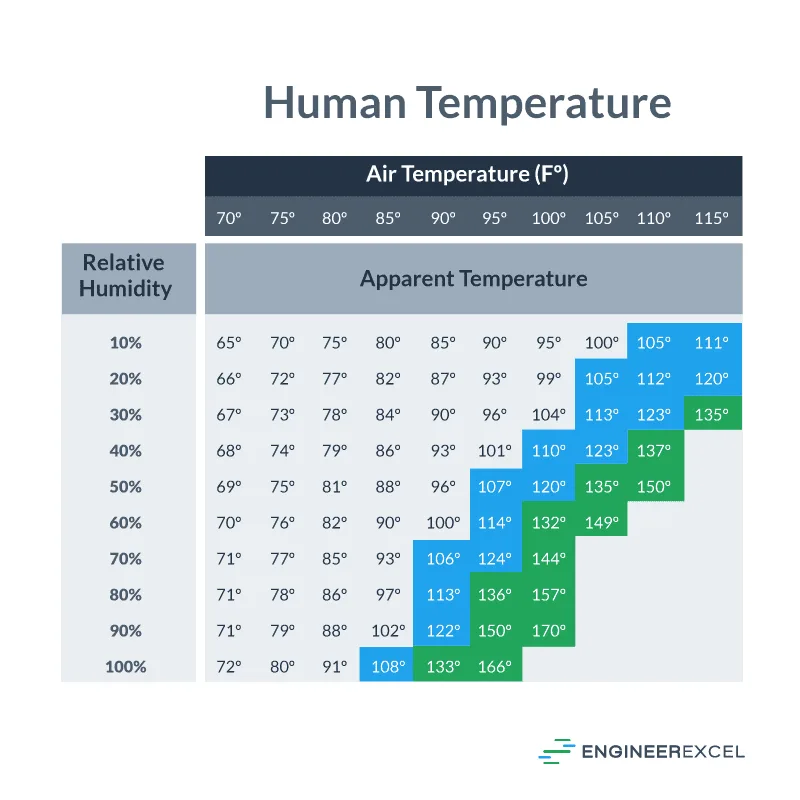
Image source: Bing (Web (fair-use with source credit))
Relative humidity is the percentage of moisture in the air compared to what the air can hold at that temperature. Your target range depends on season, climate, and your home's quirks. But the basic thresholds stay consistent across most situations.
The Comfort Zone: 30–50% RH
This is where most people feel comfortable and where your home stays safe. The EPA recommends keeping indoor humidity between 30% and 50%. In winter, aim for the lower end.
In summer, the upper end works better.
The Warning Zone: 50–60% RH
You're not in danger yet, but you're getting close. Dust mites start thriving above 50%. Mold spores can begin germinating in corners with poor airflow.
Watch for condensation on windows and cold walls.
The Danger Zone: Above 60% RH
At 60%, mold has enough moisture to grow on surfaces like drywall, wood, and fabric. At 70%, that growth accelerates quickly. Structural damage becomes likely within weeks.
Health symptoms like allergy flare-ups and respiratory irritation often follow.
| Humidity Level | Risk Level | What Happens |
|---|---|---|
| 30–50% | Ideal | Comfortable, low risk |
| 50–60% | Moderate | Dust mites, early condensation |
| 60–70% | High | Mold growth likely, musty odors |
| Above 70% | Severe | Rapid mold spread, structural damage |
When the Numbers Lie
Your hygrometer might say 55%, but if the room is cold and poorly ventilated, you can still get condensation in corners. Relative humidity is temperature-dependent. A 70°F room at 60% RH holds roughly the same water vapor as a 45°F basement at 85% RH.
That's why dehumidifiers matter most in basements, even when the main floor feels fine.
What Happens When Humidity Creeps Too High
High humidity doesn't just feel bad. It changes the chemistry of your home and your body.
Health Effects
- Mold spores trigger allergies, asthma attacks, and sinus congestion.
- Dust mites multiply faster, worsening indoor allergies.
- High heat combined with high humidity can cause dehydration and heat exhaustion, since sweat doesn't evaporate as effectively.
Structural Effects
- Wood swells, causing doors to stick and floorboards to warp.
- Drywall softens and may show brown or yellow stains.
- Paint blisters and peels away from surfaces.
- Insulation loses its ability to resist heat transfer when soaked.
The Mold Timeline
Mold doesn't appear overnight, but it doesn't take long either. Here's a rough timeline:
| Time | Condition |
|---|---|
| 24–48 hours | Mold spores begin colonizing on wet surfaces |
| 3–7 days | Visible patches develop on porous materials |
| 2 weeks+ | Significant growth, musty odor becomes strong |
Real Scenario
A flooded basement in a humid coastal climate can easily stay above 70% RH for weeks if not dried out properly. That's when black mold appears on drywall, baseboards, and stored items. A dehumidifier running continuously during those first weeks makes the difference between a quick cleanup and a full remediation project.
How to Actually Measure Your Indoor Humidity (And Not Get Fooled)
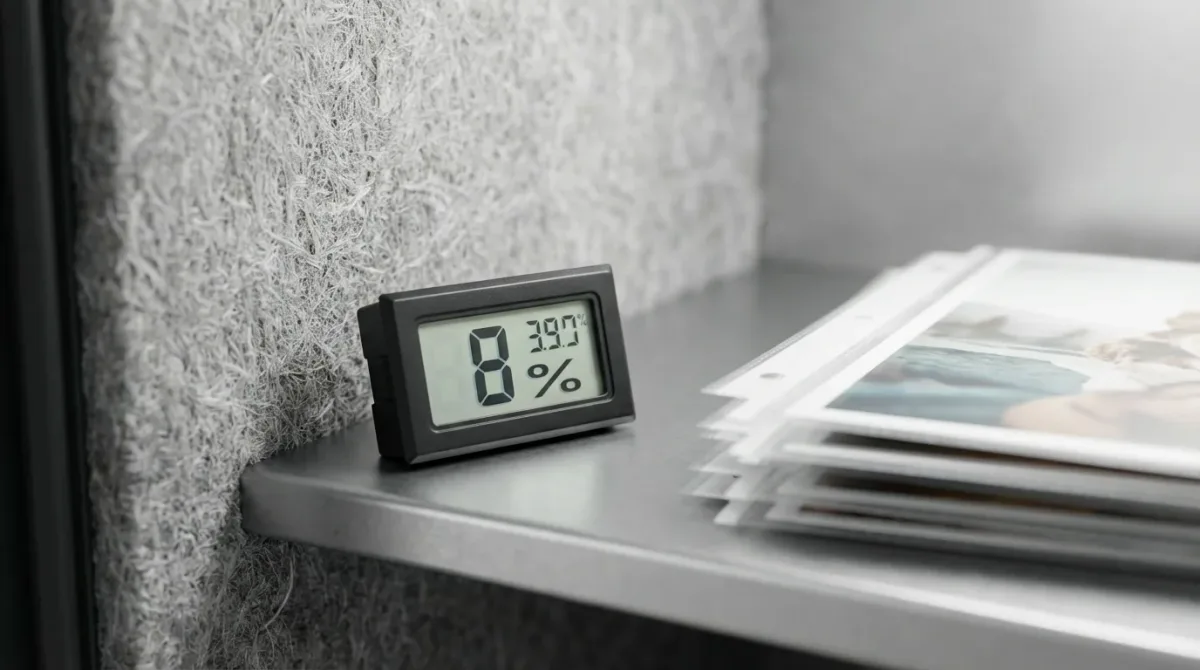
Image source: Bing (Web (fair-use with source credit))
A hygrometer is your tool of choice. But where you place it matters just as much as the device itself.
Choosing a Hygrometer
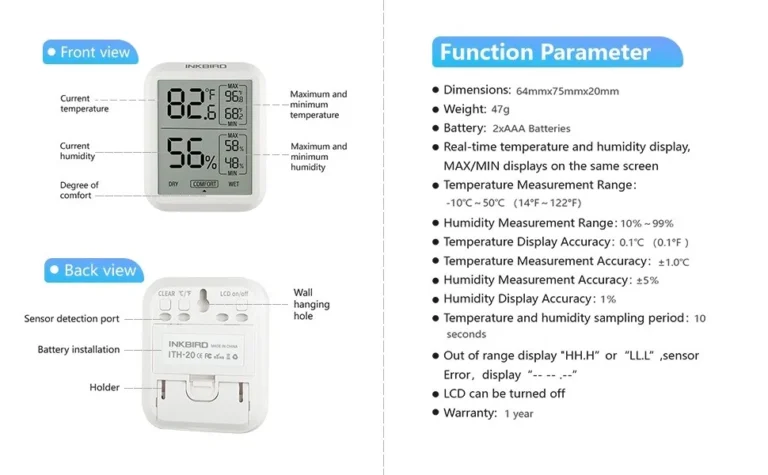
Digital hygrometers are more accurate than analog models. Look for one with accuracy within ±2% RH. Many also show temperature and dew point, which helps you understand the full picture.
Where to Measure
- Place the hygrometer centrally in the room, away from windows, doors, and vents.
- Keep it off the floor and away from direct sunlight.
- Avoid placing it near humidifier or dehumidifier output for at least 2 hours after they run.
Common Measurement Mistakes
- Measuring in the bathroom right after a shower. That reading is wildly high.
- Measuring in a cold corner of the basement where air is still. That reading is misleadingly high.
- Using a single reading as your baseline. Conditions change throughout the day.
How to Get a Reliable Reading
- Test in multiple rooms, especially bedrooms, basement, and kitchen.
- Take readings morning, afternoon, and evening.
- Average the numbers for a realistic view.
- Recalibrate or replace your hygrometer if readings seem inconsistent.
Simple Ways to Bring Humidity Down
You don't need a major renovation to lower indoor humidity. Start with these steps.
Increase Ventilation
- Run bathroom exhaust fans for 20 minutes after showers.
- Use kitchen exhaust fan while cooking and after boiling water.
- Open windows when outdoor humidity is low, typically in the morning or evening.
Use Air Conditioning
Air conditioners remove moisture as they cool. Set your AC to run longer at a slightly higher temperature rather than short bursts. That gives it time to dehumidify effectively.
Dehumidifier Settings That Work
Set your dehumidifier to 45, 50% RH. That's dry enough to prevent mold but not so dry that it makes your skin feel prickly. Place it where moisture collects, like a basement or laundry room.
Empty the bucket regularly or connect a hose for continuous drain.
Quick Fixes for Common Problems
- Fix dripping faucets and leaking pipes.
- Dry clothes outside or in a vented dryer, not on indoor racks.
- Use a lid when boiling pasta or vegetables.
- Move houseplants to a sunroom or outdoor space if you have many.
Avoid Over-Dehumidifying
Dropping below 30% RH is just as unpleasant. You'll get dry skin, itchy eyes, and static electricity. Wood furniture can crack.
So keep your target between 30% and 50%.
When You Need Professional Help
Most humidity problems respond well to the steps we've covered. But some situations need a trained professional.
Signs You Should Call Someone
The first red flag is visible mold covering more than 10 square feet. The EPA recommends professional remediation for anything larger than that. If you see black mold on drywall, carpet, or ceiling tiles, don't try to scrub it yourself.
Another sign is persistent condensation inside walls. If you feel dampness behind baseboards or notice peeling wallpaper with no obvious source, moisture may be trapped in the wall cavity. That's a job for a contractor who can open the wall, find the leak, and dry the structure properly.
A musty odor that won't fade despite cleaning and dehumidifying is another warning. That smell means mold is growing somewhere you can't see. Behind drywall, under flooring, inside ductwork.
When to Call an HVAC Professional
If your AC runs constantly but humidity stays above 60%, your system may be oversized or undersized for your home. A technician can measure airflow, check refrigerant levels, and test the condensate drain. Sometimes the fix is simple.
A clogged drain line prevents the unit from removing moisture effectively.
When to Call a Mold Remediation Specialist
For visible mold growth, especially black mold, hire a certified mold inspector. They use moisture meters, thermal imaging cameras, and air sampling to find the full extent of the problem. Then they contain the area, remove affected materials, and treat the space with antimicrobials.
What Professional Help Costs
| Service | Typical Cost Range |
|---|---|
| Mold inspection | $300 to $600 |
| HVAC humidity assessment | $100 to $250 |
| Basement waterproofing | $2,000 to $10,000 |
| Full mold remediation | $1,500 to $6,000+ |
Costs vary by region and severity. But ignoring a serious humidity problem almost always costs more later.
Frequently Asked Questions About Indoor Humidity
How do I know if my humidity is too high without a hygrometer?
Look for visible condensation on windows, especially in the morning. Feel for dampness on walls or floors. Notice if the air feels sticky or heavy.
A musty smell is another strong clue. These signs point to humidity above 60%.
Can high humidity cause health problems?
Yes. High humidity encourages mold and dust mites, both common allergens. That can trigger asthma attacks, allergic rhinitis, and sinus infections.
People with respiratory conditions feel the effects most strongly.
Will running the AC lower humidity?
Yes, but only if the AC runs long enough. Short cycling, where the unit turns on and off frequently, doesn't remove enough moisture. Set your thermostat a few degrees higher and let the AC run longer to dehumidify effectively.
How often should I check humidity levels?
Check at least once a week during humid seasons. In summer, test in the morning and evening. In winter, a weekly check is usually enough.
More frequent checks help catch problems early.
What's the best humidity level for sleeping?
Most people sleep best between 40% and 50% relative humidity. At that level, you don't wake up feeling sticky or dry. It also reduces dust mite activity and keeps your nasal passages comfortable.
Can a dehumidifier make the air too dry?
Yes. If you set a dehumidifier below 30% RH, you can get dry skin, itchy eyes, and static electricity. Wood furniture may crack.
Keep your target between 30% and 50% for the best balance.