What Type of Hygrometer Is Best
If you've ever wondered what type of hygrometer is best for your home, humidor, or reptile tank, you're not alone. The short answer is that digital hygrometers with capacitive sensors offer the best balance of accuracy, speed, and affordability for most people. But the right choice depends entirely on what you're measuring and how precise you need to be.
Per NIST calibration standards, consumer hygrometers range from ±2% relative humidity (RH) for high-end digital models to ±10% RH for cheap analog dials. That's a huge difference when you're trying to keep cigar humidity at 70% or prevent mold in a guitar case. Before you buy, it helps to know what each type does well and where it falls short.
Quick Answer
If you're wondering what type of hygrometer is best, the answer for most people is a digital capacitive model. As of 2026, it's accurate within ±2-3% RH. It responds in seconds, not minutes.
It costs between $10 and $30. For professional-grade accuracy, look for ±1% RH models with NIST certification. Avoid cheap analog dials if you need reliable readings.
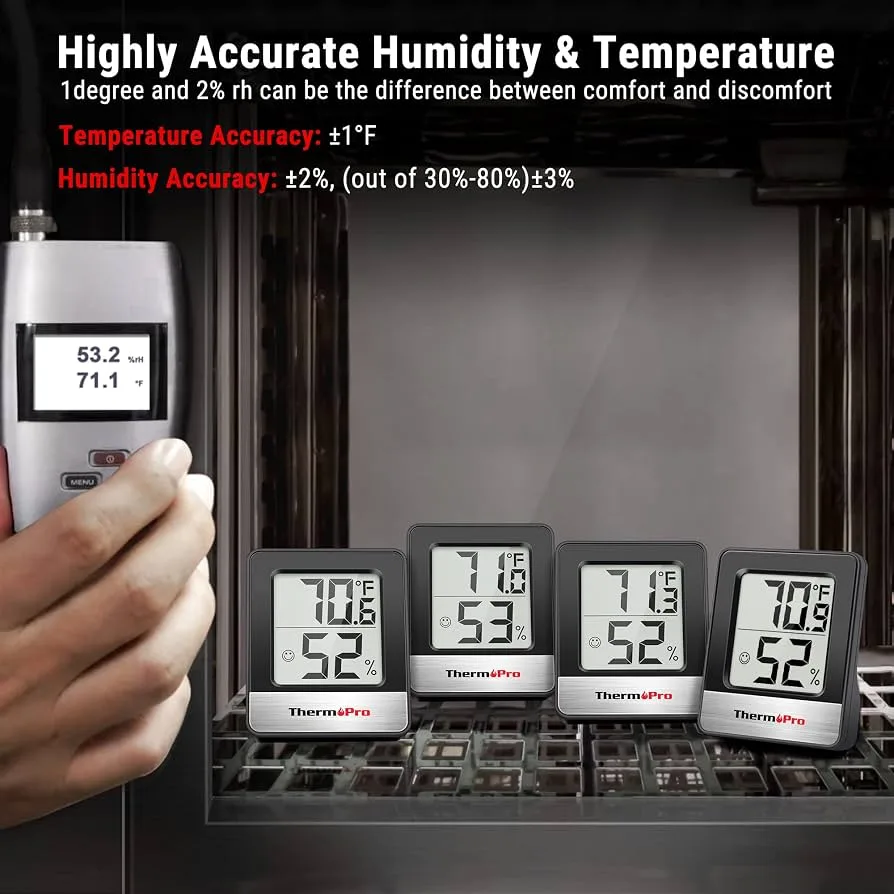
Image source: Bing (Web (fair-use with source credit))
Why This Comparison Matters
Humidity isn't just about comfort. It affects your health, your belongings, and even your food. Too much moisture in your home can lead to mold growth, dust mites, and structural damage.
Too little, and you're looking at dry skin, static shocks, and cracked wood furniture.
The problem is that not all hygrometers measure humidity the same way. Some use a coiled hair or synthetic fiber that expands and contracts. Others rely on a thin film capacitor that changes with moisture.
A few still use the old wet-bulb method, which is accurate but a pain to use regularly.
If you grab the wrong type, you might end up with readings that are off by 10% or more. That's enough to ruin a batch of dry-aged meat or let mold creep into your guitar case. Understanding the differences saves you money and frustration.
The Main Types of Hygrometers
Analog (Mechanical)
Analog hygrometers are the old-school choice. They use a coil of human hair or a synthetic fiber that stretches when humidity rises and contracts when it drops. That physical movement turns a needle on a dial.
The upside is that they don't need batteries. They look classic, especially in a humidor or a vintage-style weather station. They're also cheap, often under $10.
The downside is accuracy. Most analog units drift over time and can be off by 5-10% RH. They also respond slowly, taking 20 to 30 minutes to register a change.
And they need regular recalibration, which is tricky because you usually have to turn a small screw on the back.
If you're just looking for a rough idea of whether your room is dry or damp, an analog hygrometer works fine. But if you need reliable numbers for a cigar humidor or a reptile enclosure, skip it.
Digital (Capacitive and Resistive)
Digital hygrometers use electronic sensors. Capacitive sensors measure how moisture changes the capacitance of a thin polymer film. Resistive sensors measure changes in electrical resistance as humidity varies.
Capacitive sensors are the gold standard for consumer use. They're accurate within ±2-3% RH right out of the box. They respond in 5 to 10 seconds.
And they don't drift as much over time. Most digital thermohygrometers you see in home stores use this technology.
Resistive sensors are cheaper and less accurate. They're often found in the budget-friendly models. Expect ±5% RH or worse, and they tend to drift faster.
The best part about digital hygrometers is that they're easy to read. The display shows both temperature and humidity, and many models log min/max readings. You'll find them for $10 to $50 depending on features.
Smart Hygrometers
Smart hygrometers add Bluetooth or WiFi connectivity. They pair with an app on your phone so you can check humidity from anywhere. Some send alerts when levels go out of range.
These are great for monitoring a wine cellar, a greenhouse, or a humidor you don't open every day. You can see trends over time and get notifications before a problem gets bad.
The trade-off is battery life. WiFi models drain batteries faster, sometimes in a few weeks. Bluetooth models last longer, often months.
You also pay more, typically $30 to $80.
Sling Psychrometers
A sling psychrometer is the most accurate manual method. It has two thermometers, one with a wet wick and one dry. You whirl it around for a minute, then check the temperature difference and look up the relative humidity on a chart.
This method is very accurate, within ±1% RH when done correctly. It's what HVAC technicians use to verify other sensors.
The catch is that it's a hassle. You have to wet the wick, swing it, and consult a chart. It's not something you'd use daily in your living room.
But it's a great tool to check if your digital hygrometer is reading correctly.
Side-by-Side Comparison: Accuracy, Speed, Cost and Features
| Feature | Analog | Digital (Capacitive) | Smart (WiFi) | Sling Psychrometer |
|---|---|---|---|---|
| Typical accuracy | ±5-10% RH | ±2-3% RH | ±2-3% RH | ±1% RH |
| Response time | 20-30 minutes | 5-10 seconds | 5-10 seconds | 1 minute |
| Battery needed | No | Yes (CR2032 or AA) | Yes (AA or USB) | No |
| Price range | $5-$15 | $10-$30 | $30-$80 | $15-$40 |
| Data logging | No | Min/max only | App trends | No |
| Best for | Decoration, rough idea | General use, humidors, reptiles | Remote monitoring | Calibration checks |
Best Hygrometer for Each Use Case
Cigar Humidors and Wine Cellars
Cigars need a stable 68-72% RH. Wine cellars run around 50-70% RH depending on the wine. A digital capacitive hygrometer is your best bet here.
It's accurate enough to keep you in the safe zone and responds fast when you open the door.
If you have a large walk-in humidor or a wine cellar you don't check daily, a smart hygrometer with alerts is worth the extra money. You'll get a notification if humidity drops or spikes.
For a desktop humidor, a simple digital thermohygrometer under $20 works great. Just make sure to calibrate it first with a Boveda calibration kit or a salt test.
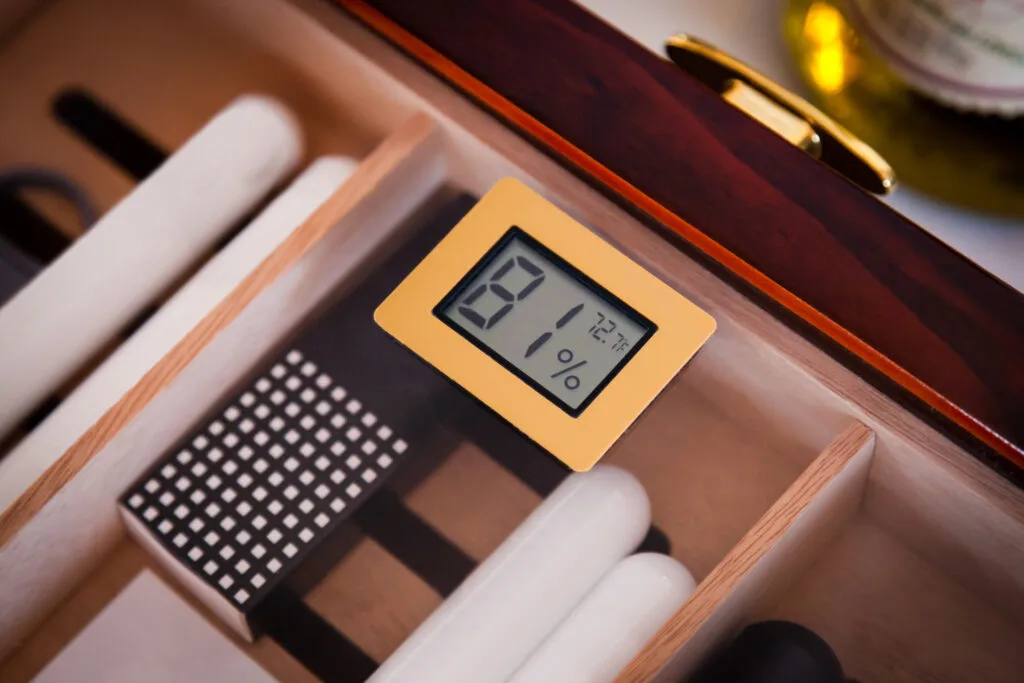
Image source: Bing (Web (fair-use with source credit))
Home Comfort and Indoor Air Quality
For your living room, bedroom, or nursery, you don't need professional-grade accuracy. The ideal indoor humidity range is 30-50% RH according to ASHRAE standards. A digital hygrometer with ±3% RH accuracy is plenty good enough.
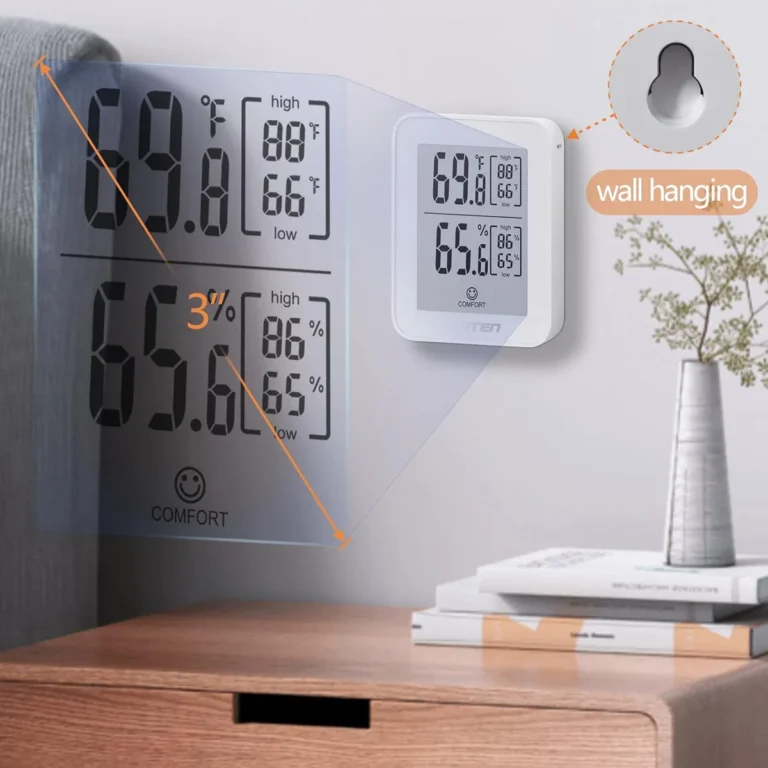
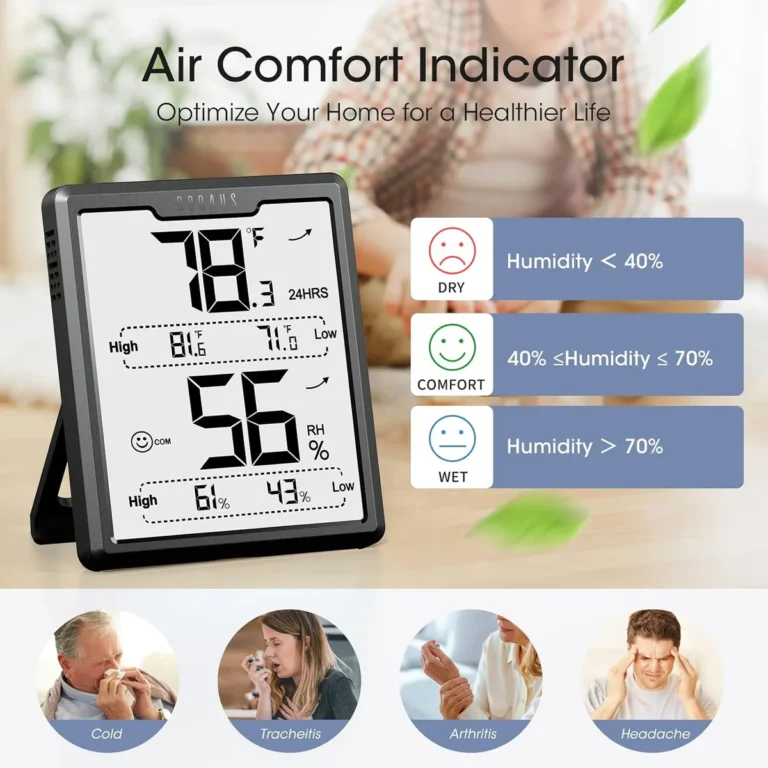
Look for one that shows temperature and humidity together. Some models also show the comfort level with a smiley face or a color code. That's a nice extra but not necessary.
Place it on a wall away from windows, vents, and direct sunlight. Center of the room at about five feet off the ground gives you the most accurate reading.
Reptile Terrariums and Greenhouses
Reptiles and plants have very specific humidity needs. A bearded dragon needs 30-40% RH. A dart frog needs 80-100% RH.
Getting it wrong can make your pet sick or kill your plants.
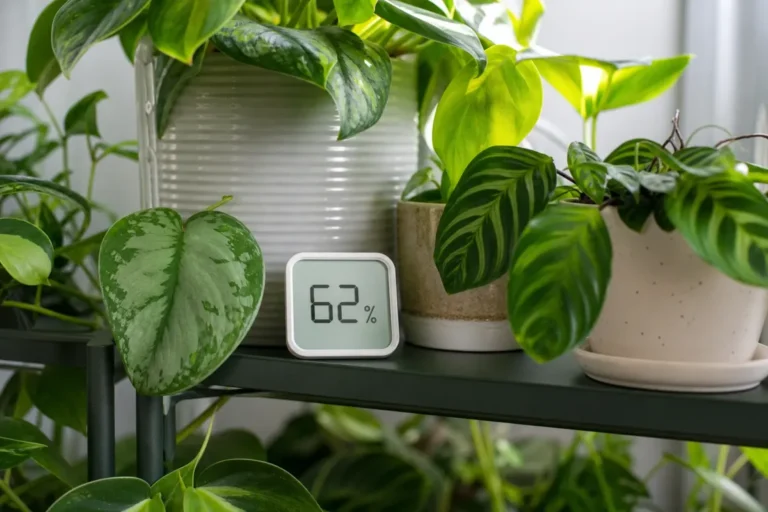
Here, you want a digital hygrometer you can trust. Capacitive sensors are the way to go. For a terrarium, consider a model with a remote probe.
That way, the sensor is inside the enclosure while the display stays outside where you can read it.
Smart hygrometers are useful here too. You can set up alerts for when the humidity drops below or above your target range.
Musical Instruments and Woodworking
Wood expands and contracts with humidity. Guitars, violins, pianos, and even furniture can crack if the air gets too dry. The sweet spot is 40-55% RH.
For instrument cases, a small digital hygrometer that fits inside is ideal. Some are credit-card-sized and magnetically attach to the case. They're cheap and accurate enough to keep your instrument safe.
For a woodworking shop, you might want a model that logs min/max readings over time. That way you can see if your shop is staying in the safe zone for lumber storage.
Mistakes That Ruin Your Readings
The biggest mistake people make is placing the hygrometer in the wrong spot. Putting it next to a window, a vent, or a humidifier gives you a reading for that spot, not the room. The same goes for direct sunlight, which heats the sensor and throws off humidity by several percent.
Another common error is ignoring calibration. Even a good digital hygrometer can drift after a few months. A cheap analog unit might be wrong from day one.
Testing with a Boveda calibration kit or a salt test takes five minutes and saves you from bad data.
Some people also buy a single hygrometer and assume it's accurate. Buying two of the same model and comparing them is a smart move. If they disagree by more than 3% RH, one of them needs calibration or replacement.
Finally, don't confuse accuracy with resolution. A display that shows 65.4% RH looks precise, but the actual accuracy might be ±3% RH. That means the real value could be anywhere from 62.4% to 68.4% RH.
The number of decimal places doesn't improve the measurement.
How to Calibrate and Maintain Your Hygrometer
Even a good digital hygrometer can drift. Consumer sensors shift by 1-3% RH per year depending on usage and environment. That's why calibration matters.
The most reliable method is the Boveda calibration kit. It uses a sealed bag with a salt solution that holds exactly 75% RH at room temperature. You place your hygrometer inside, wait 24 hours, then adjust the reading to 75% if needed.
The salt test works the same way. You put a tablespoon of table salt in a bottle cap, add a few drops of water to make a paste, and seal it in a zip bag with your hygrometer for 24 hours. The salt naturally creates a 75% RH environment.
Just make sure no wet salt touches the sensor.
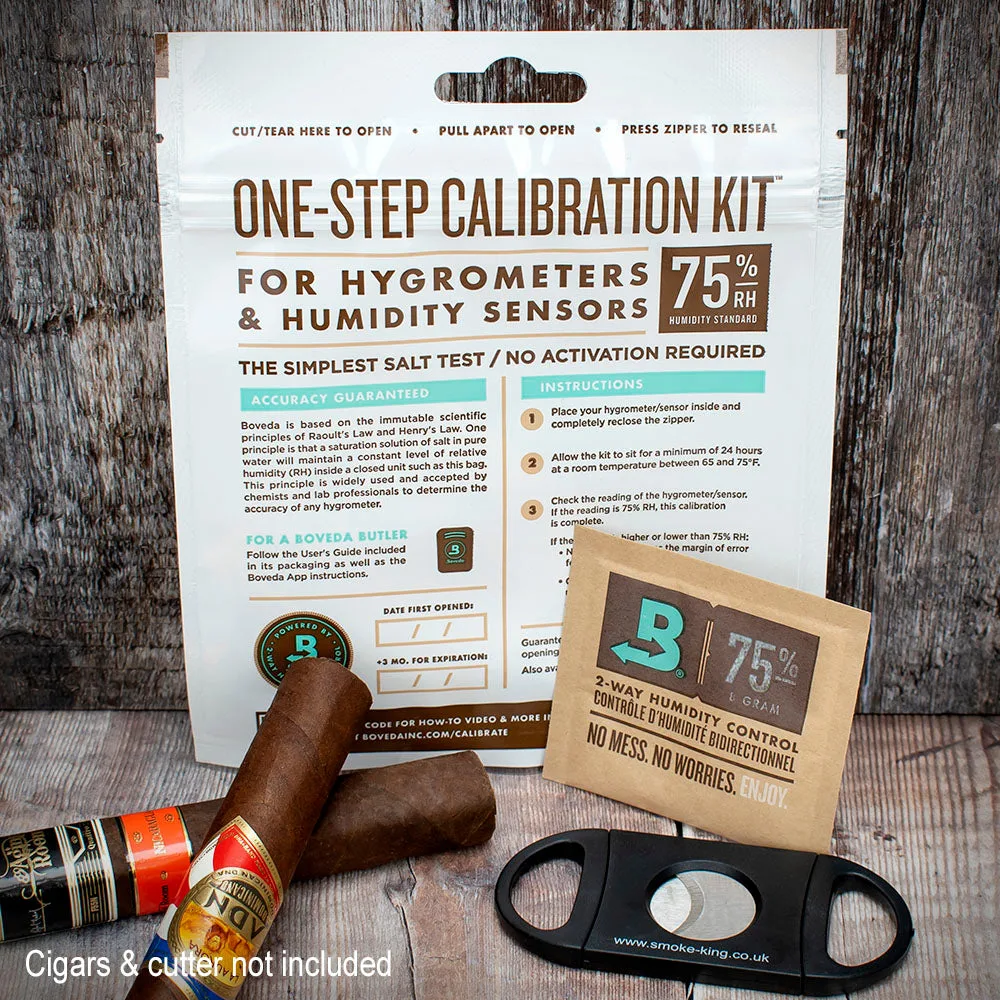
Image source: Bing (Web (fair-use with source credit))
Maintenance is simple. Keep the sensor clean and dry. Dust can coat the sensing element and slow the response.
A quick wipe with a dry microfiber cloth every few months helps.
Replace batteries when the display gets dim. Most digital hygrometers use CR2032 coin cells or AA/AAA batteries. A fresh set lasts 6 to 12 months in basic models.
For analog units, check the dial every six months. If it's off by more than 5% RH, you can adjust it with a small screwdriver. But if it keeps drifting, it's time to replace it.
Frequently Asked Questions
What is the most accurate type of hygrometer?
A sling psychrometer is the most accurate manual option, within ±1% RH. For everyday use, a digital capacitive hygrometer offers the best reliability. Professional models with NIST certification can match psychrometer accuracy.
Avoid cheap analog dials for precision work.
How often should I calibrate my hygrometer?
Calibrate every 6 to 12 months for most home use. If you use it for critical applications like cigar storage or reptile care, calibrate every 3 months. Always calibrate after a battery change or if the sensor has been exposed to extreme humidity.
Can I use a hygrometer outdoors?
Yes, but only if it's rated for outdoor use. Look for an IP54 or higher rating. Direct rain and freezing temperatures can damage standard indoor sensors.
A weather station hygrometer with a remote sensor is a better choice for outdoor monitoring.
Do analog hygrometers need calibration?
Yes, and they need it more often than digital models. Most analog units drift by 5-10% RH within a few months. The calibration screw on the back lets you adjust them, but the hair or fiber coil can lose its elasticity over time.
After a year or two, replacement is usually cheaper and more reliable than constant recalibration.
What does ±3% RH accuracy mean in practice?
It means the actual humidity could be 3% higher or lower than the displayed number. If your hygrometer reads 70% RH, the real value could be anywhere from 67% to 73% RH. For most home uses, that's acceptable.
For a cigar humidor, it's a bit wide. That's why many cigar enthusiasts buy two hygrometers and average them.
Final Verdict: Which Type Is Best for You
For most people, a digital capacitive hygrometer is the clear winner. It's accurate enough for home comfort, humidors, terrariums, and instrument storage. It's fast, affordable, and easy to read.
Spend $15 to $30 and you'll get a reliable tool that lasts years.
If you need remote monitoring, a smart hygrometer with Bluetooth or WiFi is worth the upgrade. You'll get alerts and trend data. Just be prepared to change batteries more often.
Analog hygrometers are only worth buying if you want the look. They're fine as a decoration or a rough indicator. But don't rely on them for anything that needs real precision.
A sling psychrometer is a great backup tool. Use it to verify your digital hygrometer once a year. It costs less than $20 and gives you a professional-grade check.
Match the tool to the task. A $10 analog dial will disappoint you in a humidor. A $25 digital capacitive model will serve you well almost anywhere.
And a quick calibration check twice a year keeps your data honest.