What Humidity Should a Reptile Tank Be
If you've ever typed "what humidity should a reptile tank be" into a search engine, you probably got a dozen different answers. That's because the right number depends entirely on the animal living inside that tank. A bearded dragon needs bone-dry desert conditions.
A crested gecko needs a misty rainforest. Get it wrong, and your reptile pays the price with stuck shed, respiratory infections, or worse.
The truth is, humidity isn't a single number you set and forget. It's a system you manage. Veterinary sources, including the American Veterinary Medical Association, stress species-specific environmental care.
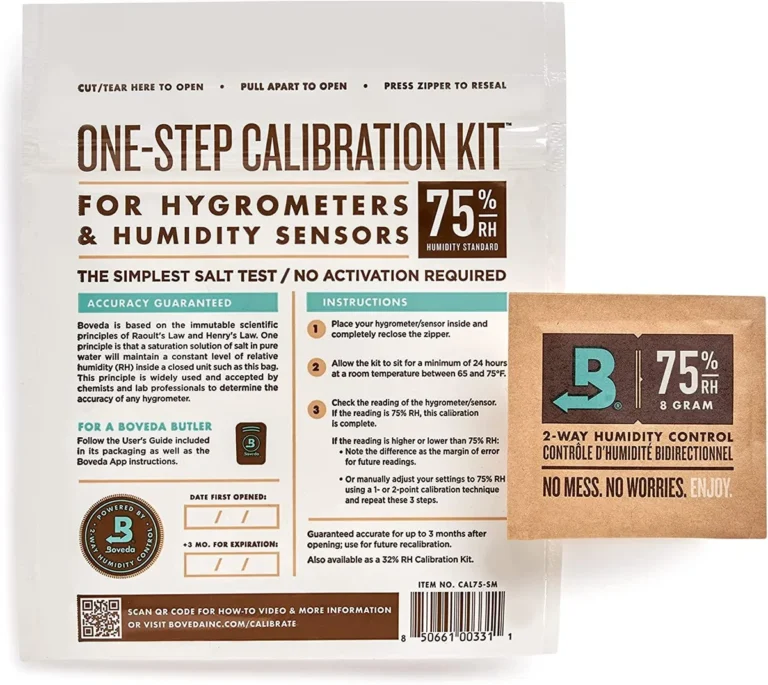
As of 2026, digital hygrometers are accurate enough to trust within ±2%, so guessing is no longer acceptable. Let's walk through exactly how to figure out what your specific tank needs.
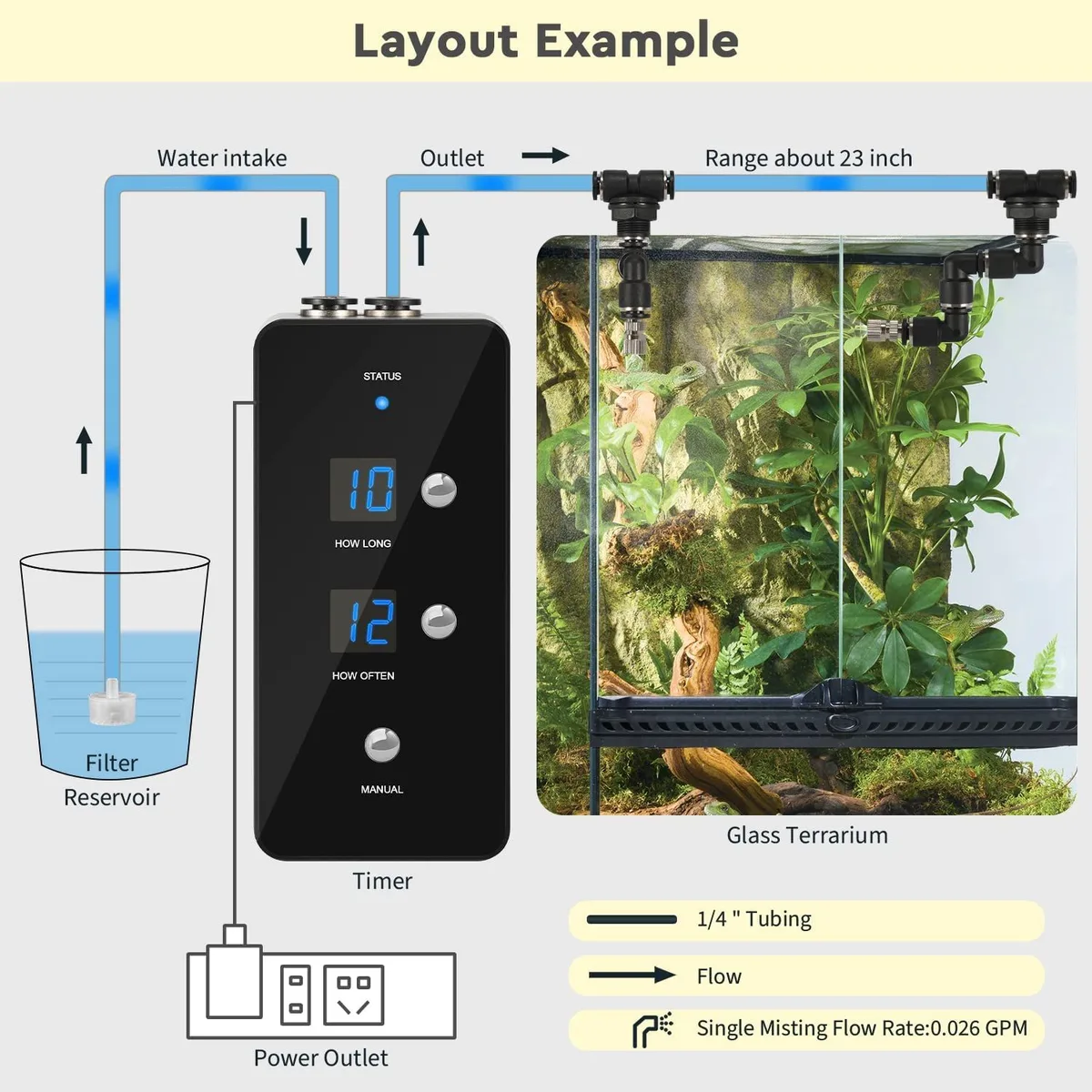
Image source: Bing (Web (fair-use with source credit))
Quick Answer: Humidity Ranges for 10 Common Pet Reptiles
A reptile tank's humidity should match the species you keep. Desert reptiles like bearded dragons and leopard geckos need 20% to 40%. Tropical species like crested geckos and ball pythons need 50% to 80%.
Use a digital hygrometer to measure, then adjust with substrate and ventilation. Never guess.
Here's the reference table you'll actually use. These numbers come from veterinary references and herpetology research, not forum posts. Bookmark this page if you need it later.
| Species | Ideal Humidity Range | Notes |
|---|---|---|
| Bearded dragon | 20% to 40% | Too high causes respiratory infections |
| Leopard gecko | 30% to 40% | Humid hide should be higher (60%+) |
| Ball python | 50% to 60% | Nighttime spike to 70% is fine |
| Crested gecko | 60% to 80% | Needs daily misting to maintain |
| Corn snake | 40% to 60% | Stuck shed means humidity is too low |
| Chameleon | 50% to 80% | Depends on species; veiled on lower end |
| Green tree python | 70% to 90% | Requires excellent ventilation |
| Uromastyx | 10% to 30% | Dry is safe; above 40% is dangerous |
| Red-eared slider | 60% to 80% | Aquatic setup; focus on water quality |
| Blue-tongue skink | 40% to 60% | Needs moderate humidity with a dry hide |
A few notes on these numbers. First, the humidity range applies to the ambient air in the tank, not the surface of the substrate. Second, many species benefit from a microclimate gradient.
Ball pythons, for example, do well with a humid hide around 70% even if the rest of the tank sits at 50%. Third, nighttime humidity naturally rises as temperature drops. That's normal and usually beneficial.
The Problem: Why There's No Single "Right" Humidity Number
The biggest mistake new reptile owners make is looking for a universal answer. You won't find one. Humidity requirements differ wildly because reptiles evolved in environments that range from the Sahara to the Amazon.
A uromastyx will struggle in the same humid conditions that keep a green tree python perfectly healthy.
Every reptile species has a native humidity range that their body is designed to handle. Their skin, respiratory system, and even their kidneys are adapted to a specific environment. When you keep them too far outside that range, their body starts to break down.
You'll see it in their shedding, their breathing, and their energy levels.
So instead of asking "what humidity should a reptile tank be," ask "what humidity does my reptile need." That small shift in thinking is the difference between guesswork and good husbandry. The table above shows the target zones. The sections below explain how to hit them and keep them stable.
How Temperature, Ventilation, and Substrate Control Humidity
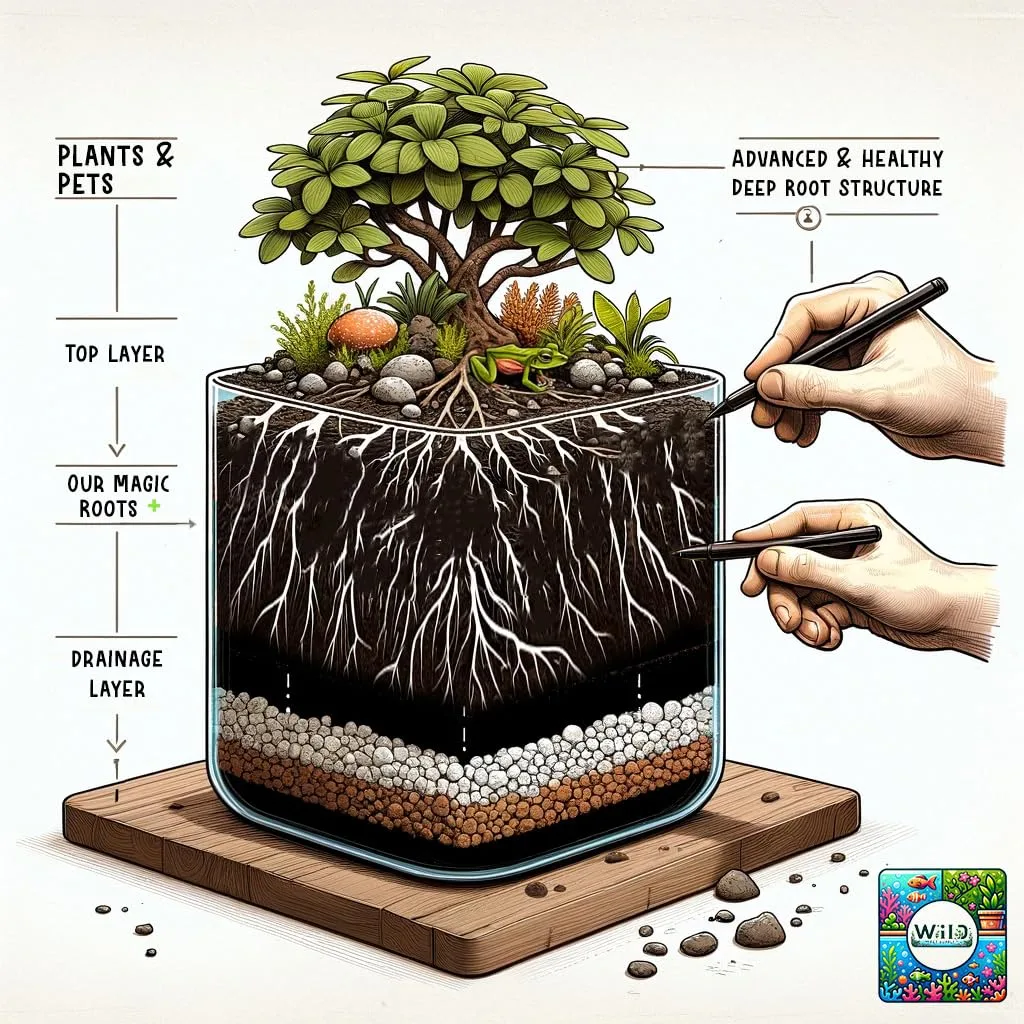
Image source: Bing (Web (fair-use with source credit))
Humidity is not a standalone variable. It's the result of three factors working together. If you only adjust one, the other two will fight back.
Here's how they interact.
Temperature is the biggest driver. Warm air holds more moisture than cold air. When you heat a tank, relative humidity drops even if the same amount of water is present.
That's why desert species need high basking temperatures. The heat naturally dries out the air. Conversely, cooling a tank raises relative humidity.
If your tropical gecko's tank runs cold, humidity spikes and you get condensation and mold.
Ventilation determines how fast moisture leaves the tank. A screen top loses humidity fast. A glass top with a few small vents holds it in.
Research shows that most humidity problems come from getting ventilation wrong. Too much venting means you're constantly misting. Too little creates a breeding ground for bacteria.
Aim for 10% to 20% of the tank's surface area as open vent space.
Substrate acts as a moisture reservoir. Coconut coir holds water for days. Sand and paper towels dry out in hours.
If you're fighting to keep humidity up, switch to a moisture-retentive substrate. If you're fighting to keep it down, switch to a dry one. The table below shows common substrates and their water retention.
| Substrate | Water Retention | Best For |
|---|---|---|
| Coconut coir | High | Tropical species, bioactive setups |
| Cypress mulch | Medium-High | Snakes, high-humidity enclosures |
| Orchid bark | Medium | Chameleons, drainage layers |
| Reptile carpet | Low | Desert species, easy cleaning |
| Paper towel | Very Low | Quarantine, sick animals |
| Sand | Low | Bearded dragons, uromastyx |
Step-by-Step: How to Measure, Adjust, and Lock In the Right Humidity
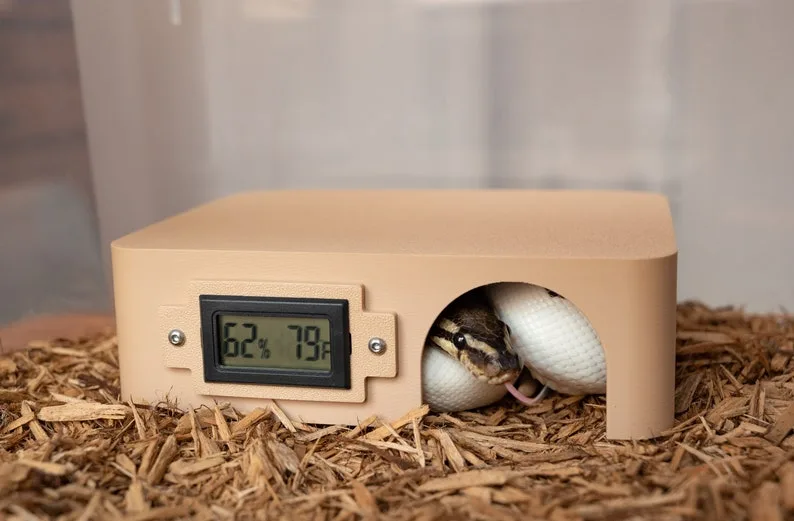
Image source: Bing (Web (fair-use with source credit))
Image source: Bing (Web (fair-use with source credit))
Getting the right humidity is a process, not a one-time adjustment. Here's the exact workflow we recommend.
Step 1: Place your hygrometer correctly. This is where most people mess up. Put the probe or sensor at the same height as your reptile's basking spot or hide. Not on the glass wall.
Not directly on the substrate. The substrate surface can show 90% humidity while the air your reptile breathes is 40%. Digital hygrometers with a remote probe are far more accurate than stick-on analog dials.
Place the probe in the middle of the tank's vertical space, away from water bowls and misting nozzles.
Step 2: Measure at multiple points. Humidity is not uniform in a tank. Check the warm side, the cool side, and inside any humid hides. Your goal is to have the ambient air within the species range.
The humid hide can be higher, but the main enclosure should be in the target zone.
Step 3: Adjust one variable at a time. Change the substrate, adjust the ventilation, or modify the misting schedule. Then wait 24 hours and measure again. Change everything at once and you won't know what worked.
Patience is key.
Step 4: Lock it in with automation. Once you find the right setup, consider an automatic misting system or a fogger for consistent humidity. Hand misting works but creates spikes and dips. A timer-based system keeps the range stable.
Step 5: Monitor daily. Check the reading every morning and evening for the first week. After that, a quick glance once a day is enough. Write down the numbers for a few days to spot trends.
If you see a pattern of dropping humidity, refill the mister or add more substrate.
The 5 Most Common Humidity Mistakes (And How to Fix Them)
Every experienced reptile keeper has made these mistakes. Here's what to watch for.
Mistake 1: Trusting an analog hygrometer. Those stick-on dials can be off by 10% to 20%. They're fine as a rough visual reference, but never rely on them for critical decisions. Replace it with a digital hygrometer.
They cost about the same and are far more reliable.
Mistake 2: Misting everything equally. A constant fine mist across the whole tank creates a uniform environment. Reptiles need gradients. A dry basking spot and a humid hide.
A wet side and a dry side. Mist only the areas that need moisture. Let the rest stay dry.
Mistake 3: Ignoring the substrate. The substrate is the largest humidity buffer in the tank. If you're using sand for a ball python, you're fighting a losing battle. Switch to a moisture-retentive substrate.
If you're using coir for a bearded dragon, you're inviting scale rot. Switch to a dry substrate. It's that simple.
Mistake 4: Forgetting about ventilation. Closing off the tank to raise humidity also traps carbon dioxide and stale air. Your reptile needs fresh air exchange. Always maintain some ventilation, even if it means misting more often.
A completely sealed tank is dangerous.
Mistake 5: Ignoring the water bowl. A large water bowl with a wide surface area evaporates a surprising amount of water. It can raise humidity by 10% to 15% in a small tank. If you're battling high humidity, move the water bowl to the cool side or use a smaller bowl.
If you need more humidity, put the bowl near the heat source.
Final Decision Guide: A Quick Flowchart for Your Setup
You now know there's no single answer to the humidity question. Here's a clear way to get from "I own a reptile" to "my tank is at the right level."
Start here: What type of reptile do you have?
If it's a desert species (bearded dragon, leopard gecko, uromastyx, or sand boa), your target is 20% to 40% humidity. Use a dry substrate like sand or reptile carpet. Keep the water bowl small.
Ventilate well with a screen top. Skip the misting entirely.
If it's a tropical species (crested gecko, ball python, green tree python, or chameleon), your target is 50% to 90% humidity. Use moisture-retentive substrate like coconut coir or cypress mulch. Mist daily or use an automatic system.
Cover part of the screen top to hold moisture.
If it's a temperate species (corn snake, king snake, or blue-tongue skink), your target is 40% to 60% humidity. Use a medium-retention substrate like orchid bark or a soil mix. Mist lightly every few days.
Adjust ventilation based on your home's ambient humidity.
Next question: Is your current reading outside the target range?
If humidity is too low: add a larger water bowl, mist more frequently, switch to a moisture-retentive substrate, or cover part of the ventilation.
If humidity is too high: increase ventilation, switch to a dry substrate, move the water bowl to the cool side, or reduce misting frequency.
If humidity fluctuates wildly: add a humid hide for the reptile and focus on stabilizing the ambient air with a timer-based misting system.
Final check: Is your reptile showing signs of discomfort?
Stuck shed or wrinkled skin means humidity is too low. Wheezing, open-mouth breathing, or scale rot means humidity is too high. Normal shedding, clear eyes, and active behavior mean you're in the right range.
Follow the branches that match your species and conditions. Adjust one variable at a time. Measure daily.
You'll dial it in within a week.
Frequently Asked Questions
How do I know if my reptile tank humidity is too high?
You'll see condensation on the glass walls. The substrate stays wet for days. Your reptile might develop scale rot or respiratory issues.
A digital hygrometer reading above 80% for most species is a warning sign. Increase ventilation immediately and reduce misting.
Can I use a humidifier for a reptile tank?
Yes, but only for tropical species that need consistently high humidity. An ultrasonic fogger or reptile humidifier works well when paired with a hygrometer and timer. Never use it for desert species.
Always ensure the fogger doesn't create cold spots that lower the tank temperature.
What is the best hygrometer for a reptile tank?
A digital hygrometer with a remote probe is the most accurate option. Look for models with ±2% accuracy or better. Avoid analog stick-on dials.
They drift over time and can be off by 10% to 20%. Place the probe at the reptile's level, not on the substrate.
How do I raise humidity in a reptile tank without misting?
Add a larger water bowl with more surface area. Move the bowl near the heat source to increase evaporation. Switch to a moisture-retentive substrate like coconut coir.
Cover part of the screen top with plastic wrap or a glass panel. Each of these methods raises humidity by 5% to 15%.
Why does my reptile tank humidity drop at night?
Nighttime temperature drops cause relative humidity to rise, not drop. If your humidity drops at night, the tank is likely losing moisture through ventilation. Check for drafts or gaps.
A drop in humidity usually means the tank is too dry overall. Increase the substrate moisture or add a humid hide.
How often should I mist my reptile tank?
It depends on the species and your home's ambient humidity. For tropical species, mist once or twice daily. For temperate species, mist every two to three days.
For desert species, never mist directly. Let the water bowl provide all the moisture. Always check the hygrometer reading before misting to avoid overdoing it.