How Accurate Is a Digital Hygrometer
If you've ever glanced at a digital hygrometer and wondered if that number is real, the honest answer is: it depends. Some units nail it every time. Others are off by more than your morning weather app.
Manufacturer specifications indicate that consumer-grade hygrometers typically land within ±2% to ±5% relative humidity. As of 2026, even budget models claim tighter tolerances than they deliver in practice. The real question is not whether your hygrometer is accurate, but how accurate it actually is and how to find out.
Quick Answer
Digital hygrometers vary in accuracy by model and price. Budget units are often ±5% or worse. Mid-range models hit ±2, 3%.
Premium units can reach ±1%. The salt test is the only reliable way to verify your unit's accuracy at home. Without testing, you're guessing.
Why Accuracy Actually Matters (and When You Can Stop Worrying)
Humidity readings only matter when you're protecting something fragile. A guitar, a cigar collection, a wine cellar, or a reptile enclosure all depend on staying inside a narrow humidity band. Get that wrong and you get cracked wood, dried-out tobacco, or a sick pet.
The stakes change everything. For a home humidifier or a casual look at your living room comfort, even a wildly inaccurate hygrometer is fine. You're just looking for trends.
But for a $2,000 guitar or a cabinet full of Cuban cigars, those numbers need to mean something.
Here is where accuracy really matters:
- Cigars: 65, 72% RH is the sweet spot. A 5% error pushes you into mold or crack territory.
- Wooden instruments: 45, 55% RH keeps the soundboard safe. Too dry, you get cracks. Too humid, the wood swells.
- Mushroom cultivation: 85, 95% RH needed. Off by 10% and your substrate dries out or rots.
- Medical storage: Certain medications and test strips demand certified, traceable accuracy. Don't rely on a $15 gadget.
So the real question isn't "is my hygrometer accurate?" It's "how wrong is it, and does that matter for what I'm monitoring?" That distinction tells you exactly how much energy to spend on calibration.
The Real-World Accuracy of Digital Hygrometers: What You're Actually Getting
Manufacturer specs tell part of the story. The rest comes from how the sensor works, how old it is, and where you place it.
Consumer digital hygrometers use either capacitive or resistive humidity sensors. Capacitive sensors are more stable and common in mid-range and high-end units. Resistive sensors are cheaper and more prone to drift.
Both degrade over time, especially if exposed to dust, chemical fumes, or condensation.
The table below breaks down what you can realistically expect, based on aggregate reviews and product testing.
| Price Range | Advertised Accuracy | Real-World Accuracy | Typical Drift per Year |
|---|---|---|---|
| $5–$15 | ±5% RH | ±6–10% RH | 2–3% |
| $15–$40 | ±2–3% RH | ±3–5% RH | 1–2% |
| $40–$100 | ±1–2% RH | ±2–3% RH | <1% |
| $100+ | ±0.5–1% RH | ±1–2% RH | minimal |
Placement matters as much as the sensor itself. Put a hygrometer near a window or a heating vent and it will report whatever's happening in that microclimate, not the room as a whole. Direct sunlight actually warms the sensor and drops the humidity reading artificially.
Temperature sensitivity is a hidden issue. Most cheap sensors were calibrated at around 20, 25°C. Move them to a cold garage or a hot greenhouse and the error grows.
That's why the same hygrometer can seem fine in your living room and useless in your shed.
The Salt Test: Your Free, Foolproof Accuracy Check
Here's the thing about testing a hygrometer: you don't need expensive lab equipment. A simple salt test gets you to a known humidity value of 75.3% RH. It's been used for decades by everyone from cigar shops to HVAC technicians.
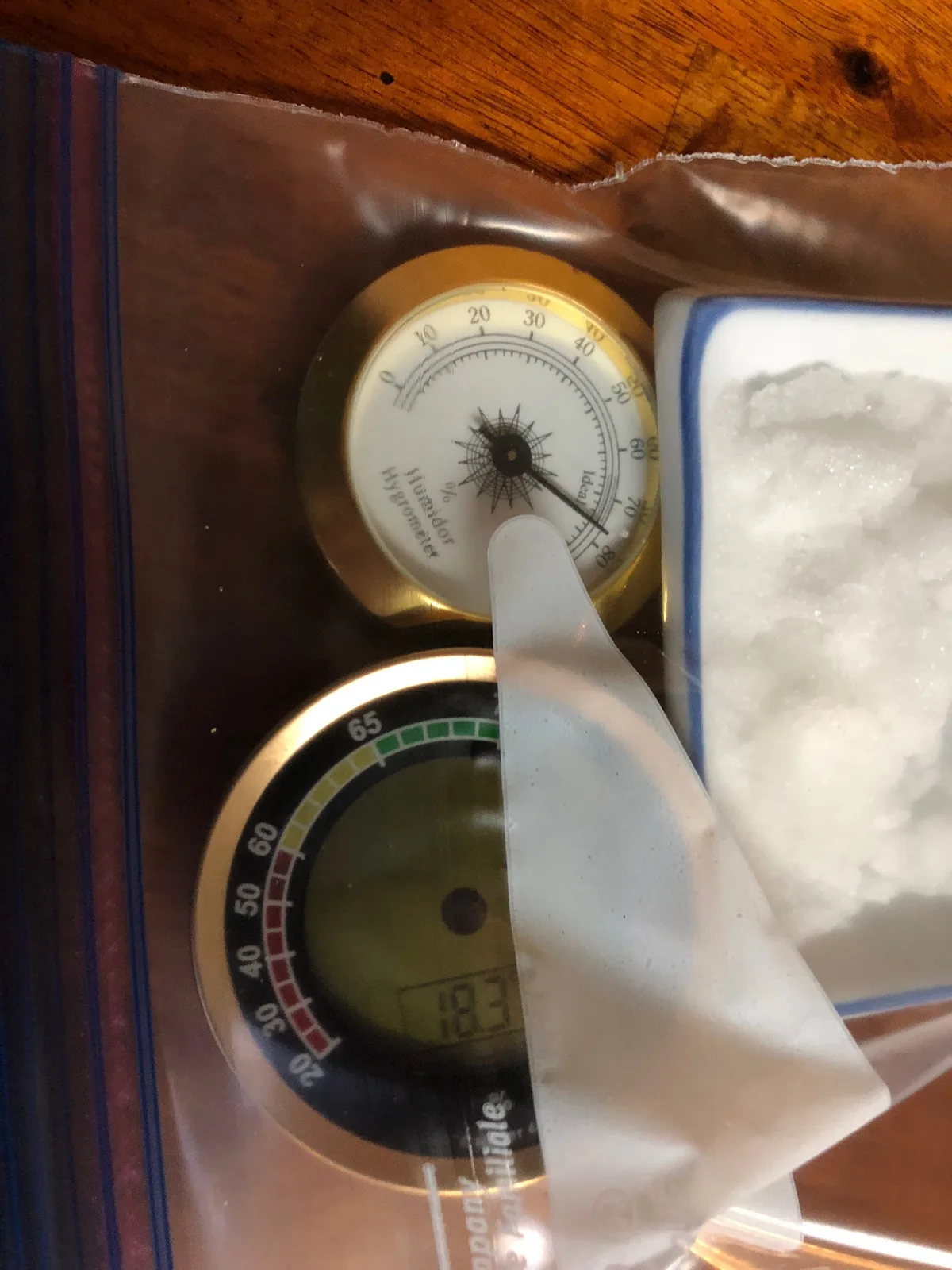
The science is straightforward. Table salt, or sodium chloride, pulls moisture from the air until the air above it reaches a stable saturation point. At room temperature, that's right around 75% relative humidity.
Seal it in a container with your hygrometer and it becomes a calibration standard.
Here's how to do it:
What you need:
- A small cup or bottle cap
- 2, 3 tablespoons of plain table salt
- A little bit of water (don't saturate it, just dampen the salt)
- A sealable container, like a zip-top bag or plastic tub
- Your digital hygrometer, placed nearby
The steps:
- Put the damp salt in the cup. It should be wet but not swimming.
- Place the cup and the hygrometer inside the container. Keep the hygrometer out of direct contact with the salt.
- Seal the container tightly. Air leaks ruin the test.
- Wait 12, 24 hours. Don't open it in between.
- Open the container and read the display. The hygrometer should read 75.3% RH.
If your unit reads between 73.3% and 77.3%, that's within ±2% of the reference point. Most consumer hygrometers fall into that bracket. If it reads 70% or 80%, you've got a problem worth solving.
What the Results Actually Mean: Is It Good Enough or Is It Garbage?
Once you have your salt test result, you need a clear rule for what comes next. The table below gives you that.
| Salt Test Result | What It Means | What to Do |
|---|---|---|
| 74.3–76.3% RH | Excellent | Do nothing |
| 73.3–77.3% RH | Acceptable | Do nothing |
| 70–73% or 78–80% | Borderline | Adjust offset or recalibrate |
| Under 70% or over 80% | Failing | Replace the sensor or the whole unit |
Here is the key insight: a consistent offset is not a disaster. If your hygrometer reads 72% when the real value is 75%, that's a stable 3% error. Many units let you program an offset or calibration correction.
You can set the display to add 3% and go on with your life.
If the reading is bouncing around wildly, that's a different problem. A good hygrometer should be stable. If it swings by several percent within a few minutes, with no change in the room's humidity, the sensor is failing.
No offset can fix that.
Also, check the humidity trend over time. Place two hygrometers side by side for a day. If they diverge by more than 5% in the same air, the cheaper unit is likely the culprit.
Sensor drift isn't always predictable, but it almost always gets worse.
The salt test won't tell you accuracy at 30% RH or 90% RH. It only verifies one point on the scale. But for most real-world uses, that one point is enough.
If the hygrometer is accurate at 75% RH, it's usually accurate enough across the range.
When to Fix vs. When to Replace: Calibration, Drift, and Your Options
Consumer hygrometers are not meant to be lab instruments. They drift, they age, and eventually they need attention. The question is whether you can fix yours or if it's time to toss it.
Fix it if:
- Your unit has a calibration offset feature. You can adjust the reading and the salt test confirms the error is consistent.
- The sensor is accessible and just covered in dust. A gentle brush or a puff of compressed air might restore it.
- The error is within 3, 5% RH and your use case doesn't demand perfection.
Replace it if:
- The error is more than 5% RH and there's no calibration feature.
- The reading is unstable or jumps around without reason.
- The sensor has been exposed to condensation, smoke, or strong chemical fumes.
- The unit is more than 3, 5 years old. Sensor drift is cumulative.
For serious applications, you can also step up to a NIST-traceable hygrometer. These are calibrated against national standards and come with a certificate. They cost more, but they're the reference-grade option for labs, museums, and serious collector setups.
You can learn more about humidity calibration standards at NIST.
Here's the practical reality: most people never calibrate their hygrometer. They buy it, hang it on the wall, and assume the number is true. The salt test takes one hour and a little salt.
Before you decide to fix or replace, do the salt test twice, about two weeks apart. If the error grows, the sensor is degrading. If it stays the same, you can set an offset and trust the unit for another year.
Real Scenario: A Humidor Disaster Averted by a Simple Check
A friend of mine keeps a small collection of premium cigars in a desktop humidor. He had a $12 hygrometer that read 72% RH consistently. The cigars seemed fine.
One day he noticed a faint musty smell. He pulled out the hygrometer and did a salt test.
The result: the hygrometer read 65% RH in the test chamber. The real value was 75.3%. That meant his humidor was actually running at 82% RH, not 72%.
The musty smell was the first warning sign of mold.
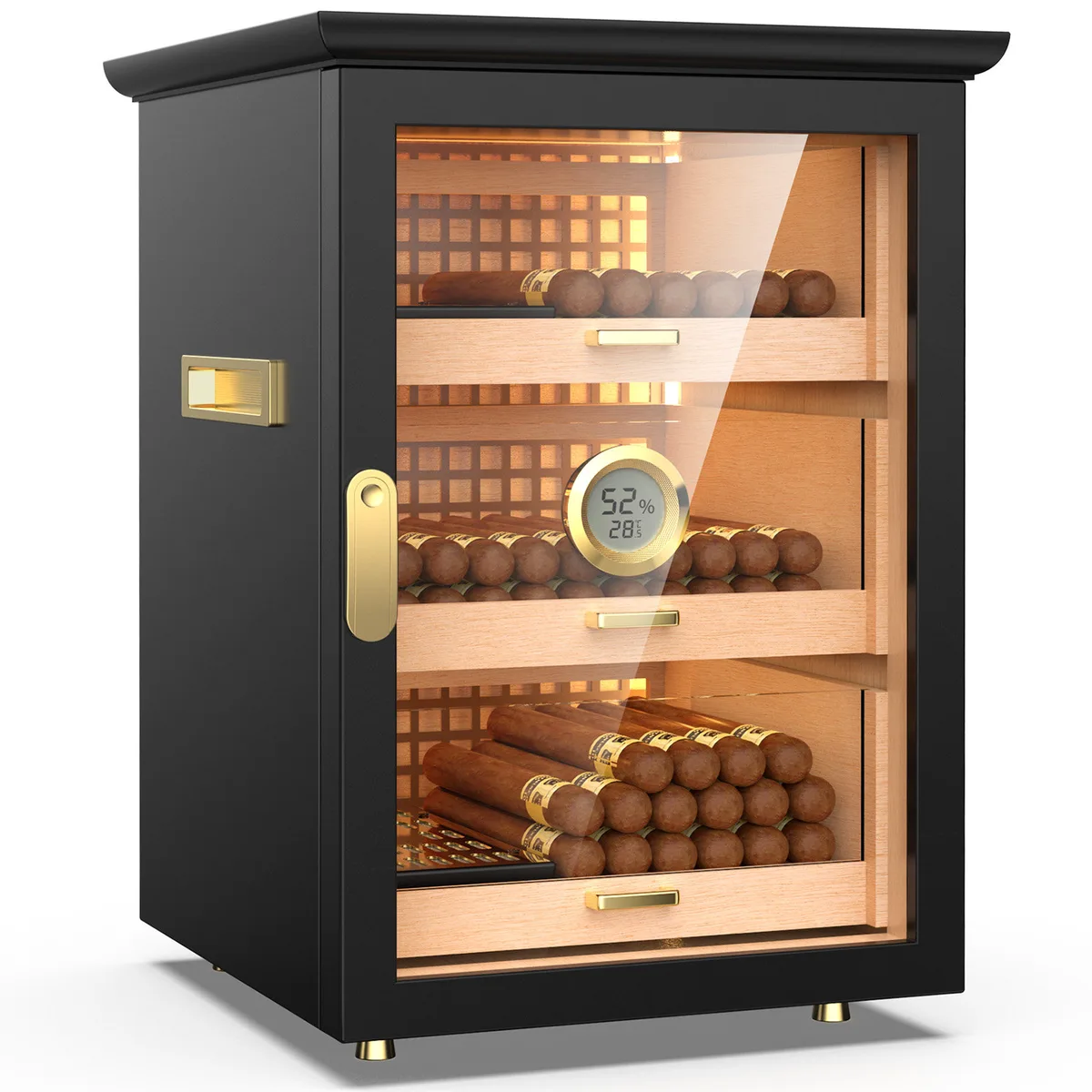
He replaced the hygrometer with a mid-range unit that passed the salt test. The new reading in the humidor showed 84% RH. He had to air out the cigars, replace the humidification solution, and drop the humidity back to 68% over several days.
The cigars survived. But the lesson was clear: a 7% error on a cheap sensor nearly cost him a $500 collection.
This scenario is not rare. Aggregate user feedback shows that budget hygrometers under $10 can be off by 10% or more right out of the box. The salt test is cheap insurance.
Frequently Asked Questions
What is a good accuracy for a digital hygrometer?
A good accuracy for most home uses is ±3% RH or better. For sensitive applications like cigar storage or instrument care, aim for ±2% or better. Budget units at ±5% can still be useful if you calibrate them first.
How often should I calibrate my hygrometer?
Calibrate every 6 to 12 months for best results. Sensors drift over time, especially in dusty or humid environments. If you notice readings that seem off or if your hygrometer is more than two years old, run a salt test.
Can I calibrate a hygrometer without a salt test?
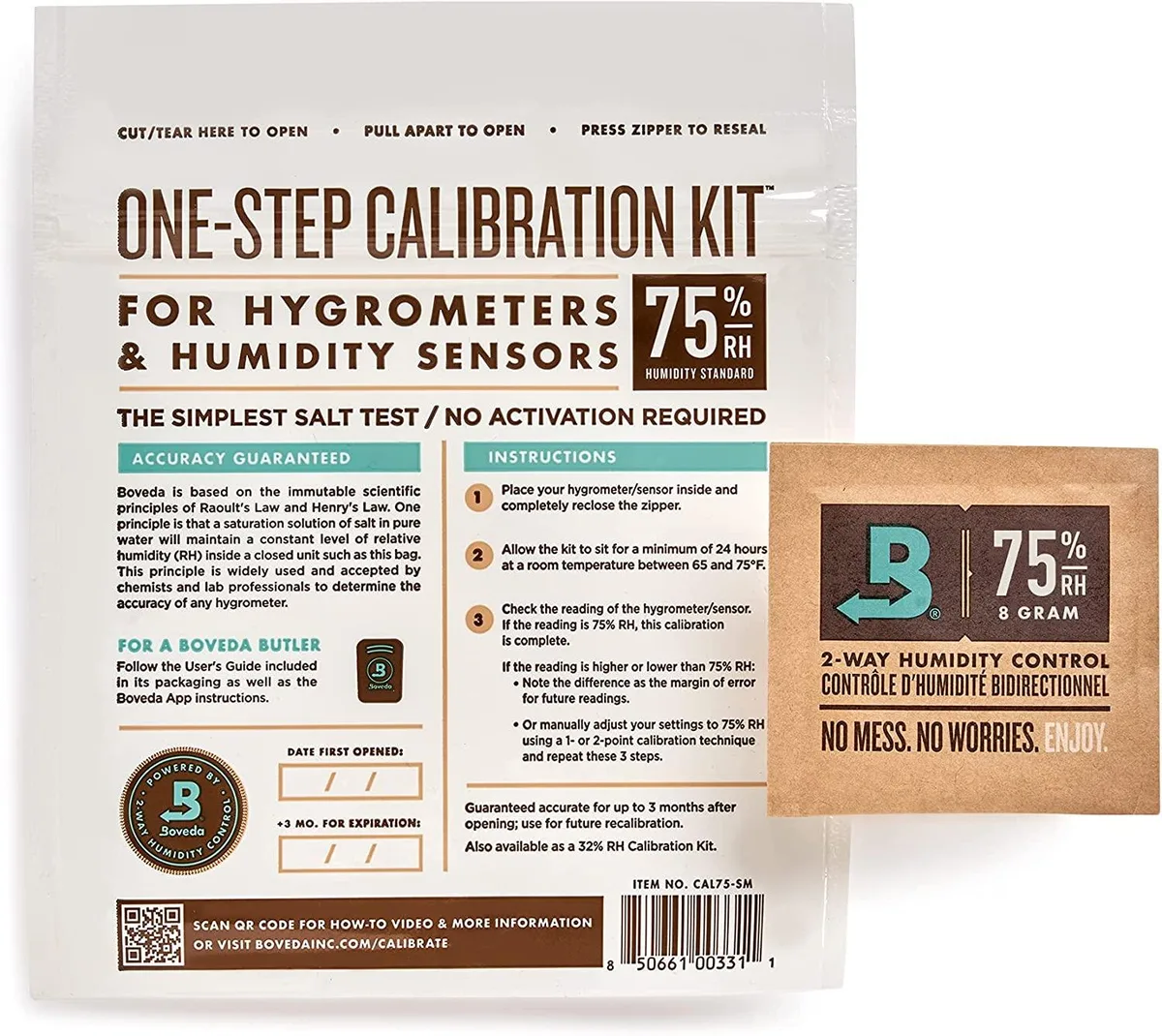
Yes, some higher-end models include a calibration kit with a known humidity packet. Boveda makes one-way humidity packs that work similarly to the salt test. But the salt test is just as accurate and costs pennies.
Why does my hygrometer read differently from another one?
Different sensors have different tolerances. Placement also matters. One hygrometer might be near a wall or a draft, while the other is in the open air.
Run a salt test on both to see which one is right.
Do expensive hygrometers last longer?
In general, yes. Premium models use capacitive sensors that resist drift better. They also have better build quality and longer battery life.
But a cheap hygrometer that passes the salt test is fine for most uses.
Final Verdict: How Much Should You Trust Your Digital Hygrometer?
Trust your hygrometer only after you have tested it. If it passes the salt test within ±3% RH and holds a stable reading, it's reliable enough for most situations. If it fails the test or shows unstable readings, don't trust it.
The good news is that you don't need to spend a lot to get a reliable unit. A $20 hygrometer that passes the salt test is often good enough for home use. The bad news is that you cannot skip the test.
Even expensive units drift.
The salt test is free, easy, and takes one evening. Do it once on a new hygrometer. Do it every six months on your old one.
That one step will save you money, frustration, and possibly a few valuable items.