How to Measure Indoor Humidity
You might not think about it much, but the air inside your home has a huge say in how comfortable you feel, whether your wooden floors survive the winter, and whether mold starts creeping into corners. Figuring out how to measure indoor humidity is the first step to getting that air under control, and it's simpler than you'd expect.
The right indoor humidity range sits between 30% and 50% relative humidity, according to the EPA. Go too high and you're inviting dust mites and mold. Go too low and your skin, sinuses, and furniture all start complaining.
Let's walk through the best ways to check what's happening in your space.
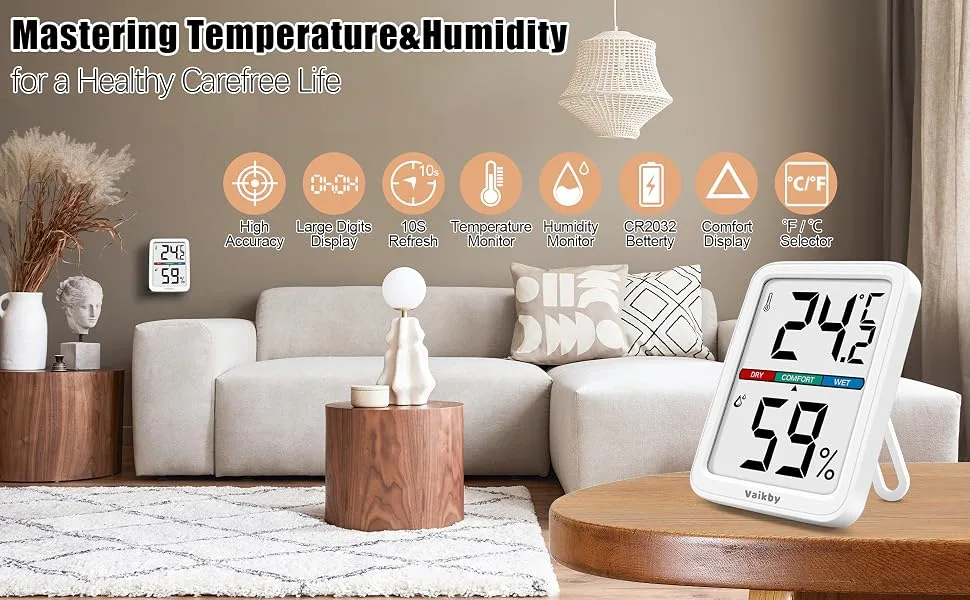
Image source: Bing (Web (fair-use with source credit))
Quick Answer
You measure indoor humidity with a hygrometer. Place it in a central room away from windows and vents. Let it sit for 15 minutes.
Read the relative humidity percentage. For a rough check, use the ice glass test. The ideal range is 30% to 50% RH.
What's Your Indoor Humidity Actually Doing?
Before you reach for a tool, look around. Your home gives you clues. Condensation running down your windows in the morning is a dead giveaway that humidity is high.
Static shocks when you touch a doorknob? That's low humidity. Wood floors that creak or gap in winter are also telling you the air is too dry.
The problem is that our bodies are terrible at measuring humidity. You can feel sticky or dry, but you can't reliably say "we're at 58% RH." That's why you need an objective measurement.
If you've noticed any of these signs, it's time to test. You don't need expensive gear to start. You can even do a quick check with items from your kitchen.
The Two-Minute Ice Glass Test (No Tools Needed)
This is the fastest way to spot high humidity without buying anything. Fill a glass with ice cubes and water. Stir it for a few seconds.
Let it sit for three minutes. Then look at the outside of the glass.
If the glass is covered in condensation, your indoor relative humidity is above 50%. If water is running down the glass, you're above 60%. If the glass is dry or only has a light mist, your humidity is likely in a healthy range.
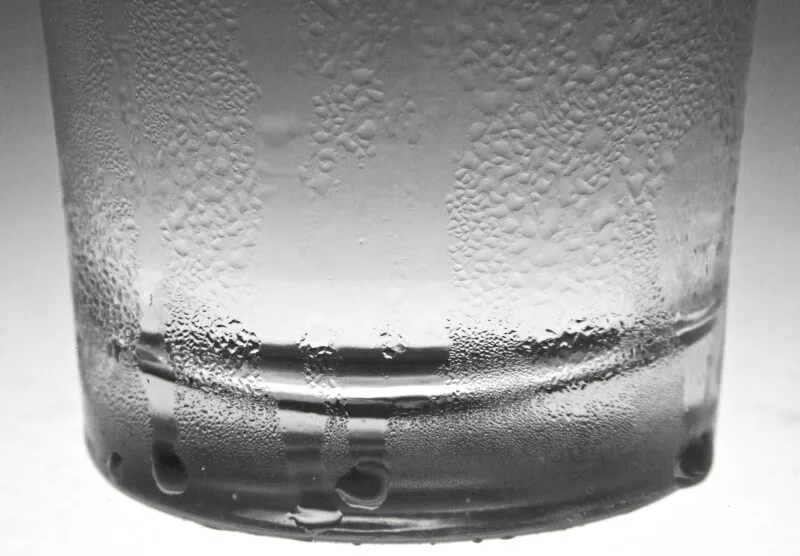
Image source: Bing (Web (fair-use with source credit))
This test isn't precise. It won't tell you if you're at 35% or 42%. But it's a reliable pass/fail for high humidity.
It works best when your indoor air is still and the room temperature is between 65°F and 75°F.
If your glass shows heavy condensation, move to a more accurate measurement method. If it's dry, you're probably fine. But you still might want a baseline reading.
Choosing the Right Tool for Your Situation
You have a few options here. Which one is best depends on what you need to know and how much you want to spend.
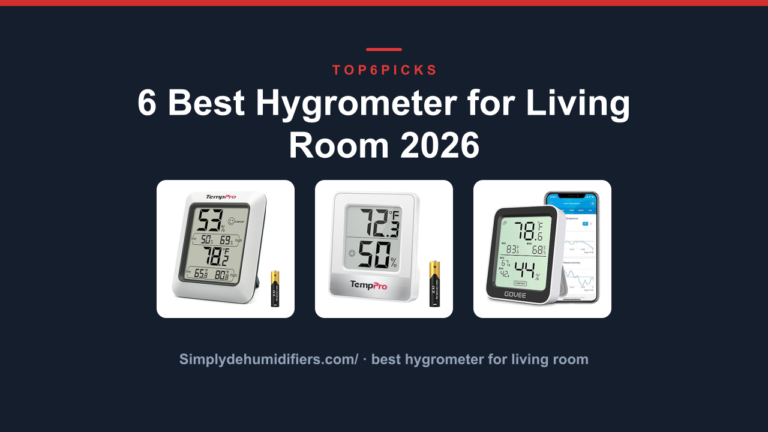
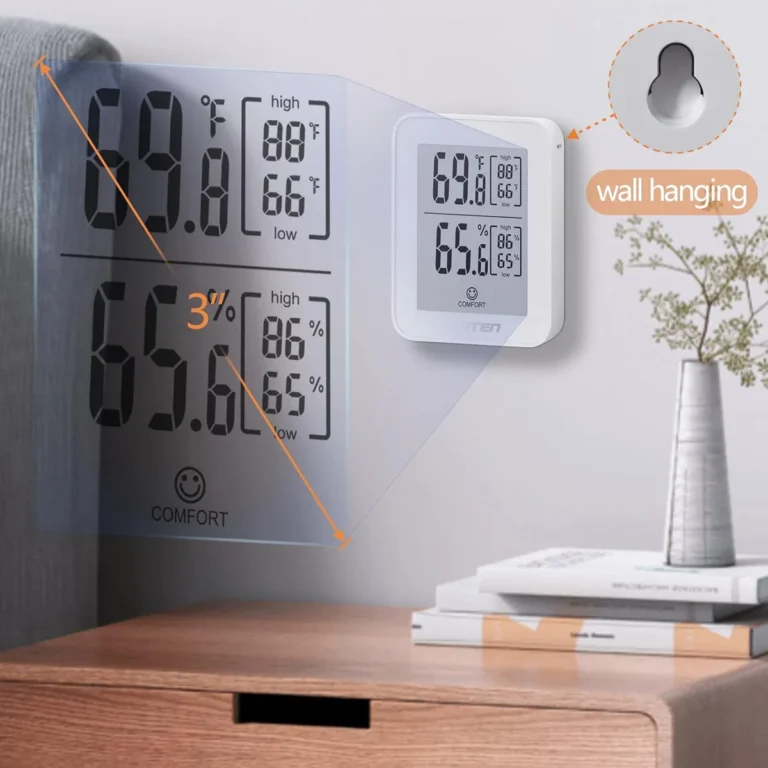
Digital hygrometer. This is the easiest and most accurate option for most people. A basic digital hygrometer costs between $10 and $30. It shows the current relative humidity percentage on a small screen.
Many also show the temperature. Look for a model with an accuracy of ±5% RH or better. More expensive models offer ±2% RH.
Analog hygrometer. These are the old-fashioned dial types. They're cheaper, often under $10, but they're less accurate. Aggregated user reviews consistently report that analog models drift over time.
They're fine for a rough idea, but not for making decisions about mold control or wood preservation.
Smart sensor. If you want to track humidity over time, a smart indoor climate monitor connects to your phone. It records highs and lows. Some models integrate with your smart thermostat.
You'll pay $30 to $60. This is useful if you're fine-tuning a dehumidifier or humidifier.
Sling psychrometer. This is a scientific tool used by HVAC technicians. It uses a wet bulb and a dry bulb thermometer to calculate humidity. It's very accurate but requires practice.
You can find them for $20 to $40. For most homeowners, this is overkill.
Here's a quick comparison table:
| Tool | Accuracy | Cost | Best For |
|---|---|---|---|
| Digital hygrometer | ±2% to ±5% RH | $10–$30 | Everyday monitoring |
| Analog hygrometer | ±5% to ±10% RH | Under $10 | Quick look, low budget |
| Smart sensor | ±2% to ±3% RH | $30–$60 | Tracking trends over time |
| Sling psychrometer | ±1% RH | $20–$40 | Professional or precise needs |
If you're just starting out, get a digital hygrometer. It's the best balance of accuracy and affordability.
How to Use a Hygrometer Right (and Fix Placement Mistakes)
You've got your hygrometer. Now where do you put it? This matters a lot.
A bad reading is worse than no reading.
Place the hygrometer in a central room, at least 5 feet off the floor. Keep it away from windows, exterior walls, doors, and direct sunlight. Don't put it near a kitchen stove, bathroom, or any source of steam.
And definitely don't place it next to a heat vent or a humidifier.
The worst mistake is reading the humidity from your thermostat. Many thermostats have a built-in humidity sensor. But they're often located in hallways or near the thermostat itself, which can be influenced by the wall temperature.
Aggregate user reports show that thermostat readings can be off by 10% or more.
Let the hygrometer sit for 15 minutes before reading it. If you just brought it in from a cold car, let it acclimate for 30 minutes. Take readings at different times of day.
Humidity changes with cooking, showering, and heating cycles.
If you're checking multiple rooms, take readings in the basement, bedroom, and living room separately. Basements are often higher. Bedrooms can be lower because of dry air from heating.
You want to know the worst case and the best case.
The Salt Test: Calibrating Your Hygrometer for Accuracy
You can trust a new hygrometer for a while. But over time, the sensor can drift. That's why you should calibrate it every six months.
The easiest way is the salt test. It uses simple table salt to create a known humidity reference.
Here's how to do it:
- Put a small dish of salt in a shallow bowl. Add just enough water to make the salt wet, but not dissolved. You want a slushy consistency.
- Place the bowl and your hygrometer inside a sealed plastic bag or a large zip-top bag. Seal it tight.
- Let it sit for 8 to 12 hours at room temperature. Do not disturb it.
- After that time, the air inside the bag will reach 75% relative humidity. This is a stable reference point.
- Check your hygrometer. It should read 75%. If it reads 70%, you know it's off by 5%. If your hygrometer has a calibration adjustment, tweak it. If it doesn't, simply note the offset.
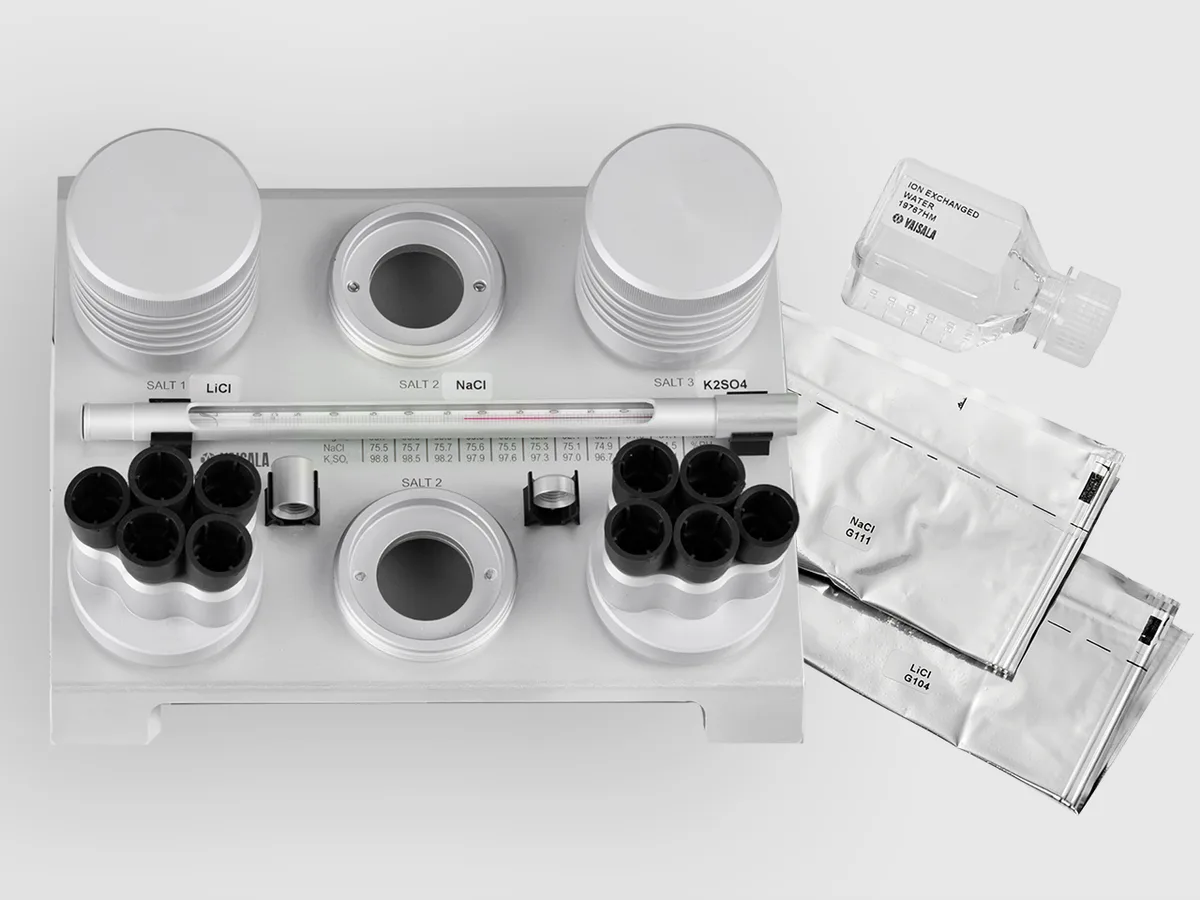
Image source: Bing (Web (fair-use with source credit))
This method is documented by the National Institute of Standards and Technology as a reliable calibration technique. It works because the saturated salt solution maintains a constant humidity level.
If your hygrometer is off by more than 10%, consider replacing it. Cheap sensors drift too far to be useful. A calibrated hygrometer gives you readings you can actually act on.
What Your Humidity Reading Actually Means
So you've got a number. Now what? A reading between 30% and 50% relative humidity is your target zone.
That's the sweet spot recommended by the EPA for comfort and to keep mold from growing. But the right number shifts with the season.
In winter, aim for the lower end, closer to 30% to 40%. Warm air holds more moisture. The same percentage feels different when it's 70°F inside versus 32°F outside.
High humidity in winter also causes window condensation and can rot window frames.
In summer, the upper range of 45% to 50% is comfortable and safe. But if you live in a hot, humid climate, you might need a dehumidifier to stay there. An air conditioner also dries the air, which helps.
A reading below 25% means the air is dry enough to cause static shocks, cracked wood, and irritated sinuses. A reading above 55% that stays there for days is a red flag. Mold, dust mites, and mildew become much more likely once you pass 60%.
Don't just look at a single reading. Track trends. Check your hygrometer in the morning and evening for a few days.
Humidity naturally swings with cooking, showering, and the weather outside. What matters is the average and the peaks.
If your home sits above 55% for more than a day, fix the moisture source first. Check for leaky pipes, wet basements, or poor bathroom ventilation. If you're consistently below 25%, add moisture with a humidifier.
Or at least keep houseplants around.
You can also calculate the dew point if you want a deeper picture. The dew point is the temperature at which air releases moisture. A higher dew point means more moisture in the air.
Many hygrometers show this automatically.
Frequently Asked Questions
How often should I check indoor humidity?
Once a week is enough during normal conditions. Check daily during very wet or very dry seasons. Also check daily if you're dealing with a mold problem or wood damage.
A quick morning reading tells you the worst case.
Can I measure humidity with my phone?
Not directly. Some phones have sensors, but they measure the phone's environment, not your room. There are apps that claim to estimate humidity, but they're not accurate.
Buy a $10 hygrometer instead.
Do thermostats give reliable humidity readings?
Sometimes, but not always. Thermostat sensors are located in the unit. They can be affected by the wall behind it.
Compare your thermostat reading to a calibrated hygrometer. If they disagree by more than 5%, trust the hygrometer.
What causes high indoor humidity?
Cooking, long steaming showers, drying laundry inside, houseplants, and unvented bathrooms or dryers all add moisture. A wet basement or crawlspace is another big source. Fix the source before running a dehumidifier.
What is a hygrometer and how does it work?
A hygrometer measures the physical properties of the air to determine moisture content. Digital models use a small sensor that reacts to humidity changes. Most show an accuracy rating like ±5% RH.
Keep that number in mind when reading your device.
Should I buy a separate hygrometer for the basement?
Yes, if you use the basement often or have had moisture issues there. Basement humidity often runs higher than upstairs. A spare hygrometer lets you catch rising moisture before mold gets a foothold.