What Humidity Should I Set My Dehumidifier To
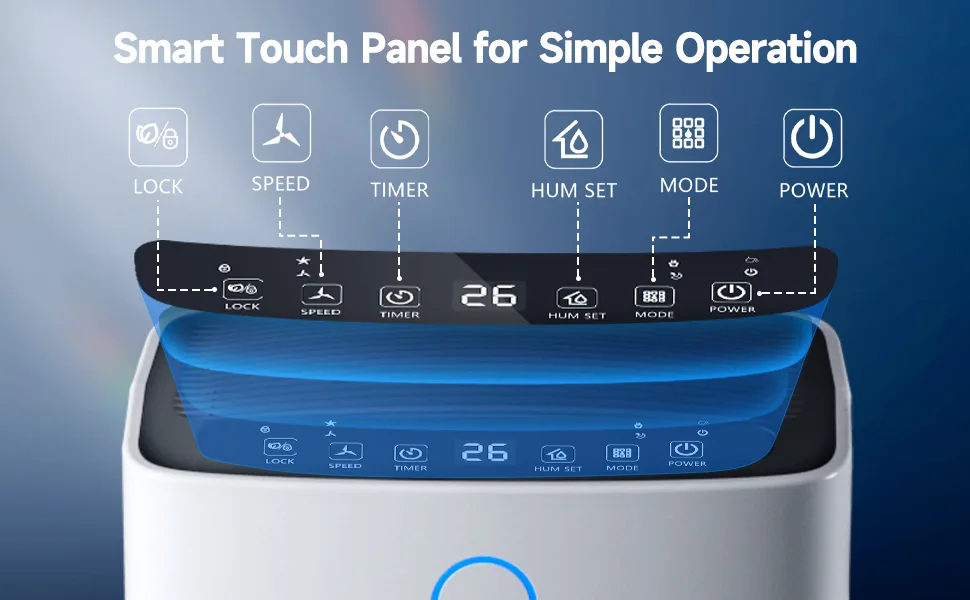
Image source: Bing (Web (fair-use with source credit))
Problem: Why Your Dehumidifier Isn't Solving the Problem
Your dehumidifier runs constantly. The bucket fills up. The air still feels damp.
That's frustrating, and it usually means the setpoint is wrong.
The biggest mistake people make is treating this as a "set it and forget it" appliance. They pick a random number, usually 50%, and assume it works everywhere and in every season. It doesn't.
If you set it too low, below 30%, you risk dry skin, static shocks, and cracked wood floors. Too high, above 60%, and you're giving mold and dust mites a comfortable home.
Aggregate user reviews report that many people see zero improvement for weeks because the target humidity is off. The fix isn't a new machine. It's the right setting for your specific situation.
Quick Answer
Set your dehumidifier to 50% relative humidity as a baseline. That's the number the EPA and most manufacturers recommend as a starting point as of 2026.
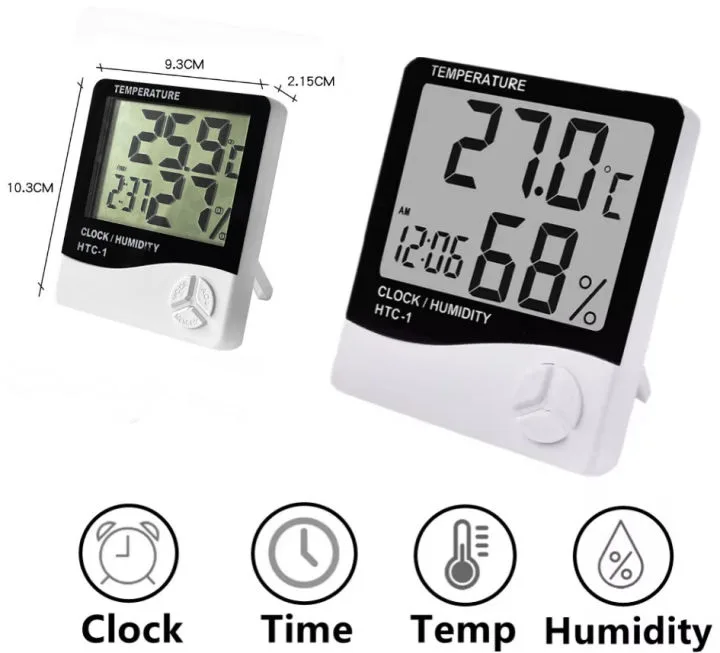
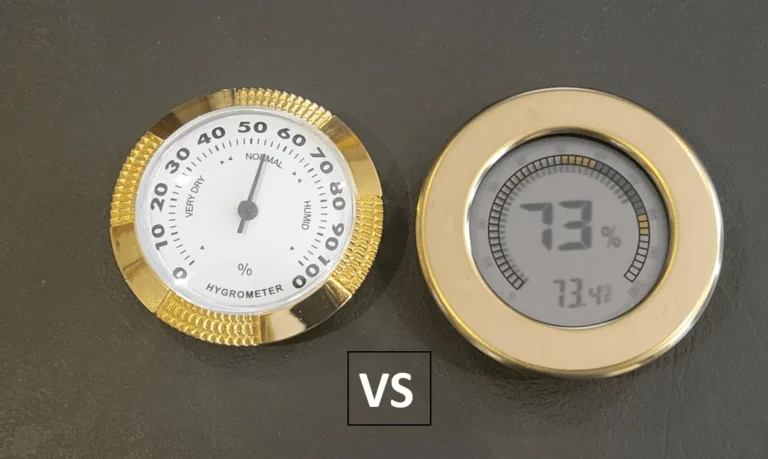
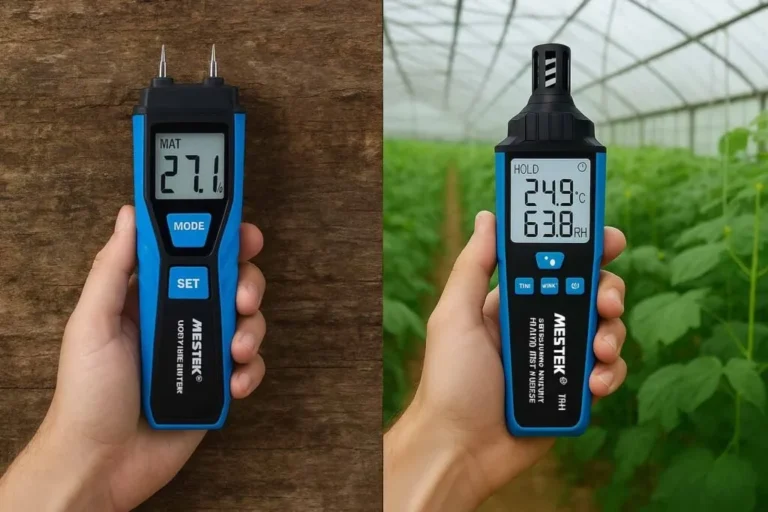
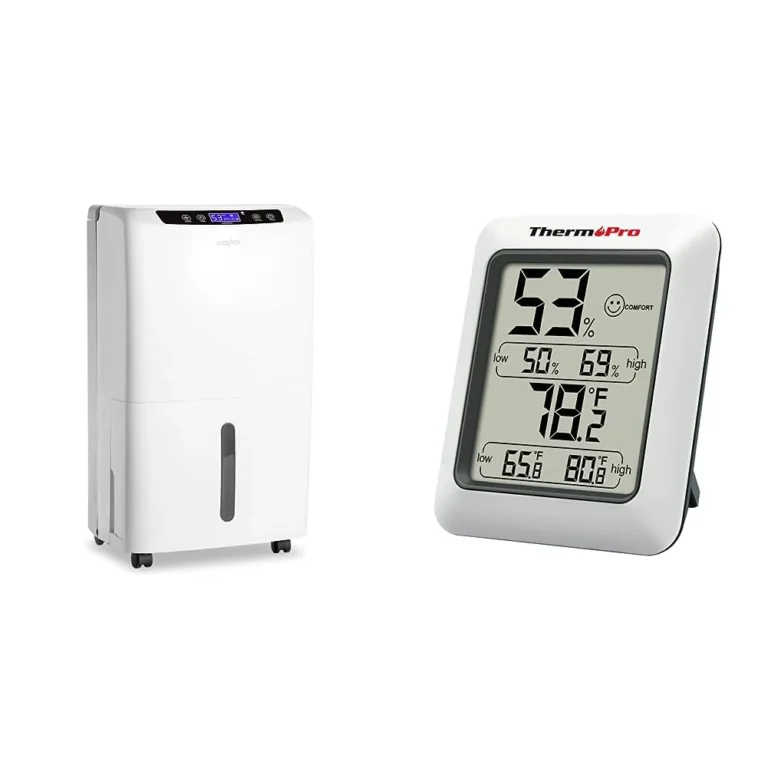
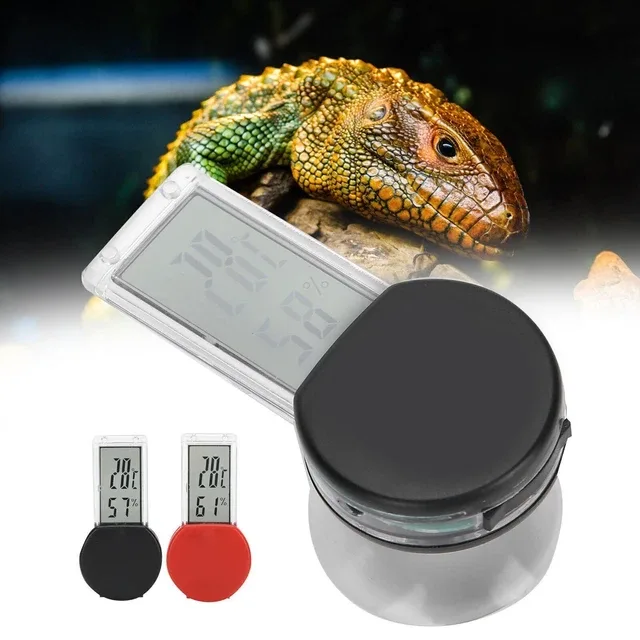
Your built-in hygrometer might be off by as much as 10%. Buy a separate hygrometer and place it in the middle of the room. Use that reading as your real baseline.
Adjust your setpoint based on room type and season. Basements generally need 40, 50%. Living areas need 45, 50%.
Summer calls for 40, 50%, while winter calls for 30, 40%.
The Two Big Variables That Change Your Target
Two factors matter more than anything else: the room type and the season. Ignore either one, and you'll either waste energy or invite mold.
Room Type: Basement vs. Living Space vs. Crawlspace
Basements are naturally cooler and damper. They sit below grade, so moisture seeps through concrete and walls. Living spaces on the main floor are warmer, drier, and better ventilated.
Crawlspaces are often unheated and poorly sealed, which makes them prone to condensation.
Each space needs a different target because the moisture source and temperature are different. A basement at 55% can feel fine but still breed mold. A living room at 55% might feel comfortable and safe.
Season: Summer Humidity vs. Winter Dryness
In the summer, outdoor air is warm and humid. Your AC removes some moisture, but it can't always keep up, especially during rainstorms. In the winter, heated air is dry.
That same 50% target would feel uncomfortably damp and could cause condensation on cold windows.
The fix is simple: adjust the setpoint when the seasons change. One setting for July will not work in January.
The Basement vs. Living Space Decision
Room type drives your starting point. This is where most people find the answer they need.
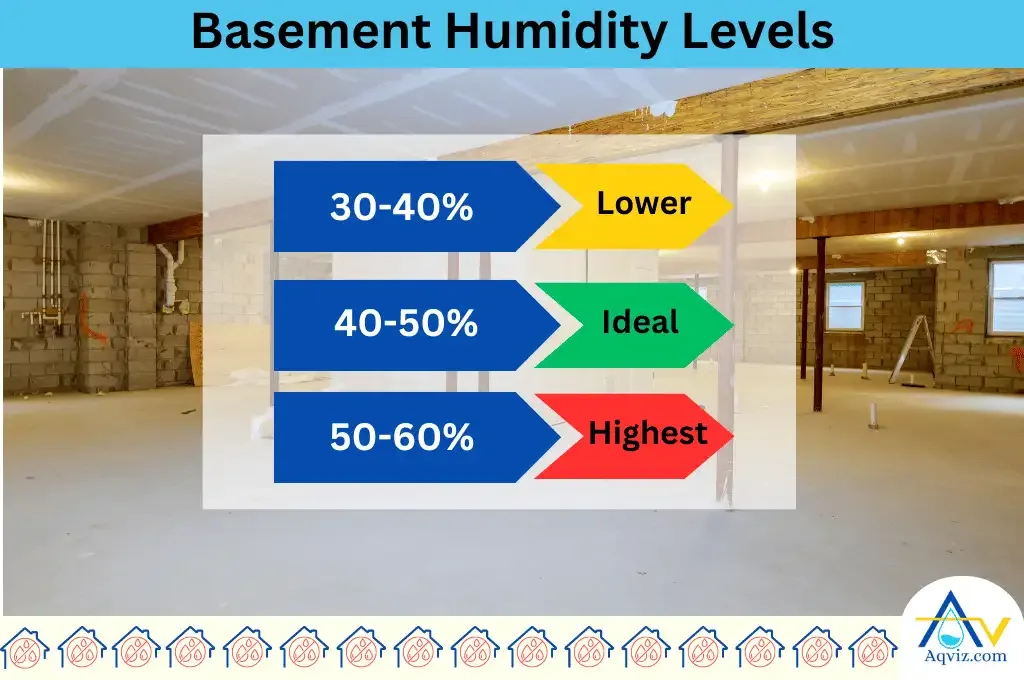
Image source: Bing (Web (fair-use with source credit))
Basements and Crawlspaces: 40–50%
Basements are the number one spot for a dehumidifier. The target here is 40, 50%. Start at 50%.
If you still smell mustiness or see condensation on pipes, drop it to 45%. If that doesn't fix it, go to 40%. Do not go below 35%.
That can damage stored items and dry out wood framing.
For crawlspaces, the same range applies. If your crawlspace is encapsulated, stay at 50%. If it's open to the ground, run it at 40% to keep moisture under control.
Bedrooms and Living Areas: 45–50%
For the main floor, 45, 50% is the sweet spot. This range keeps dust mites and mold spores from thriving. It also feels comfortable for most people.
If you have allergies, lean toward 45%. If you're fine with a little humidity, 50% is enough.
One thing to watch: if you set it below 45% in a bedroom, you might wake up with dry sinuses or a scratchy throat. That's a sign it's too low.
Garages and Unfinished Spaces: 50–60%
Garages don't need tight control. They're not finished living spaces, so you have more flexibility. Set the dehumidifier to 50, 60%.
This range prevents rust on tools and keeps cardboard boxes from getting soggy. Don't bother with a super-low setting here. It's a waste of energy.
The Summer vs. Winter Decision
The season changes everything. Your dehumidifier can't use the same setting year-round and expect good results.

Image source: Web (Bing) / 10wallpaper.com (Web image (fair-use with source credit))
Summer: 40–50% with AC
In the summer, your AC is already removing moisture as it cools the air. The dehumidifier picks up the slack. Set it to 40, 50%.
If your AC keeps humidity at 55% on its own, set the dehumidifier to 50% and let it run only when needed.
If you live in a humid climate like the Gulf Coast, you may need to go down to 40% during July and August. That's normal.
Winter: 30–40% with Heat
In the winter, heated air is dry. If you set the dehumidifier to 50%, it will run constantly and never reach the target. Set it to 30, 40%.
This prevents condensation on windows and stops mold from growing in cold corners.
If you see frost on your windows, indoor humidity is too high. Lower the setpoint. If your skin feels dry or you get static shocks, it's too low.
Adjust up by 5%.
Transition Seasons: Watch for the 60% Warning Line
Spring and fall are tricky. The weather swings from humid to dry. Keep an eye on the 60% line.
If indoor humidity stays above 60% for more than a day or two, mold risk goes up. Set the unit to 50% during these months.
Check the humidity level once a week and adjust as needed. Once you get the hang of it, it takes two seconds.
The Mistakes Most People Make
Even with the right target, small errors can keep your dehumidifier from working well.
Trusting the Built-In Hygrometer Blindly
The sensor on your dehumidifier is often off by 5 to 10%. That means it might say 50% when the room is actually 55% or 60%. Place a separate hygrometer in the middle of the room.
Use that reading to set your unit. It costs about ten dollars and saves you a lot of frustration.
Setting It Once and Forgetting It
Your dehumidifier needs seasonal adjustments. The setting for July won't work in January. Mark your calendar to check the humidity level every three months.
When the weather changes, change your setpoint.
Running It Too Low, Too Fast
Some people set the dehumidifier to 30% right away. That's a mistake. It forces the unit to run constantly, wastes energy, and can dry out your skin and wood floors.
Start at 50%. Wait 24 hours. If you still feel dampness, drop it by 5%.
Give your home time to stabilize.
Frequently Asked Questions
What humidity should I set my dehumidifier to in the summer?
Set it to 40 to 50 percent. Your AC is already removing some moisture, so the dehumidifier backs it up. If you live in a very humid area, go down to 40 percent.
What humidity should I set my dehumidifier to in the basement?
Set it to 40 to 50 percent. Start at 50 percent. If you smell mustiness or see condensation, drop it to 45 percent.
Do not go below 35 percent.
What happens if I set my dehumidifier too low?
Setting it below 30 percent forces the unit to run nonstop. It wastes energy, dries out your skin, and can crack wood floors and furniture. It also creates static electricity.
What happens if I set it too high?
Setting it above 60 percent allows mold, mildew, and dust mites to thrive. You might notice a musty smell or condensation on windows. Keep it below 60 percent to stay safe.
Should I run my dehumidifier all the time?
No. Your dehumidifier should cycle on and off to maintain the setpoint. If it runs nonstop, the target is too low or the unit is too small for the room.
Let it cycle.
The Decision Guide: Your Starting Point, Room by Room
Here is a quick reference table. Use it to find your starting point. Then adjust based on your specific situation.
| Room Type | Starting Setpoint | Adjust If |
|---|---|---|
| Basement (finished) | 50% | Drop to 45% if musty |
| Living room | 50% | Drop to 45% if allergies |
| Bedroom | 50% | Drop to 45% if condensation |
| Crawlspace | 50% | Drop to 40% if open to ground |
| Garage | 50% | Stay at 50-60% if needed |
| Summer (with AC) | 45% | Drop to 40% in high humidity |
| Winter (with heat) | 35% | Raise to 40% if dry skin |
Start at the setpoint in the table. Wait 24 to 48 hours. Check the humidity level with a separate hygrometer.
If the air still feels damp, drop the setpoint by 5%. If it feels too dry, raise it by 5%. Small adjustments make a big difference over time.