How Quickly Does a Dehumidifier Remove Moisture
If you've just bought a dehumidifier, the first question is probably the same one everyone asks. How quickly does a dehumidifier remove moisture from a room? It's a fair question, and the answer is more complicated than a single number.
The truth is, removal speed varies wildly based on your specific situation. Under standard AHAM testing conditions, a typical 30-pint unit removes about 1.25 pints per hour. A 70-pint model pulls roughly 2.9 pints per hour.
But those numbers assume perfect conditions. Your actual real world results will differ. Let's break down why.
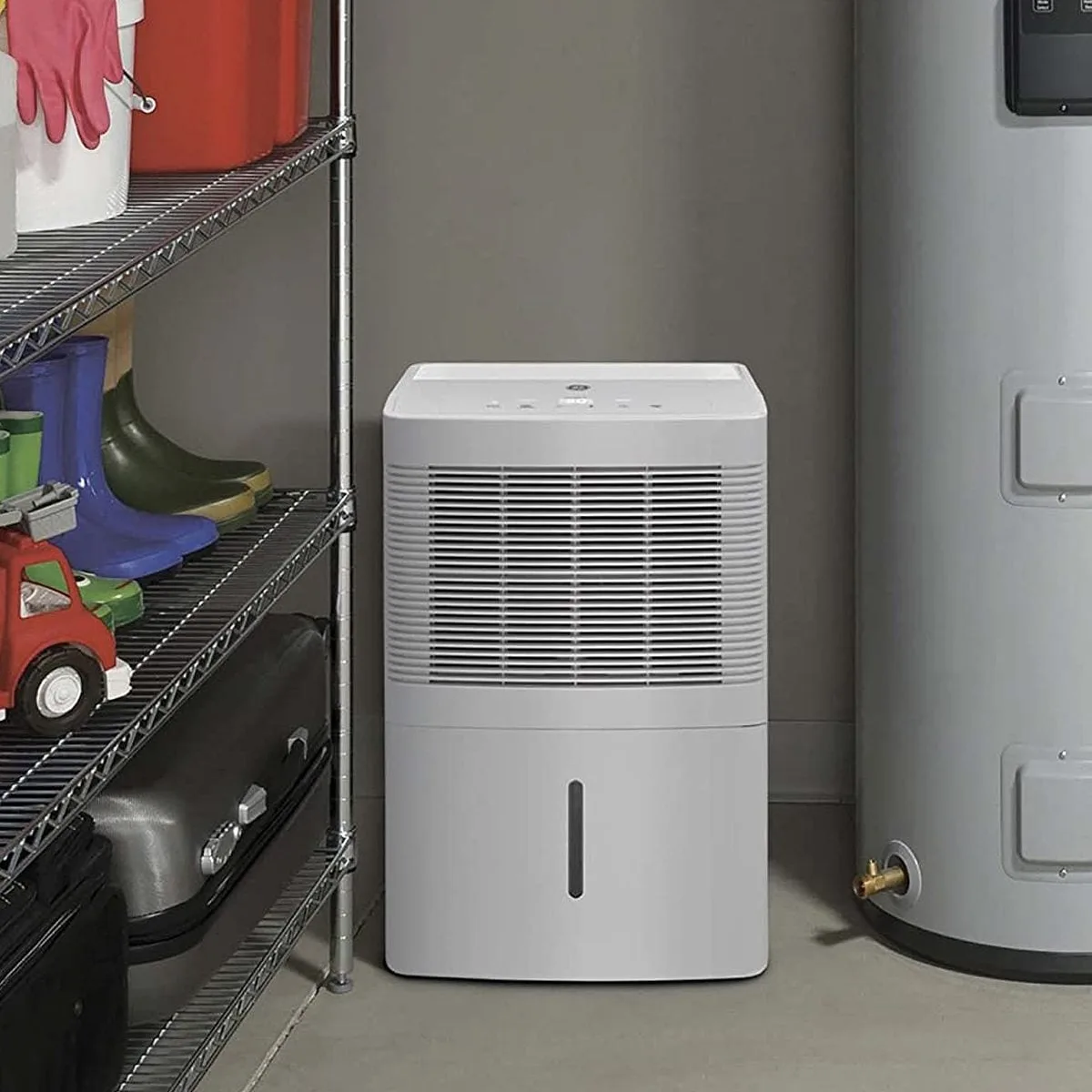
Image source: Bing (Web (fair-use with source credit))
Quick Answer
A dehumidifier removes moisture at a rate of 20 to 70 pints per day. The speed depends on several factors. It is not a fixed number.
It changes with your room and conditions. Most units drop humidity by 10 to 15 percent in the first 24 hours.
The 5 Variables That Control Removal Speed: Room Size, Humidity, and Temperature
You cannot get a useful answer about removal speed without understanding these five factors. They are the difference between a unit that works in a day and one that runs for a week.
Room size. This is the biggest factor. A 30-pint unit in a 300-square-foot bedroom will work faster than the same unit in a 1500-square-foot basement. You need to match the pint capacity to the square footage.
Starting humidity level. A room at 90 percent relative humidity will take longer to dry than one at 70 percent. The dehumidifier has to pull more total water out of the air. The higher the starting point, the longer the first run.
Temperature. Compressor dehumidifiers work best above 65 degrees Fahrenheit. Below that, the coils can freeze. Desiccant units handle lower temperatures better.
If your basement is cold, removal speed drops significantly.
Unit capacity. A 70-pint unit removes moisture faster than a 30-pint unit. That seems obvious, but many people buy a unit that is too small for their space. They wonder why it never catches up.
Airflow and placement. A dehumidifier needs space to breathe. If you push it against a wall or stick it in a corner, the air cannot circulate properly. That cuts removal speed by a noticeable amount.
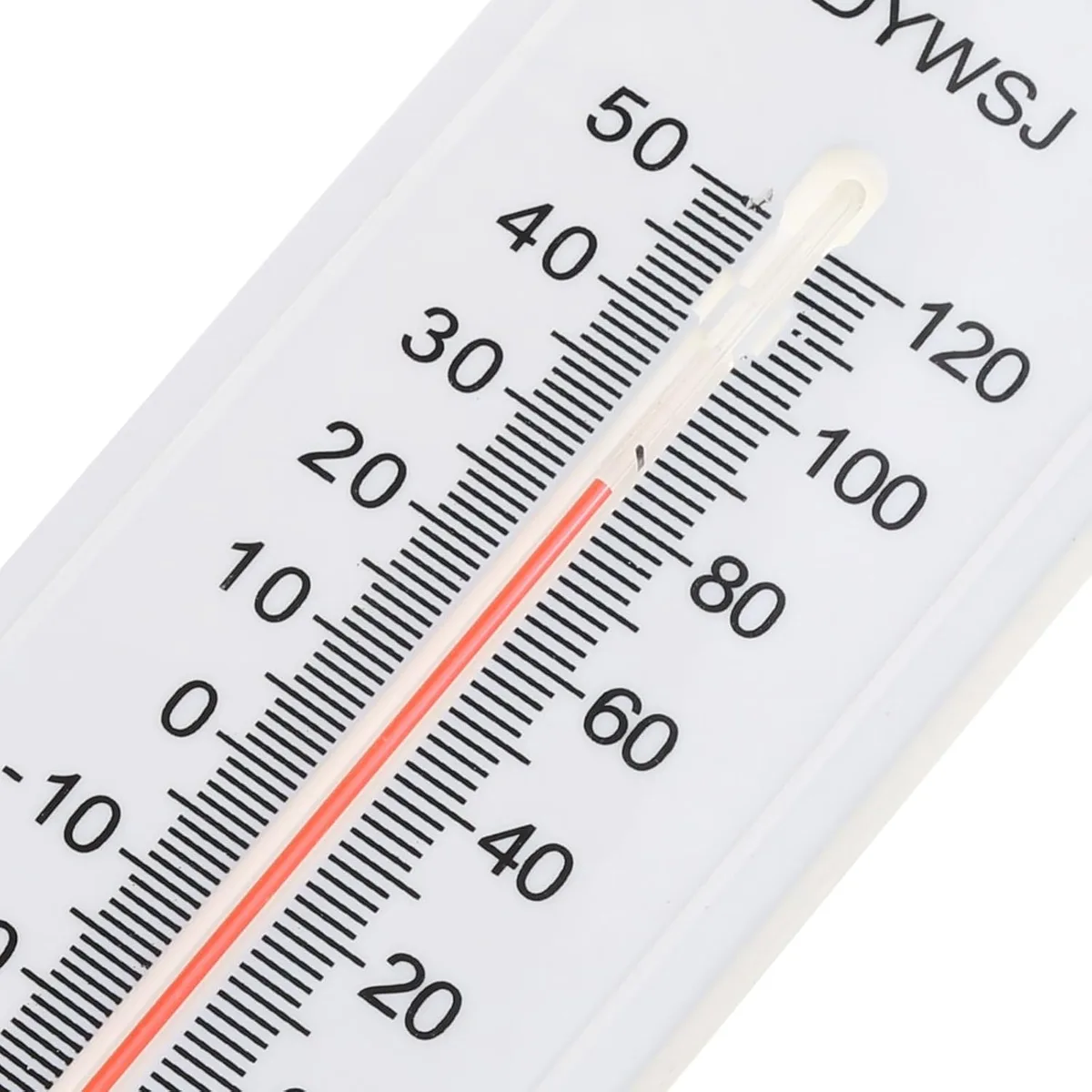
Image source: Bing (Web (fair-use with source credit))
Here is a quick reference table for how these variables interact.
| Variable | What It Means for Speed |
|---|---|
| Room size | Larger rooms need more pint capacity |
| Starting humidity | Higher RH means longer first run |
| Temperature | Cold rooms slow compressor units |
| Unit capacity | More pints per day equals faster removal |
| Airflow | Blocked intake cuts speed by 30 percent or more |
How to Estimate Your Own Removal Time (A Simple Workflow)
You can estimate your own removal time with a few simple measurements. You do not need fancy tools. Just a hygrometer and a tape measure.
Step 1. Measure your room. Find the square footage. Multiply length by width.
If the ceiling is over 10 feet, factor that in too. A 12×12 room is 144 square feet. A 20×20 room is 400 square feet.
Step 2. Check your current humidity. Use a hygrometer to get the starting relative humidity. Most homes sit between 50 and 70 percent.
Basements can run higher.
Step 3. Match the pint rating to your space. Here is a rough guideline based on standard recommendations.
- 200 to 300 square feet: 20 to 30 pints per day
- 300 to 500 square feet: 30 to 40 pints per day
- 500 to 800 square feet: 40 to 50 pints per day
- 800 to 1200 square feet: 50 to 70 pints per day
If you are in a very damp space, go up one size. A dedicated 30 pint unit works well for a bedroom. A properly sized 70 pint unit suits a large basement.
Step 4. Calculate the first 24 hours. In a properly sized unit, expect the humidity to drop by 10 to 15 percent in the first day. So a room at 70 percent might hit 55 to 60 percent after 24 hours.
The next few days will see slower but steady progress.
Step 5. Set a target. Most experts recommend keeping indoor humidity between 40 and 50 percent. Once you hit that range, the unit will cycle on and off to maintain it.
The initial removal is the hardest part.
The Biggest Mistakes That Slow You Down (and How to Fix Them)
People make the same mistakes over and over. These mistakes can double or triple the time it takes to dry a room. Avoid them and your dehumidifier will work much faster.
Mistake 1: Buying a unit that is too small. This is the most common error. A smaller 20 pint model in a 1000-square-foot basement will run constantly and never catch up. You need to match the pint capacity to the space.
If you are tackling a damp basement, look at the best options specifically designed for that job.
Mistake 2: Placing the unit against a wall. The intake is usually on the front or side. If you block it, the unit cannot pull in moist air. Leave at least 6 to 12 inches of clearance on all sides.
Mistake 3: Running the unit with doors and windows open. You are pulling in fresh humid air from outside. The unit has to work twice as hard. Keep the room closed off for the first 48 hours.
Mistake 4: Ignoring the drain hose. A full water tank stops the unit. If you are not using a continuous drain, you have to empty the bucket every few hours. That interrupts the drying process.
Hook up a garden hose to a floor drain if you can.
Mistake 5: Setting the target too low. Do not set the humidity to 30 percent on the first day. The unit will run hard and never reach it. Start at 50 percent.
Let it work. Then lower it if needed.
Image source: Bing (Web (fair-use with source credit))
When to Choose a Different Type of Dehumidifier (Compressor vs. Desiccant)
The type of dehumidifier you use affects removal speed. Compressor units are the standard. Desiccant units are less common but better in some situations.
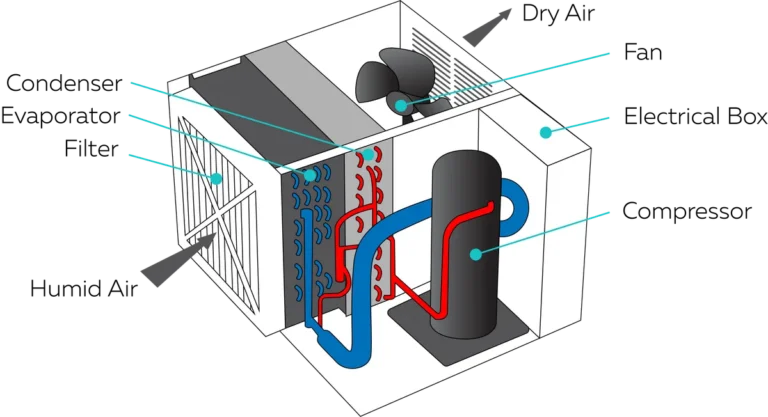
Compressor dehumidifiers use a refrigerant system. They cool a set of coils. Moisture condenses on the coils and drips into a tank.
These units are faster and more efficient in warm conditions. They work best above 65 degrees Fahrenheit. They are the most popular choice for basements and living spaces.
Desiccant dehumidifiers use a rotating wheel coated with a moisture absorbing material. They do not rely on temperature. They work well in cold spaces.
They are quieter and lighter. But they are slower to remove large amounts of moisture. They are better for smaller spaces or cold climates.
Here is a comparison table.
| Factor | Compressor | Desiccant |
|---|---|---|
| Removal speed | Faster in warm conditions | Slower overall |
| Best temperature | Above 65 degrees F | Any temperature |
| Energy use | More efficient | Less efficient |
| Best for | Basements, large rooms | Cold rooms, small spaces |
| Noise level | Moderate | Quieter |
If you are in a warm basement, get a compressor unit. If you are in a cold garage or a mountain cabin, consider a desiccant model. For most people, a compressor unit is the right choice.
You can find a well-reviewed value option that balances performance and cost.
Frequently Asked Questions
How long does it take a dehumidifier to dry out a room?
Most units lower humidity by 10 to 15 percent in the first 24 hours. A room at 70 percent humidity might reach 55 percent in a day. Full drying to the 40 to 50 percent target can take 2 to 3 days depending on conditions.
Why is my dehumidifier not removing moisture?
Check the air filter first. A clogged filter blocks airflow. Make sure the room is closed off.
Verify the unit is sized correctly for the space. A compact model works well for a bedroom but a larger capacity unit is better for a basement.
Should I run my dehumidifier 24/7?
Yes, for the first few days. Once the humidity drops to your target level, the unit will cycle on and off automatically. Continuous running is normal during initial drying.
After that, it only runs when needed.
How much water should a dehumidifier collect in a day?
A 30-pint unit collects about 30 pints in 24 hours under standard conditions. A 70-pint model collects about 70 pints. Actual amounts vary.
High humidity means more water. A dry room means less.
Does a dehumidifier work faster in a smaller room?
Yes. A smaller space has less air volume to process. The same unit will dry a 200-square-foot bedroom much faster than a 1000-square-foot basement.
Size the unit to the room for best results.
What humidity level should I set my dehumidifier to?
Set it to 50 percent for the first day. Then adjust to 40 or 45 percent if needed. The EPA recommends keeping indoor humidity between 30 and 50 percent.
Levels above 60 percent encourage mold growth.