What Size Dehumidifier Do I Need for a Basement

Image source: Bing (Web (fair-use with source credit))
You've probably searched "what size dehumidifier do I need for a basement" and found a chart that says "500 square feet equals a 30-pint unit." That chart is a starting point, but it's also a fast track to disappointment. Basements are not standard rooms. They sit below grade, stay cooler, and often hide a moisture problem you can't see.
Per AHAM testing standards, the pint rating on the box is measured at 80°F and 60% relative humidity. Your basement probably doesn't match that. Most basements hover around 65°F, which changes how a compressor dehumidifier performs.
Let's walk through the real variables so you land on the right size the first time.
Quick Answer
For a typical basement, aim for 50 to 70 pints per day. If your basement is under 500 square feet and only slightly damp, a 30-pint unit may work. If it's over 1,500 square feet or feels wet, go with a 70-pint unit or consider a whole-house model.
Always size up if the basement stays below 65°F.
Why "One Size Fits All" Is a Lie for Basements
The standard sizing chart assumes your basement matches the test conditions used by manufacturers. That's a big assumption. In our research, most basements run cooler than 80°F, often between 60°F and 70°F.
A compressor dehumidifier loses efficiency as the temperature drops. At 65°F, a 50-pint unit may only pull 30 or 40 pints per day.
That's not the only problem. Basements vary wildly in how much moisture they see. A finished basement with a vapor barrier and good drainage is different from a raw concrete space with a crack in the foundation.
The chart doesn't account for that.
Add in regional climate. If you live in the Southeast or Gulf Coast, outdoor air is already humid. That air seeps into the basement through windows, doors, and the concrete itself.
A basement in Arizona won't need the same capacity as one in Florida.
The takeaway is simple. Don't rely on a single number from a chart. Factor in square footage, dampness level, and the actual temperature of your basement.
Once you do, you can pick a unit that actually works.
The Three Variables That Actually Determine Your Size
How do I measure my basement's square footage?
Grab a tape measure. Measure the length and width of the finished floor area. If your basement is unfinished and you plan to use the whole space, measure the full footprint.
Multiply length times width to get square feet. This is your baseline.
How damp is my basement?
You need to be honest here. A basement that feels "a little musty" is different from one with visible condensation on walls or pipes. The next section covers the three levels in detail.
For now, know that dampness is the single biggest factor that pushes your pint requirement up.
What about temperature and climate?
Temperature matters more than most people realize. Compressor dehumidifiers work by condensing moisture on cold coils. If the air is already cold, the coils get even colder and can frost over.
Many units shut down or slow down below 65°F. If your basement stays in the 50s or 60s, you may need a desiccant dehumidifier or a compressor unit rated for low-temperature operation.
Outdoor humidity also matters. In humid regions, air exchange through basement walls and windows adds a constant moisture load. In drier climates, the load is lower.
Check your local climate data or simply note how often your basement feels damp regardless of rain.
Your Sizing Guide: From Damp to Wet
Here's a practical framework based on our research and manufacturer recommendations. Use the table below as a starting point, then adjust based on your specific conditions.
| Basement Condition | Square Footage | Recommended Pint Rating |
|---|---|---|
| Slightly damp (musty smell, no visible moisture) | Up to 1,000 sq ft | 30 to 40 pints |
| Slightly damp | 1,000 to 1,500 sq ft | 50 pints |
| Slightly damp | 1,500 to 2,000 sq ft | 50 to 70 pints |
| Moderately damp (occasional condensation, damp feel) | Up to 1,000 sq ft | 50 pints |
| Moderately damp | 1,000 to 1,500 sq ft | 70 pints |
| Moderately damp | 1,500 to 2,000 sq ft | 70 pints or two units |
| Very wet (standing water, heavy condensation, musty odor) | Any size | 70 pints plus fix the leak first |
Slightly damp basements usually need a modest unit. A 30-pint model can handle a 500-square-foot finished basement that stays dry except during humid weeks. If you're finishing a basement for everyday use, a 50-pint unit gives you more headroom.
We've covered the top-rated options in our breakdown of the best 50-pint dehumidifiers for basements.
Moderately damp basements need more capacity. You'll see condensation on pipes or walls after heavy rain. The air feels heavy.
Add 50% to the standard chart recommendation. A 50-pint unit is often the minimum for a 1,000-square-foot space.
Very wet basements are a different problem. You have visible water entry, pooling, or a high water table. A dehumidifier alone won't fix this.
You need to address the water source first. Fix foundation cracks, improve drainage, or install a sump pump. Once the water is controlled, size a dehumidifier at the high end of the range.
A 70-pint unit is typical for a 1,000-square-foot very wet basement. Our research on the best 70-pint dehumidifiers covers the strongest options for this scenario.
When to consider a whole-house unit. If your basement is over 2,000 square feet or you plan to run a dehumidifier constantly, a dedicated unit like an AprilAire or Santa Fe is more efficient and quieter. These units install permanently and drain automatically. They cost more upfront but last longer and use less energy.
The Most Common Sizing Mistakes (and the Real Cost of Getting It Wrong)
Undersizing: the unit runs forever and never catches up
You buy a 30-pint unit for a 1,200-square-foot basement that feels damp. It runs 24 hours a day, never shuts off, and the humidity stays at 60% or higher. The unit works hard, but it's not enough.
You end up with a higher electric bill and still have a musty smell. Mold can grow in a few days if humidity stays above 60%. The cost of fixing mold damage is far higher than buying a larger dehumidifier upfront.
Oversizing: short cycling, wasted energy, and poor moisture removal
You go too big, thinking more is better. A 70-pint unit in a 400-square-foot dry basement. It pulls the humidity down quickly, then shuts off.
It cycles on and off every few minutes. This wastes energy and doesn't allow the unit to remove moisture from porous surfaces like concrete. The result is a dry reading on the hygrometer but a damp feeling in the air.
Oversizing also wears out the compressor faster.
Ignoring temperature: why your compressor-based unit may quit in a cold basement

Image source: Bing (Web (fair-use with source credit))
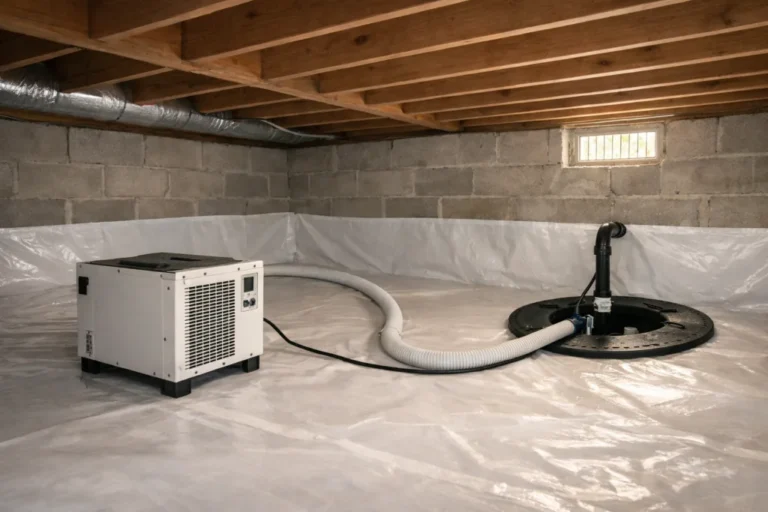
If your basement stays below 65°F in winter, a standard compressor dehumidifier may develop frost on the coils. The unit then goes into defrost mode, which stops dehumidification. You end up with a unit that runs but doesn't remove water.
Aggregate reviews report that many users in northern climates buy a dehumidifier in summer and find it useless in winter. A desiccant dehumidifier works better in cold basements. You can also look for a compressor unit with a low-temperature rating.
Per ASHRAE guidelines, keeping indoor humidity between 30% and 60% is ideal for health and building integrity.
Placing the unit wrong: wall-hugging and corner-tucking
You put the dehumidifier against a wall or in a corner to keep it out of the way. That blocks airflow. The unit can't pull in humid air effectively.
It runs longer and still doesn't lower the humidity. Place it at least six inches from any wall, preferably in a central location. If you have a two-room basement, position the unit where air can circulate between rooms.
Dehumidifier Care and Long-Term Use
Setting the right humidity level (and why 50% isn't always the answer)
The EPA recommends keeping indoor humidity between 30% and 50% to prevent mold. For most basements, 50% is a good target. If you have a musty smell, try 45%.
If you have condensation on windows or pipes, go lower to 40%. Don't go below 30%. That can dry out wooden floors and furniture, and it wastes energy.
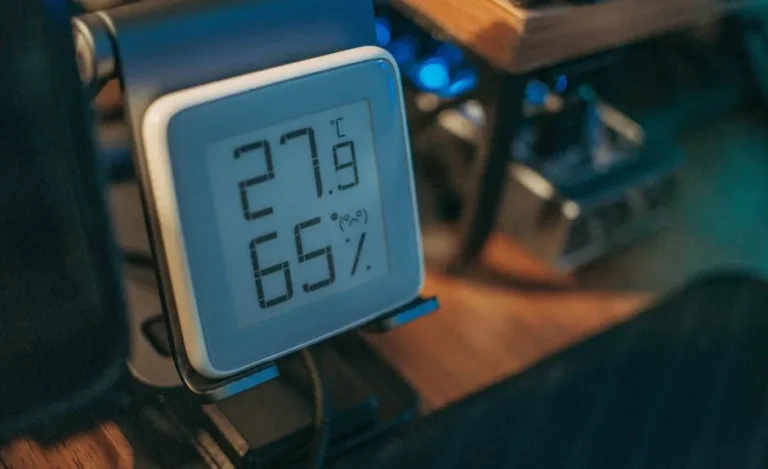
Use a separate hygrometer to verify the reading on your dehumidifier. Many units are off by 5% to 10%.
Continuous drain vs. bucket emptying: which setup works in your basement
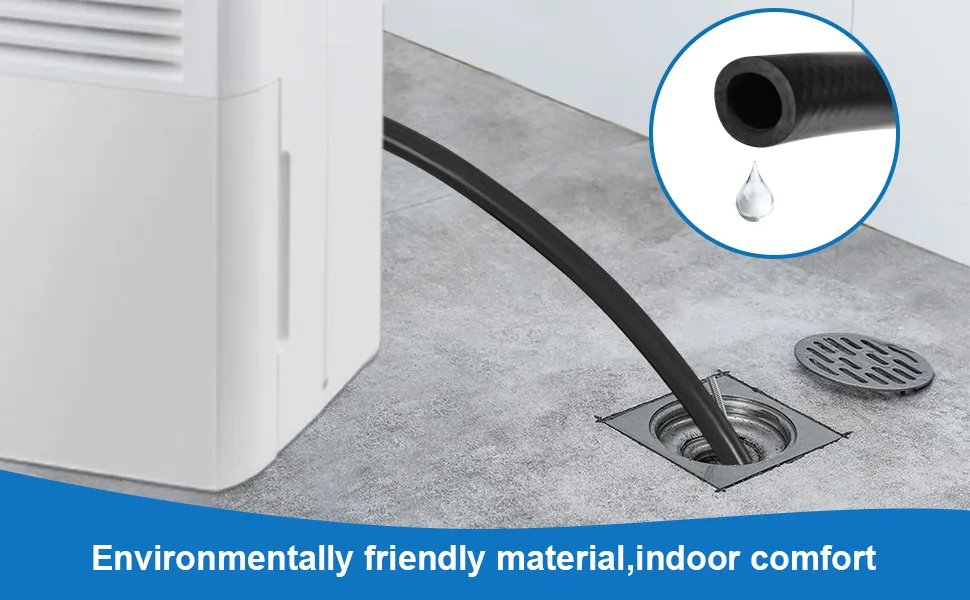
Image source: Bing (Web (fair-use with source credit))
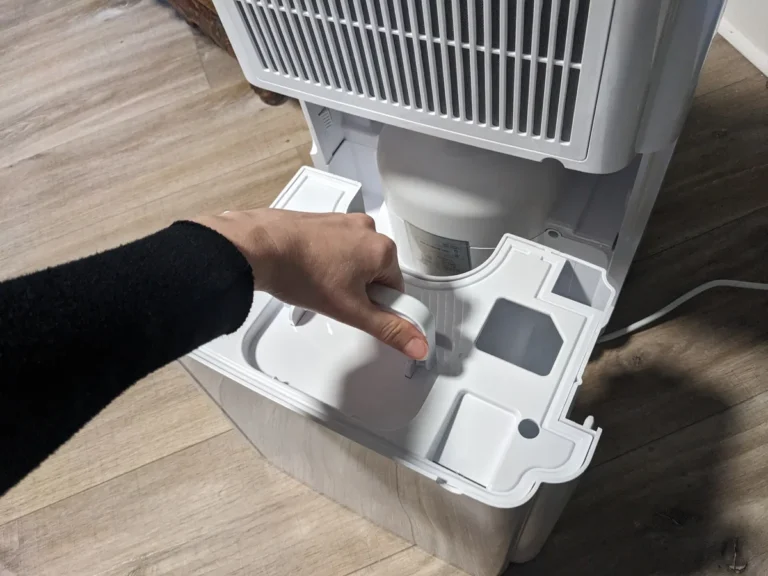
If you have a floor drain or a utility sink nearby, set up a continuous drain. This saves you from emptying the bucket every day, sometimes twice a day in a damp basement. Most portable units come with a hose fitting.
Run the hose to the drain and make sure it slopes downward. If you don't have a drain, a condensate pump is the next best option. It pumps water up and out to a sink or drain.
For a portable unit, you can buy a separate condensate pump or choose a model with a built-in pump.
If you rely on the bucket, check it daily. A full bucket shuts off the unit, and humidity climbs back up quickly. In a moderately damp basement, you may need to empty it every 12 to 24 hours.
Filter cleaning, coil maintenance, and seasonal adjustments
Clean the intake filter every two to four weeks. A dirty filter blocks airflow and reduces efficiency. Most filters are washable with warm water.
Let them dry completely before reinstalling. Check the coils once a month for dust or lint. Vacuum them gently with a brush attachment.
Adjust your humidity setpoint seasonally. In summer, you may need 50% or lower. In winter, the basement may be drier, so you can set it to 55% or even turn the unit off if the humidity stays low.
Some units have a built-in humidistat that does this automatically, but manual adjustment works fine.
Regular maintenance extends the life of your unit. A well-maintained dehumidifier can last five to seven years. One that's neglected may fail in two or three years.
For budget-conscious buyers, our guide to the best value dehumidifiers lists units that balance performance with long-term reliability.
Frequently Asked Questions
Should I buy one big dehumidifier or two smaller ones?
For most basements, one large unit is the better choice. It's more energy-efficient, easier to maintain, and costs less upfront than two smaller models. Two units only make sense if your basement has separate rooms with closed doors or a layout that blocks airflow.
A single 50-pint model can handle most spaces up to 1,500 square feet.
Do I need a condensate pump?
Only if you don't have a floor drain or utility sink near your installation spot. A condensate pump pushes water upward and out through a hose, which lets you drain into a sink or window well. If your basement has a floor drain, you likely don't need one.
Buyers without a pump often struggle with daily bucket emptying in damp conditions.
How do I know if my basement is "damp," "wet," or "very wet"?
Try the plastic wrap test. Tape a 12-inch square of clear plastic to the concrete wall and seal the edges. Leave it for 48 hours.
If moisture appears on the wall side, you have water intrusion pushing through. If it's on the room side, it's surface condensation. Damp means moderate moisture, wet means visible condensation or standing water, and very wet means active water entry that needs fixing first.
My dehumidifier runs all day but never shuts off. What's wrong?
Either the unit is undersized, the humidity setpoint is too low, or there's a continuous moisture source. Check all three before buying a bigger unit. Set the target to 50% and see if the unit catches up over 24 hours.
If not, you likely need more capacity or you have a leak or drainage issue that's feeding humidity into the space. Our article on the best dehumidifier for year-round use covers models built to handle constant operation.