Should You Unplug a Dehumidifier When Not in Use
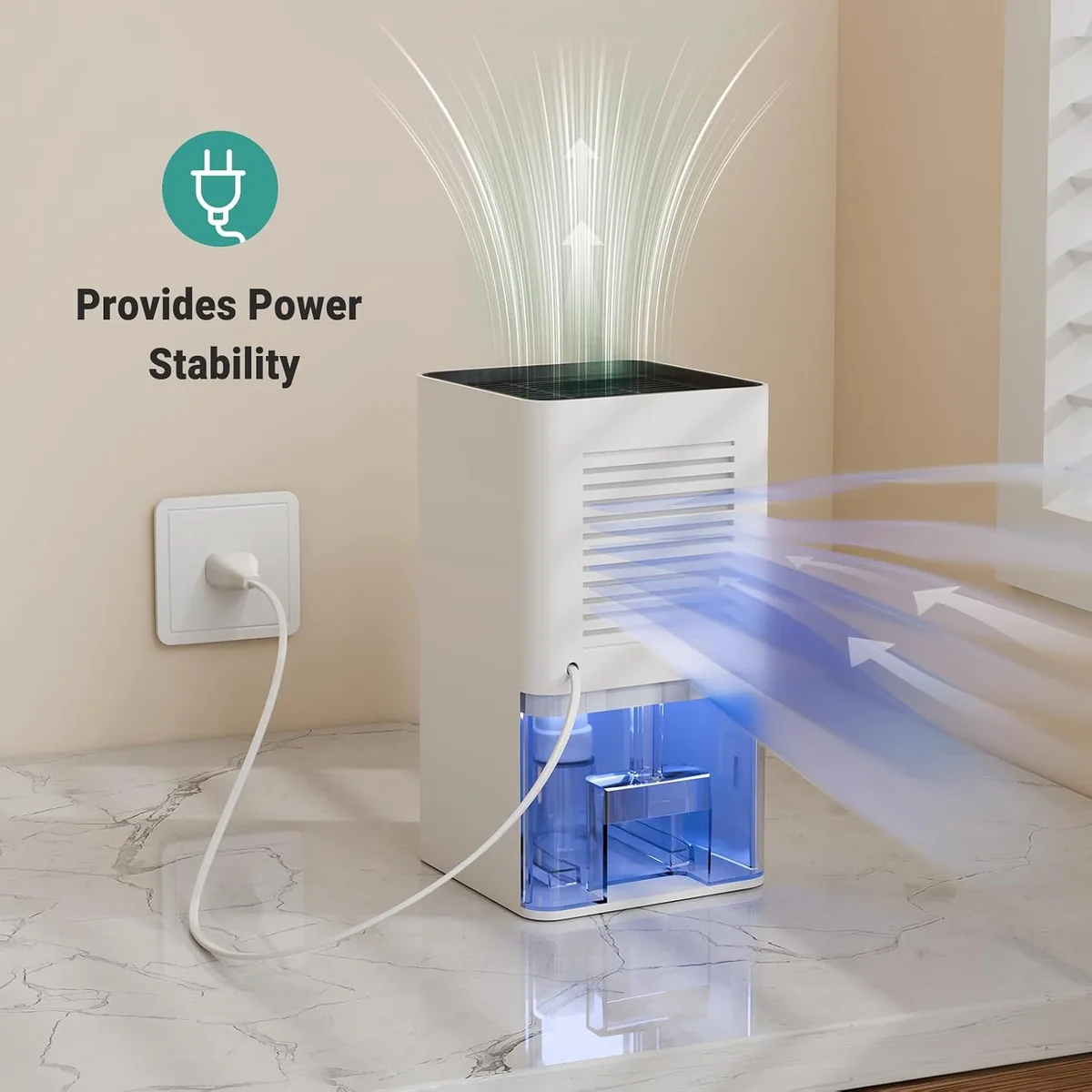
Image source: Bing (Web (fair-use with source credit))
Should you unplug a dehumidifier when not in use? It's a simple question, but the answer depends on your situation. Most people pick one extreme or the other, and neither works for everyone.
As of 2026, modern dehumidifiers draw just 3 to 10 watts in standby mode. That's roughly $3 to $10 per year if you leave it plugged in around the clock. But the bigger concerns are safety, convenience, and the lifespan of your unit.
Let's look at what actually matters.
Quick Answer
Yes, unplug it when storing for the season. No, keep it plugged in if you run it weekly. Standby power costs about $3 to $10 per year.
But unplugging removes fire risk from faulty outlets and surges. The right move depends on your usage pattern.
Why This Question Actually Matters
Standby power, sometimes called vampire power, is the electricity your dehumidifier draws when idle. Per Energy Star data, the average unit pulls 3 to 10 watts in standby mode. Over a full year of non-use, that's $3 to $10 wasted.
Not a fortune, but completely unnecessary.
The bigger issue is electrical risk. A plugged-in dehumidifier stays connected to your home's circuit. Older wiring, a damaged outlet, or a power surge turns that connection into a hazard.
The U.S. Consumer Product Safety Commission has documented dehumidifier fires linked to faulty cords and overheating components.
Power surges can also fry the control board or compressor. That's a costly repair that unplugging prevents entirely. But unplugging has its own downside.
Frequent plugging and unplugging wears out the outlet and the cord prongs. Loose connections generate heat, which creates its own fire risk.
So there's no universal answer. The right choice depends on how you run the unit.
What Happens When You Unplug vs. Leave It Plugged In
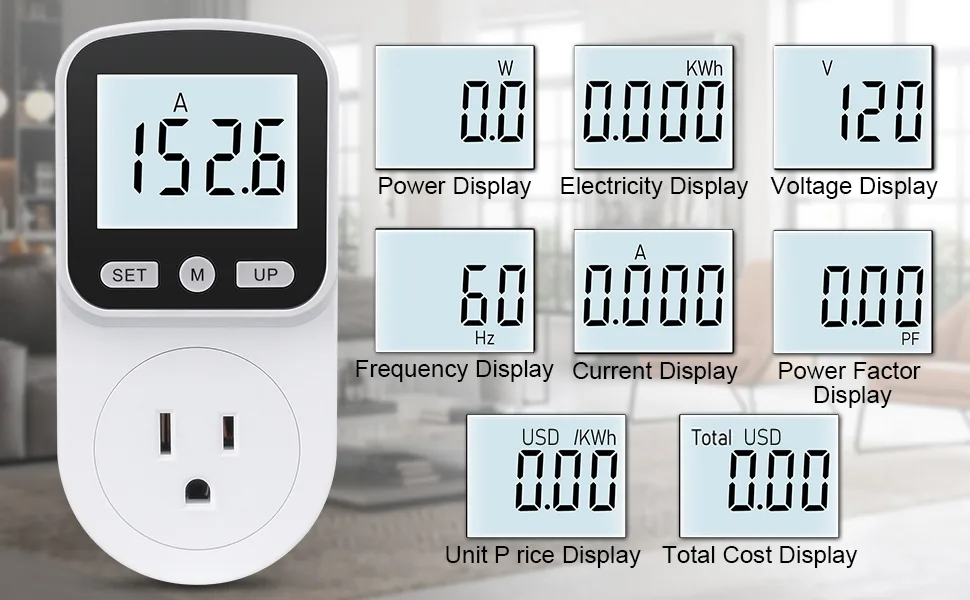
Image source: Bing (Web (fair-use with source credit))
Standby power draw
When you leave a dehumidifier plugged in but turned off, it still draws power. The control board, display, and humidistat need electricity to stay active. That's the 3 to 10 watts we mentioned.
On your annual bill, it's barely noticeable. But over the unit's lifespan, it adds up to $30 to $100 of wasted energy.
Auto-restart function
Most modern dehumidifiers have an auto-restart feature. If power goes out and returns, the unit resumes with its previous settings. That's a big convenience if you leave it plugged in.
But if you unplug it, you lose that. Plugging it back in means reconfiguring the humidity level.
Wear and tear
Every plugging cycle wears the mechanical connection. Outlet contacts loosen, cord prongs can bend, and the strain relief near the plug can crack. Over years of frequent use, that causes intermittent connections or arcing.
Leaving it plugged in keeps the cord and outlet static, reducing mechanical wear.
Your Personal Decision Tree: 4 Questions to Ask Yourself
Answer these four questions, and you'll know exactly what to do.
Question 1: How often do you run the unit?
If you run it daily or at least once a week, leave it plugged in. The convenience of auto-restart and instant operation outweighs the tiny standby cost. If you run it only seasonally, unplug it when you're done.
There's no reason to keep it connected for months of idle time.
Question 2: Is the outlet hard to reach or shared with other appliances?
If the outlet is behind furniture, you won't unplug it regularly. That's fine, as long as the outlet is in good condition and not overloaded. If it's shared with a space heater or refrigerator, unplugging the dehumidifier during off-hours reduces circuit load.
That prevents tripped breakers.
Question 3: Do you live in an area with surges, storms, or older wiring?
Frequent thunderstorms, power outages, or outdated two-prong outlets increase the risk of electrical damage. In that case, unplug when not in use. A surge protector helps, but it doesn't eliminate the risk.
Question 4: Are you storing it for the season or just turning it off overnight?
If you're done for the season, unplug it and store it properly. If you're just turning it off for the night, leave it plugged in. The auto-restart and humidistat will be ready when you need them.
How to Unplug and Store a Dehumidifier the Right Way
If you've decided to unplug and store your unit, do it correctly. A poorly stored dehumidifier can grow mold, develop odors, or fail next season.
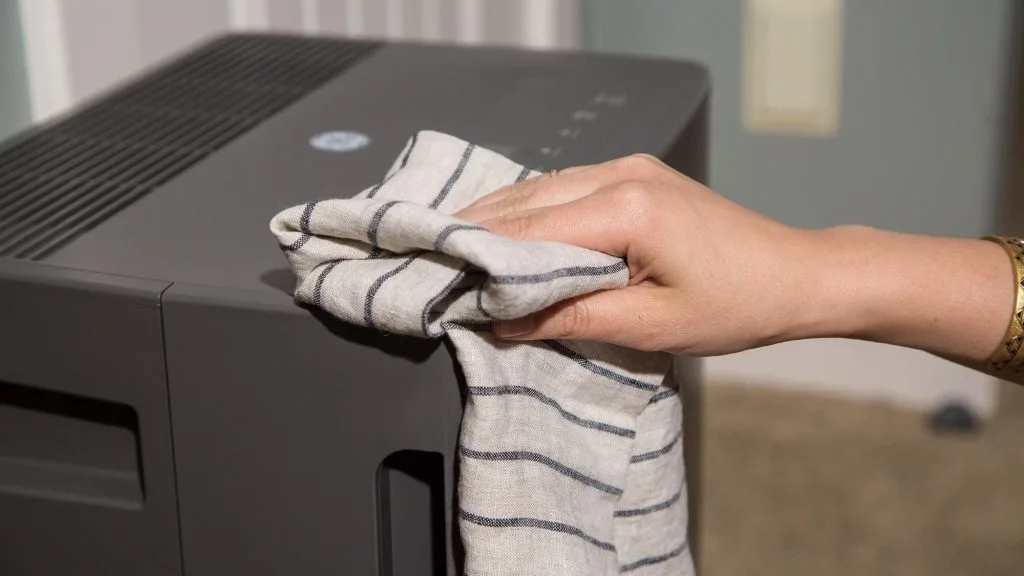
Image source: Bing (Web (fair-use with source credit))
Step 1: Drain the water
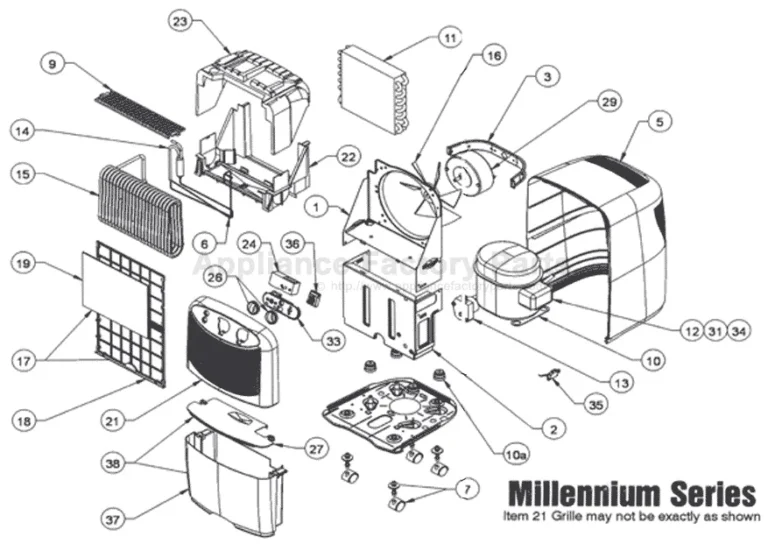
Empty the bucket completely. If you're using a continuous drain hose, disconnect it and let any remaining water drain out. Even a small amount of standing water can cause mold growth inside the unit.
Step 2: Clean the filter
Remove the air filter and wash it with warm water and mild soap. Let it dry completely before reinstalling. A dirty filter left in storage traps moisture and odors.
Step 3: Wipe down the interior
Use a damp cloth to wipe the inside, especially around the bucket compartment and the coils. This removes dust, dirt, and moisture that could become a breeding ground for mold.
Step 4: Inspect the cord and plug
Check the entire power cord for cracks, fraying, or exposed wires. Look at the plug prongs for corrosion or bending. If you see damage, replace the cord or the unit before using it again.
Step 5: Coil the cord loosely
Never wrap the cord tightly around the unit. That stresses the insulation and can cause internal wire breaks. Coil it loosely and secure it with a twist tie or Velcro strap.
Step 6: Store in a dry, cool location
Avoid basements, garages, or sheds that get damp or hot. The ideal spot is a climate-controlled area like a closet or utility room. If you must store it in a damp space, place a moisture-absorbing packet inside the unit.
Common Mistakes That Cost Money or Create Risk
Even with good intentions, people make simple errors. These mistakes cost money, create hazards, or shorten the life of the unit.
Yanking the cord instead of gripping the plug
This is the most common mistake. Pulling on the cord stresses the connection between the wires and the prongs. Over time, that causes frayed wires or loose connections.
A loose connection creates heat, and heat can start a fire. Always grip the plug body firmly and pull straight out.
Storing it wet
A dehumidifier that goes into storage with moisture inside is a mold factory. The bucket, coils, and interior walls all trap water. If you seal that unit away for months, you'll find black mold when you pull it out again.
Drain it completely. Wipe it down. Let it air dry for 24 hours before storing.
Skipping the GFCI outlet requirement
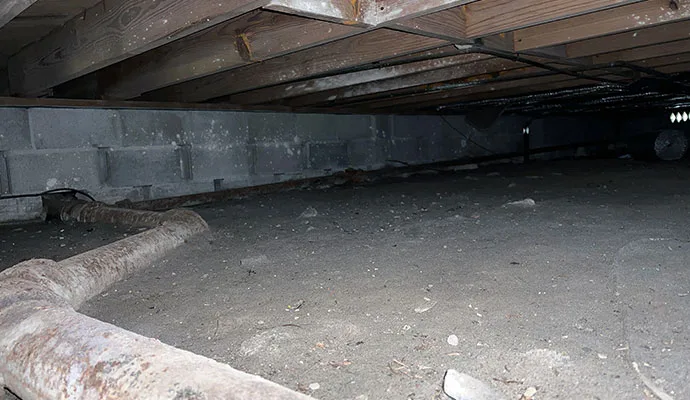
Basements, garages, and crawlspaces should have GFCI outlets. If yours doesn't, have one installed. The National Electrical Code requires GFCI protection in these damp locations.
It's a small cost that prevents serious injury.
Forgetting to reset the humidity setting
Some people unplug the unit and plug it back in next season without checking the settings. The unit might default to a different humidity level. Always verify the set point after reconnecting.
The ideal range is 30% to 50% relative humidity.
Frequently Asked Questions
Does unplugging actually save meaningful money?
For most people, the savings are small. Standby power costs about $3 to $10 per year. That's the equivalent of one or two cups of coffee.
You'll get bigger savings from sealing air leaks or upgrading to an Energy Star certified unit.
Can I just use a smart plug or timer instead?
Yes, if scheduling is your goal. A smart plug lets you turn the dehumidifier on and off remotely. But it doesn't eliminate standby power entirely.
The smart plug itself draws 1 to 2 watts, and the dehumidifier's control board may still draw power depending on the model.
Is it safe to leave a dehumidifier plugged in 24/7?
Generally yes, if the unit is in good condition and the outlet is properly wired. Modern dehumidifiers are designed for continuous operation. But check the cord and plug periodically.
If the outlet feels warm to the touch, have it inspected by an electrician.
Will frequent unplugging damage the outlet or the unit?
Yes, over time. Every plugging cycle wears the outlet contacts. A loose outlet creates arcing and heat.
If you unplug frequently, use a heavy-duty outlet rated for frequent use. Better yet, install a switched outlet so you can cut power without wearing the connection.
What about desiccant dehumidifiers?
Desiccant models use different technology. They don't have a compressor, so they don't draw the same startup surge. But they still have standby power draw for the control board.
The same decision tree applies. Unplug for seasonal storage. Leave plugged in for regular use.
Final Verdict: The Simple Rule to Follow
Here's the one-line answer for most people. If you use your dehumidifier at least once a week, leave it plugged in. The convenience, auto-restart, and consistent humidity control outweigh the tiny standby cost.
If you're storing it for the season, unplug it, clean it, and store it properly.
You're the exception if you have older wiring, live in a surge-prone area, or own a damaged outlet. In those cases, unplug whenever the unit isn't running. It's the safest choice, even if it's less convenient.
The decision comes down to your usage pattern and risk tolerance. Use it regularly? Keep it plugged in.
Done for the season? Pull the plug. Store it right.
That's the whole trick.