Why Is Ice Forming on My Dehumidifier Coils
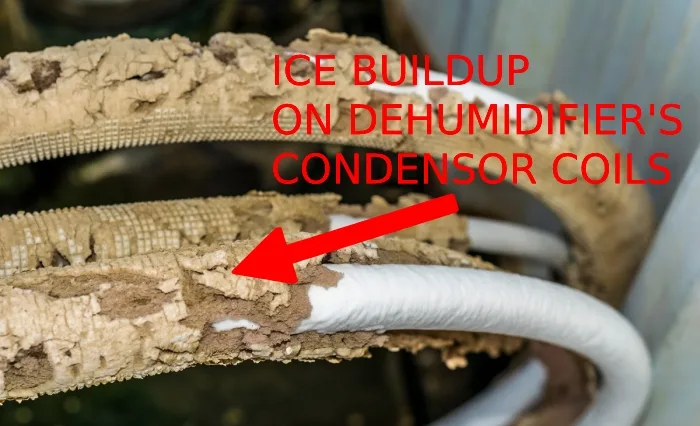
Image source: Bing (Web (fair-use with source credit))
That's the exact question that pops up when you open the front cover and find a slab of frost where there should be wet metal. Don't panic. In most cases, the machine isn't damaged.
Compressor dehumidifiers pull air past evaporator coils that sit just above freezing. If the room slips below about 65°F, condensation can freeze before it ever drips into the bucket. ASHRAE, the building-standards group, recommends keeping indoor humidity between 30 and 50 percent, but low humidity doesn't stop ice by itself.
As of 2026, low ambient temperature is still the leading cause of coil freeze-ups.
Quick Answer
Ice forms on dehumidifier coils when the coil temperature drops below freezing while moisture is condensing on it. That happens when airflow is blocked, the room is too cold, or the refrigerant charge is wrong. Check the filter first.
Then check room temperature. If both are fine, suspect a refrigerant leak and call a pro.
How Dehumidifier Coils Work (and Why Ice Breaks the System)
A dehumidifier acts like a small refrigerator with the cold side left open to the room. A fan pulls humid air across evaporator coils packed with refrigerant. The air cools fast.
Water vapor condenses into liquid. That liquid drips into a bucket or drain line. The air then crosses the warm condenser coils and returns to the room drier and a little warmer.
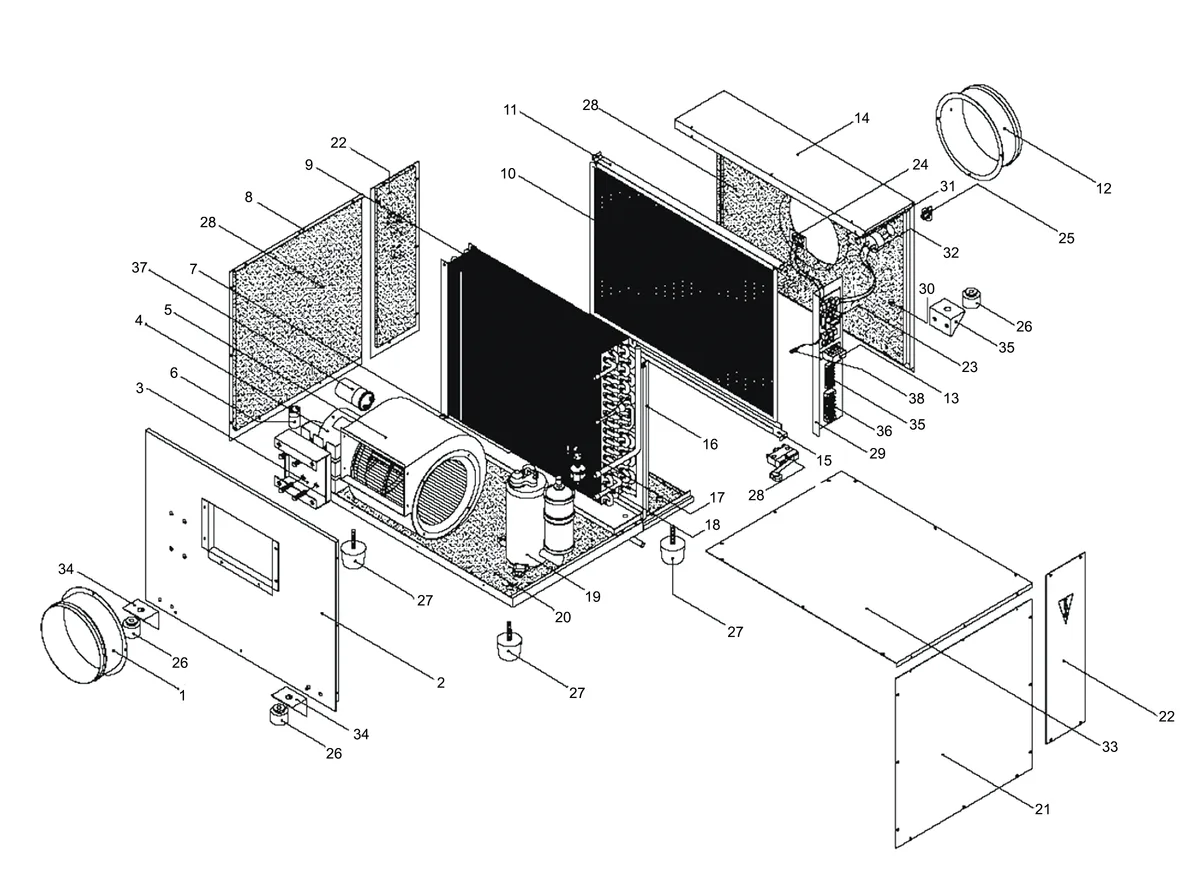
Image source: Bing (Web (fair-use with source credit))
Ice appears when the evaporator coils dip below 32°F. In normal operation, the refrigerant is cold enough to pull moisture from the air, but the airflow keeps the coils from freezing over. That balance breaks when airflow slows down, the room gets too cold, or the system loses refrigerant.
Think of the coil as a balance point. Warm air keeps it wet, not frozen. The moment that incoming air gets cooler or stops moving, the condensation on the coil turns to frost, then to solid ice.
The 3-Minute Decision Tree: Is It Airflow, Temperature, or Refrigerant?
Work through this in order. Stop when one branch matches what your unit is doing.
| Sign you notice | Most likely cause | First move |
|---|---|---|
| Ice on one corner or only the bottom rows | Airflow restriction | Clean the filter and check the fan |
| Ice covers the whole coil evenly | Room temperature too low | Move the unit to a warmer space |
| Ice returns after a full defrost | Refrigerant problem | Call a certified technician |

Image source: Bing (Web (fair-use with source credit))
Airflow Restriction
If the ice is patchy, uneven, or concentrated on one side of the coil, airflow is the problem. The fan can't push enough warm room air across the cold surface, so the moisture freezes before it can drain away.
Check the filter first. A clogged filter is the single most common cause. Then check the grille, the intake, and the back of the unit for dust, pet hair, or a blocked vent.
If the fan blade doesn't spin freely, the motor may be failing.
Low Room Temperature
If the entire coil is wrapped in a smooth, even layer of frost, the room is simply too cold. Compressor dehumidifiers struggle below 65°F and often stop working entirely around 41°F. The machine isn't broken.
It's being asked to run in conditions it wasn't designed for.
If the space stays cold, you have two options. Move the unit to a warmer room. Or switch to a model designed for low temperatures.
If the unit sits in a basement that never warms up, the best dehumidifier for basement setups will have a built-in defrost system and a wider operating range.
Refrigerant Issues
When the filter is clean, airflow is fine, and the room is warm, the remaining suspect is the refrigerant. Low refrigerant makes the evaporator coils colder than normal. That pushes them past the freezing point even in ideal conditions.
Listen for a hissing sound from the sealed system. Check for oily spots on the coils or floor. If the compressor runs nonstop and the coils still freeze, that points to a leak or an improper charge.
Refrigerant handling requires certification under Section 608 of the Clean Air Act, so this is a job for an EPA-certified technician, not a weekend project.
How to Defrost a Frozen Dehumidifier Step by Step
Ice on the coils acts like insulation. It blocks airflow, so the unit pulls even less moisture from the room. Forcing the machine to run while frozen can burn out the compressor.
Stop the ice from spreading before you do anything else.
- Turn the dehumidifier off and unplug it. Never open the unit while it's still connected to power.
- Empty the bucket. The melting ice will add a surprising amount of water.
- Remove the filter and clean it. This keeps the upcoming defrost cycle short.
- Open the front cover and clear loose dust from the coils. Use a soft brush or vacuum attachment.
- Let the ice melt naturally. This takes anywhere from 2 to 6 hours, depending on how thick the ice has grown.
- Wipe up the melt water. Place towels around the base so water doesn't pool on the floor.
- Do not scrape, chip, or pry at the ice. The coil fins are thin and bend easily. Puncturing the refrigerant line turns a simple fix into a costly one.
- Wait until every trace of ice is gone. Then plug the unit back in and let it stabilize in continuous mode.
If you're in a hurry, point a fan at the coils to speed up melting. A hairdryer on low heat works too. Keep it at least 6 inches away.
High heat can crack the coils or melt the plastic housing.
Common Mistakes That Make Frozen Coils Worse
Most freeze-ups are dealt with quickly. But some habits turn a small issue into a repair bill. Here's what people do wrong, based on what shows up in user forums and technician reports:
- Scraping the ice off with a knife or screwdriver. This damages the fins and can pierce the refrigerant line. Let the ice melt.
- Restarting the unit before it fully thaws. Water refreezes into thicker ice, which spreads the problem across the whole coil.
- Ignoring a dirty filter. A clogged filter starves the coil of warm air. That's an open invitation for frost.
- Blocking the intake or exhaust. Pushing the unit tight against a wall kills airflow and creates cold pockets on the coil.
- Running a compressor unit in a garage, shed, or unheated basement. These spaces regularly drop below 65°F, so the unit will keep fighting the room temperature.
- Attempting a DIY refrigerant fix. Adding refrigerant without fixing the leak is temporary. Releasing refrigerant into the atmosphere violates EPA rules.
There's also the mindset problem. A quick defrost solves today's ice, but if the root cause stays, you'll see frost again within a week. Fix the filter.
Measure the room temperature. Confirm the unit is sized for the space. If you need help finding a unit that can actually handle a cold, damp basement, our guide to the best dehumidifier on the market is a solid starting point.
Repair vs. Replace: What a Pro Fix Costs and When It's Worth It
Not every frozen coil means the unit is finished. But you need to know when to stop troubleshooting and start shopping.
| Issue | Typical repair cost | Worth fixing? |
|---|---|---|
| Clogged filter or dirty coils | $0 to $20 | Yes, do it yourself |
| Failed fan motor | $100 to $200 | Yes, if unit is under 5 years old |
| Defective defrost thermostat | $80 to $150 | Yes, if unit is under 5 years old |
| Refrigerant leak (find and fix) | $200 to $500 | Only if the unit is high-end or under warranty |
| Failed compressor | $250 to $600 | No. Replace the unit |
Labor rates vary by region. A certified technician will charge $75 to $150 per hour before parts. Get a quote before authorizing any repair over $200.
The rule of thumb is simple. If the repair costs more than half the price of a new unit, replace it. A mid-range 50-pint dehumidifier costs roughly $200 to $350 as of 2026.
Paying $400 to fix a five-year-old machine with a leaking compressor doesn't make financial sense.
Prevent Ice From Returning: Simple Maintenance That Works
Most freeze-ups are preventable. Spend 10 minutes every month on these checks, and you'll likely never see ice again.
- Clean the air filter every 2 to 4 weeks. A dirty filter is the number one cause of restricted airflow. Run it under warm water. Let it dry completely before reinstalling it.
- Check the room temperature. If the space stays below 65°F, the unit will keep freezing. Move it or replace it with a low-temperature model.
- Keep clearance around the unit. Manufacturers recommend at least 12 inches of space on all sides. Less than that chokes the airflow.
- Inspect the drain line monthly. A clogged drain can back up water into the bucket, which spills onto the floor. Check for algae or mold growth inside the hose.
- Vacuum the coils once per season. Dust and lint build up on the fins over time. Use a soft brush attachment and work gently from top to bottom.
- Run the unit in continuous mode during high-humidity seasons. Short cycling keeps the coils from reaching a stable temperature, which can trigger frost formation.
If you store the unit over winter, tilt it back slightly to let any trapped water drain out. Clean the filter and the bucket before putting it away. Mold grows fast in a dark, damp dehumidifier left sitting for months.
Frequently Asked Questions
Can I use a hair dryer to defrost my dehumidifier coils?
Yes, but use low heat and keep the dryer at least 6 inches from the coils. High heat can warp the plastic housing or damage the thin aluminum fins. A fan pointed at the coils is safer and only slightly slower.
Is it normal for a dehumidifier to freeze in winter?
Yes, if the room temperature drops below 65°F. Compressor dehumidifiers are not designed to run in cold spaces. Desiccant dehumidifiers handle low temperatures better, but they use more energy.
How long does it take to defrost a dehumidifier?
Natural thawing takes 2 to 6 hours, depending on ice thickness. Do not restart the unit until every trace of frost is gone. Restarting too early lets the water refreeze, which makes the ice thicker.
What temperature should a dehumidifier not be used below?
Most compressor dehumidifiers stop working effectively below 65°F. Many models have a safety cutoff around 41°F. Check your owner's manual for the exact operating range.
Running a unit below its rated temperature voids the warranty in some cases.
Can a dirty filter cause ice on dehumidifier coils?
Yes. A clogged filter restricts airflow across the evaporator coils. Without enough warm air passing over them, the coils drop below freezing.
Cleaning the filter every 2 to 4 weeks prevents this entirely.
Should I repair or replace my dehumidifier if the coils keep freezing?
It depends on the root cause. If the problem is a dirty filter or low room temperature, no repair is needed. If the refrigerant is leaking or the compressor is failing, get a repair quote.
If the quote exceeds half the cost of a new unit, replace it.