Why Is My Bathroom Still Humid With a Dehumidifier
You bought a dehumidifier for your bathroom because the mirror fogged up and the towels never dried. Now the air still feels sticky, and the walls stay damp. So you're asking why is my bathroom still humid with a dehumidifier.
The short answer is that most small portable units simply can't keep up with the moisture a shower releases.
After a 10-minute hot shower, relative humidity in a typical bathroom spikes above 90%. A 20-pint or 30-pint dehumidifier extracts roughly one pint of water per hour under real-world conditions. That's far less than the steam a shower produces.
The problem usually comes down to unit size, placement, or a full water tank. Let's fix that.
Quick Answer
Your bathroom stays humid because the dehumidifier can't remove moisture faster than the shower creates it. Most units shut off when the tank fills. Hot steam condenses faster than the machine can pull it from the air.
Check your unit's size, placement, and drainage setup first.
Image source: Bing (Web (fair-use with source credit))
Why Your Bathroom Still Feels Like a Sauna
It's a frustrating cycle. You run the dehumidifier after every shower. The tank fills up.
But the room still feels damp. The mirror stays fogged. The walls feel clammy.
You start wondering if the unit is defective or just a waste of money.
Here's the reality check. A dehumidifier is designed to maintain humidity over hours, not minutes. A hot shower releases a massive burst of moisture in a very short time.
Manufacturer specifications confirm that a 10-minute shower can dump over a pint of water vapor into a small bathroom. Most portable units simply can't extract moisture that fast.
The coverage rating on the box is misleading. A 30-pint unit might claim to handle 1,500 square feet. But that rating assumes steady conditions in a finished basement or bedroom.
A bathroom with a running shower is a completely different environment. The unit is fighting a losing battle against a constant moisture source.
The truth is that your dehumidifier is probably working fine. It's just not powerful enough for the job. Or it's shutting off too early.
Or it's placed where it can't circulate air properly. The fix is rarely about replacing the unit. It's about understanding how bathrooms behave differently than other rooms.
Many people place the unit on a shelf or countertop. That's a mistake. Cold air sinks.
The dehumidifier can't pull moisture from the floor if it's sitting up high. And if the door is closed, the unit recirculates the same damp air instead of pulling fresh air through the room. A small bathroom with a closed door traps moisture against every surface.
If this sounds like your situation, you might not need a new unit at all. You might just need a more powerful machine that can handle the moisture spike. But before you spend money, let's look at the actual numbers.
The Hard Truth About Bathroom Humidity
Let's talk numbers. A typical bathroom is about 40 to 60 square feet. After a hot shower, the relative humidity in that space can hit 95% or higher.
That's not just uncomfortable. It's the perfect environment for mold growth and peeling paint.
The EPA recommends keeping indoor humidity between 30% and 50% for health and comfort. Your bathroom is nowhere near that after a shower. And here's the kicker.
The dehumidifier you bought might be rated to remove moisture at a steady rate. But it's fighting against a spike that happens in minutes.
Consider this. A 20-pint dehumidifier can pull about 20 pints of water from the air over 24 hours under ideal conditions. That's less than one pint per hour.
A single hot shower can release that much moisture in 10 minutes. The math doesn't work in your favor.
Temperature matters too. Warm air holds more moisture than cold air. When you shower with hot water, the air temperature in the bathroom rises.
That warm air can hold a lot of water vapor. Once the shower stops, the air cools. The moisture condenses on cold surfaces like mirrors, tiles, and windows.
That's why everything feels wet even when the air starts to dry.
Compressor-type dehumidifiers struggle in colder bathrooms. If your bathroom stays below about 65 degrees Fahrenheit, the unit's coils can frost over. The defrost cycle kicks in, and the unit spends more time thawing than removing moisture.
This is a common reason why a dehumidifier seems to run nonstop without making a difference.
Desiccant dehumidifiers handle cold temperatures better. They use a chemical absorbent instead of cold coils. But they're less common and tend to use more energy.
The choice between the two types depends on your bathroom's typical temperature and your budget.
The Quick-Fix Checklist
Before you buy a bigger unit or call a professional, run through this checklist. Most of the time, the fix is free and takes five minutes.
Is the door open or closed? A closed door traps moisture. But an open door lets humidity spread into the hallway. The ideal setup is a closed door with the dehumidifier running and the exhaust fan on.
If you only have a dehumidifier, close the door but run the unit for at least an hour after the shower.
Did the unit turn off? Check the water tank. If it's full, the unit stopped working while the room was still wet. Most portable units shut off automatically when the tank reaches capacity.
That means they stop removing moisture. You might need to empty the tank mid-cycle or set up a continuous drain hose.
Where is the unit placed? Move it to the center of the room if possible. Keep it at least six inches from walls and furniture. Don't put it on a high shelf.
Moisture settles near the floor. The dehumidifier needs to be low to catch it.
Is the filter clean? A clogged filter restricts airflow. The unit can't pull in enough air to dry the room. Check the filter every month.
Rinse it with water and let it dry completely before putting it back. A dirty filter is one of the most common causes of poor performance.
Is the exhaust fan running? A dehumidifier works best alongside a bathroom exhaust fan. The fan pulls steam directly from the shower area. The dehumidifier catches what escapes.
Running both at the same time is the most effective strategy. If you don't have an exhaust fan, consider installing one. Building codes in most areas require it for a reason.
Run through this checklist before you do anything else. You might solve the problem without spending a dime.
The Deep Dive Diagnosis
If the quick fixes didn't work, it's time to dig deeper. The problem usually falls into one of five categories. Figure out which one applies to you.
Branch 1: Unit Size and Power
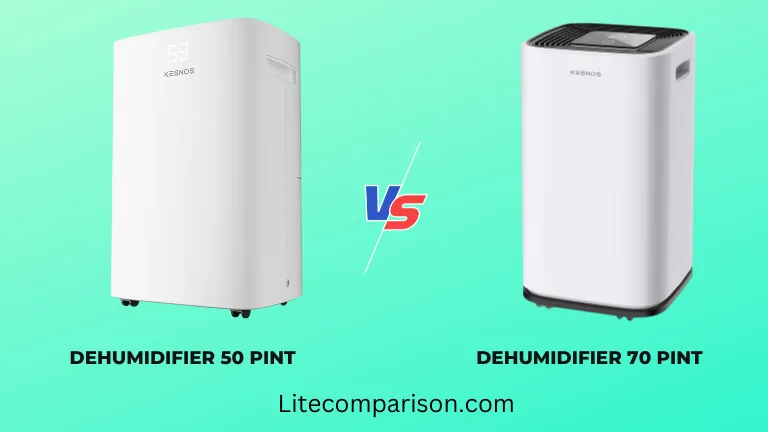
The most common issue is an undersized dehumidifier. A 20-pint unit is fine for a bedroom or small office. But it's rarely enough for a bathroom that gets heavy use.
If you have a large master bathroom or multiple people showering back to back, you need more capacity.
Look for a 50-pint or 70-pint unit designed for larger spaces. These units pull moisture faster and can handle the spike from a hot shower. They're bigger and louder.
But they actually work. If you're dealing with a bathroom that sees heavy traffic, a more powerful unit is worth it.
Branch 2: Placement and Airflow
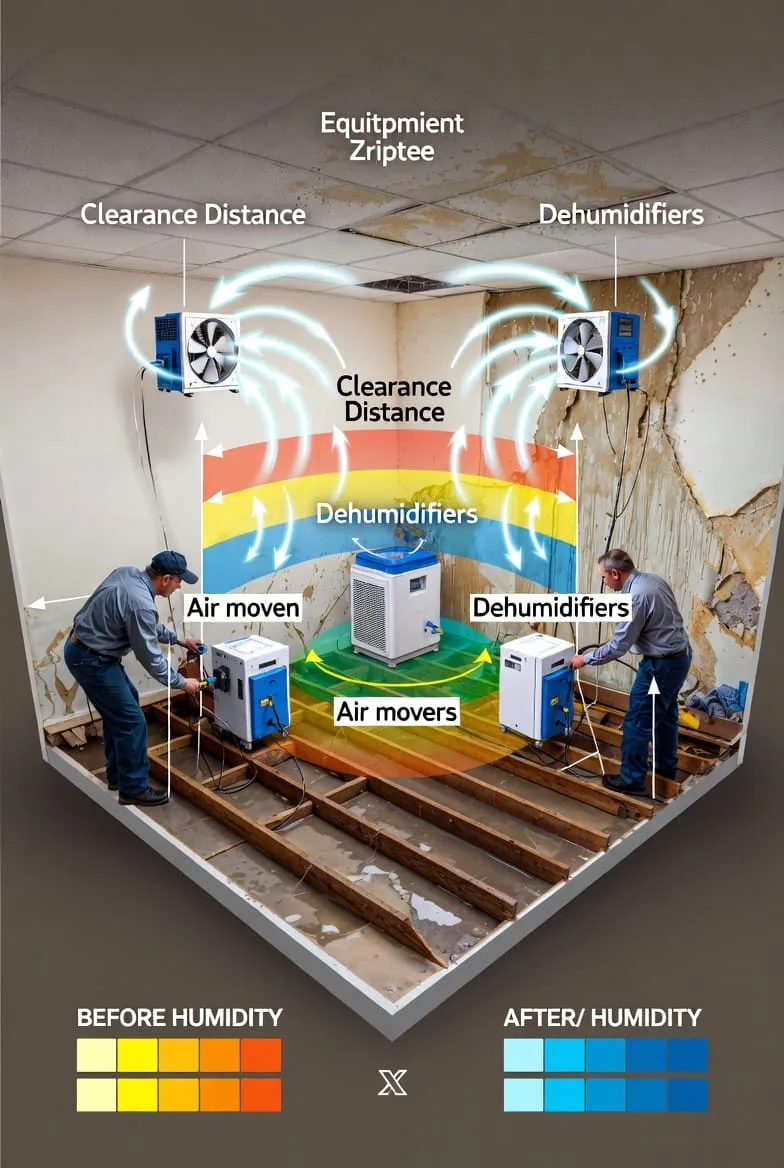
Image source: Bing (Web (fair-use with source credit))
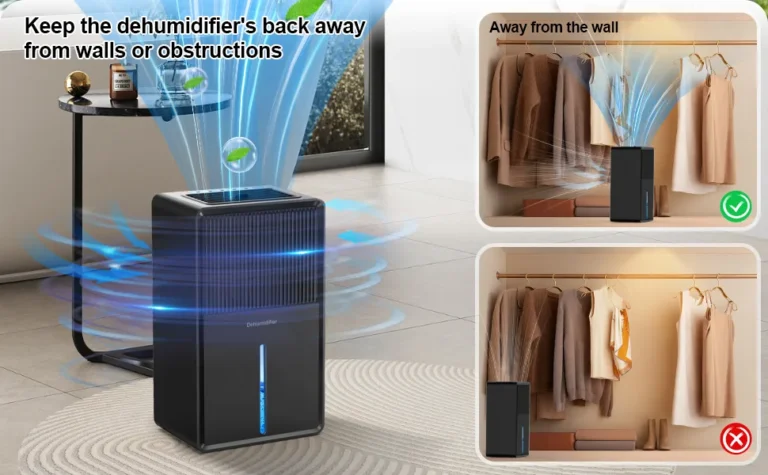
Placement makes or breaks a dehumidifier. The unit needs to pull air from the whole room. If it's tucked in a corner, behind a door, or under a sink, it's only drying a small area.
Move it to the center of the room. Keep it at least six inches from any wall. Make sure nothing blocks the intake grill.
The unit also needs to be at the right height. Moisture-heavy air sinks to the floor. Put the dehumidifier on the floor, not on a shelf or counter.
If you have a pedestal sink or a vanity with an open bottom, place the unit near the floor in the open area. Air circulation is the key. Without it, the unit can't dry the room.
Branch 3: Temperature and Humidity Conditions

Image source: Bing (Web (fair-use with source credit))
Bathrooms are often the coldest rooms in the house. If your bathroom stays below 65 degrees Fahrenheit, a compressor dehumidifier will struggle. The coils frost over, the defrost cycle kicks in, and the unit spends half its time thawing.
The result is very little moisture removal.
A desiccant dehumidifier is the better choice for cold bathrooms. It uses a moisture-absorbing wheel instead of cold coils. It works down to freezing temperatures.
The trade-off is higher energy use and a higher price tag. But it actually works in cold conditions. If you're dealing with a cold bathroom, a desiccant unit is worth the investment.
Branch 4: Drainage and Auto Shut-Off
This is a sneaky one. Your dehumidifier might be turning off long before the room is dry. Most portable units have a small tank that fills quickly in a high-humidity environment.
Once the tank is full, the unit stops. The room stays humid.
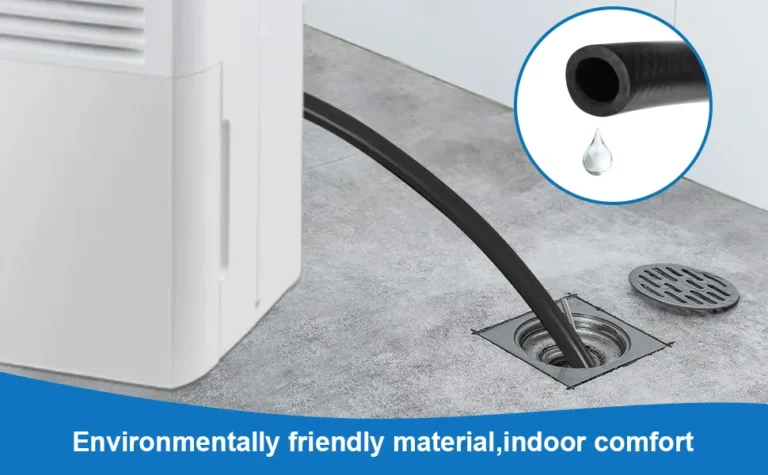
The fix is simple. Use the continuous drain function. Most dehumidifiers have a hose port on the back.
Connect a standard garden hose and run it to a floor drain or sink. Gravity does the work. If you don't have a floor drain, you can use a condensate pump.
It pumps the water up to a sink or drain line. This lets the unit run continuously without stopping.
Branch 5: Hidden Moisture Sources
Sometimes the problem isn't the dehumidifier at all. It's an unseen moisture source. Check for these common culprits.
- Leaky pipes under the sink or behind the toilet
- A toilet tank that sweats in humid weather
- Wet towels hanging to dry
- A shower curtain that stays wet
- A bath mat that never fully dries
These sources add moisture to the air. The dehumidifier has to work harder to keep up. Fix the leaks.
Hang wet towels outside the bathroom. Squeegee the shower walls after each use. Every bit helps.
The Mistakes You're Probably Making
Even with the right unit and good placement, it's easy to make mistakes that sabotage your efforts. Here are the most common ones.
Running the unit for only 30 minutes. A quick run after a shower isn't enough. The dehumidifier needs time to pull moisture from the walls, floor, and fixtures. Those surfaces hold moisture and release it slowly.
Run the unit for at least an hour after each shower. Two hours is better.
Setting the humidity target too high. Some people set their dehumidifier to 60% or 70% thinking that's good enough. It's not. The EPA recommends 30% to 50% for indoor spaces.
In a bathroom, aim for 45% to 50%. If your unit has a built-in humidistat, set it to 45%. The unit will run until it reaches that level.
Ignoring the filter. A dirty filter is the number one cause of poor performance. The unit can't pull air through a clogged filter. It runs longer, uses more energy, and removes less moisture.
Clean the filter every month. Replace it every six months or as the manufacturer recommends.
Relying on the built-in humidistat. The humidistat on your dehumidifier reads the air right at the unit. If the unit is near a wall or in a corner, it might read lower humidity than the rest of the room. Use a separate hygrometer placed in the center of the room to get an accurate reading.
You might be surprised to find the room is still at 80% when the unit says 50%.
Using a dehumidifier as a replacement for ventilation. A dehumidifier is not a substitute for an exhaust fan. The fan removes steam at the source before it spreads through the room. The dehumidifier handles what's left.
Use both together for the best results. If you don't have an exhaust fan, consider installing one. It's the most effective way to control bathroom humidity.
Alternative Solutions (When a Dehumidifier Isn't Enough)
Sometimes a dehumidifier alone can't fix the problem. Here's what to try instead.
Upgrade the exhaust fan. A basic fan with low CFM (cubic feet per minute) doesn't move enough air. For a bathroom of 50 square feet, you need at least 50 CFM. For larger bathrooms, add extra CFM per square foot.
A fan with a high CFM rating pulls steam out at the source. That's the most effective dampness control we have.
Use the window and door to create cross-ventilation. If the weather allows, open the window halfway and leave the door slightly ajar. The air movement pulls moisture out of the room. This works best in dry climates.
In humid climates, it can make things worse by pulling damp outdoor air in.
Squeegee after every shower. Run a cheap squeegee over the tiles and glass. It removes standing water that would otherwise evaporate back into the air. This one habit cuts bathroom humidity significantly.
It takes about 30 seconds.
Dry towels and bath mats elsewhere. Wet fabric releases moisture for hours. Hang towels on a rack outside the bathroom. Move bath mats to a sunny spot or use a dryer.
Your bathroom will dry much faster.
Consider a whole-house dehumidifier. If your entire home runs above 60% humidity, a portable unit in one bathroom won't solve the problem. A whole-house unit integrates with your HVAC system and controls humidity across every room. It's a bigger investment, but it fixes the root cause.
The table below shows which approach fits different situations.
| Approach | Best For | Main Limitation |
|---|---|---|
| Exhaust fan upgrade | Removing steam at the source | Requires ducting to the outside |
| Cross-ventilation | Dry, mild climates | Adds outdoor humidity in humid climates |
| Squeegee routine | Post-shower condensation | Doesn't fix air humidity alone |
| Whole-house dehumidifier | Home-wide humidity problems | High upfront cost |
Maintenance and Long-Term Optimization
Once your bathroom starts drying out properly, keep it that way. A little regular maintenance goes a long way.
Clean the filter monthly. A clean filter keeps airflow strong. Rinse it under lukewarm water, let it air dry, and pop it back in. This takes two minutes and prevents most performance problems.
Check the drain hose. If you're using continuous drainage, inspect the hose monthly. Look for kinks, clogs, or algae buildup. A blocked hose causes the tank to fill, which stops the unit.
Flush the hose with warm water if needed.
Empty the tank regularly. If you're not using a drain hose, empty the tank after every shower. Leaving it full means the unit shuts off early. The room never fully dries.
Adjust for seasons. Your bathroom behaves differently in summer than in winter. In humid summer months, the dehumidifier runs more often. In winter, cold surfaces cause condensation.
A desiccant unit might work better for cold months. If you have a compressor unit, clean the coils before summer starts.
Replace the unit when it stops keeping up. Portable dehumidifiers typically last 3 to 5 years. If your unit runs constantly but the room stays damp, check the compressor. If it's still under warranty, contact the manufacturer.
If it's older, replacement is often cheaper than repair.
Frequently Asked Questions
Should I run the dehumidifier while I shower?
Yes, but it won't do much during the shower itself. The steam production rate far exceeds the unit's extraction rate. Run the dehumidifier during the shower to capture some moisture, then keep it running for at least an hour afterward.
The real work happens after the shower stops.
Is it normal for the dehumidifier to run constantly?
In a bathroom, yes. A bathroom generates a lot of moisture in short bursts. The dehumidifier has to work hard to catch up.
If it runs nonstop for hours without lowering the humidity reading, the unit is undersized or the room has a hidden moisture source.
Can a dehumidifier cause mold?
Indirectly, yes. If the water tank sits full for days, bacteria and mold can grow inside the tank. When the unit runs, it can blow those spores into the room.
Empty the tank after every shower and wipe it out weekly.
Why does the humidity reading go up when I turn the unit on?
That's normal. The built-in humidistat reads the air right around the intake. When the unit starts pulling air from the room, it detects the true humidity level.
A separate hygrometer across the room can help confirm the actual reading.
How long should it take to dry out a bathroom?
With the right size unit, expect to see visible improvement within 12 to 24 hours. The mirror should stop fogging. The walls should feel dry.
If the humidity level stays above 60% after 24 hours of continuous running, you have a sizing or placement problem.