Can a Dehumidifier Replace a Bathroom Fan
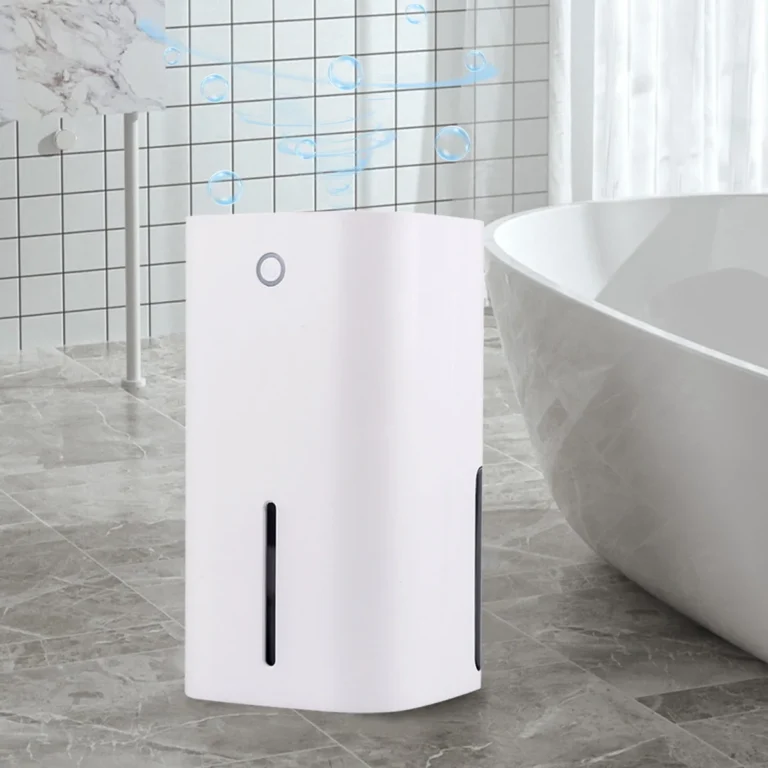
If you've ever stood in a steamy bathroom wondering if you can ditch the noisy fan for a dehumidifier, you're not alone. Most people are looking for a simpler fix when they ask can a dehumidifier replace a bathroom fan. The short answer is no, but it can help in certain situations.
Per the ASHRAE 62.2 standard, a bathroom requires mechanical ventilation that removes both moisture and air. A dehumidifier only handles the moisture part. Let's break down why that matters and what you can actually do about it.
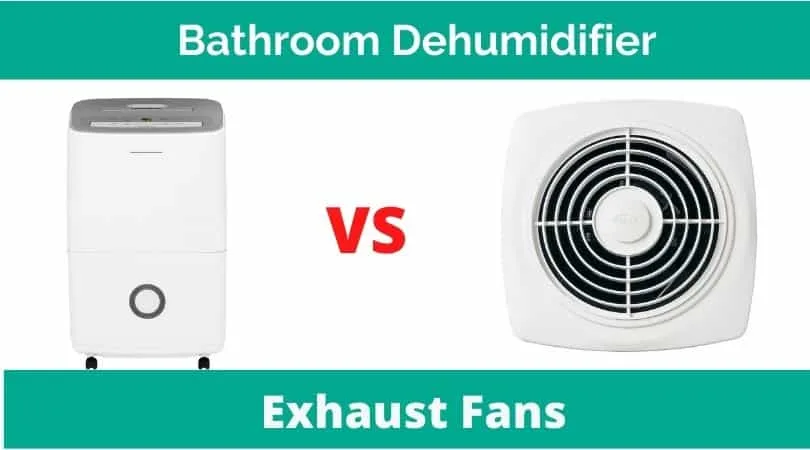
Image source: Bing (Web (fair-use with source credit))
Quick Answer
No, a dehumidifier cannot replace a bathroom fan. It removes moisture but not stale air, odors, or humidity from combustion. Building codes in most areas require permanent ventilation.
A dehumidifier works as a supplement, not a substitute.
Why Bathroom Ventilation Isn't Optional: Code, Mold, and Air Quality
Bathroom fans exist for a reason. The International Residential Code (IRC) requires mechanical ventilation in any bathroom without a window. That's not a suggestion.
It's a safety requirement.
Bathrooms produce more than just steam. Showers release volatile organic compounds from water. Toilets release airborne particles.
A dehumidifier recirculates the same air. A fan pushes it outside.
Then there's mold. Black mold buildup thrives in bathrooms with poor ventilation. It grows on ceilings, behind caulking, and inside walls.
A dehumidifier lowers humidity, but it doesn't dry out hidden cavities. Mold needs airflow, not just low moisture.
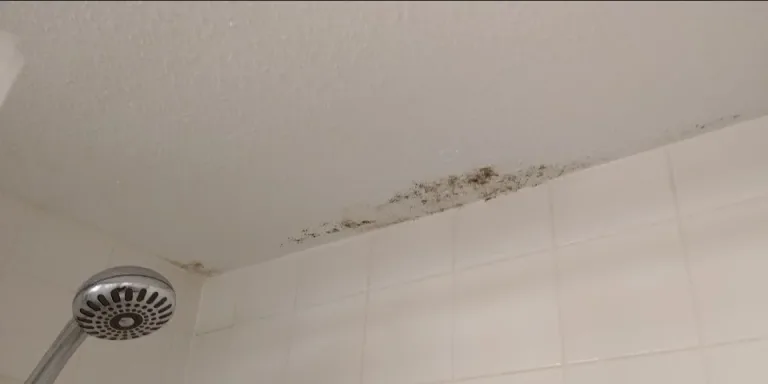
Image source: Bing (Web (fair-use with source credit))
The EPA's mold guidance recommends controlling moisture through ventilation, not just dehumidification. If you skip the fan, you're gambling with your indoor air quality. A dehumidifier can help if you have no other option, but it's not a long-term solution.
How a Dehumidifier Works vs. How an Exhaust Fan Works
These two devices do different jobs. Let's break it down.
What They Do
| Feature | Dehumidifier | Exhaust Fan |
|---|---|---|
| Primary function | Removes moisture from the air | Removes air from the room |
| Air exchange | None (recirculates same air) | Exhausts stale air outdoors |
| Odor removal | No | Yes |
| Combustion safety | No | Yes (removes CO₂, smoke) |
| Noise level | 30–50 dB typical | 0.3–4.0 sones |
| Energy use | 300–500 watts | 30–80 watts |
A dehumidifier pulls air across cold coils. Water condenses and drips into a tank. The air comes back drier but unchanged in composition.
An exhaust fan creates negative pressure. It pulls air out of the room and draws fresh air in through gaps around the door.
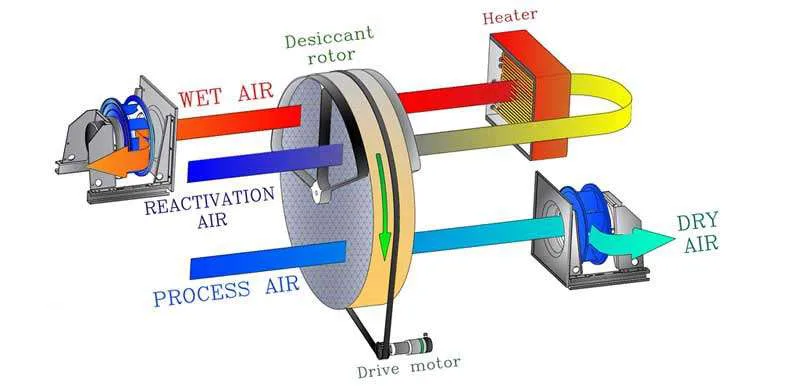
Image source: Bing (Web (fair-use with source credit))
Manufacturer specifications confirm that dehumidifiers are designed for moisture control, not ventilation. They cannot meet the ASHRAE 62.2 requirement of 50 CFM intermittent or 20 CFM continuous exhaust. The two devices serve different purposes.
For energy-conscious buyers, an efficient model from our selection of year-round units can help offset the electric cost.
The Real Risks of Relying on a Dehumidifier Alone
If you rely solely on a dehumidifier, you open yourself up to several problems. Let's go through them.
No Fresh Air Exchange
A dehumidifier recirculates the same air. It doesn't bring in oxygen or remove carbon dioxide. In a small, sealed bathroom, that's a real concern.
You might not notice the stale air, but your body will.
Odor and Chemical Buildup
Bathrooms accumulate smells from cleaning products, toiletries, and waste. A dehumidifier can't remove those. Only exhaust ventilation can push them outside.
If you've ever walked into a bathroom that smells musty despite running a dehumidifier, that's why.
Hidden Mold Growth
Moisture gets trapped behind walls, under tiles, and inside cabinets. A dehumidifier lowers the room's relative humidity, but it doesn't dry out concealed spaces. Black mold buildup can continue unchecked.
By the time you see it, the damage is done.
Additional Heat Load
Dehumidifiers generate heat. In a small bathroom, that can raise the temperature by several degrees. You'll feel warmer, which makes the shower feel less refreshing.
In summer, the added heat works against your air conditioner.
Maintenance Burden
A dehumidifier needs regular attention. Emptying the tank, cleaning the filter, and checking the coils. Forget to do it, and the unit stops working.
An exhaust fan just runs. You don't need to babysit it.
How to Use a Dehumidifier in the Bathroom Safely (If You Have No Choice)
If you're a renter or in a situation where you can't install a fan, a dehumidifier can help. But you need to use it correctly.
Choose the Right Size
A small 20-pint unit works for a powder room. A larger 30-pint or 50-pint unit suits a master bath. If you're looking at options, check out our guide on the best options for smaller spaces to keep things efficient.
Position It Carefully
Place the dehumidifier near the shower, but not in the spray zone. Keep it at least 6 inches from walls. Make sure the air intake isn't blocked by towels or cabinets.
Set the Humidity Target
Aim for 40 to 50 percent relative humidity. Most units have a built-in humidistat. Set it and forget it.
Do not run it below 30 percent. That's too dry for comfort and can damage woodwork.
Run It After Every Shower
Turn it on 15 minutes before you shower. Let it run for 30 to 60 minutes after. This gives it time to catch the moisture.
If you have a continuous drain option, use it. That way you don't have to empty the tank.
Keep the Door Open or Closed
If the bathroom is small, close the door to keep the dehumidifier working on that room. If the bathroom is larger, open the door to let it pull moisture from the whole area. Experiment to see what works best.
Monitor with a Hygrometer
A separate hygrometer costs about $10. Use it to verify the dehumidifier is doing its job. If the humidity stays above 60 percent, you need a larger unit or additional ventilation.
When to Call a Pro: Signs You Need Permanent Ventilation
If a dehumidifier isn't keeping up, certain warning signs mean it's time to install a real exhaust fan. Don't ignore them. The longer you wait, the more damage moisture can cause.
Warning Signs That a Dehumidifier Isn't Enough
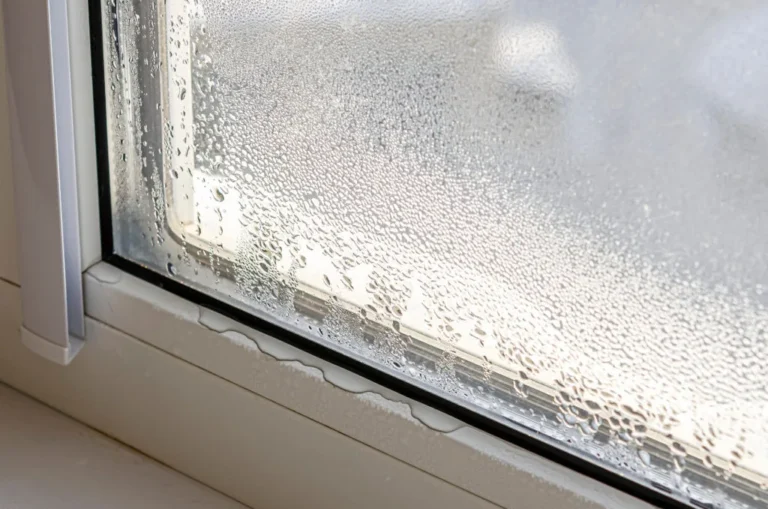
- Daily condensation on windows and mirrors means you're still spraying moisture around. A fan removes it instantly.
- Musty odor that returns after cleaning suggests trapped moisture in walls or under flooring.
- Black spots on grout or ceiling corners are early signs of mold growth. You can see what that looks like in the image above.
- Humidity stays above 60 percent even with the dehumidifier running continuously.
- You feel dampness on drywall or notice peeling paint. That's a hidden moisture problem.
If you see any of these, your dehumidifier is not a substitute for ventilation. The EPA's mold guidance recommends fixing structural moisture issues rather than just treating the air.
At this point, call a licensed electrician or HVAC contractor. They can install a bathroom exhaust fan that meets your local code. You'll also need a proper vent to the outdoors, not a recirculating unit.
A professional installation typically costs $300 to $600. Meanwhile, a 50-pint dehumidifier runs about 500 watts. Running it all day can add over $400 per year to your electric bill.
A fan costs pennies per hour.
For renters or anyone who can't modify the apartment, a dehumidifier is a fine stopgap. For a home you own, a fan is the right fix. If you're still shopping for a temporary unit, look for an efficient model from our list of budget-friendly dehumidifiers.
Frequently Asked Questions
Can a dehumidifier remove bathroom odors?
No. A dehumidifier extracts water, not smells. It cannot remove the ammonia in cleaning products or the volatile compounds from your toiletries.
Only an exhaust fan can push those airborne pollutants outside. If you're stuck with a dehumidifier, pair it with an open window and an air purifier.
Is a dehumidifier enough for a windowless bathroom?
Not by itself. Building codes require mechanical ventilation for windowless bathrooms. A dehumidifier lowers humidity but doesn't bring in fresh air.
You'll still face stale air and potential mold on surfaces. If you can't install a fan, run the dehumidifier and leave the door open for circulation. For tight spaces, a compact model from our selection of small dehumidifiers can help.
Can I run a dehumidifier and a fan together?
Yes. That's actually the smartest approach. Use the exhaust fan to vent steam and odors during your shower.
Then let the dehumidifier run afterward to dry out walls, towels, and the floor. You get the benefits of both without overworking either device.
Does a dehumidifier prevent bathroom mold?
It helps, but it's not a guarantee. Mold colonizes in tiny cracks, under caulk, and behind grout where a dehumidifier can't reach. You still need ventilation, routine cleaning, and periodic inspections.
For persistent mold, solve the moisture source rather than relying on a single appliance.
Final Verdict: What We Recommend
A dehumidifier cannot replace a bathroom fan. It lacks the ability to exchange air, remove odors, and meet building codes. For every homeowner, a properly installed exhaust fan is the safe and legal choice.
That said, we understand some situations don't allow for an easy fan installation. Renters, older buildings, and basements without exterior access can all leave you in a bind. In those cases, a dehumidifier is a helpful stopgap, not a permanent fix.
Our recommendation is simple. Install a good exhaust fan if you can. If you can't, choose a correctly sized dehumidifier and run it consistently.
Check humidity levels often and clean the unit weekly to keep it effective.
For medium bathrooms, a 30-pint model strikes the right balance. For larger spaces, a 50-pint unit might be necessary. High-end options come with built-in hygrometers and continuous drains, which reduce maintenance.
Explore premium units if you're planning to rely on one for a while.
But don't fool yourself into thinking a dehumidifier will protect you from mold and stale air forever. It won't. Treat it as a bandage while you save up for proper ventilation.
Your bathroom, your breathing space, and your home will thank you.