How to Stop Bathroom Condensation With a Dehumidifier
A typical shower releases about half a gallon of water vapor into a small space. The EPA recommends keeping indoor relative humidity between 30 and 50 percent to discourage mold and mildew. A dehumidifier pulls that moisture out quickly, so you don't have to leave the window open or wait hours for things to dry.
Here's what actually matters.
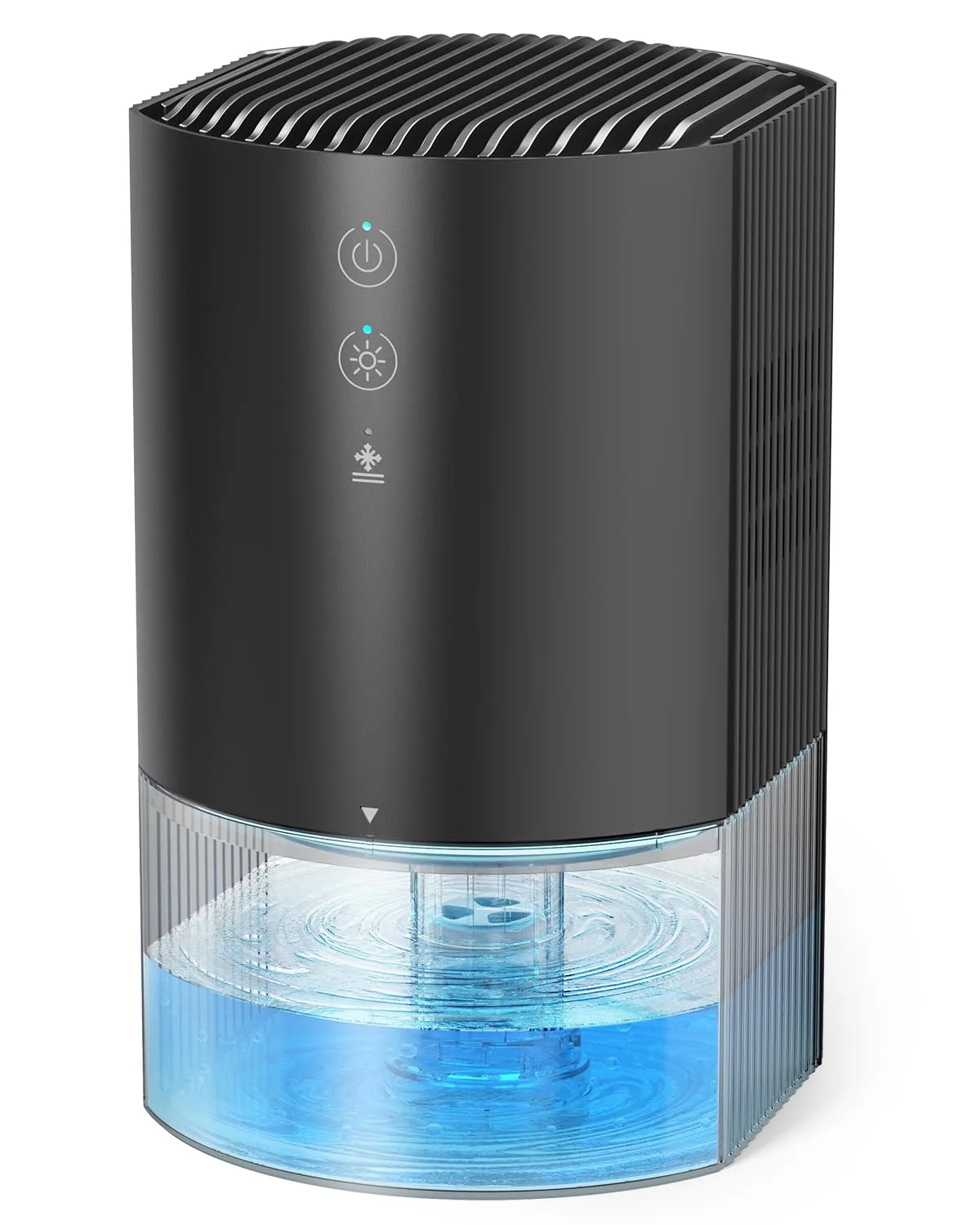
Image source: Bing (Web (fair-use with source credit))
The Real Problem: Why Condensation Wrecks Your Bathroom
Condensation happens when warm, humid air meets a colder surface. The air hits its limit, so it drops water onto your mirror, tiles, and window glass. That's the same reason a cold drink sweats on a warm day.
Left alone, that water seeps into grout, paint, and drywall. It feeds mold and mildew, which can trigger allergies and leave a musty smell. Over time, even sturdy bathrooms end up with peeling paint and stains you can't scrub away.
- Condensation can start within minutes of turning off the shower.
- Mold can begin growing in as little as 24 to 48 hours.
- The colder the surface, the more water settles there.
Per the EPA's indoor air quality guidance, keeping relative humidity under 60 percent helps prevent these problems.
The Quick Answer: Here's How a Dehumidifier Fits In
A dehumidifier pulls moisture from the air. Run it during and after showers. Set the humidistat near 50 percent relative humidity.
Condensation stops forming once the humidity drops. Even a small 20-pint unit handles a standard bathroom.
Decision Tree: How to Pick the Right Dehumidifier for Your Bathroom
Your situation decides the right unit. Room size, climate, and existing ventilation all matter. Work through these branches.
Branch 1: Room Size and Capacity
If your bathroom is under 80 square feet, a compact 20-pint unit is plenty. For 80 to 150 square feet, look at a 30-pint model. Bigger bathrooms around 150 square feet or more benefit from a 50-pint unit, because it clears the air faster.
| Bathroom size | Capacity to look for |
|---|---|
| Under 80 sq ft | 20 pint |
| 80 to 150 sq ft | 30 pint |
| Over 150 sq ft | 50 pint |
Branch 2: Climate and Temperature
Compressor dehumidifiers work best above 60 degrees Fahrenheit. If your bathroom stays cold in winter, a desiccant unit keeps working when the temperature drops. It's also quieter, which matters if the bathroom is near a bedroom.
Branch 3: Your Existing Ventilation
If you have a strong exhaust fan, the fan covers the worst of the shower steam and a dehumidifier becomes optional. Without a fan, run the dehumidifier after every shower. And if you rely on an open window, remember that humid outside air makes things worse.
A dehumidifier wins there.
Step-by-Step: How to Set Up and Use Your Dehumidifier for Maximum Condensation Control
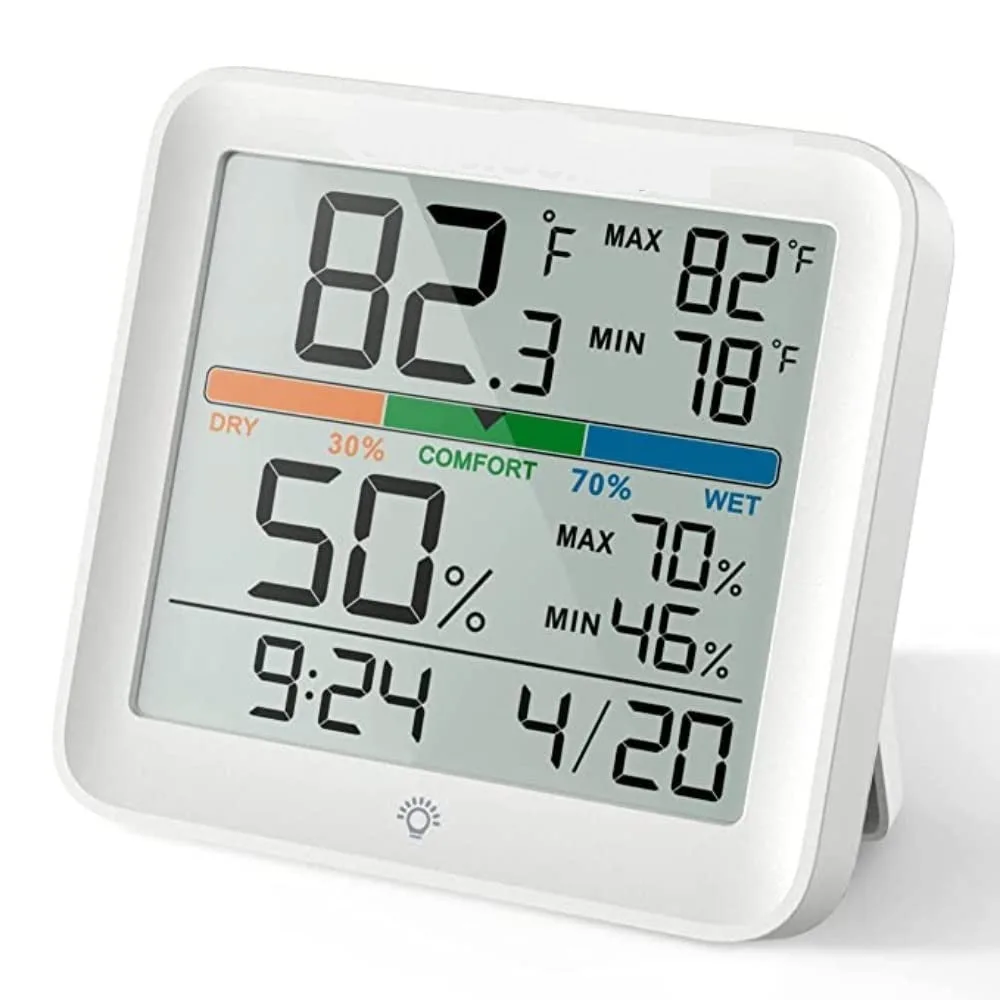
Image source: Bing (Web (fair-use with source credit))
- Measure your bathroom. Multiply length by width to get square footage.
- Place the unit on a flat, stable surface. Keep it at least three feet from the shower or tub.
- Plug it into a GFCI-protected outlet. That's the safest option in a wet room.
- Set the target humidity. Around 50 percent relative humidity is a solid starting point.
- Run it before, during, and after the shower. The 30 minutes after are critical.
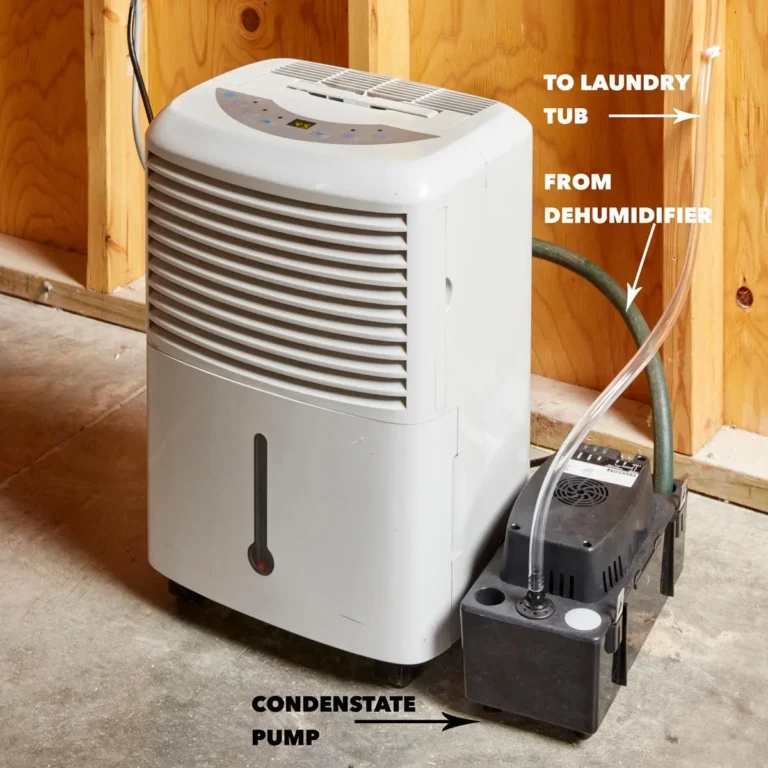
- Empty the tank when full. A continuous drain hose saves you from constant trips.
- Clean the filter weekly. Dust reduces airflow and makes the unit work harder.
As of 2026, most modern units include a built-in humidistat, so you can set it once and let it decide when to run. Just keep the front and back clear so air moves freely. For a small guest bath, one of the room-sized models keeps things simple.
Mistakes to Avoid: Common Pitfalls That Ruin the Results
- Picking a unit that's too small. A tiny Peltier dehumidifier can't keep up with shower steam, and you'll see fog anyway.
- Running the dehumidifier only during the shower. The heaviest condensation forms in the 30 minutes after the water stops.
- Setting the humidity target too low. Trying to hit 30 percent makes the unit run nonstop and wastes electricity.
- Placing it too close to the tub. Splash risk isn't worth it, and the unit needs room to pull air from around itself.
- Forgetting to empty the tank. Auto-shutoff sounds helpful, but the unit stops right when the bathroom is at its wettest.
- Ignoring the filter. A clogged filter cuts performance and pushes up your energy bill.
Don't use a dehumidifier to hide a bigger problem. If your exhaust fan doesn't work, fix that first. Even a low-cost option like an affordable unit can handle a bathroom if the room itself isn't fighting it.
Comparison: When a Dehumidifier Wins (and When It Doesn't)
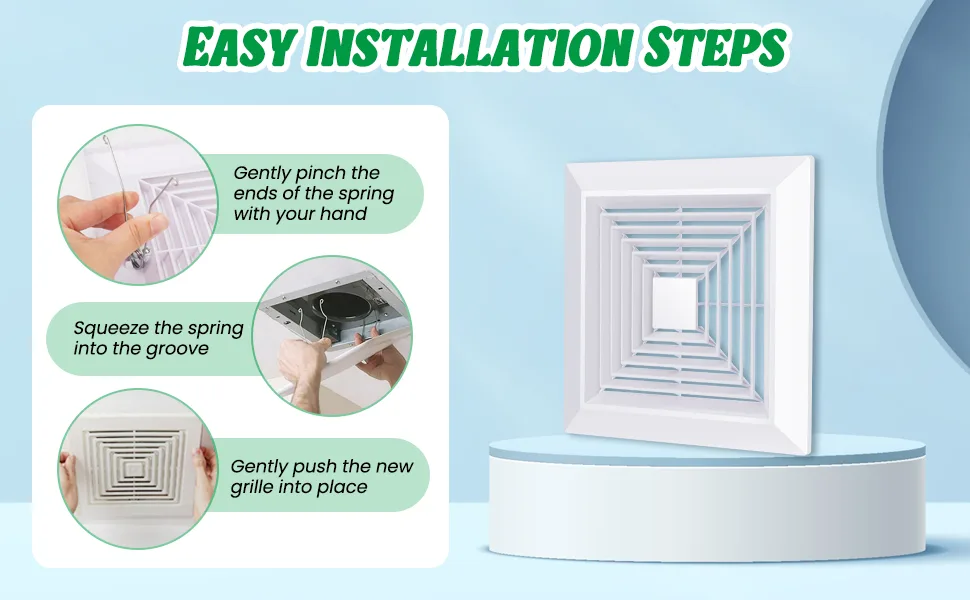
Image source: Bing (Web (fair-use with source credit))
A dehumidifier is not always the only tool for the job. Let's break down when it beats the alternatives.
Dehumidifier vs exhaust fan. A properly sized exhaust fan pulls steam out during the shower. It's faster at clearing visible fog. But it also pushes conditioned air outside, which wastes energy.
A dehumidifier recirculates the air. It keeps the heat in and works after the shower ends.
Dehumidifier vs opening a window. In warm weather, an open window works fine. In cold weather, the window invites more cold air, which creates more condensation. A dehumidifier solves that.
Dehumidifier vs moisture absorbers. Passive absorbers like DampRid work for closets or small powder rooms. They cannot handle the steam from a full shower.
| Option | Best for | Weakness |
|---|---|---|
| Dehumidifier | Bathrooms without a fan, cold climates, frequent use | Upfront cost, need to empty tank |
| Exhaust fan | Bathrooms with existing ductwork, quick steam removal | Noisy, pushes out conditioned air |
| Open window | Mild weather, small bathrooms | Unreliable, lets in humidity |
| Passive absorber | Tiny spaces, light use | Too slow for showers |
A dehumidifier wins when you need consistent control. It wins when you cannot rely on a fan. It wins when the bathroom window stays closed for months.
Maintenance & Optimization: Keeping Your Dehumidifier Working Long-Term
A dehumidifier needs regular care. Skip the upkeep and performance drops fast.
Clean the filter every two weeks. Dust and pet hair clog the intake. The unit works harder and pulls less moisture. Rinse the filter with warm water.
Let it dry completely before putting it back.
Check the drain hose. If you use a continuous drain, make sure the hose slopes downward. A kink or uphill loop stops the water flow. That leads to overflow or the unit shutting off.
Wipe down the coils. Every few months, vacuum the condenser coils. Dust buildup reduces efficiency. Check the manufacturer manual for access instructions.
Store it properly in winter. If you stop using the unit, empty the water tank completely. Clean the filter. Store it in a dry spot.
Moisture left inside can grow mold.
Monitor humidity levels with a separate hygrometer. The built-in sensor on some units drifts over time. A cheap standalone hygrometer gives you a second opinion. Our research shows this simple check catches calibration issues before they cause problems.
Replace the unit when it struggles. A dehumidifier that runs constantly but does not lower humidity may need servicing. After five to eight years of regular use, the compressor loses efficiency. A new model often pays for itself in lower energy bills.
Frequently Asked Questions
How long should I run a dehumidifier in the bathroom?
Run it for 30 to 60 minutes after each shower. If the bathroom feels damp when you check later, extend the run time. Many units have a timer you can set once.
Where should I place the dehumidifier in the bathroom?
Put it on a flat, stable surface away from the shower. Keep it at least three feet from the tub. Leave clearance around the air intake and exhaust.
A counter or shelf works well.
Can a dehumidifier handle steam from a long shower?
Yes, but only if it is sized correctly. A 20-pint unit handles a standard shower. For a large soaking tub or long showers, step up to a 30-pint or 50-pint model.
Will a dehumidifier stop mold on bathroom walls?
It prevents new mold by keeping humidity low. It will not kill mold that is already growing. You need to clean existing mold with a bleach solution or a mold remover before the dehumidifier can protect the area.
Is it safe to run a dehumidifier while I shower?
It is safe as long as the unit is not near water spray. Use a GFCI outlet. Keep the cord away from wet floors.
Some people prefer to run it after the shower to avoid tripping hazards.
How do I know if my bathroom needs a dehumidifier?
Check for condensation on the mirror more than 15 minutes after the shower. Look for mold on caulk or grout. Smell for musty odors.
If any of these are present, a dehumidifier will help.