Can a Dehumidifier Dry Out a Basement
Can a dehumidifier dry out a basement? Yes, but with an important catch. A dehumidifier pulls moisture from the air, not from standing water or soaked concrete.
If your basement floods whenever it rains, that's a drainage problem, not a humidity problem.
The EPA recommends keeping indoor relative humidity between 30 and 50 percent to discourage mold growth. That's the target a dehumidifier can help you reach. Most damp basements aren't flooded.
They just sit below grade breathing humid summer air. That's where the machine earns its keep.

Image source: Bing (Web (fair-use with source credit))
Quick Answer
Yes, a dehumidifier can dry out a damp basement. It removes moisture from the air and keeps it dry. It cannot fix flooding or severe leaks.
Fix those first. Run the right size unit and you'll see results within days.
What a Dehumidifier Can (and Can't) Do for Your Basement
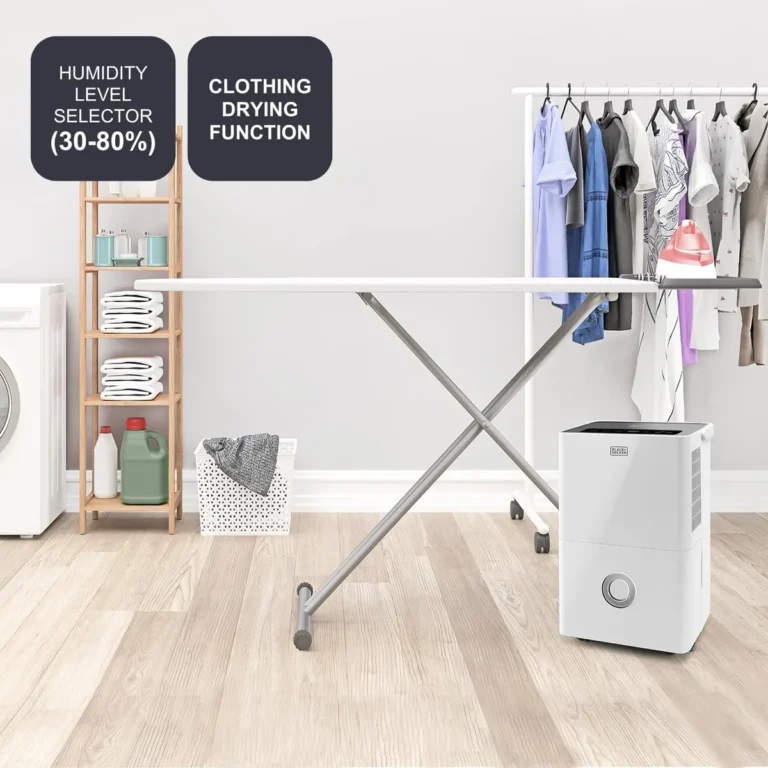
A dehumidifier only works on the air. It pulls water vapor out, collects it in a bucket, or sends it down a drain hose. That process handles condensation on pipes, musty smells, and mold-friendly dampness.
It does nothing for water pushing through the foundation after heavy rain.
Before relying on one, check for downspouts that pour against the foundation. Look for cracked wall joints. Check for a missing vapor barrier.
Fix those issues first.

Image source: Bing (Web (fair-use with source credit))
Per EPA guidelines, keeping indoor humidity below 50 percent helps prevent mold. Here's the short version of what a dehumidifier can and can't do:
- Can: Lower airborne moisture, stop window condensation, reduce musty odors, and protect stored boxes and furniture.
- Can't: Dry soaked drywall, remove standing water, fix a leaking slab, or replace a proper sump pump.
If you have active leaks, the machine is a stopgap, not a cure. For heavy flooding, you need a flood-drying setup, not just a household unit. Seal the leaks, improve the grading, or install a sump pump first.
Then let the unit handle the rest.
How to Choose the Right Dehumidifier Size and Type for Your Basement
As of 2026, most residential dehumidifiers are rated per the AHAM DH-1 test standard. That makes sizing simpler than you'd think. Measure the square footage.
Gauge how damp the space feels. Then match it to a unit's capacity.

Image source: Bing (Web (fair-use with source credit))
Here's a quick sizing table based on typical basement conditions:
| Basement size | Moisture level | Recommended capacity | | Under 1,000 sq ft | Damp | 30-35 pints | | 1,000-1,500 sq ft | Damp to wet | 40-50 pints | | 1,200-1,800 sq ft | Very damp | 50-60 pints | | 1,800+ sq ft | Wet | 70+ pints |
If your basement tops 1,800 square feet or feels damp even in winter, a 70-pint model is usually the safe choice. For spaces around 1,000 to 1,500 square feet, basement-specific 50-pint units handle most homes well. Smaller spaces with mild dampness can get away with a compact 20-pint unit, but you'll empty the bucket more often.
The bigger decision is type. Refrigerant models work best above 65°F. They're efficient in summer.
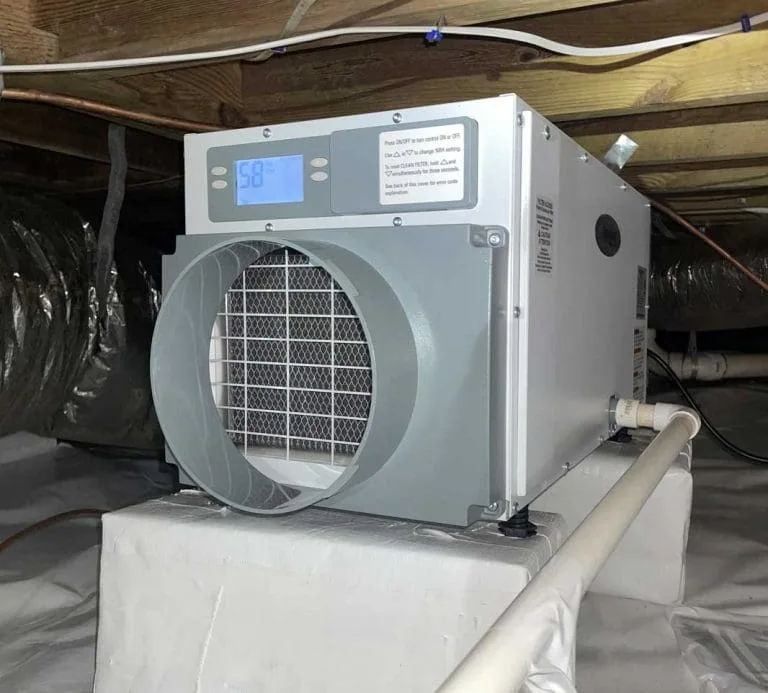
Desiccant models shine in cold basements because they don't ice up, though they use more electricity. Whole-house units tie into your HVAC system and cost more upfront, but they maintain the whole main floor too.
Also look for a built-in condensate pump. That lets you run a drain hose up to a laundry tub or outside. Without one, the unit must sit near a floor drain, or you'll empty a water tank every single day.
Energy Star-rated compressors are worth it, too. Lower running costs add up over years.
Common Mistakes That Stop a Dehumidifier from Drying Your Basement
Most people don't fail because the machine is broken. They fail because the setup is wrong. Here are the biggest mistakes we see in buyer feedback:
- Buying too small. A 20-pint unit in a wet, 1,800-square-foot basement never catches up. Match the unit to the square footage and dampness first.
- Placing it against a wall. Units need airflow on all sides. Parked in a corner, the humidistat reads okay while the middle of the room stays damp.
- Opening windows while it runs. In summer, humid outdoor air floods right back in. Close basement windows during the cooling season.
- Ignoring the drain setup. A full bucket means the unit cycles off all night. Use a continuous drain hose if you have a floor drain nearby.
- Skipping filter cleaning. A dust-clogged filter cuts airflow and makes the compressor work harder. Clean it every few weeks.
- Setting the humidity too high. Sixty percent keeps that cave smell around. Set the target to 45 or 50 percent.
- Expecting overnight miracles. A dehumidifier pulls the most water during the first few days, then slows down. Give it two or three days to stabilize.
A cheap underpowered unit is tempting, but a value-priced, correctly sized model will outperform it every time.
Expert Tips for Maximum Performance and Energy Efficiency
Once your dehumidifier is sized right, a few small habits make a big difference. Here's what moves the needle:
- Put it centrally. Place it in an open area, not behind shelves or under stairs. Air needs to circulate.
- Close basement doors. They aren't airtight, but closing them keeps the unit from wasting energy on the rest of the house.
- Set the target correctly. 45 to 50 percent is the sweet spot for comfort, mold prevention, and operating cost.
- Use a continuous drain when possible. It turns the unit into a set-and-forget appliance. A condensate pump extends that convenience even without a floor drain.
- Clean the filter and coils. Wash the filter, vacuum the coils, and check the intake grill every month during heavy use.
- Lay down a vapor barrier. Unsealed concrete floors and exposed dirt release ground moisture all year. A 6-mil plastic vapor barrier blocks that upward moisture.
- Track humidity with a hygrometer. Don't trust the unit's built-in meter alone. A $10 hygrometer across the room shows you what's true.
During the hot months, let it run around the clock. That's the best way to keep up with constant humidity. In winter, switch to a colder-capable or desiccant model if the basement drops below 65°F.
When to Call a Professional Instead of Relying on a Dehumidifier
A dehumidifier isn't a substitute for waterproofing. If you see standing water, active leaks, or pooling after rain, no amount of air drying will fix it. The machine pulls vapor from the air, not water from the ground.
Call a professional if you notice any of these signs:
- Efflorescence on walls. That white powdery mineral deposit means water is moving through the concrete.
- Cracked or bowing foundation walls. Structural issues need an engineer, not a plug-in appliance.
- Standing water after storms. That's a drainage or sump pump problem first.
- Mold behind drywall or paneling. Hidden mold requires remediation before you seal the space.
- Persistent humidity above 60 percent. Even a correctly sized unit can't keep up if the source is underground water.
Basement waterproofing contractors offer two main solutions. Exterior waterproofing involves excavating around the foundation and applying a membrane. Interior solutions include drainage channels and a sump pump system.
Both cost more than a dehumidifier but solve the actual problem.
For post-flood drying, you need industrial-grade equipment. A residential dehumidifier will take weeks to do what a commercial unit does in days. Homes with active water intrusion who skip professional help often end up with mold remediation bills that dwarf the cost of a waterproofing job.
The rule of thumb is simple. If the basement feels damp but the floor and walls are dry, a dehumidifier will work. If you see water, hire a pro.
Frequently Asked Questions
How long does it take for a dehumidifier to dry out a basement?
Expect noticeable improvement within 24 to 48 hours. Full stabilization usually takes 3 to 7 days. Very damp basements may need two weeks to reach a steady 45 to 50 percent relative humidity.
Should I run a dehumidifier in the basement during winter?
Only if the basement stays above 65 degrees Fahrenheit. Standard refrigerant units freeze up in cold conditions. A desiccant dehumidifier handles cold basements better, but many homeowners find winter humidity drops naturally and they don't need one at all.
What humidity level should I set my basement dehumidifier to?
Set it between 45 and 50 percent. That range prevents mold growth without running the unit needlessly. The EPA recommends staying below 60 percent, but 45 to 50 percent gives you a safety margin and keeps that musty smell away.
Can a dehumidifier remove mold from a basement?
No. A dehumidifier stops mold from growing by drying the air, but it does not kill existing mold. Any visible mold must be cleaned with a mold-killing solution or removed by a professional.
After that, the dehumidifier keeps new mold from forming.
Where should I place the dehumidifier in my basement?
Put it in the center of the room, away from walls and furniture. Leave at least 6 to 12 inches of clearance on all sides. Close basement windows and doors so the unit only cycles the basement air, not the whole house.
Do I need a dehumidifier if I have a sump pump?
Yes, if the basement still feels damp. A sump pump removes standing water that collects in the pit. It does nothing for airborne humidity.
Many homes with sump pumps still run a dehumidifier during the summer months to keep the air comfortable and dry.