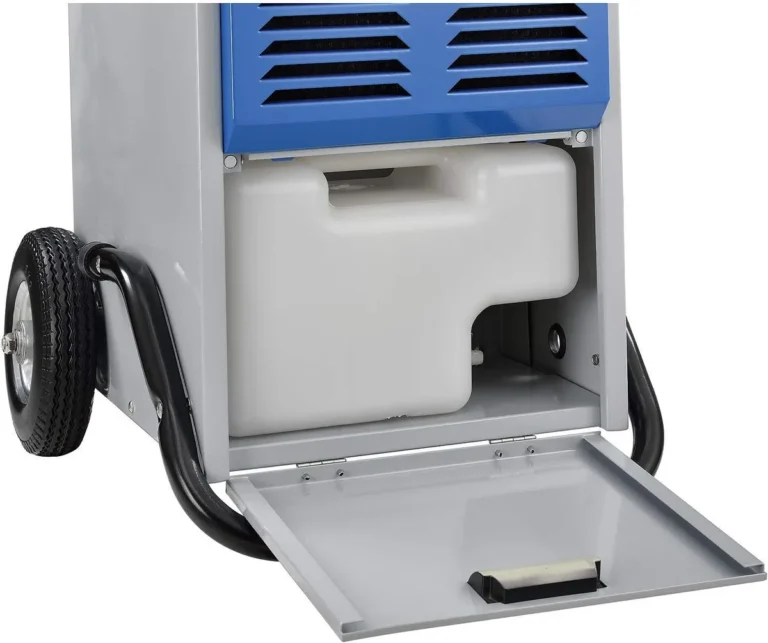
How to Clean a Dehumidifier Hose
If your dehumidifier smells musty or leaves little puddles behind, the drain hose is probably the culprit. Learning how to clean a dehumidifier hose takes about 20 minutes and can save you from replacing a pricier unit down the road.
Most portable dehumidifiers ship with a 3/8-inch or 5/8-inch vinyl drain hose. Manufacturer specifications show these lines clog easily with slime and mineral scale. The fix is simple once you understand what is collecting inside and which cleaning method matches your setup.
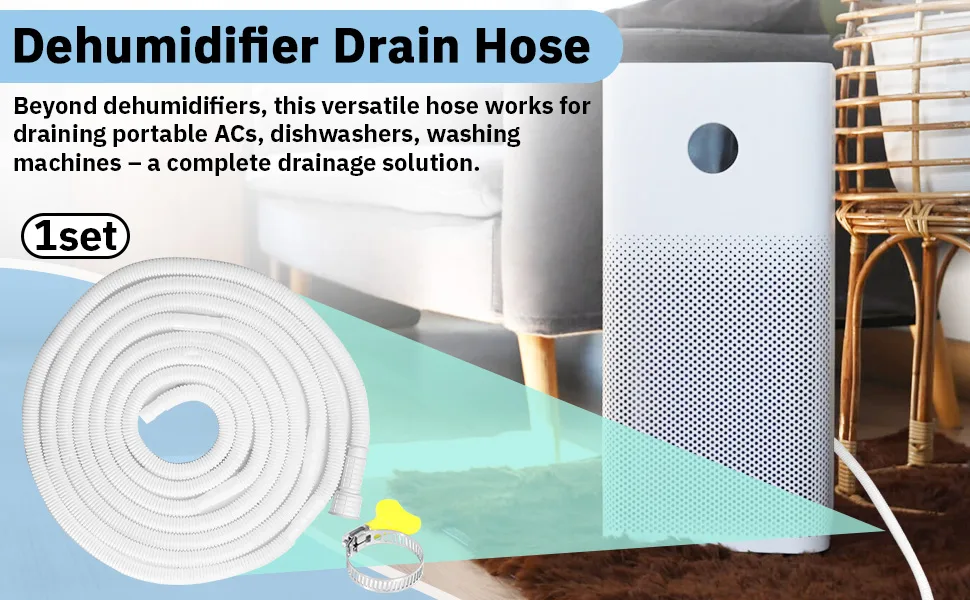
Image source: Bing (Web (fair-use with source credit))
Quick Answer
How to clean a dehumidifier hose starts with unplugging the unit and disconnecting the hose. Flush it with warm water to remove loose gunk. Soak it in a 50/50 white vinegar solution for 30 minutes.
Scrub the inside with a flexible brush. Rinse, drain, and reattach.
When Your Dehumidifier Hose Needs Cleaning
As of 2026, most portable dehumidifiers use either a 3/8-inch or 5/8-inch hose. Both clean up easily if you catch the problem early. You don't need to wait for a full clog to act.
Watch for these warning signs:
- A musty or sour smell near the unit while it runs
- Water pooling around the dehumidifier or the drain opening
- Gurgling sounds from the hose or the bucket area
- The unit shuts off early and shows a full bucket light when the bucket is empty
- A visible dark film or slime at the hose ends
If you see any of these, your drain line is likely restricted. A partially blocked hose makes the pump work harder. It can also cause water to back up into the machine.
The tricky part is that slime builds up inside where you can't see it.
What's Building Up Inside the Hose
What looks like harmless gunk is actually a mix of wet dust, mold spores, algae, and bacteria. When the hose stays damp, that combination forms a slimy biofilm inside the walls. It's the same stuff you sometimes see on a dog's water bowl if you forget to clean it.
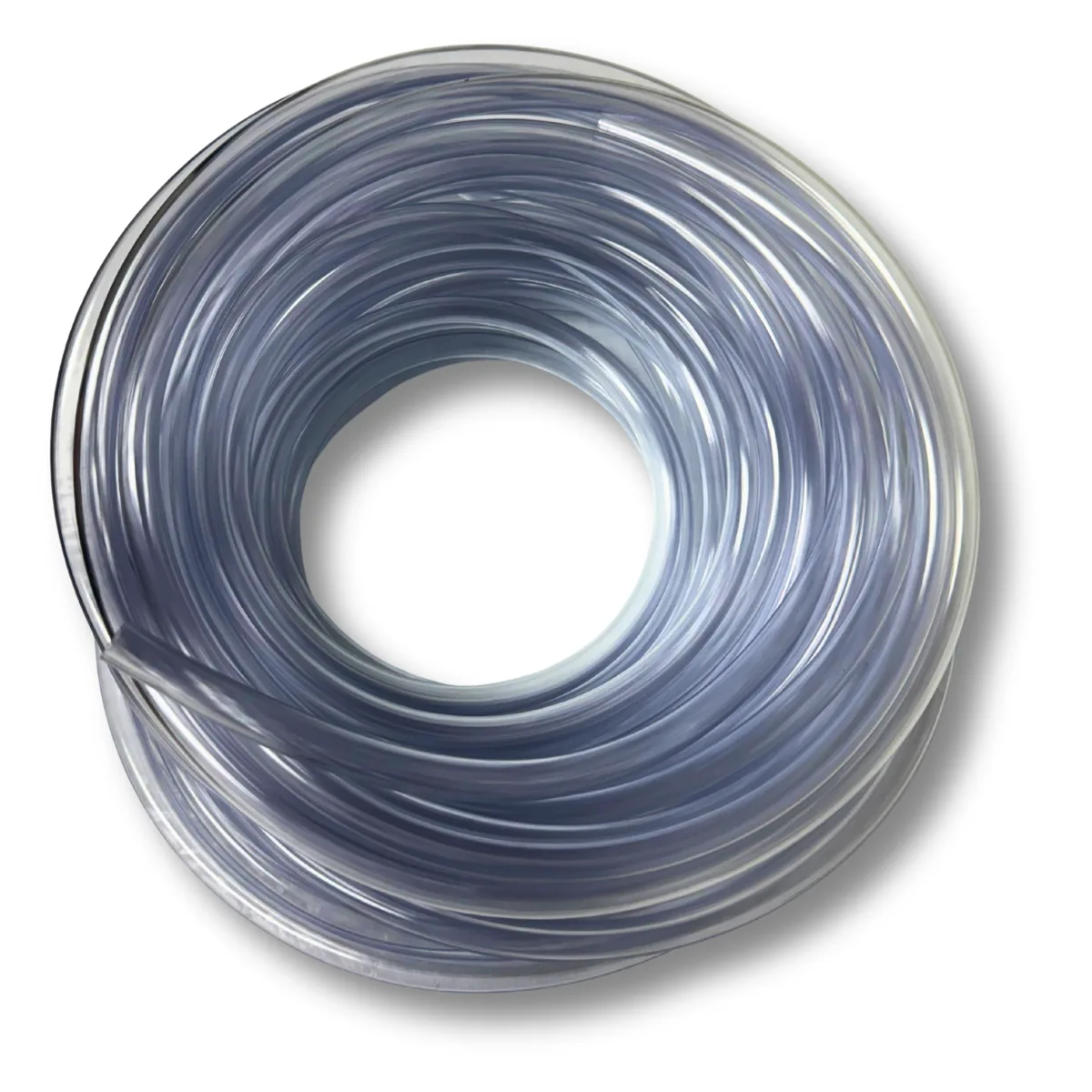
Image source: Bing (Web (fair-use with source credit))
That film matters for two reasons. First, it restricts water flow and makes the pump work harder. Second, damp organic matter can re-release mold spores into your basement air.
The EPA's mold guidance lists removing moisture and cleaning affected surfaces as key prevention steps.
Hard water makes the problem worse. Calcium and magnesium scale builds up on top of the slime, especially around fittings and bends. That mineral layer is stubborn.
Regular soaking prevents it from hardening into a permanent block.
The Right Cleaning Method for Your Hose Type
Not every hose needs the same treatment. The right method depends on your hose style, how it connects, and whether you can remove it easily.
If your hose is smooth on the inside and removable, use the soak-and-scrub method. If your hose is ribbed or corrugated, use a flexible brush kit. The ridges hide gunk that flushing alone cannot reach.
If your hose is permanently attached to a floor drain, flush it in place with a wet/dry vacuum from the open end. If your dehumidifier uses a condensate pump, avoid harsh chemicals that can leave residue and damage seals.
For long, fixed lines, a shop vac works best. Place the hose end in a bucket. Seal the hose around the vacuum nozzle with a rag.
Let the vacuum pull debris through. Compressed air works as a backup, but only at low pressure.
The core question is access. Can you take the hose off? Then soak it.
Can't take it off? Then pull the clog out with suction or air.
Step-by-Step: How to Clean Your Dehumidifier Hose
You don't need a repair technician for this one. With a few basic supplies, you can get the line fully clear in one afternoon.
Here's what you need:
| Tool | Why |
|---|---|
| White vinegar or bleach | Breaks down slime and scale |
| Bucket or sink | Holds the soak solution |
| Flexible brush kit | Reaches corrugated ridges |
| Wet/dry vacuum | Clears fixed lines |
For a standard removable hose, follow these steps:
- Unplug the dehumidifier.
- Detach the hose at both ends.
- Flush it with warm water.
- Soak it in a 50/50 vinegar solution for 30 minutes.
- Scrub the inside with a flexible brush.
- Rinse thoroughly with clean water.
- Shake out the excess and reattach.
- Run the unit and check for leaks.
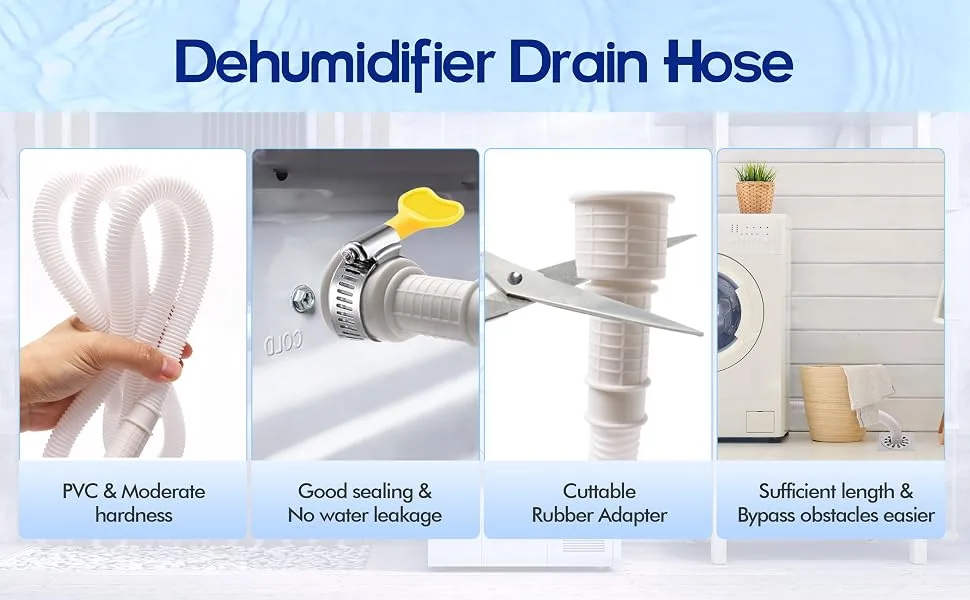
Image source: Bing (Web (fair-use with source credit))
If the buildup is heavy, soak overnight. For a bleach solution, use 1/4 cup of bleach per gallon of water. Cap the soak at 30 minutes.
Never mix vinegar and bleach. Never use hot water, which can warp plastic fittings.
Common Mistakes That Damage Hoses and Void Warranties
Plenty of well-intentioned cleanings go wrong. Avoid these common errors.
- Mixing vinegar and bleach. This creates toxic chlorine gas.
- Using chemical drain cleaners. They eat through plastic and void most warranties.
- Scrubbing with a wire or coat hanger. Metal scratches the interior and creates new ridges for gunk.
- Soaking in bleach too long. The plastic becomes brittle and cracks later.
- Skipping the final rinse. Leftover solution can irritate your eyes and skin the next time the unit runs.
- Forgetting to check the connection seal. A loose fitting makes the hose drip even when it is clean.
Most warranties cover the hose for at least a year. Physical damage or chemical damage is rarely covered. The safest path is warm water, plain vinegar, a properly diluted bleach rinse, and a brush made for flexible hoses.
Clean that way, and your drain line will keep working like new.
How Often to Clean and Preventative Habits
Prevention is easier than scrubbing a fully clogged hose. Stick to a regular schedule.
In high-humidity basements or coastal climates, clean the hose every two months. In normal conditions, every three to four months works. If you run the dehumidifier only seasonally, clean the hose before storage and again at startup.
A few habits keep the hose cleaner longer:
- Elevate the hose slightly so water drains fully. Stagnant water breeds slime.
- Use a short hose length. Extra hose means more surface area for buildup.
- Replace the hose once a year if you live in a hard water area. Mineral scale eventually solidifies.
- Check the hose fittings monthly. A loose connection traps moisture.
These steps take almost no time. They dramatically reduce how often you need a deep clean.
Frequently Asked Questions
Can I use bleach to clean my dehumidifier hose?
Yes, but dilute it. Use 1/4 cup of bleach per gallon of water. Soak the hose for 30 minutes max.
Rinse thoroughly before reattaching. Never mix bleach with vinegar.
How do I unclog a dehumidifier hose without removing it?
Use a wet/dry vacuum. Seal the hose end around the vacuum nozzle with a rag. Run the vacuum for 30 seconds to pull out the blockage.
Follow with a flush of warm water.
Why does my dehumidifier hose keep getting algae?
Algae needs moisture and light to grow. Keep the hose out of direct sunlight. Use an opaque hose or cover it.
Clean on a regular schedule so algae never gets a foothold.
Is it safe to run my dehumidifier without the hose?
No. Running without the hose means water drains into the bucket only. If the bucket fills, the unit shuts off.
That defeats the purpose of continuous drainage. Always use the hose for unattended operation.
Can I use a garden hose to replace my dehumidifier hose?
Not usually. Most dehumidifier hoses use 3/8-inch or 5/8-inch fittings. Garden hoses are larger and will not seal properly.
Stick to the manufacturer-specified hose size.
How do I clean a dehumidifier hose that is already installed in a wall?
Flush it with a wet/dry vacuum from the accessible end. Pour a vinegar solution into the hose. Let it sit for 30 minutes, then vacuum it out.
Rinse with clean water. Compressed air at low pressure works as a backup.