How Often Should You Clean a Dehumidifier
The question "how often should you clean a dehumidifier" usually doesn't hit your radar until something goes wrong. Maybe the air starts smelling musty. Maybe the unit runs constantly without drying the room.
The baseline answer is simple: clean the filter every 2 to 4 weeks. Give the whole unit a deeper clean every 1 to 2 months.
The Department of Energy confirms that a dirty filter or coils can slash your dehumidifier's efficiency by 10 to 15 percent. That's wasted energy and a shorter lifespan for your machine. Let's jump into the details so you can avoid those problems.
Quick Answer
Clean the filter every 2 to 4 weeks during active use. Deep clean the water bucket, coils, and drain line every 1 to 2 months. Adjust this schedule based on humidity levels, how often you run the unit, and whether you have pets.
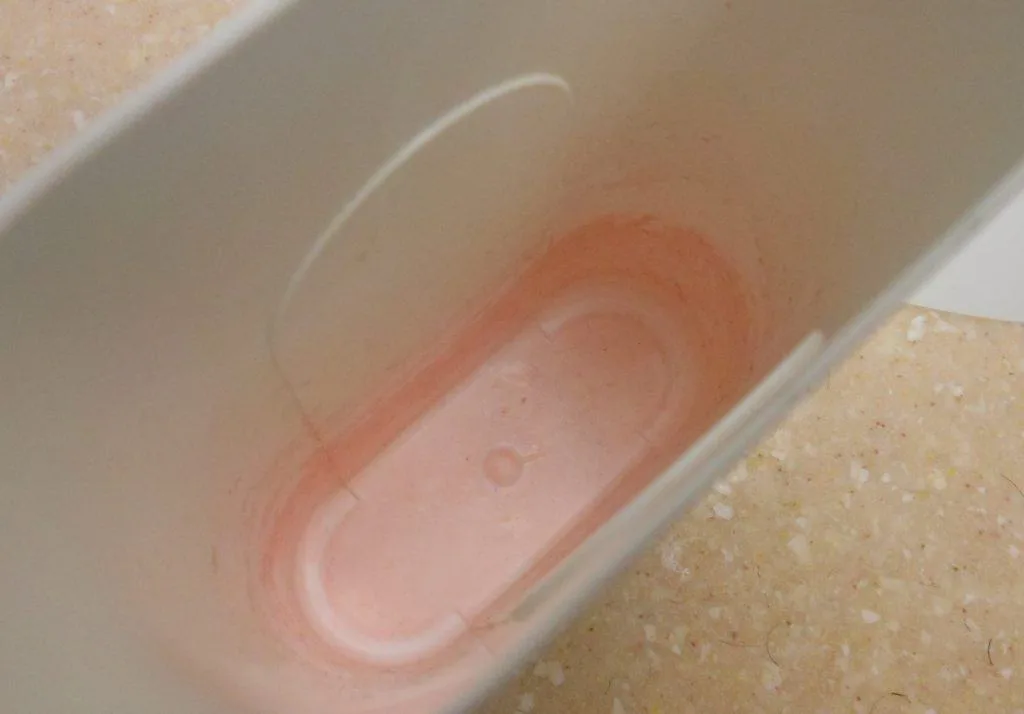
Image source: Bing (Web (fair-use with source credit))
So, How Often Should You Really Clean a Dehumidifier?
Let's break it down by component. The filter is the most important part. It traps dust, pet hair, and mold spores.
When it's clogged, air can't flow through easily. The unit has to work harder. It pulls less moisture from the room.
| Component | Routine | Frequency |
|---|---|---|
| Washable filter | Rinse with water | Every 2 to 4 weeks |
| Water bucket | Wipe down with mild soap | Every 1 to 2 weeks |
| Coils and fins | Vacuum with soft brush | Every 1 to 2 months |
| Drain hose | Flush with vinegar | Every 1 to 2 months |
If you live in a very humid area or run the unit 24/7, lean toward the more frequent end of that range. If you only use it occasionally in a dry climate, you can stretch it a bit. But skipping the filter cleaning for months is a recipe for a broken machine.
If you're shopping for a new unit, check out our guide to the best dehumidifiers to find one that's easy to maintain.
What Changes the Cleaning Frequency
A dehumidifier running in a dry basement once a week has very different needs than one running in a humid Florida laundry room every day.
- High humidity climates: If you live in the Southeast, Gulf Coast, or Pacific Northwest, expect to clean the filter every 2 weeks during peak season.
- Pets in the house: Pet dander and fur clog filters faster. Plan on cleaning the filter every 2 weeks without fail.
- Continuous use: If your unit runs 24/7, especially in a basement, it pulls a lot of moisture. That means more dust and mineral buildup. Clean the filter every 2 weeks and deep clean monthly.
- Seasonal use: If you only pull it out for a few months, a monthly filter cleaning is usually enough.
For basement units that run constantly, maintenance is even more critical. We have a dedicated guide to the best dehumidifier for basement use that highlights models built for this kind of heavy-duty work.
Signs Your Dehumidifier Needs a Cleaning
The machine will tell you when it's struggling. You just need to know what to look for.
- Musty smells: The most common sign. If the air coming out smells like a damp towel, there's mold or mildew growing inside the unit.
- Reduced water collection: If the bucket is barely filling up despite running all day, the coils or filter are likely clogged.
- Frost on the coils: Ice buildup on the coils is a classic sign of restricted airflow, usually from a dirty filter.
- Noisy operation: A rattling or buzzing sound often means the fan is struggling to pull air through a clogged filter.
- Unit runs constantly: If the humidistat never seems to satisfy, the machine can't move enough air to dry the room effectively.
Don't ignore these signs. A little cleaning now can save you from a costly repair or replacement later.
The Right Cleaning Schedule for Your Situation
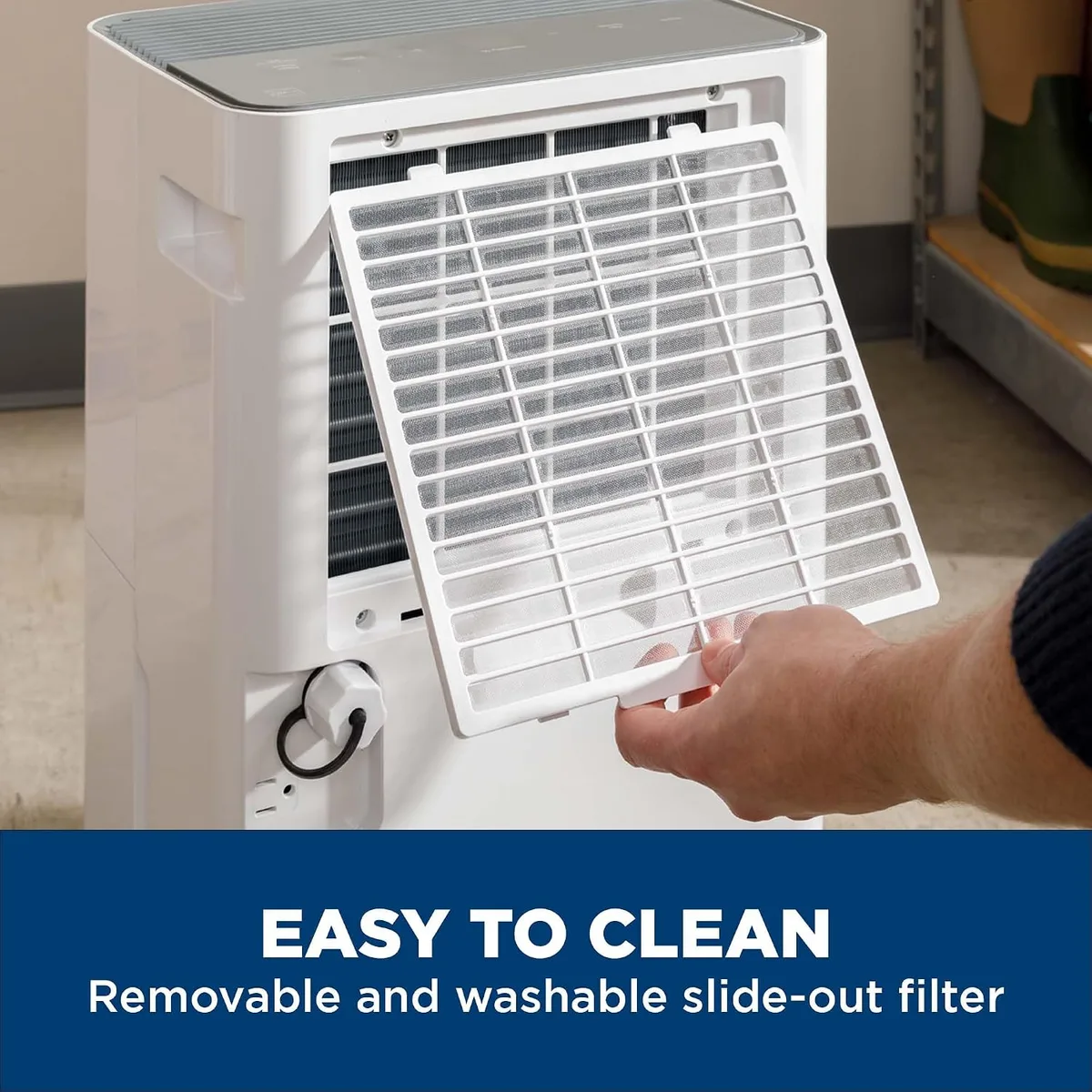
Image source: Bing (Web (fair-use with source credit))
Let's turn this into a simple decision tree. Match your situation to the recommended schedule.
| Scenario | Filter Cleaning | Deep Clean |
|---|---|---|
| Normal use, average humidity | Every 4 weeks | Every 2 months |
| High humidity (coastal, tropical) | Every 2 weeks | Every 1 month |
| Pets in the home | Every 2 weeks | Every 1 month |
| Constant use (basement, crawl space) | Every 2 weeks | Every 1 month |
| Seasonal use only | Every 4 weeks of use | Once per season |
Set a recurring reminder on your phone. It's easier than trying to remember. People who stick to a schedule rarely have issues with their units breaking down early.
The ones who skip it are often replacing their machines every couple of years.
How to Actually Clean It
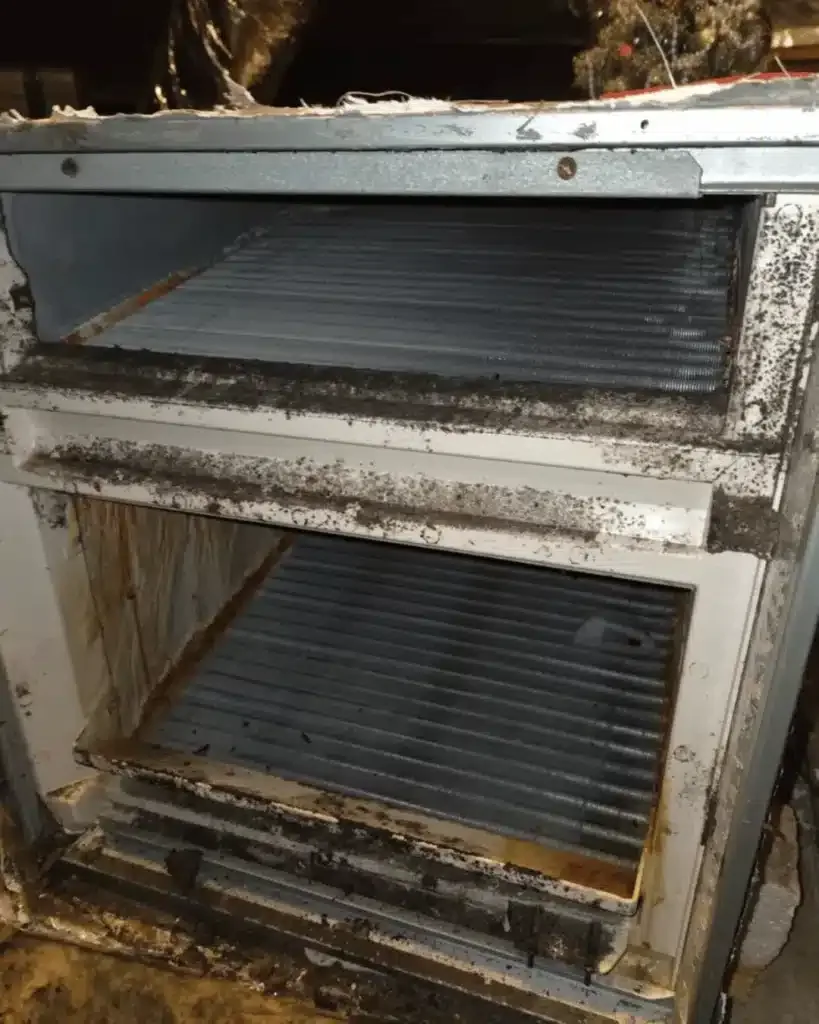
Image source: Bing (Web (fair-use with source credit))
You don't need any special tools. Just a vacuum with a soft brush, some mild soap, and a cloth.
Routine Filter Cleaning (Every 2 to 4 weeks)
- Unplug the unit. Safety first.
- Remove the air filter. It usually slides out from the front or back.
- Rinse it under warm running water. Use a soft brush to gently remove dust.
- Let it dry completely. A wet filter will grow mold.
- Put it back in.
Deep Clean (Every 1 to 2 months)
- Unplug the unit.
- Clean the water bucket. Wash it with warm water and mild dish soap. Let it dry.
- Vacuum the coils. Use the soft brush attachment on your vacuum cleaner. Gently remove dust from the coils and fins. Be careful not to bend the fins.
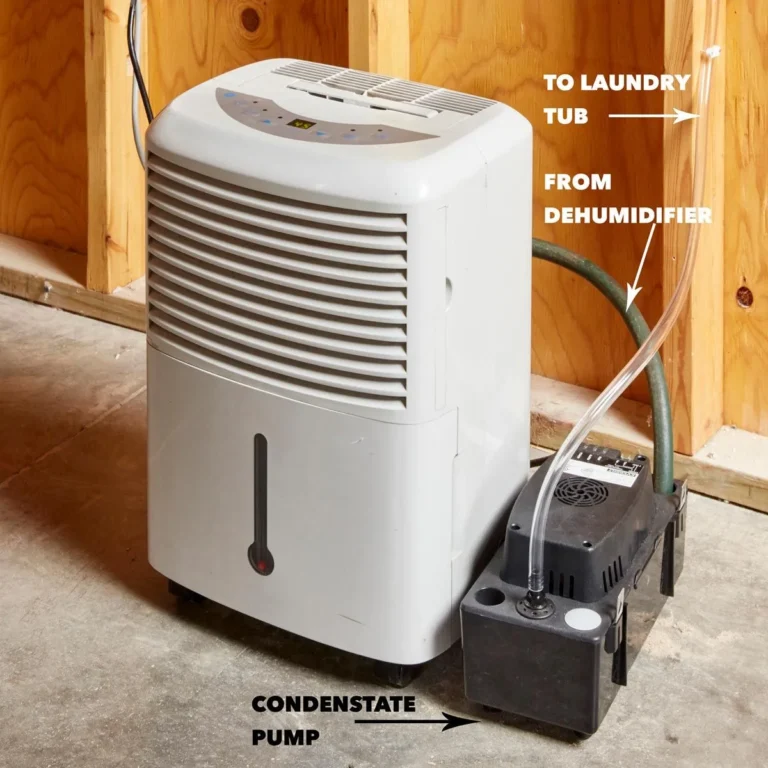
- Clean the drain line. If you use continuous drainage, flush the hose with a mixture of white vinegar and water. This prevents slime buildup.
- Wipe down the exterior. Use a damp cloth to clean the vents and casing.
- Reassemble and plug it back in.
The routine takes about 15 minutes. The deep clean takes about 30 minutes. It's time well spent.
Common Cleaning Mistakes That Cost You Money
You'd be surprised how many people make the same errors. Some seem harmless. Others can wreck your machine in a few months.
Skipping the filter cleaning. This is the number one mistake. A clogged filter makes the unit work harder. It uses more electricity and pulls less water.
The compressor runs longer, which wears it out faster. Units with regularly cleaned filters last years longer than neglected ones.
Using harsh chemicals on the coils. Bleach and ammonia-based cleaners can corrode the aluminum fins. Stick to mild soap and water. For the coils, a vacuum with a soft brush is all you need.
Letting the water bucket sit too long. Stagnant water grows bacteria and mold. Even if you empty it, wipe it dry every time. A damp bucket is a breeding ground for slime.
That slime gets into the drain line and causes clogs.
Forgetting to clean the drain hose. If you use continuous drainage, the hose can get clogged with algae and sludge. This backs up water into the unit. It can cause leaks and water damage.
Flush the hose with white vinegar every two months.
Cleaning the unit while it's still plugged in. This is a safety hazard. Water and electricity don't mix. Always unplug the dehumidifier before you touch any part of it.
Ignoring the condensate pump. If your unit has a pump, it needs maintenance too. The pump reservoir can get slimy. The pump float can stick.
Clean the pump chamber every month if you run the unit a lot.
Frequently Asked Questions
How often should I clean the filter on my dehumidifier?
Clean the filter every 2 to 4 weeks during active use. If you have pets or live in a humid area, clean it every 2 weeks. A dirty filter reduces airflow and makes the unit work harder.
Can I clean my dehumidifier with vinegar?
Yes. White vinegar is great for sanitizing the water bucket and flushing the drain hose. Mix equal parts vinegar and water.
Let it sit for 15 minutes before rinsing. Do not use vinegar on the coils.
What happens if I don't clean my dehumidifier?
The machine loses efficiency. It uses more electricity and pulls less moisture. Mold and mildew grow inside the unit.
The compressor can overheat and fail. You may need to replace the unit sooner.
How do I know if my dehumidifier needs cleaning?
Look for musty smells, reduced water collection, frost on the coils, or noisy operation. If the unit runs constantly without drying the room, the filter or coils are likely dirty.
Should I clean the dehumidifier before storing it for the winter?
Yes. Clean the filter, bucket, and coils thoroughly. Let everything dry completely.
Store the unit in a dry place. This prevents mold growth during storage.
Can I use soap to clean the water bucket?
Yes. Use mild dish soap and warm water. Rinse thoroughly.
Let it dry completely before putting it back. Harsh detergents can leave residue that affects the float sensor.