Why Is My Dehumidifier Making a Buzzing Noise
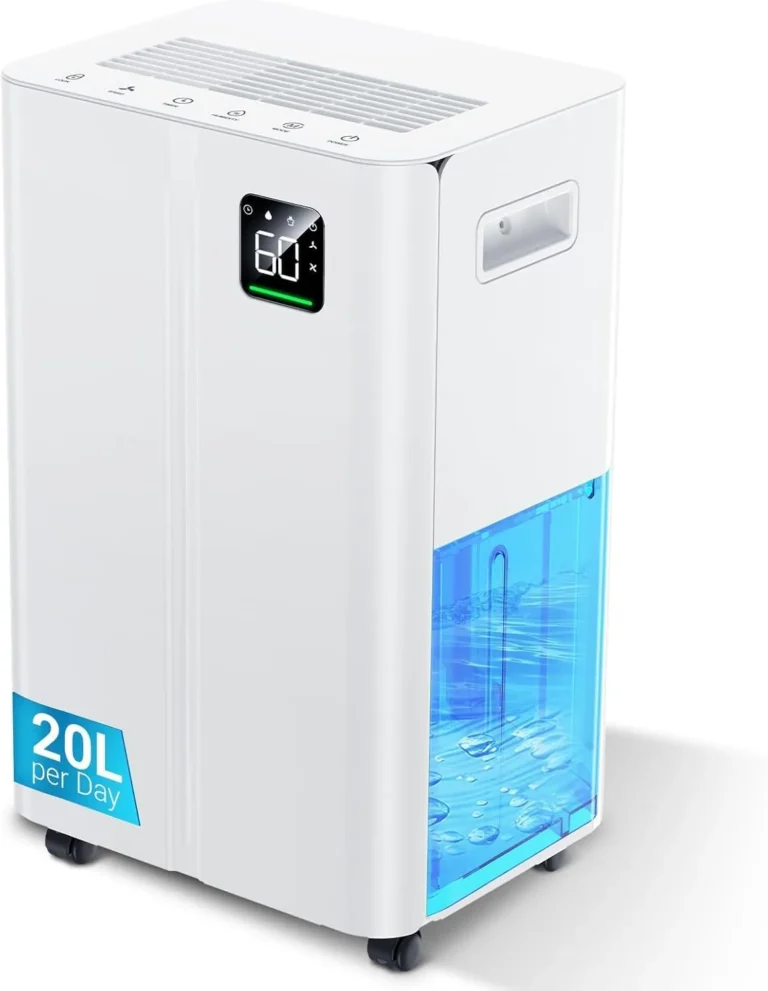
If you're asking "why is my dehumidifier making a buzzing noise," you're in the right place. This is one of the most common dehumidifier complaints. The good news: most of the time, it's fixable without a repair tech.
As of 2026, most residential units are rated between 40 and 55 decibels under standard operating conditions, according to Energy Star. A buzz that carries through the room is a signal that something specific is off. Let's walk through the sound the way a technician would.

Image source: Bing (Web (fair-use with source credit))
The Quick Answer: Most Buzzing Is Fixable
A buzzing dehumidifier is rarely dying. It usually means a loose part, a struggling compressor, or a stuck fan. Most fixes take under an hour.
Most causes fall into one of three patterns: a failing electrical part, a blocked fan, or simple vibration. The next section helps you sort them by timing.
Is It Buzzing All the Time or Only When It Starts?
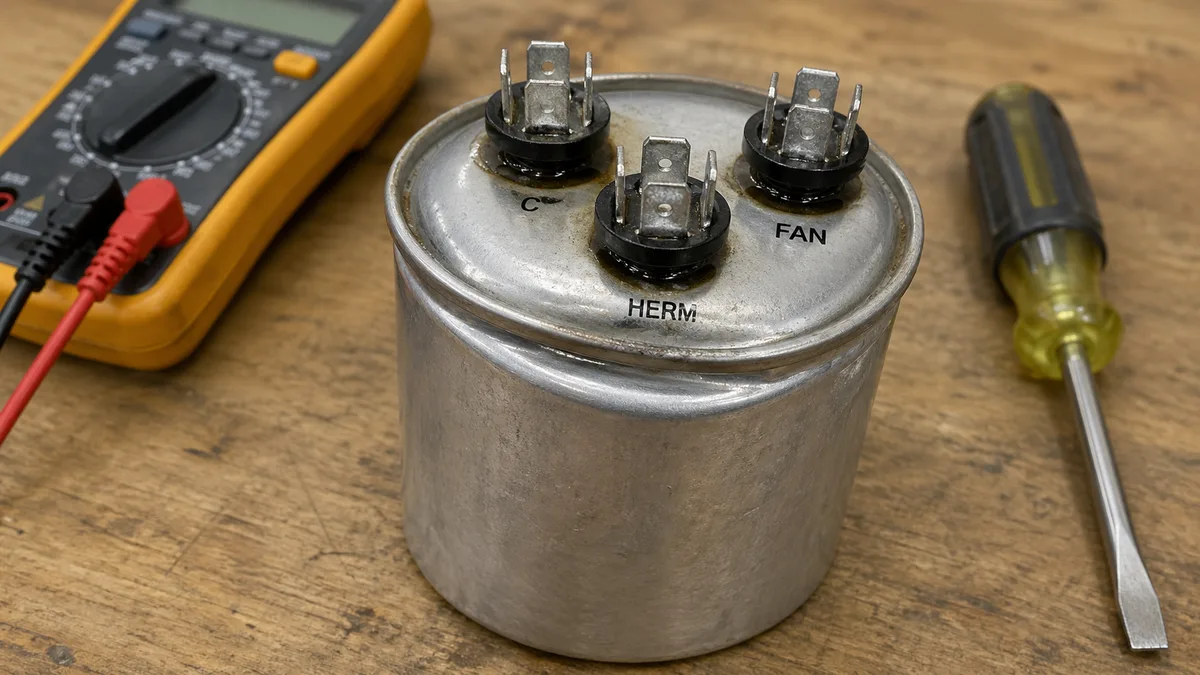
Image source: Bing (Web (fair-use with source credit))
Start with timing. When the buzz happens tells you a lot.
- If it buzzes for a second or two at start-up, then settles, the compressor relay or capacitor is likely the culprit.
- If it buzzes continuously while running, check the fan motor, fan blade, or floor vibration.
- If it buzzes, clicks, then stops, the compressor could be tripping its overload protector.
| When it buzzes | Likely cause | First move |
|---|---|---|
| Only at start-up | Relay or capacitor | Listen for a click after the buzz |
| Non-stop while running | Fan or vibration | Check blade and floor level |
| After a few minutes | Overload or refrigerant | Let unit sit, then restart |
That one clue narrows your next steps considerably.
Is It Coming from the Fan or the Compressor?
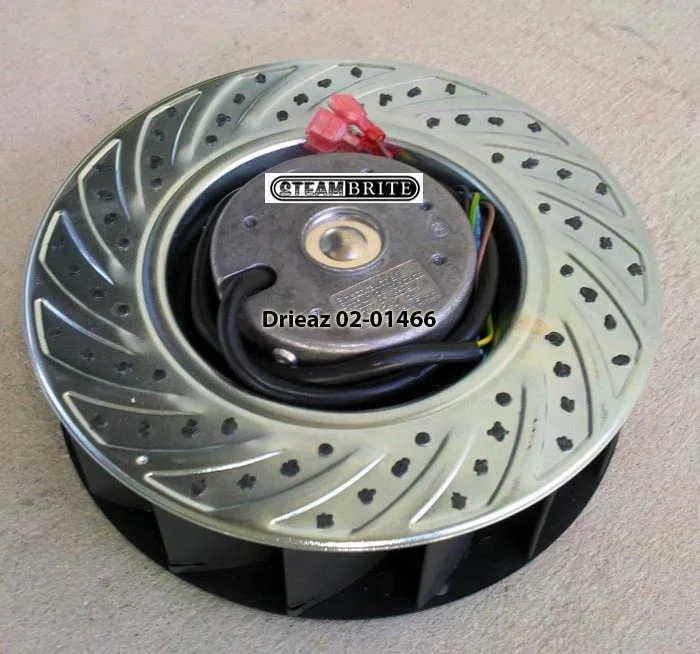
Image source: Bing (Web (fair-use with source credit))
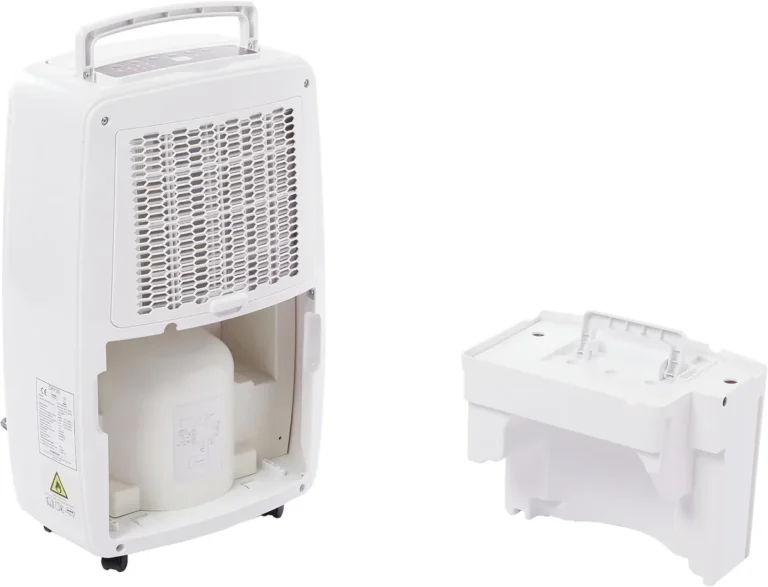
Now locate the sound. The fan sits at the top. The compressor lives in the bottom rear.
Put your ear near each spot.
Fan noise is usually higher-pitched and changes when you adjust the fan speed. Compressor noise is deeper, and it doesn't change with fan speed.
If it's the fan, look for a blade hitting the housing or an object caught inside. Unplug the unit first, then spin the blade by hand. It should feel smooth.
If it's the compressor, the likely parts are the start relay, the capacitor, or loose refrigerant lines. A capacitor that is bulged or leaking has almost certainly failed. And no, you shouldn't open the sealed refrigerant system.
That's a job for a certified technician.
Is It the Floor or the Feet? (A Simple Fix)
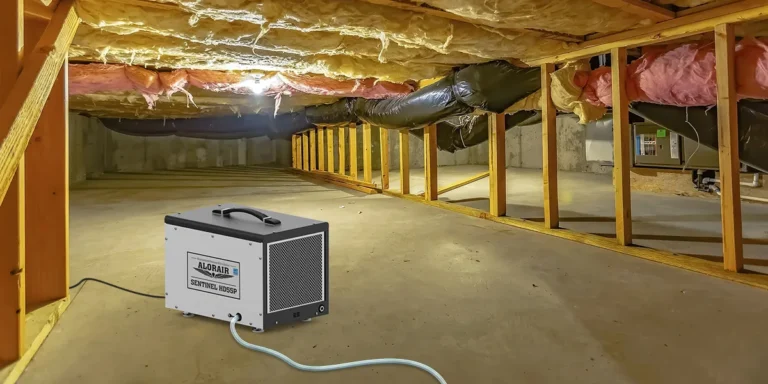
Before you spend money on parts, rule out the floor. Portable dehumidifiers sit on thin plastic feet. Hard surfaces like concrete amplify every tiny shake.
Rock the unit gently from side to side. If it wobbles, adjust the feet until it sits flat. You'll be surprised how often this kills the buzz.
Rubber anti-vibration pads cost a few dollars at any hardware store. They absorb the vibration before it reaches the floor.
One clue: if the noise is worse in the basement than it is on a rug, the floor is your problem. In our research, this simple fix resolves a large share of buzzing complaints.
What to Do Before You Call a Repair Pro
If the timing and location checks haven't solved it, work through this list. Unplug the unit first. That is not optional.
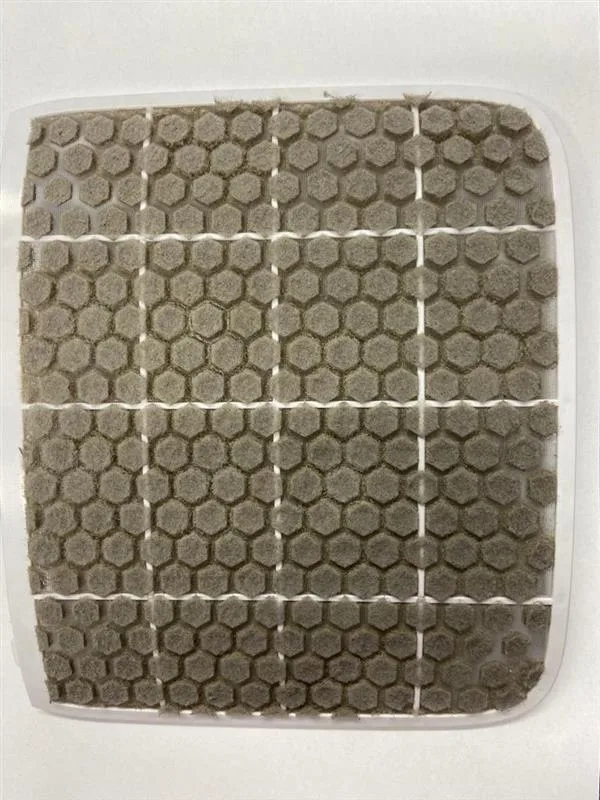
- Pull the air filter out and rinse it. A clogged filter makes the compressor work harder and buzz louder.
- Take off the front grille if it's accessible.
- Spin the fan blade by hand. It should move freely without rubbing.
- Look at the capacitor. If it's swollen, burnt, or oily, it's dead.
- Tap the relay gently with a screwdriver handle. If the unit kicks on, the relay is worn.
- Check the float switch. If it's stuck, the unit may buzz because the pump is fighting against it.
If you don't feel comfortable with any of these steps, stop. A capacitor can hold a dangerous charge even after the unit is unplugged.
A repair tech can diagnose this in about fifteen minutes. A service call runs $100 to $200 as of 2026. A relay costs about $15 to $40.
A capacitor runs $10 to $25.
If your unit is older than seven years and the compressor is the problem, replacement almost always wins. Repair costs can jump past half the price of a new one. At that point, checking the best dehumidifier options makes sense.
Newer Energy Star models are also more efficient, per the U.S. Department of Energy.
Mistakes That Can Cost You
A few common missteps turn a simple fix into an expensive repair.
Ignoring the air filter. A packed filter starves the compressor of airflow. The unit runs hotter and louder. Check it monthly during heavy use.
Using an extension cord. Dehumidifiers pull a lot of current on start-up. An undersized cord causes voltage drop. That voltage drop makes the compressor buzz and struggle.
Plug directly into a wall outlet rated for the unit's amps.
Forcing the fan blade. If the blade is stuck, don't push it hard. Something is likely obstructed, or the motor bearing is seized. Forcing it can snap the blade or damage the motor shaft.
Skipping the defrost cycle. If you see ice on the coils, don't keep running the unit. Let it defrost fully. Running a dehumidifier with frozen coils puts extra strain on the compressor and can cause a deep buzzing sound.
Trying to open sealed refrigerant lines. The refrigerant system is a closed loop. Poking at it releases gas, ruins efficiency, and violates EPA regulations. That repair requires a certified technician with the right equipment.
How to Decide: Fix It or Replace It?
You have a buzzing unit. You've checked the easy stuff. Now you need a yes or no answer on repair versus replacement.
| Condition | Decision | Reasoning |
|---|---|---|
| Unit is under 3 years old | Repair | Newer units justify part replacement costs |
| Unit is 5 to 7 years old, needs a capacitor or relay | Repair | Parts are cheap and the fix is straightforward |
| Unit is 7+ years old, compressor is bad | Replace | Compressor repair often costs more than half a new unit |
| Unit is 7+ years old, fan motor is the issue | Repair or replace | Fan motor replacement is cheaper than compressor work |
| Unit is still under warranty | Repair | Check warranty terms. Many cover parts for 1 to 5 years |
If the repair cost exceeds half the price of a comparable new model, replace it. Newer Energy Star units are more efficient and quieter per decibel ratings.
One more rule of thumb. If the buzzing comes from a worn compressor bearing, that noise will only get worse. Compressor replacement is rarely worth it on a portable unit.
The labor alone eats the value.
Frequently Asked Questions
Why does my dehumidifier buzz then stop?
That sound is the compressor trying to start but failing. The start relay or capacitor is likely worn. The compressor attempts to run, trips its internal overload, then resets.
Replace the relay or capacitor first.
Can a dirty filter cause buzzing?
Yes. A clogged filter restricts airflow. The compressor works harder and runs hotter.
That extra strain creates a low buzzing sound. Clean or replace the filter every month during peak season.
Is it safe to run a buzzing dehumidifier?
It depends on the cause. A loose panel or an uneven floor is safe to run temporarily. A buzzing compressor or a failing capacitor can overheat and pose a fire risk.
Unplug the unit until you identify the source.
How much does it cost to fix a buzzing dehumidifier?
A capacitor costs $10 to $25. A relay runs $15 to $40. A service call adds $100 to $200.
Fan motor replacement runs $50 to $150 in parts. Compressor repair usually starts at $250 and climbs from there.
Should I replace the capacitor myself?
If you are comfortable with basic electrical work, yes. Discharge the capacitor first with an insulated screwdriver. Note the microfarad rating printed on the side.
Buy the exact replacement. Always unplug the unit before touching any internal part.
How long should a dehumidifier last?
Most residential units last 5 to 7 years with regular maintenance. Units in dusty or humid basements may wear faster. Annual filter cleaning and proper placement extend that lifespan.