Can a Dehumidifier Prevent Basement Mold
So, can a dehumidifier prevent basement mold? The short answer is yes, but only if you treat it as part of a larger moisture control strategy, not a standalone fix. A dehumidifier lowers the relative humidity in your basement, which makes it much harder for mold to grow and spread.
The Environmental Protection Agency (EPA) recommends keeping indoor humidity below 60 percent, with 30 to 50 percent being the sweet spot for mold prevention. That's a target a dehumidifier can absolutely hit. But it only works when the real sources of basement moisture are already under control.
Let's walk through when a dehumidifier helps, when it doesn't, and how to use one the right way.
Quick Answer: Yes, But Only If You Do This First
A dehumidifier can prevent basement mold by keeping relative humidity below 60 percent. It pulls excess moisture out of the air. That stops mold spores from germinating and spreading.
But it cannot fix active leaks, groundwater seepage, or condensation. You must fix those first. Without addressing the source of moisture, mold will still find a way.
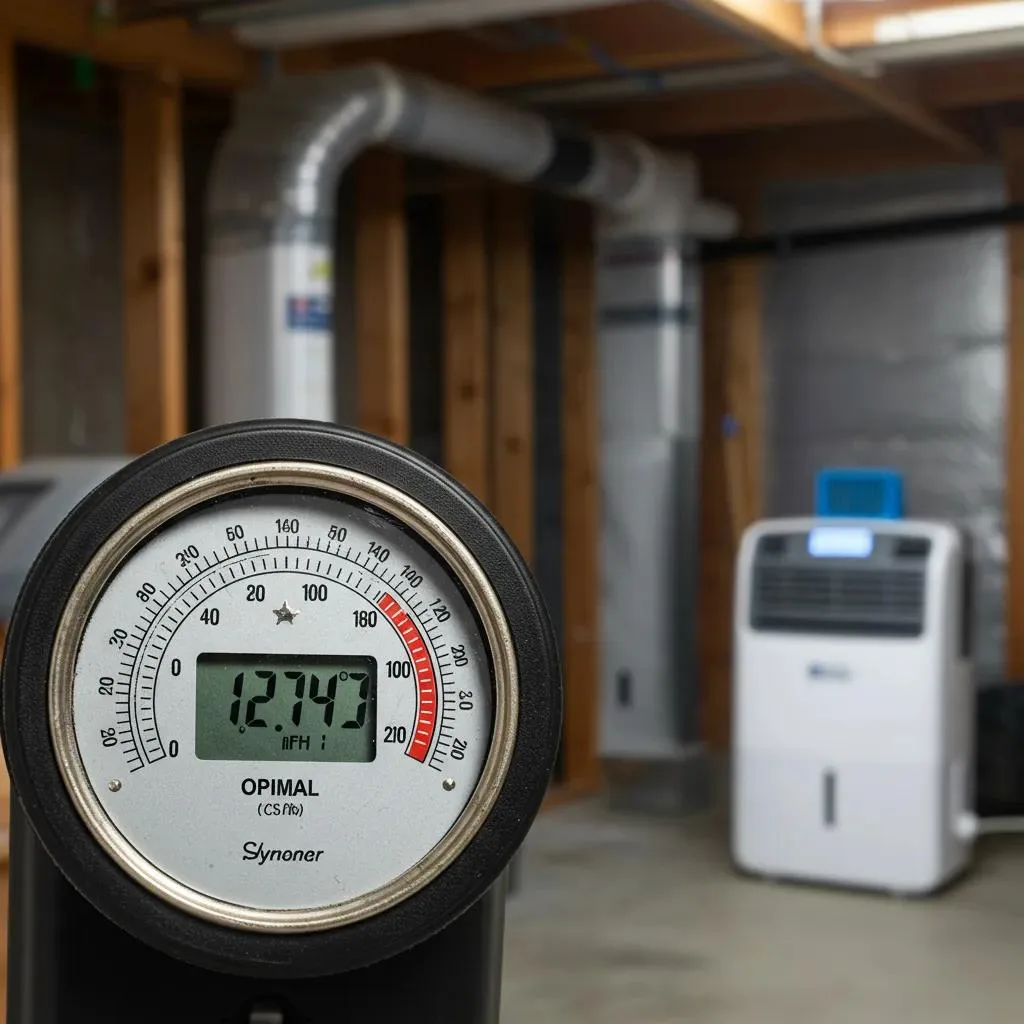
Image source: Bing (Web (fair-use with source credit))
Why Mold Grows in Basements (and Where a Dehumidifier Fits In)
Basements are the perfect breeding ground for mold. They're underground, often cooler than the rest of the house, and surrounded by damp soil. Concrete walls and floors wick moisture from the ground.
Even without visible leaks, the air in your basement can hold enough moisture to support mold growth.
Mold needs three things to thrive: a food source like dust, drywall, wood, or cardboard; temperatures between 40 and 100 degrees Fahrenheit; and moisture. The moisture is the variable you can control. When relative humidity (RH) stays above 60 percent for more than 24 to 48 hours, mold spores that are always floating in the air will start to settle on surfaces and grow.
This is where a dehumidifier changes the game. It pulls air across refrigerated coils, condenses the water vapor, and collects it in a tank or sends it down a drain. The result is drier air that makes it nearly impossible for mold to establish itself.
How Relative Humidity Works
Relative humidity measures how much water vapor the air holds compared to what it can hold at that temperature. Warm air holds more moisture. Cool air holds less.
So a cold basement can hit 70 percent RH even with no visible water problem, simply because the temperature is low.
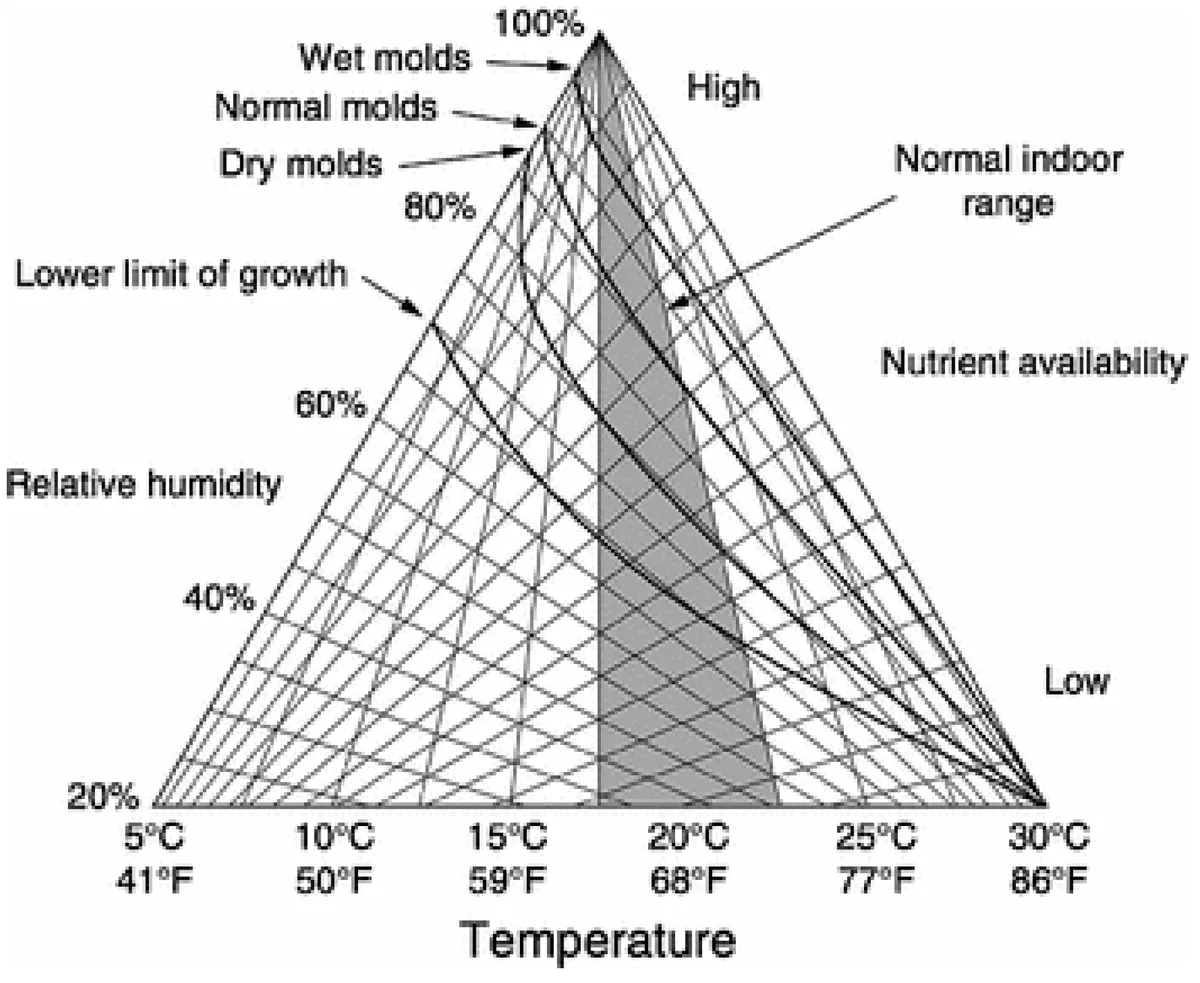
Image source: Bing (Web (fair-use with source credit))
A dehumidifier lowers the RH. Set it to 50 percent, and the air becomes too dry for mold spores to germinate. That's the core mechanism.
But the unit has to be sized correctly for your space. A compact bedroom unit won't cut it in a 1,500-square-foot basement. In our research, the most common mistake homeowners make is buying something too small.
You need to match the unit's capacity to your basement's square footage and moisture load. Most mid-sized basements do well with a unit built for below-grade spaces, especially one that's built to handle continuous operation.
The Hidden Risks: What Else Causes Mold (and a Dehumidifier Won't Fix)
Here's where the conversation gets serious. A dehumidifier is a tool for managing airborne moisture. It cannot stop water from entering your basement.
If you have a foundation crack, a leaking pipe, or a gutter that dumps water against the foundation wall, all the dehumidifiers in the world won't prevent mold.
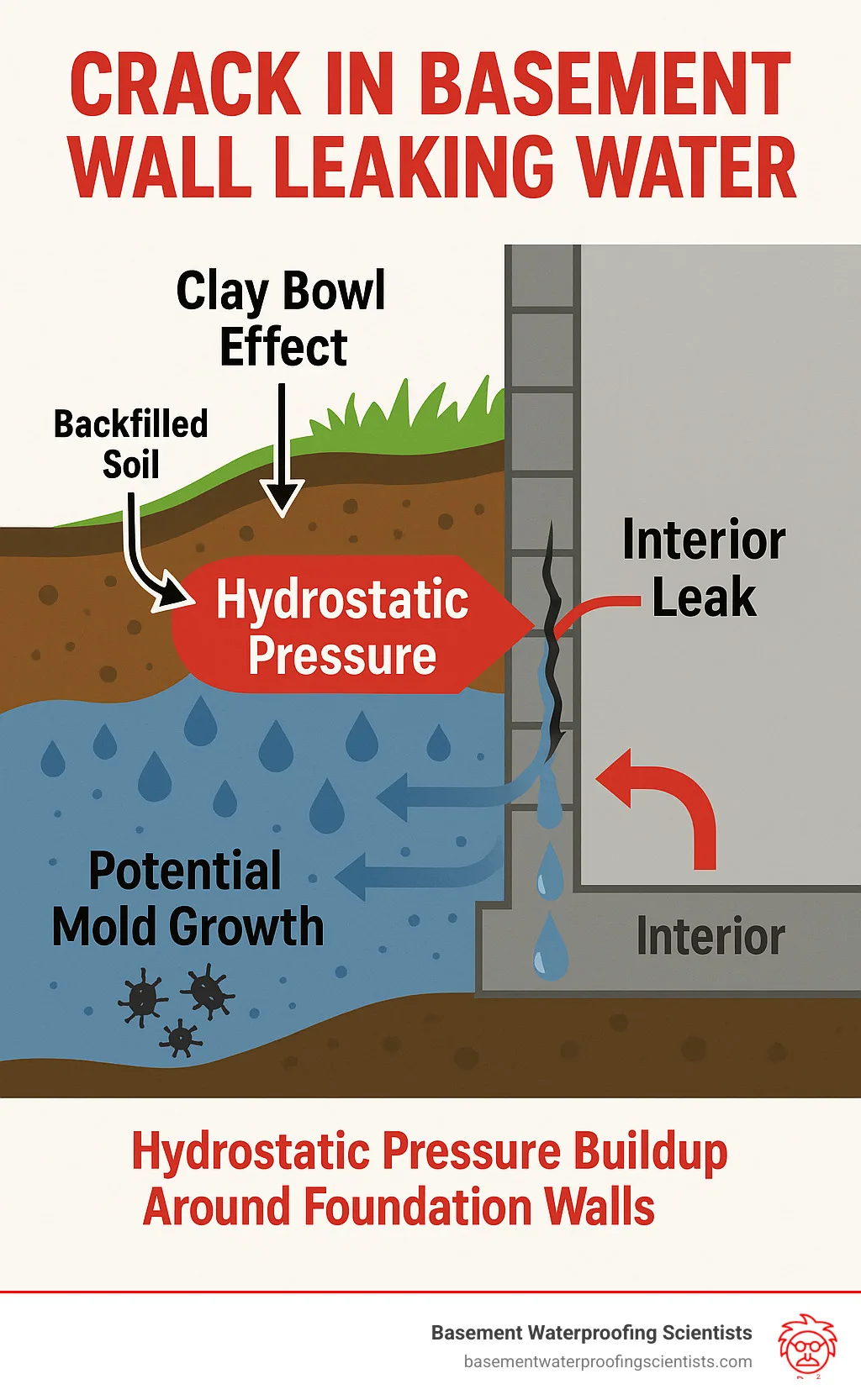
Image source: Bing (Web (fair-use with source credit))
Active Water Leaks
If you see water pooling on the floor, running down a wall, or dripping from a pipe, you have a leak. A dehumidifier will not remove standing water. It will not dry out a soaked wall cavity.
You need to stop the leak first, then dry the area with fans and possibly a wet/dry vacuum. Only after the space is dry should you turn on the dehumidifier to maintain low humidity.
Groundwater Seepage and Hydrostatic Pressure
Clay soils and high water tables push groundwater against your foundation. Over time, moisture seeps through porous concrete. You might not see puddles, but you'll feel dampness on the walls or floor.
A dehumidifier will pull some of that moisture from the air, but it's fighting a losing battle. The real fix is exterior drainage, a sump pump, or a vapor barrier with interior drainage, like a French drain system.
Condensation on Cold Surfaces
Cold basement walls, copper pipes, and HVAC ducts can drop below the dew point. When warm, humid air touches them, water condenses on the surface. That moisture feeds mold directly.
A dehumidifier lowers overall humidity, which reduces condensation. But if a surface is extremely cold, you may still see condensation even at 50 percent RH. Insulating pipes and walls is the permanent solution.
Flooding and Sewage Backups
A flood or sewage backup brings in large volumes of water that a dehumidifier simply cannot handle. You need to extract the water, remove wet materials, and dry the space with powerful fans, ideally within 24 to 48 hours. After that, a dehumidifier helps maintain low humidity during the drying phase.
It's a support tool, not a substitute for proper water removal.
The Radon Connection
A dehumidifier does not remove radon gas, mold spores, or other soil gases. Radon is a radioactive gas that enters basements through foundation cracks. It requires a separate mitigation system.
Lower humidity does not make a basement safe from radon. Don't confuse better air quality from drier air with radon protection.
How to Use a Dehumidifier Correctly for Mold Prevention
Using a dehumidifier is not as simple as plugging it in and walking away. To get reliable mold prevention, you need to follow a few key steps.
Step 1: Fix the Moisture Sources First
Before you buy a dehumidifier, inspect your basement for leaks, seepage, and condensation. Check gutters and downspouts to make sure water is directed away from the foundation. Seal foundation cracks with hydraulic cement.
Insulate cold water pipes. If you have a crawl space, consider a vapor barrier and encapsulation. A dehumidifier works best when the moisture sources are already handled.
Step 2: Choose the Right Size
Dehumidifiers are rated in pints per day, which measures how much moisture they can remove in 24 hours. For a typical basement, use this guideline:
| Basement Size | Moisture Level | Recommended Capacity |
|---|---|---|
| Under 500 sq ft | Moderately damp | 30 to 40 pints per day |
| 500 to 1,000 sq ft | Damp | 50 to 60 pints per day |
| 1,000 to 1,500 sq ft | Very damp | 60 to 70 pints per day |
| Over 1,500 sq ft | Wet or flooded | 70+ pints per day |
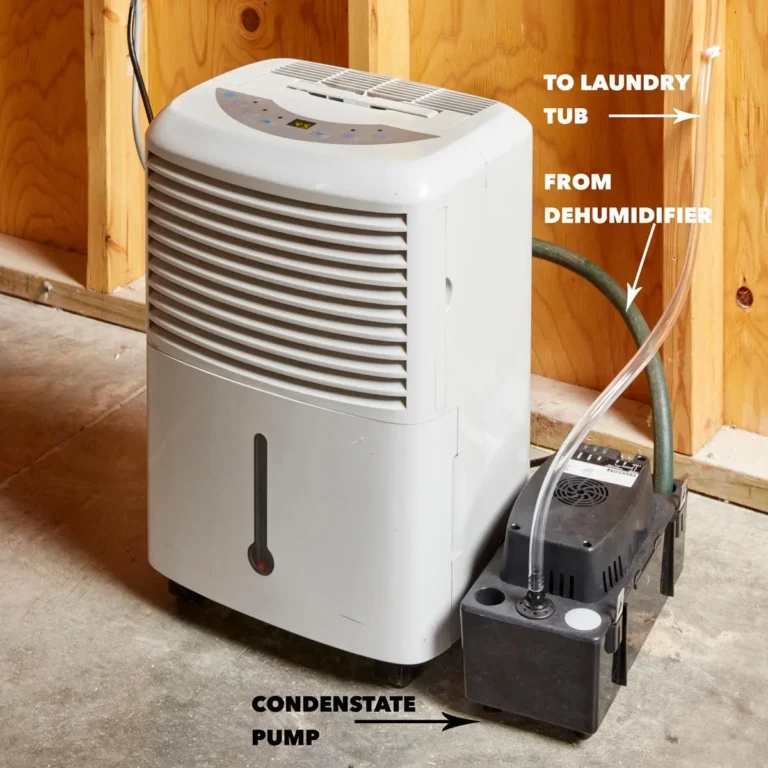
If you're unsure, go larger. Running a bigger unit at partial capacity is more efficient than running a small one at full blast constantly. For very wet spaces, a high-capacity unit with a built-in condensate pump is worth the extra money because it can push water up and out without a floor drain.
Step 3: Place It Correctly
Put the dehumidifier in the center of the basement, away from walls and furniture. Air needs to flow freely around the intake and exhaust. Set it on a level surface.
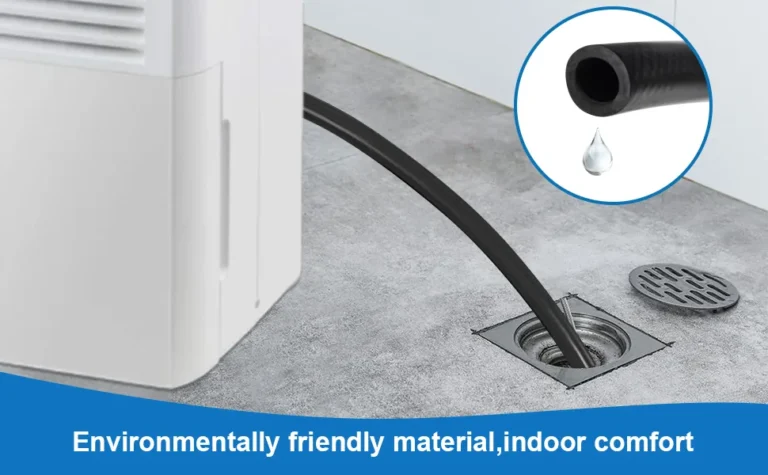
If you have a floor drain, use the continuous drain feature. That way you never have to empty the tank manually.
Step 4: Set the Right Humidity Level
Set the humidistat to 50 percent relative humidity. That's the sweet spot for mold prevention. Going below 30 percent can cause static electricity and dry air discomfort.
Going above 60 percent invites mold. Use a separate hygrometer to verify the reading, since the built-in sensors on many units can be off by 5 to 10 percent.
Step 5: Run It Continuously During Humid Seasons
In summer and during rain-heavy stretches, the dehumidifier should run 24/7. Many units have a continuous mode that runs until the tank is full or the humidity target is reached. Set it and check it weekly.
If you buy a budget-friendly unit, expect to empty the bucket more often. If you want a hands-off setup, look for a model that supports a drain hose.
Step 6: Maintain the Unit
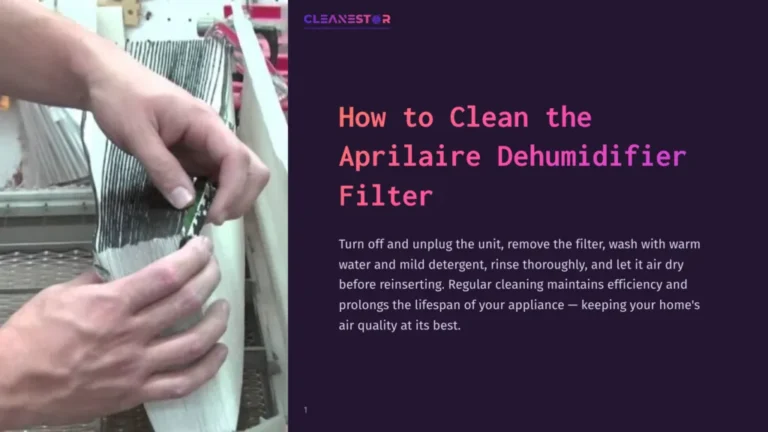
Clean the filter every two weeks during heavy use. A clogged filter reduces airflow, which makes the unit work harder and removes less moisture. Check the drain hose for kinks or clogs.
If the unit has a condensate pump, test it monthly. Annual maintenance, like cleaning the coils, extends the lifespan and keeps efficiency high. A unit that's well cared for can last five to ten years.
Dehumidifier vs. Other Mold Prevention Methods
A dehumidifier is not the only tool in the toolbox. Here's how it stacks up against the other common options.
Dehumidifier vs. Air Conditioning
An air conditioner removes some humidity as a byproduct of cooling. But it's not designed to run continuously in a basement. You would have to keep the space at 70 degrees Fahrenheit or lower to get meaningful dehumidification, and that gets expensive fast.
A dehumidifier is more efficient and effective when humidity control is the only goal.
Dehumidifier vs. Ventilation (Exhaust Fans, ERV, HRV)
Ventilation brings in fresh outdoor air. In humid climates, that outdoor air is full of moisture. Running an exhaust fan can actually make a damp basement worse.
An energy recovery ventilator (ERV) or heat recovery ventilator (HRV) exchanges heat and humidity between incoming and outgoing air. These systems help, but they cost more to install and maintain. A dehumidifier is simpler, more direct, and works on its own schedule.
Dehumidifier vs. Basement Waterproofing
Waterproofing addresses the root cause of moisture entry. It includes exterior drainage, foundation sealing, sump pumps, and vapor barriers. This is the most permanent solution.
A dehumidifier manages the residual moisture that waterproofing cannot prevent. For most basements, the best approach is a combination: waterproofing for bulk water and a dehumidifier for ongoing humidity control.
Dehumidifier vs. Air Purifier
An air purifier with a HEPA filter captures mold spores floating in the air. It does nothing to stop mold from growing. A dehumidifier prevents growth by removing the moisture mold needs.
An air purifier is a useful secondary tool for people with allergies, but it's not a replacement for humidity control.
Dehumidifier Alone vs. Dehumidifier Plus Encapsulation
Crawl space encapsulation means sealing the space with a heavy-duty vapor barrier on the floor and walls, closing off vents, and installing a dehumidifier inside the encapsulated area. This is the gold standard for crawl spaces, and it's gaining traction for basements too. The combination keeps outside moisture out and removes what's already inside.
For basements with persistent dampness, encapsulation paired with a quality dehumidifier is the most reliable setup you can build.
Frequently Asked Questions
What humidity level prevents basement mold?
Keep relative humidity between 30 and 50 percent. The EPA states that indoor humidity should stay below 60 percent to prevent mold growth. A dehumidifier set to 50 percent gives you a safe buffer.
Anything above 60 percent for more than a day or two creates conditions where mold can start growing.
How long does a dehumidifier take to dry out a basement?
A properly sized dehumidifier can lower a damp basement from 70 percent RH to 50 percent RH in about 24 to 48 hours. The exact time depends on the basement size, the starting humidity level, and the unit's pint capacity. If you're still seeing condensation or musty smells after three days, you may need a larger unit or a fix for an underlying moisture source.
Should I run a dehumidifier in the basement all year round?
It depends on your climate. In humid climates or during summer, yes, run it continuously. In winter, basement air often gets dry enough that you can unplug it.
Check your hygrometer regularly. If the RH stays below 50 percent without the unit running, you don't need it. If it climbs back above 60 percent, keep it running.
Can a dehumidifier remove existing mold?
No. A dehumidifier only prevents mold from growing. It does not kill or remove mold that's already on surfaces.
To deal with existing mold, you need to clean it with a mold-killing solution, remove porous materials like drywall or carpet, and fix the moisture problem. After that, use a dehumidifier to keep the area dry and prevent regrowth.
How do I know if my dehumidifier is working properly?
Watch the humidity reading on a separate hygrometer, not just the unit's display. The RH should drop within 24 hours of running. Check the water tank or drain to confirm the unit is collecting moisture.
If the tank stays empty, the unit may be too small, the room may be too cold, or the filter may be clogged.
The Bottom Line: When a Dehumidifier Works — and When It Doesn't
Let's be clear: a dehumidifier prevents basement mold when moisture sources are already controlled and the unit is sized, placed, and maintained correctly. It keeps relative humidity below 60 percent, and that's the single most important number for mold prevention.
But a dehumidifier is not a cure-all. It cannot stop water from leaking through a foundation crack, seeping up from groundwater, or condensing on uninsulated cold pipes. If you skip the root cause and just plug in a dehumidifier, you'll treat the symptom without fixing the problem.
Mold will likely return.
The reliable formula is straightforward. Fix leaks and drainage issues first. Seal cracks and insulate cold surfaces.
Then add a dehumidifier sized for your basement and run it at 50 percent RH during humid months. Check the filter every couple weeks, empty the drain when needed, and monitor humidity with a separate hygrometer. Do that, and your basement stays dry, musty-free, and far less welcoming to mold.