What Size Dehumidifier Do I Need for a Crawl Space
You're probably asking yourself what size dehumidifier do I need for a crawl space, and the honest answer is that it depends on a few specific things about your home. Square footage is only part of the story. The real factors include how much moisture is coming up from the ground, your local climate, and whether you have a vapor barrier in place.
Per EPA guidelines, as of 2026, relative humidity in crawl spaces should stay below 60% to prevent mold and structural rot. But a humidity reading alone won't tell you what capacity machine you need. Let's walk through the conditions that actually drive your decision.
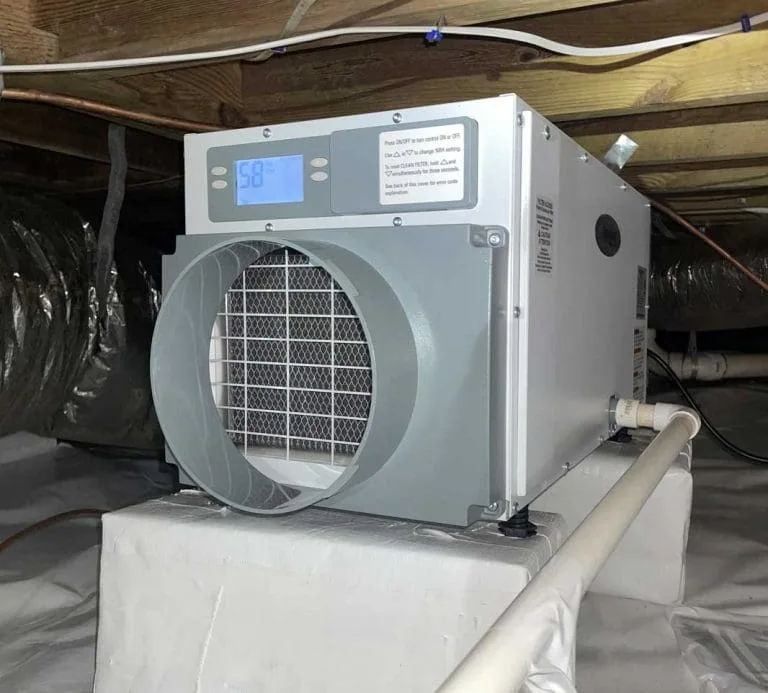
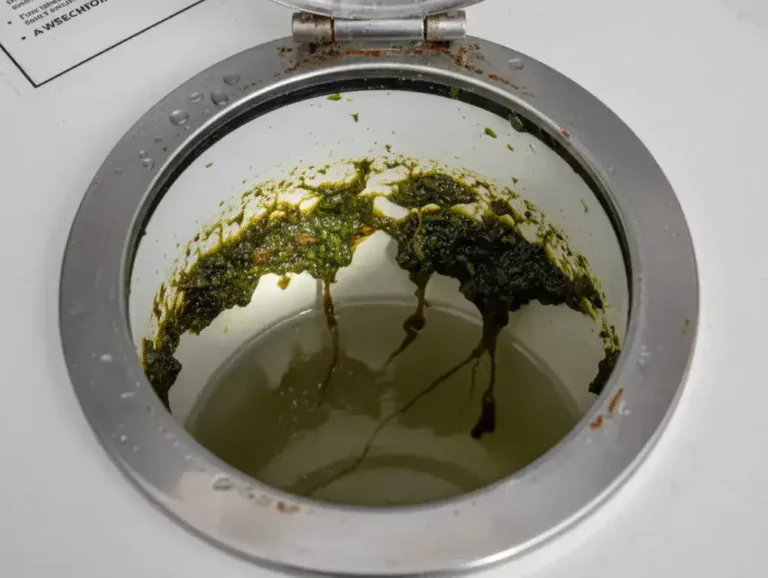
Image source: Bing (Web (fair-use with source credit))
Quick Answer
Most crawl spaces need a 50 to 70 pint per day dehumidifier. A 1,000 square foot crawl space with moderate moisture usually needs a 50 pint unit. A larger or wetter space needs 70 pints or more.
Start with your square footage, then adjust for your specific moisture level.
Why Getting the Size Wrong Can Cost You Thousands
Choosing the wrong size dehumidifier for a crawl space isn't a minor inconvenience. It can lead to real damage. An undersized unit runs constantly, trying to keep up.
It never hits the target humidity, and the compressor burns out in 12 to 18 months.
An oversized unit is almost as bad. It cycles on and off too quickly, never removing enough surface moisture. The space stays damp.
Mold starts to grow on the floor joists and subfloor.
Our research shows that the biggest regret homeowners have is buying a unit that's too small. They end up paying twice: once for the failed machine, and again for the proper replacement. Getting the right size from the start saves you money and protects your home's structure.
If you need year round performance, choose a unit built to handle the full range of your crawl space conditions.
How Crawl Space Dehumidifier Sizing Actually Works
Crawl space dehumidifier sizing is based on pints per day, not just square footage. The pint rating tells you how much moisture the unit can remove in 24 hours under standard conditions. That's the number you need to match to your crawl space's moisture load.
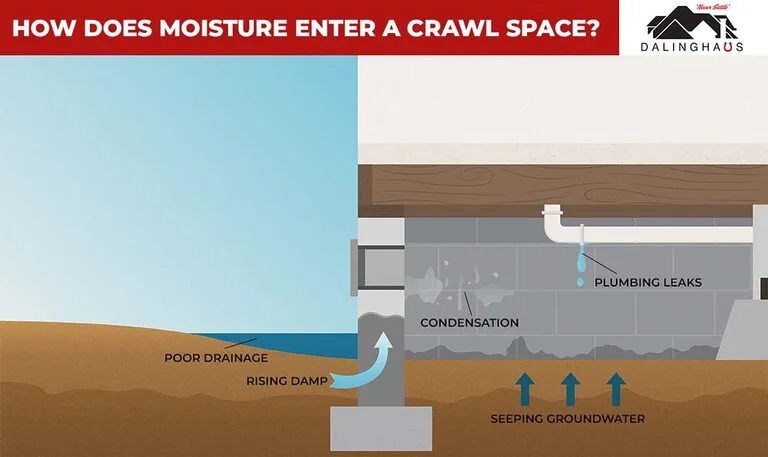
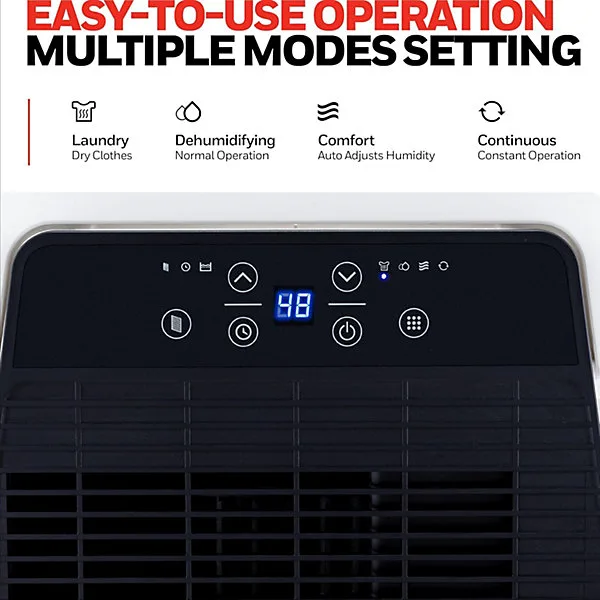
Image source: Bing (Web (fair-use with source credit))
Square Footage Is Just the Starting Point
Here's a rough baseline for normal moisture levels:
| Crawl Space Size | Recommended Pint Capacity |
|---|---|
| Up to 500 sq ft | 30 to 40 pints per day |
| 500 to 1,000 sq ft | 50 to 70 pints per day |
| 1,000 to 1,500 sq ft | 70 to 90 pints per day |
| Over 1,500 sq ft | 90+ pints per day |
These numbers assume a sealed crawl space with a vapor barrier and no standing water. If your conditions are worse, you'll need to go up a size.
Pints per Day: The Real Number That Matters
The pint per day rating is the most important spec on the sheet. Manufacturer specs confirm that a 50 pint unit removes about 50 pints of moisture in a 24 hour period at 80°F and 60% relative humidity. Those are standard test conditions.
Your crawl space is usually cooler and more humid than that. In real use, a 50 pint unit might only remove 30 to 40 pints per day in a 55°F crawl space. That's why you often need to size up, especially in humid climates.
For a closer look at popular pint capacities, check out the selection of 50 pint models made for large rooms and basements.
Why Temperature and Humidity Levels Change Your Needs
Refrigerant dehumidifiers work best when the air is warm. Below 60°F, the coils start to ice up and efficiency drops. If your crawl space stays cold for months, you might need a desiccant dehumidifier or a unit with a built-in defrost cycle.
A hygrometer reading of 70% relative humidity means you need a bigger unit than a space reading 55%. The moisture load is higher. Always take a humidity reading before you buy.
The 3 Hidden Variables That Change Your Sizing
Most online guides stop at square footage. But three other factors can double or halve the size you actually need. Ignore them, and you'll end up with the wrong unit.
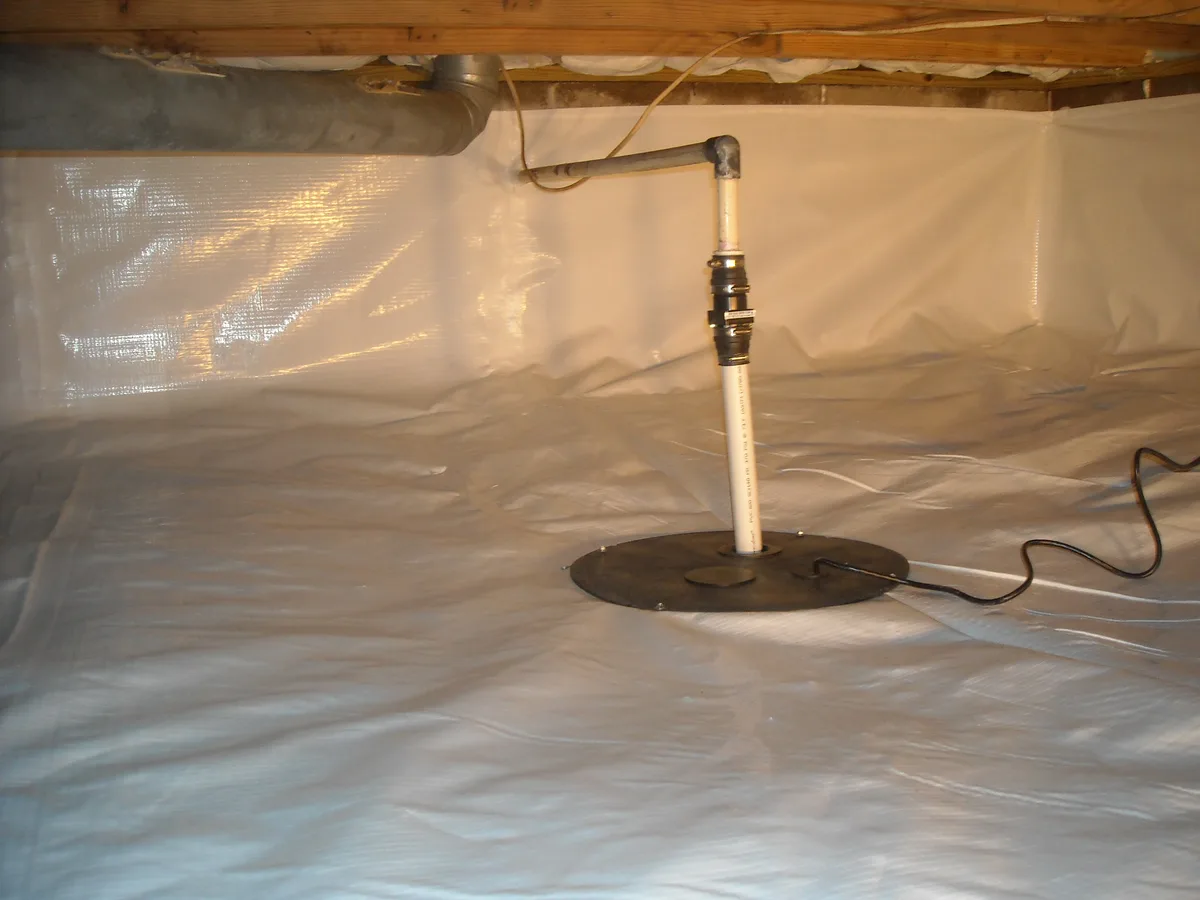
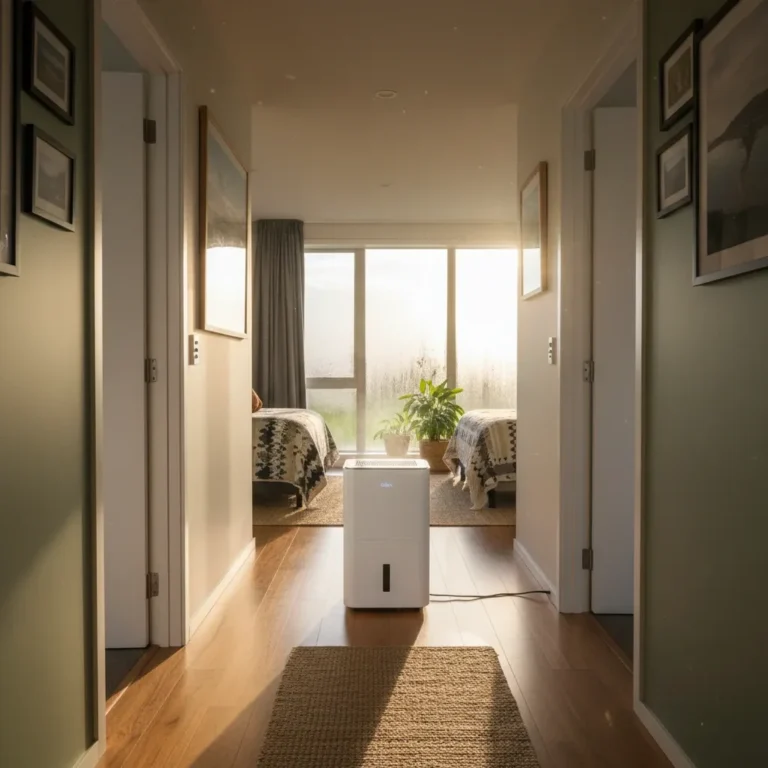
Image source: Bing (Web (fair-use with source credit))
Your Ground Moisture Load
Dirt crawl spaces release moisture constantly. Even with a vapor barrier, some moisture wicks through. If your crawl space has a dirt floor without a liner, the moisture load is very high.
You'll need at least 70 to 100 pints per day for a 1,000 square foot space.
If you have a thick vapor barrier, the moisture load drops significantly. A 50 pint unit may be enough. The difference is night and day.
Your Climate Zone
Living in the Southeast or Gulf Coast means higher humidity outside. That outside air gets into your crawl space through vents and cracks. You need a larger unit to handle the constant influx.
In the dry Southwest, a smaller unit works fine. The Department of Energy's dehumidifier sizing advice recommends adjusting for your local climate. If you're in a humid region, add 10 to 20 pints to your baseline.
Your Vapor Barrier and Drainage Setup
A sealed crawl space with a proper vapor barrier and a drainage system handles moisture much better than an open one. If you have a sump pump and the ground is dry, you can size down. If you have standing water or wet insulation, size up significantly.
The EPA's mold prevention guidelines emphasize that controlling moisture at the source is the first step. Deal with drainage before you choose a dehumidifier.
How to Measure Your Crawl Space and Pick the Right Capacity
Follow these steps to get the right size. Take your time on each one. The measurements are simple, but they make all the difference.
Step 1: Measure and Calculate Square Footage
Measure the length and width of your crawl space in feet. Multiply them together. That's your square footage.
Write it down.
If your crawl space has an irregular shape, break it into rectangles and add them up. Don't guess. A 10% error in square footage can lead to the wrong size.
Step 2: Assess Your Moisture Level
Use a hygrometer and a moisture meter. Place the hygrometer in the crawl space for 24 hours. Record the highest reading.
Also check the moisture content of the wood framing with a meter.
Use this quick guide:
| Condition | Moisture Reading | Sizing Adjustment |
|---|---|---|
| Dry | Below 50% RH | Use baseline size |
| Moderate | 50% to 65% RH | Add 10 to 20 pints |
| Wet | Over 65% RH or visible moisture | Add 20 to 30 pints |
Step 3: Check Your Drainage and Vapor Barrier
Look for standing water, wet insulation, or bare dirt. If you have any of these, fix them first. A vapor barrier alone can reduce the moisture load by 50%.
If you're sizing a unit for a basement, the same principles apply. You can find more details on 50 pint models built for below grade spaces.
Step 4: Match Your Capacity
Take your baseline from the square footage table. Adjust it based on your moisture level and climate. If you're still unsure, go up a size.
It's better to have a slightly oversized unit that runs less often than a unit that runs constantly.
For a 1,000 square foot crawl space with moderate moisture, you'll likely need a 70 pint unit. If you have a higher moisture load, consider a 90 pint or even a 120 pint unit. The extra capacity gives you a safety margin.
Common Sizing Mistakes and Expert Tips to Avoid Them
Mistake 1: Relying on a Single Number
The most common error is trusting a generic size chart without checking actual conditions. A 50 pint unit isn't always right for a 1,000 square foot crawl space. If the ground is wet or the space is unsealed, you need far more capacity.
Take readings before you buy. Leave a hygrometer in the crawl space for a full day. Check the wood.
Those numbers matter more than the chart.
Mistake 2: Buying a Portable "Basement" Unit
Portable basement dehumidifiers look similar, but they're not built for crawl space conditions. They often lack the low-temperature operation and condensate pump you need. Their smaller coils also freeze up in cold, damp spaces.
Crawl space dehumidifiers use larger coils with auto-defrost. If you want something that lasts, look for a unit rated for crawl space use. On a budget, some affordable units still include the right features.
Mistake 3: Ignoring the Condensate Pump
A condensate pump isn't optional in most crawl spaces. You need to move collected water up and out, usually to a drain or sump pump. Without it, the bucket fills and the unit shuts off.
Check the pump's lift height rating. Most handle 10 to 20 feet of vertical lift. If your crawl space is deep, look for a higher rated pump.
Pro Tip: Go Up a Size
When in doubt, choose the larger unit. A slightly oversized dehumidifier runs less often and reaches your target humidity faster. It also keeps the space drier for longer periods.
If you're between two sizes, the 70 pint model beats the 50 pint model for crawl space use. Larger capacity models are worth comparing to find what fits your space.
When to Call a Professional
Some situations need more than a bigger dehumidifier. If you have standing water, wet insulation, or mold covering more than a small patch, call a crawl space specialist first. The dehumidifier can't fix a drainage problem.
If your crawl space has no vapor barrier, get one installed. A professional encapsulation can reduce the moisture load by half. Without it, you're fighting a losing battle.
The EPA's mold prevention guidance stresses fixing water problems before running equipment. You can reference the EPA's recommendations for more detail.
Also call a professional if you're not comfortable working in tight, dark spaces. Crawl spaces can have electrical wiring, sharp fasteners, and pest issues. Your safety matters more than saving money.
Frequently Asked Questions
What size dehumidifier do I need for a 1,000 square foot crawl space?
Most 1,000 square foot crawl spaces need a 50 to 70 pint unit. Go with 70 pints if the space has moderate moisture. Choose 90 or more if the ground is wet or there's no vapor barrier.
Should I run a crawl space dehumidifier year-round?
Yes, if your crawl space stays humid. Run it when relative humidity goes above 50%. In cold months, you'll need a unit with auto-defrost to prevent coil icing.
Can I use a regular basement dehumidifier in my crawl space?
You can, but it's not ideal. Basement units often lack low-temperature operation and condensate pumps. A crawl space rated unit will last longer and work more reliably in tight, damp conditions.
How many pints do I need for a 2,000 square foot crawl space?
A 2,000 square foot crawl space needs at least 90 to 120 pints per day. Higher moisture loads may require two units placed at opposite ends for proper air circulation.
Do I need a vapor barrier with a dehumidifier?
Yes. A vapor barrier reduces the moisture load by up to 50%. Without one, your dehumidifier runs harder and you'll need a larger pint capacity to keep up.