Do You Need a Dehumidifier in a Basement
You're standing in your basement and you're not sure if the air feels damp or if you're just imagining it. Maybe you've noticed a faint musty smell, or you're worried about the boxes you're storing down there. The real question is: do you need a dehumidifier in a basement, or is that just another expense you don't need?
The short answer is that it depends on your specific situation, but the data is clear. According to ASHRAE standards, indoor relative humidity should stay between 30% and 50% to prevent mold growth and structural damage. Once you hit 60% or above, you're in the danger zone.
Let's walk through how to tell where you land.
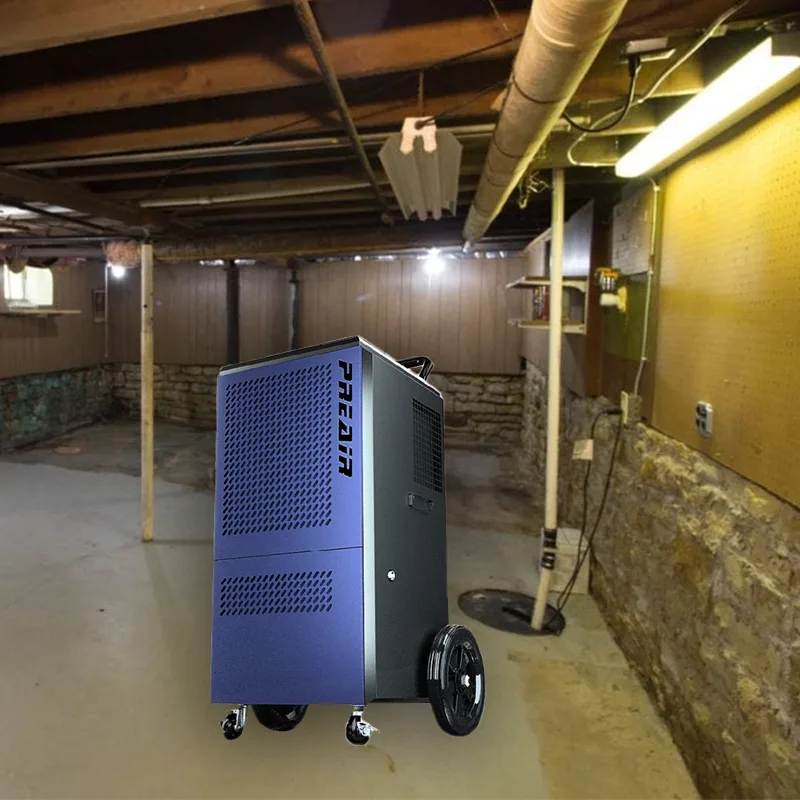
Image source: Bing (Web (fair-use with source credit))
Quick Answer
If your basement's relative humidity stays above 60%, you need a dehumidifier. That's the threshold where mold, mildew, and musty odors start. Check the humidity level first.
A simple hygrometer costs under $15. Run it for 24 hours before you decide. Anything below 50% is fine.
Above 60% means action time.
First, Check for the Tell-Tale Signs of Moisture
Walk through your basement and look for the obvious clues. You don't need a degree to spot them. Condensation on pipes, walls, or windows is a dead giveaway.
If you see water beading on concrete or metal, the air is holding too much moisture.
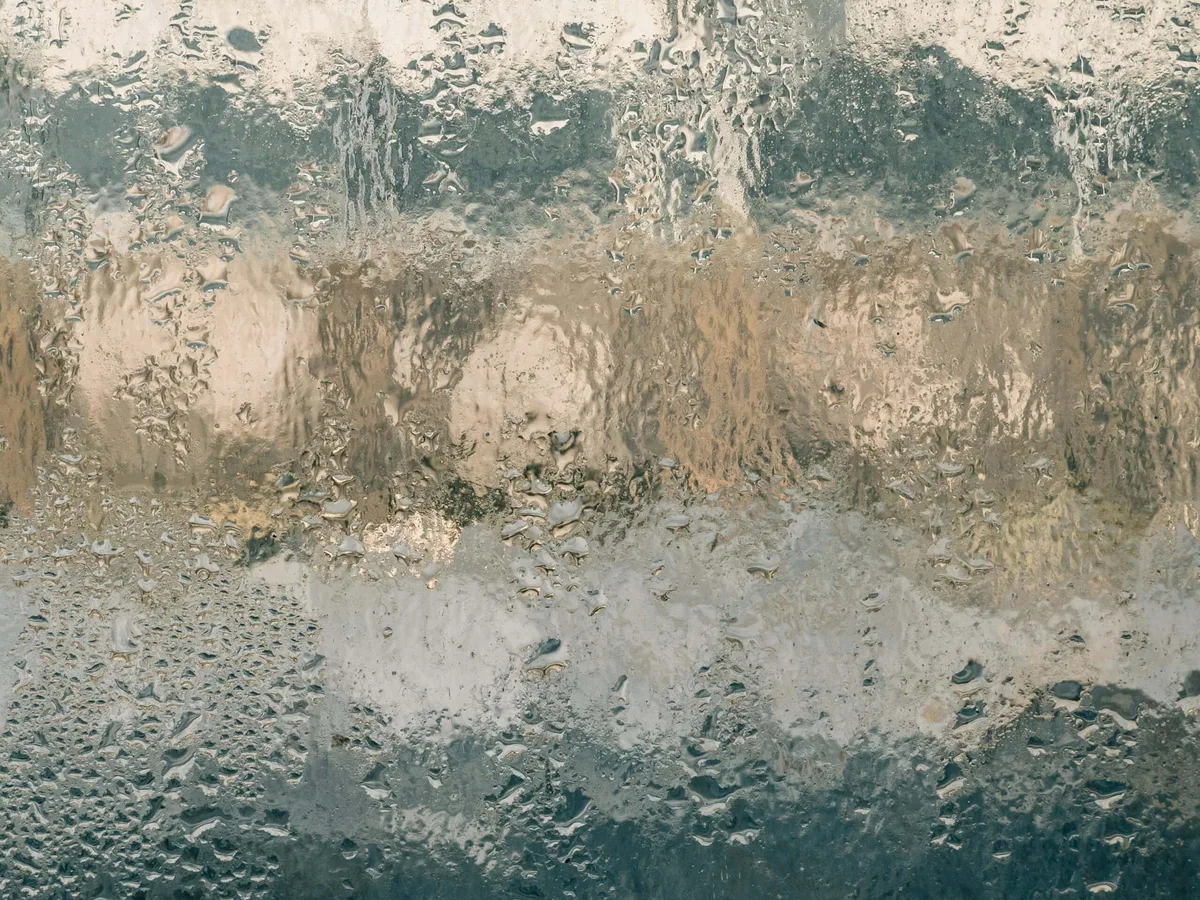
Image source: Bing (Web (fair-use with source credit))
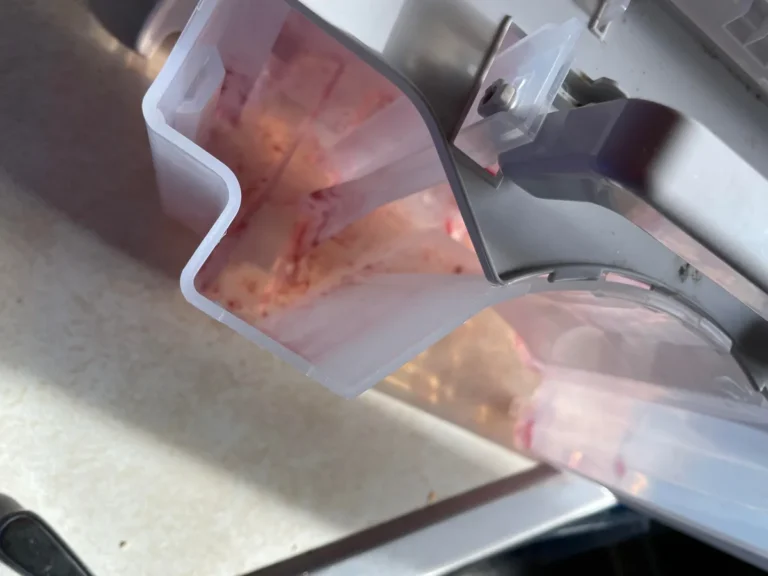
Look for white powdery deposits on concrete walls. That's efflorescence, and it means moisture is moving through the masonry. Musty smells are another sign.
If it smells like a damp towel, you've got a humidity problem. Check for visible mold or mildew, especially in corners and behind stored items. Peeling paint or bubbling wallpaper on basement walls also points to excess moisture.
If you see standing water or active leaks, stop here. A dehumidifier won't fix a leak. You need to address the water entry first.
Fix gutters, grading, or foundation cracks before you think about buying a machine.
Measure Your Basement's Humidity: The Numbers That Matter
Guessing doesn't work. You need actual numbers, and the only tool that gives them to you is a hygrometer. These are cheap and easy to use.
You can pick one up at any hardware store or online for the price of a lunch.

Image source: Bing (Web (fair-use with source credit))
Place the hygrometer in the center of the basement, away from walls and vents. Leave it for a full 24 hours. Check the reading at different times of day.
Here are the numbers that matter, based on EPA guidelines for mold prevention:
| Humidity Level | What It Means |
|---|---|
| Below 30% | Too dry. Could cause static and cracked wood. |
| 30% to 50% | Ideal range. Safe for people and property. |
| 50% to 60% | Borderline. Watch for condensation and musty smells. |
| 60% to 70% | Warning zone. Mold growth accelerates. |
| Above 70% | Danger zone. Active mold, rot, and structural damage. |
If your reading stays at 60% or higher for more than a few hours, you're in the zone where a dehumidifier makes sense. If it's below 50%, you're probably fine without one.
The Decision Tree: Do You Actually Need a Dehumidifier?
This is where you match your situation to the right answer. The decision changes based on three main factors. Let's look at each one.
Finished vs. Unfinished Basement
If your basement is finished with drywall, carpet, and furniture, the stakes are higher. Mold on drywall is expensive to fix. Carpets trap moisture and smell fast.
You need to keep humidity below 50% consistently. A dehumidifier is almost always a good idea here.
If your basement is unfinished with concrete floors and bare walls, you have more flexibility. Concrete can handle some moisture without damage. But if you store cardboard boxes, wood furniture, or electronics, you still want to keep humidity under 60%.
If the space is just for storage and you see no signs of moisture, you might not need one.
Seasonal and Climate Factors
Where you live matters a lot. If you're in the Gulf Coast, Southeast, or Midwest, summer humidity is brutal. Your basement will feel damp even if there's no leak.
In those climates, a dehumidifier is often a seasonal necessity.
If you live in the Southwest or Rockies, you probably don't need one at all. The air is already dry. But check after heavy rain or spring thaw.
Even dry climates have wet periods.
Water Leaks vs. Air Humidity
This is the biggest mistake people make. A dehumidifier removes moisture from the air. It does not stop water from coming through the walls or floor.
If you have a leaky pipe, a cracked foundation, or poor drainage outside, no dehumidifier will save you.
If your humidity is high but you see no water stains, no puddles, and no leaks, then the moisture is coming from the air. A dehumidifier is the right tool. If you see water entry, fix that first.
Then use a dehumidifier to handle the residual humidity.
Choosing the Right Dehumidifier: Size, Features, and Placement
If you've decided you need one, the next step is picking the right unit. The most important spec is pint capacity, which tells you how much moisture the unit can remove per day.
Here's a quick sizing guide based on manufacturer recommendations and aggregate reviews:
| Basement Size | Condition | Recommended Capacity |
|---|---|---|
| Up to 500 sq ft | Damp | 30-pint |
| Up to 500 sq ft | Very damp | 50-pint |
| 500 to 800 sq ft | Damp | 50-pint |
| 500 to 800 sq ft | Very damp | 70-pint |
| 800 to 1200 sq ft | Damp | 70-pint |
| 800 to 1200 sq ft | Wet | 70-pint or larger |
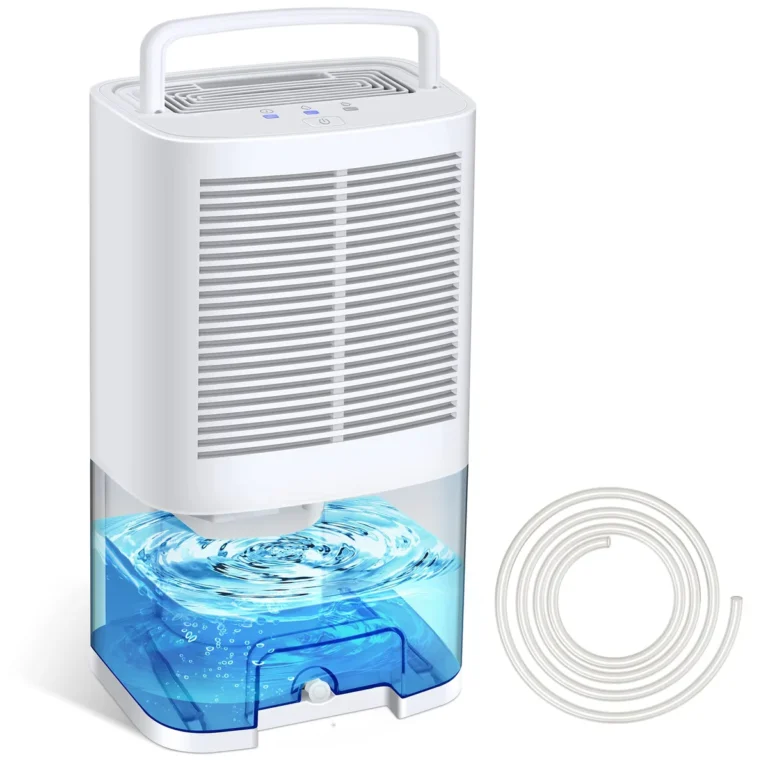
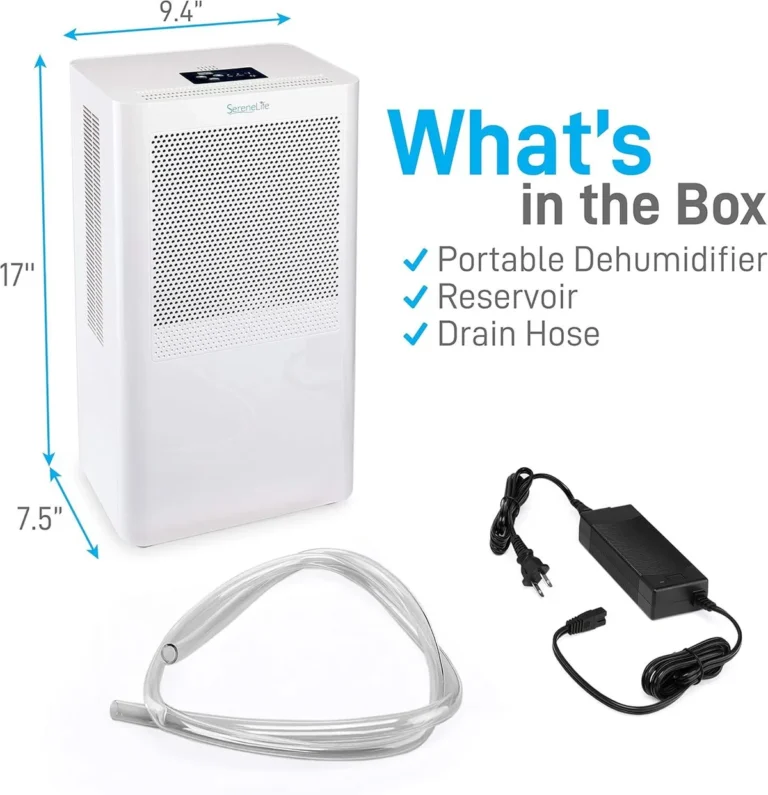
If your basement is finished and you want a built-in solution, look at whole-house dehumidifiers that connect to your HVAC system. They cost more but run quietly and don't take up floor space. For most people, a portable unit is fine.
Look for these features:
- Continuous drain option. You don't want to empty a bucket every day.
- Built-in humidistat. It lets you set the target humidity and let the unit auto-cycle.
- Auto shutoff and bucket full alert. Essential if you use the bucket.
- Low-temperature operation. If your basement gets below 40°F, you need a unit rated for cold weather. Desiccant models work better in cold basements.
Place the dehumidifier in the center of the room, away from walls. Keep it at least six inches from any surface so air can circulate. If you're using a continuous drain hose, run it to a floor drain or sump pump.
Running the hose to a sink is fine, but make sure it's secure.
For a deeper look at specific models, we've reviewed the best options for spaces like yours. If you have a standard basement, check out our guide to large-capacity units. If you're dealing with a smaller space, we have recommendations for compact models too.
What a Dehumidifier Can't Fix: Common Mistakes and Better Alternatives
A dehumidifier is not a waterproofing system. It removes moisture from the air, but it cannot stop water from entering through the walls, floor, or foundation. If you run one while you have an active leak, you're just paying to dry the evidence of a bigger problem.
The most common mistake is skipping the moisture source. Fix your downspouts, grade the soil away from the foundation, and repair cracks in the concrete. In many cases, a sump pump or a vapor barrier does more for you than any machine.
If your basement floods, you need to deal with that first. Units designed for post-flood water removal are built for a different job entirely.
Oversizing is another trap. A unit that's too large for your basement cools the air and shuts off quickly. It never runs long enough to pull out the deep moisture.
You end up with a cold, still-damp room and higher energy bills. Measure your square footage and match it to the pint rating, not to the most powerful option you can find.
Poor placement also causes failures. Keep the unit off the floor and away from walls. Give it at least six inches of clearance on all sides.
And don't ignore the filter. A clogged filter reduces airflow and cuts efficiency by a noticeable margin. Clean it monthly or per the manufacturer's schedule.
If you're trying to decide between fixing the root cause or just buying a machine, start with the fix. Even a budget-friendly dehumidifier can't outwork a leaky foundation. For units that handle normal dampness well, there are solid options under $200 that perform reliably without breaking the bank.
FAQs About Basement Dehumidifiers
What humidity level should a basement ideally stay at?
Keep it between 30% and 50% relative humidity. The sweet spot for most basements is 40% to 50%. Above 60%, mold growth starts to accelerate.
Below 30%, you risk dry air issues like static shock and cracked wood. Use a hygrometer to track it.
How long does it take a dehumidifier to dry out a basement?
Plan on one to three weeks of continuous running. A damp basement usually drops to the target humidity in about a week. A very wet one can take up to three weeks or more.
Expect to empty the bucket daily at first. The unit works hardest during the initial dry-out period.
Can a dehumidifier be too big for a basement?
Yes, absolutely. An oversized unit short cycles. It turns on, pulls the humidity down fast, and shut off before extracting the moisture trapped in walls and furniture.
That leaves the air feeling muggy shortly after it stops. Match the pint capacity to your square footage and dampness level. Bigger is not better here.
Do I need a dehumidifier in an unfinished basement?
Only if you're storing things that can be damaged by moisture. Cardboard boxes, wooden furniture, electronics, and paper records all need protection. If your unfinished basement has concrete floors and bare walls, and you see no condensation, mold, or musty smells, you can probably skip it.
If you live in a humid climate, test the humidity first.
The Bottom Line: Your Basement Humidity Decision Guide
If your basement reads above 60% relative humidity for more than a day, get a dehumidifier. If it sits between 50% and 60%, watch for condensation and musty odors. Fix any leaks or drainage issues first, then let the machine handle the airborne moisture.
That's the order that actually works.
If your basement stays below 50% and shows no signs of mold, you're fine without one. Save your money. If you're finishing the space or storing valuables, err on the side of caution.
A modest dehumidifier is cheap insurance compared to replacing drywall, carpet, or keepsakes. Pick the right size, place it properly, and run it consistently during humid months. That simple routine will keep your basement dry, safe, and comfortable all year.