Is a Bigger Dehumidifier Better
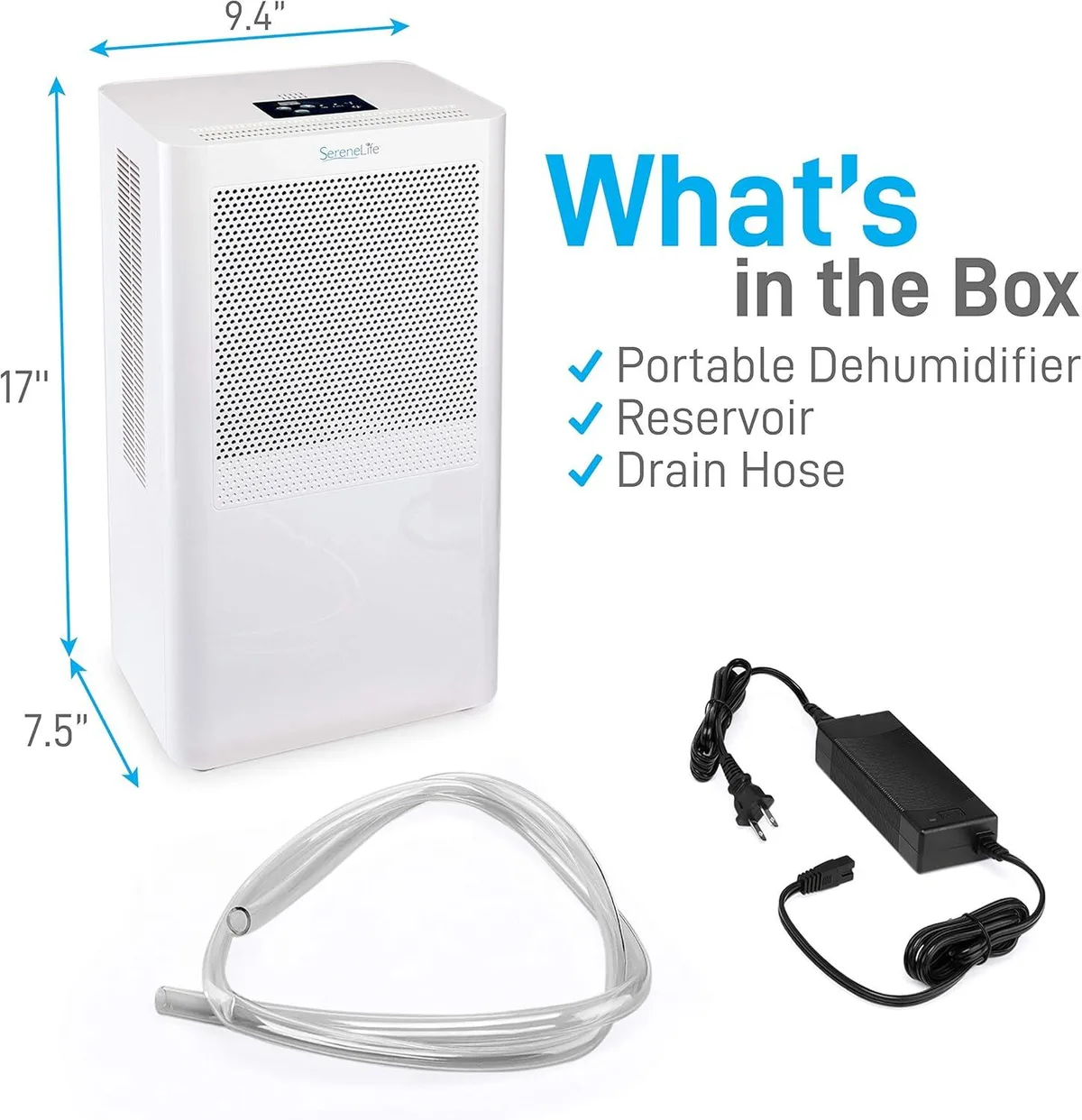
Image source: Bing (Web (fair-use with source credit))
So you’re standing in the aisle wondering: is a bigger dehumidifier better? It seems logical. More power, more water removal, less hassle.
But the answer isn’t that simple. Oversizing can actually make your humidity problems worse, waste electricity, and cost you more.
In our research, we found that the Association of Home Appliance Manufacturers (AHAM) verifies dehumidifier pint ratings based on specific test conditions. That means the number on the box is only accurate if your room matches those tests. The real question isn’t “bigger or smaller?”, it’s “what size fits my space and moisture load?”
Quick Answer
No, bigger is not always better. An oversized dehumidifier short-cycles. It runs too briefly to pull moisture from the air.
You end up with a damp room and higher bills. Match the unit to your square footage and humidity level. That’s the only way to get reliable results.
The Real Problem: Why “Bigger” Isn’t Always Better
Bigger sounds like a safe bet. But the mechanics tell a different story. A dehumidifier works by pulling air over cold coils.
That air has to stay in contact long enough for condensation to happen. If the unit is too large, it yanks the humidity down fast, hits the set point, and shuts off early. That’s short-cycling.
Short-cycling means the machine runs in short bursts. It never stabilizes the room. Meanwhile, moisture still seeps in from the ground, walls, or open windows.
Humidity bounces right back up. The compressor wears out faster from constant on-off-on cycles. And you pay for electricity every time it kicks on, even if it doesn’t actually dry the room.
Noise is another hidden cost. Bigger compressor units are louder. In a bedroom or living area, that 55-decibel hum can drive you crazy.
Plus, large tanks are heavy. Emptying them becomes a chore if you don’t have a continuous drain setup.
So the bigger trap is real. You want the smallest unit that can handle your worst-case humidity. Not the biggest one in the store.
How Dehumidifier Sizing Actually Works
Manufacturer specs list dehumidifier capacity in pints per day. That number comes from AHAM-standard tests run at 80°F and 60% relative humidity. But your basement at 65°F and 75% humidity is a very different environment.
Cold air holds less moisture, so the unit’s actual water removal can be 30-50% lower than the label.
Sizing boils down to two inputs: square footage and dampness level. Here’s the general rule of thumb:
| Room Size | Moderately Damp | Very Damp | Extremely Wet |
|---|---|---|---|
| Up to 1,500 sq ft | 30-pint | 40-pint | 50-pint |
| 1,500 – 2,000 sq ft | 40-pint | 50-pint | 60-pint |
| 2,000 – 2,500 sq ft | 50-pint | 60-pint | 70-pint |
| Over 2,500 sq ft | 60-pint | 70-pint | 90-pint or whole-house |
The chart gives you a starting point. But notice something important: for a 2,000-square-foot space that’s only moderately damp, a 40-pint unit works fine. Putting a 70-pint unit in that same space is overkill, and you’ll get short-cycling.
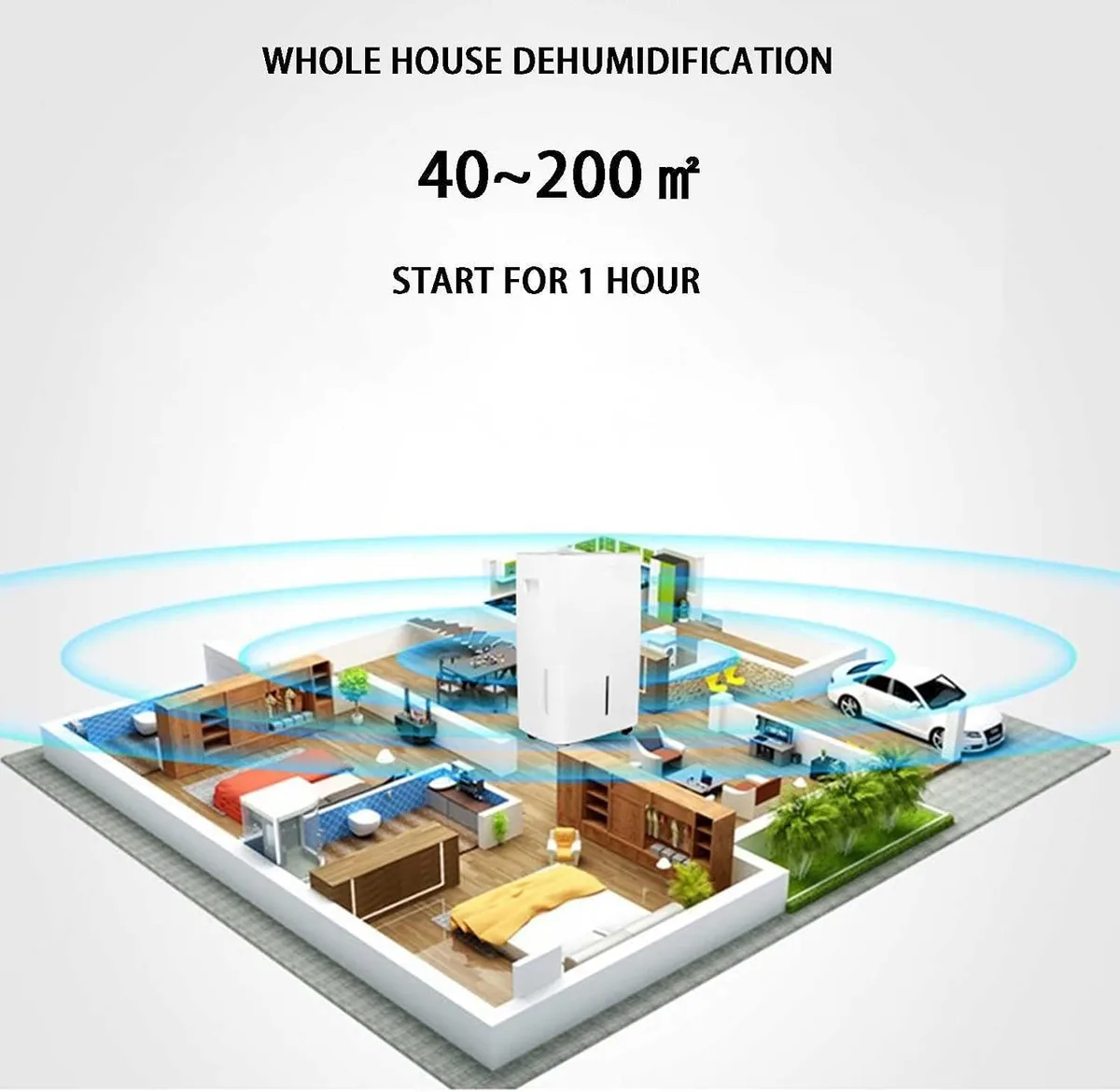
Image source: Bing (Web (fair-use with source credit))
This chart shows how capacity changes with dampness, not just room size. Use it as a guide, not a rule.
Find Your Perfect Size: A Simple Decision Tree
Let’s walk through it together. Grab a tape measure or your floor plan. Then ask these questions in order.
Step 1: Measure your space
Calculate square footage (length × width). If it’s a basement, include the full floor area. Don’t subtract for unfinished sections.
Step 2: Rate your dampness level
- Moderately damp: feels stuffy, occasional musty smell, no visible moisture
- Very damp: walls feel cool, condensation on windows, mildew spots
- Extremely wet: standing water, active leaks, peeling paint from moisture
Step 3: Match to the table
Use the table above. If you’re borderline, go up one pint size. Not three.
Step 4: Check your temperature
If your space stays below 65°F most of the time, a compressor unit will struggle. Consider a desiccant model instead. Those work better in cooler basements.
Step 5: Decide on features
Do you need continuous drainage? A large tank? Quiet operation for a bedroom?
Those considerations might push you toward a model a pint size smaller (quieter, lighter) or larger (longer between empties).
That’s it. For most homes, a correctly sized 40- or 50-pint unit handles a standard basement. If your basement is your main concern, check out our guide to the best dehumidifier for basement for specific recommendations.
Common Sizing Mistakes That Cost You Money
Even after reading all this, people still fall into the same traps. Here are the three biggest ones.
Mistake 1: “I’ll just buy the biggest one for safety”
That feels safe, but it backfires. Short-cycling leaves humidity high. Mold still grows.
You’ve spent more money for worse results.
Mistake 2: Ignoring dampness level
A 30-pint unit might look right for a 1,000-square-foot room on paper. But if that room is a damp basement, it’s undersized. The unit runs nonstop and never catches up.
You need 50 pints.
Mistake 3: Forgetting the temperature factor
Cold air reduces efficiency. If your basement is 60°F, a 50-pint unit might only remove 30 pints per day. Oversize slightly, but only by one step, not two.
This image shows what short-cycling looks like on a humidity graph:

Image source: Bing (Web (fair-use with source credit))
The room never stabilises. The unit runs, then shuts off, then runs again. Compare that to a properly sized unit that glides along steadily, keeping humidity at 50% with fewer cycles.
Real-World Examples: What Worked (and What Didn’t)
Example 1: The basement that needed a 70-pint
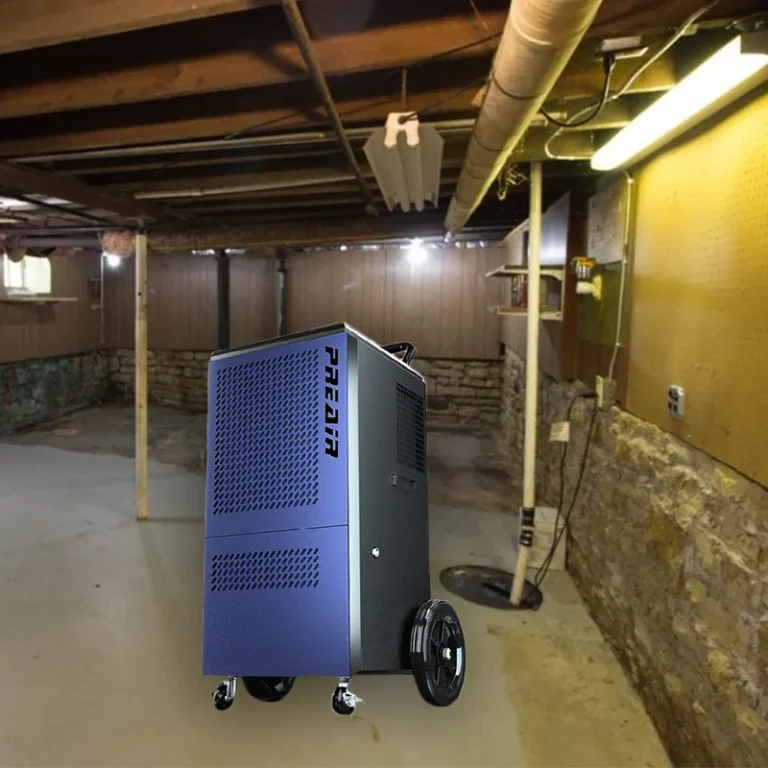
A 2,200-square-foot finished basement in the Southeast. Musty smell, visible mold on baseboards. They bought a 50-pint portable.
It ran 24/7. Humidity sat at 65%. They upgraded to a 70-pint unit.
Humidity dropped to 50% within two days. The unit cycles on for 20 minutes, off for 10, and drains continuously. Their electric bill went up $15 a month, but mold stopped spreading.
Correct move: they needed the extra capacity because the space was extremely wet and large.
Example 2: The bedroom that hated the 70-pint
A 300-square-foot master bedroom felt damp. They bought a 70-pint “just in case.” The unit roared to life, dropped humidity to 30% in ten minutes, then shut off. The room felt chilly and clammy.
After three weeks, they replaced it with a 20-pint desiccant model. Quiet, steady humidity at 50%, no more cold drafts. Wrong move: massive oversizing for a small, moderately damp room.
The takeaway? Match the unit to the space, not to your fear of moisture. For a general overview of models that fit most situations, see our best dehumidifier page.
Pro Tips for Maximum Performance
Once you’ve picked the right size, a few setup tricks can make a huge difference. Small changes in placement or settings can turn a mediocre unit into a reliable one.
Place it centrally. A dehumidifier works best in open space, not tucked in a corner. Air needs to circulate freely around the intake and exhaust. If you shove it behind a sofa or into a closet, it just recirculates damp air.
Aim for at least 12 inches of clearance on all sides.
Use continuous drainage. Most mid-size and larger units have a hose connection for continuous drain. If your space has a floor drain or a laundry sink nearby, hook it up. You’ll never empty the bucket.
No bucket means no interruptions, no forgotten tank overflow, and a steady humidity level.
Set the target humidity to 50%. Lower (say 35%) forces the unit to run constantly. Higher (60% or above) lets mold thrive. Fifty percent is the sweet spot: comfortable, energy-efficient, and safe for your home.
Most hygrostats are accurate within a few percentage points. If yours seems off, use a separate hygrometer to double-check.
Clean the filter every two weeks. A clogged filter restricts airflow. Less airflow means the unit runs longer and removes less moisture. Washable filters take two minutes under the tap.
Keeping it clean can cut runtime by 10-15% and extend the compressor’s life.
Check the temperature. If your space drops below 65°F regularly, a desiccant dehumidifier will outperform a compressor model. Desiccants work well in cold, damp basements. They use a chemical rotor instead of coils, so they don’t lose capacity in low temperatures.
Use a smart plug if your unit isn’t Wi-Fi enabled. Set a schedule to run during off-peak electricity hours (usually overnight). Or use a humidity sensor to override the built-in hygrostat if it’s inaccurate. It’s a cheap upgrade that can save $20-30 a year on electricity.
Frequently Asked Questions
Can a dehumidifier be too big for a room?
Yes. An oversized unit short-cycles. It runs briefly and shuts off before pulling moisture from porous surfaces.
This leaves humidity uneven and wastes energy. Stick to the sizing guidelines for reliable results.
What happens if my dehumidifier is too large?
It cycles on and off repeatedly. The room never reaches a stable humidity. The compressor wears faster.
You also get higher energy bills because the unit draws high startup current for short bursts. Oversizing costs you money and performance.
How do I know what size dehumidifier I need?
Measure your room’s square footage. Then rate the dampness level (moderate, very damp, extremely wet). Use the sizing table earlier in this article.
When in doubt, go up one pint size, not two or three.
Should I get a 50-pint or a 70-pint dehumidifier?
Choose based on your space and dampness. A 50-pint unit works well for up to 2,000 square feet in moderate dampness. A 70-pint unit suits larger spaces (over 2,000 sq ft) or very wet conditions, like an unfinished basement with visible moisture.
Does a bigger dehumidifier use more electricity?
Yes, but not proportionally. A 70-pint unit typically draws 600-800 watts. A 50-pint draws 500-700 watts.
However, an oversized unit that short-cycles can waste more electricity per pint removed than a correctly sized unit that runs steadily. Size matters more than raw wattage.
Can I use a large dehumidifier in a small room?
You can, but it’s not recommended. You’ll get fast humidity drops followed by long off periods. The room may feel cold and clammy.
A smaller unit (20-30 pints) will run more smoothly and keep the air comfortable.