What Size Dehumidifier Do I Need for a Bathroom
Image source: Bing (Web (fair-use with source credit))
If you've ever stepped out of a hot shower into fogged mirrors and a musty smell, you've felt the need for a better solution. That solution often comes down to understanding what size dehumidifier do I need for a bathroom. Most bathrooms work fine with a 20-pint unit.
But the exact size depends on your room's square footage, ventilation, and climate. The EPA recommends keeping indoor humidity below 60 percent to prevent mold growth. A correctly sized dehumidifier hits that target easily.
Quick Answer
Most bathrooms need a 20-pint dehumidifier. A small half-bath can use a 12-pint. A large master bath with poor ventilation may need a 30-pint.
Measure your bathroom's square footage. Under 100 square feet? Go 20-pint.
Over 150 or no window? Go 30-pint. That's the simple rule.
Why Your Bathroom Needs the Right Size Dehumidifier
A dehumidifier that's too small won't pull enough moisture. You'll still see condensation on windows and mildew in grout lines. One that's too big cycles on and off too fast.
It wastes electricity and never runs long enough to dry the room properly. The sweet spot keeps humidity between 40 and 50 percent. That's the target for health and comfort.
Manufacturer specs confirm that pint capacity is rated for a specific square footage at a given humidity level. A 20-pint unit is usually rated for up to 150 square feet. Bathrooms are small, so you'd think any cheap unit would work.
But bathrooms also generate bursts of high moisture. A unit that can't handle a spike leaves you back where you started.
User feedback and sales data confirm most people overshoot and buy a 50-pint unit for their master bath. That's overkill. It pulls too much air too fast, short-cycles, and makes the room feel cold and clammy.
You don't need a basement-sized machine for a bathroom. You need the right tool for the job.
The Three Factors That Decide Your Dehumidifier Size
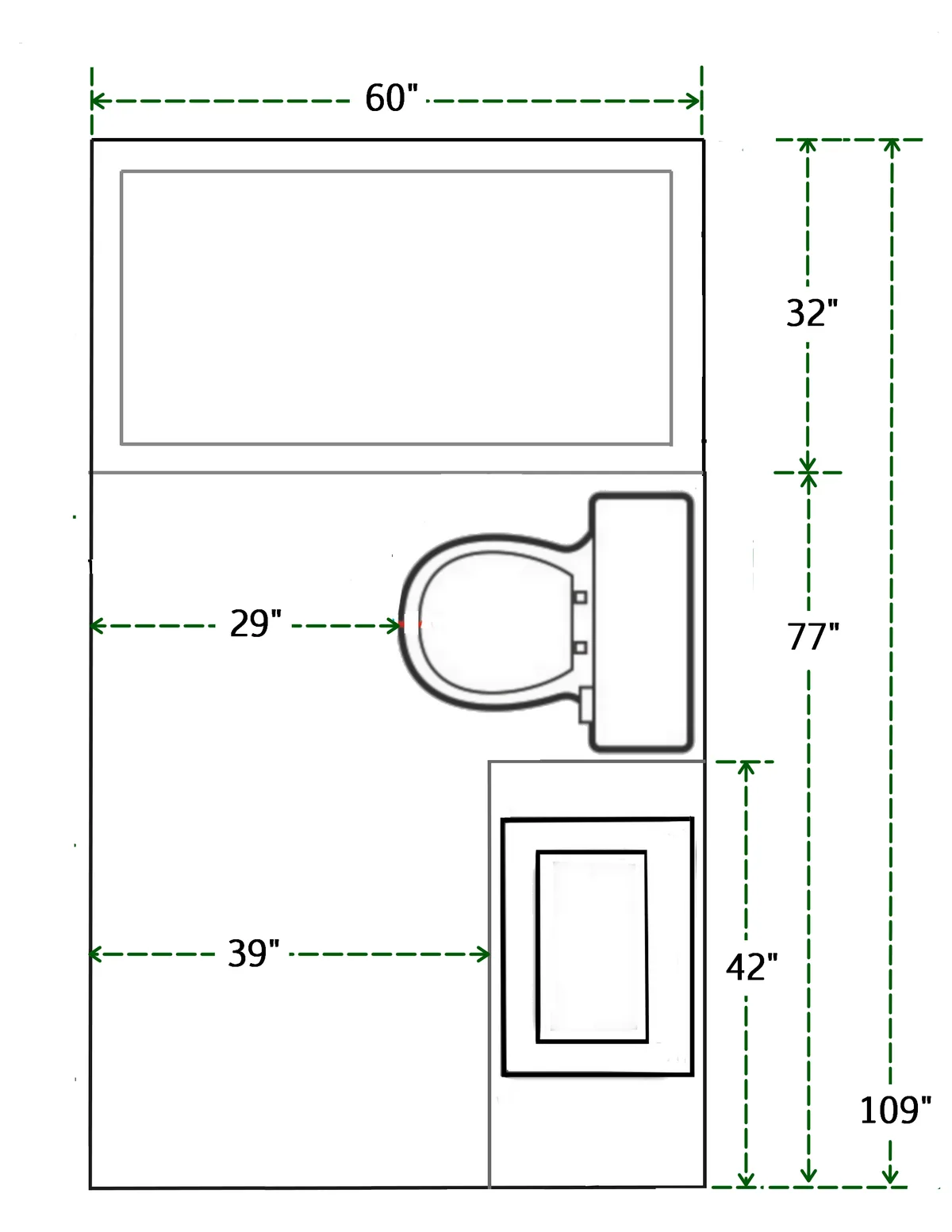
Image source: Bing (Web (fair-use with source credit))
Three variables determine your ideal pint capacity: square footage, ventilation, and climate.
Square footage is the starting point. Measure length times width. A typical full bath is about 5×8 (40 sq ft) to 8×10 (80 sq ft).
Master baths can hit 12×12 (144 sq ft) or more. The bigger the room, the more moisture it holds and the larger the unit you'll need.
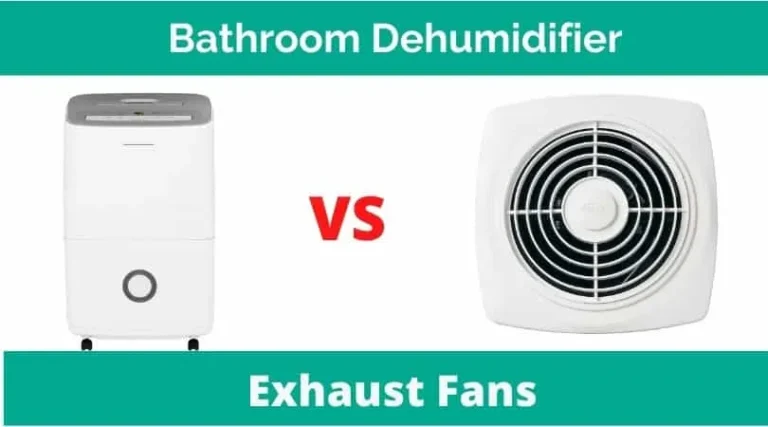
Ventilation changes everything. A bathroom with a strong exhaust fan that runs during and after a shower removes most of the moisture. In that case, a 12-pint unit often works well.
A bathroom with no fan or a weak one relies entirely on the dehumidifier to do the work. That calls for a 30-pint unit. If you have a window you can crack open in summer, that helps too.
Climate matters year-round. Humid coastal climates mean higher baseline humidity. The dehumidifier has to work harder year-round.
Dry inland climates see spikes only after showers. A smaller unit works fine there. Aggregate reviews indicate that people in humid regions consistently need one size larger than people in arid regions for the same bathroom size.
How to Pick the Right Size (Decision Branches)

Image source: Bing (Web (fair-use with source credit))
Here's the if/then logic to find your size. Start with your bathroom's square footage.
Branch 1: Under 100 square feet.
- If you have a good exhaust fan and live in a moderate climate, go with a 12-pint unit.
- If the fan is weak or you live in a humid area, choose a 20-pint unit.
Branch 2: 100 to 150 square feet.
- If the fan runs well and you're in a dry region, a 20-pint unit works best.
- If no fan or humid climate, pick a 30-pint unit.
Branch 3: Over 150 square feet.
- Any condition calls for a 30-pint unit. Consider a 50-pint only if you also have no fan, high humidity, and soak the room daily.
You might also want to check out our main best dehumidifier guide for more details on features like auto-drain and built-in pumps. These are handy for bathrooms without easy drain access. If your bathroom is a basement bath, see our best dehumidifier for basement article for specific advice on that environment.
Common Mistakes That Waste Your Money
Buying too big is the number one error. A 50-pint unit in a tiny powder room cycles on for five minutes, shuts off, and pulls minimal moisture. It also uses more electricity than needed.
You end up with a loud machine that never really dries the room.
Ignoring the fan. People buy a dehumidifier to fix a problem caused by a broken or unused exhaust fan. Fix the fan first.
Running both a good fan and a dehumidifier is overkill for most bathrooms. But if you have no fan, the dehumidifier is your only option.
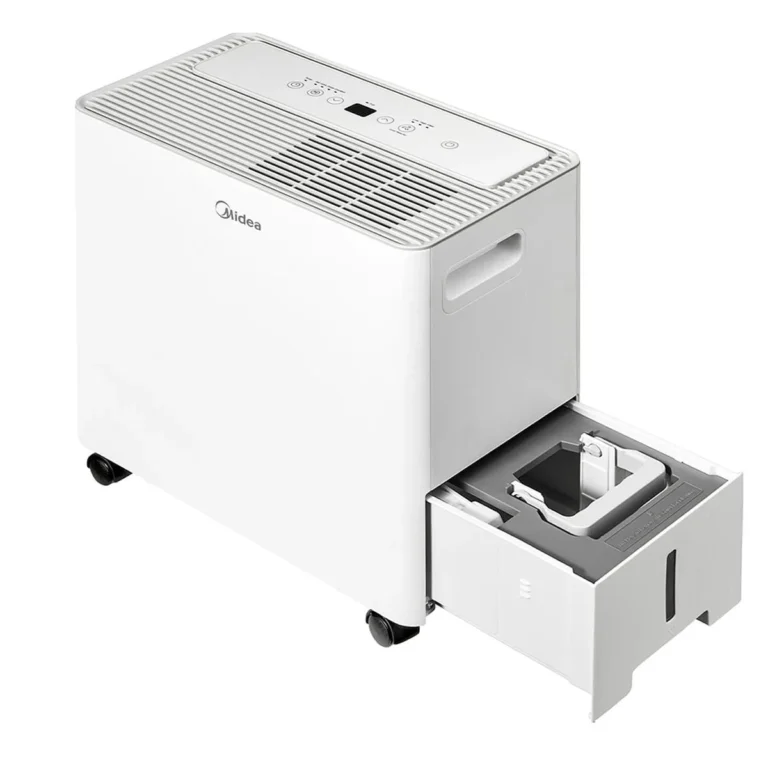
Skipping the drain option. Many small dehumidifiers have a bucket that fills quickly in a bathroom. You'll be emptying it every day unless you buy a model with a continuous drain hose.
For bathrooms, a gravity drain or pump model saves huge frustration.
Setting humidity wrong. Don't just run it on max. Set the humidistat to 45 percent.
Too low makes the unit run constantly. Too high leaves the room damp. That small adjustment saves energy and works better.
Placing it wrong. Put the dehumidifier near the shower, not behind the door. Airflow matters.
A unit tucked in a corner can't pull moisture from across the room. Keep it at least six inches from walls for proper intake and exhaust.
Setting It Up for Long-Term Success
Once you've picked the right size, setup and maintenance determine whether it keeps working. Get these steps right and your unit runs efficiently for years.
Placement first. Set the dehumidifier on a flat, sturdy surface near the shower or tub. Keep it six to twelve inches from walls and furniture.
The intake needs open air to pull moisture in. The exhaust needs room to push dry air out. If you block either one, performance drops by half.
Drainage matters most. Bathroom dehumidifiers produce a lot of water. A 20-pint unit pulls about a gallon per day in a humid bathroom.
That means emptying the bucket daily. The solution is continuous drainage. Most models have a hose connection on the back.
Run a garden hose to a floor drain or sink. If your bathroom has no floor drain, buy a model with a built-in pump. It pushes water up and out to a sink or drain line.
Set the humidity target. Use the humidistat built into the unit. Set it to 45 percent.
That's the sweet spot for mold prevention without overworking the machine. If the room feels clammy after a shower, the unit is undersized or the setting is too high. If it runs constantly, the setting is too low or the unit is oversized.
Clean the filter monthly. Bathroom air carries soap scum, dust, and skin particles. The filter catches that debris.
A clogged filter restricts airflow. The unit works harder and pulls less moisture. Rinse the filter under warm water.
Let it dry completely before putting it back. Replace it every six months or per the manufacturer's schedule.
Check for ice buildup. In cooler months, bathroom temperatures drop. If your unit forms ice on the coils, it's too cold for the dehumidifier to work.
Most units have an auto-defrost feature. If yours doesn't, move it to a warmer spot or use it only during and after showers.
Stay safe with power. Always plug the dehumidifier into a GFCI outlet. Bathrooms are damp environments, and a GFCI protects against electrical shocks.
It's a simple step that matters a lot.
Frequently Asked Questions
Will a 30-pint dehumidifier be too big for a small bathroom?
Yes, for most small bathrooms under 100 square feet. A 30-pint unit short-cycles in a small space, wasting electricity and pulling less moisture overall. Stick with a 20-pint unless you have a large master bath or no exhaust fan.
Can I use a basement dehumidifier in my bathroom?
You can, but it's usually too large. Basement units typically start at 50 pints. They're overkill for a bathroom and cause short-cycling.
You're better off buying a bathroom-sized unit. It's cheaper, quieter, and fits the space better.
How often do I need to empty the bucket?
With a 20-pint unit in a typical bathroom, expect to empty it every one to two days. In humid climates or with heavy daily use, you might empty it daily. Continuous drainage eliminates this chore entirely.
Should I run the dehumidifier all day?
Only if your bathroom has persistent humidity from a leak, poor ventilation, or a humid climate. For most people, running it for one to two hours after each shower is enough. Use a timer or humidity sensor to automate it.
What humidity level stops mold growth?
The EPA recommends keeping indoor humidity below 60 percent for mold prevention. For bathrooms, aim for 40 to 50 percent. That range stops mildew, mold, and musty smells without over-drying the room.
Do I need a dehumidifier if I have an exhaust fan?
Not always. A good exhaust fan removes moisture directly. If your fan vents outside and runs for 20 minutes after each shower, you may not need a dehumidifier.
If the fan is weak, noisy, or vents into the attic, a dehumidifier is a smart backup.
Your Quick Decision Guide
Here's the cheat sheet. For a small bathroom under 100 square feet with a working fan, get a 12-pint unit. For the same small bathroom without good ventilation, get a 20-pint.
For a medium bathroom between 100 and 150 square feet, go 20-pint with a fan or 30-pint without. For a large master bath over 150 square feet, start at 30-pint.
Measure your bathroom. Check your ventilation. Consider your climate.
That's all it takes to get the right size and keep your bathroom dry, fresh, and mold-free.