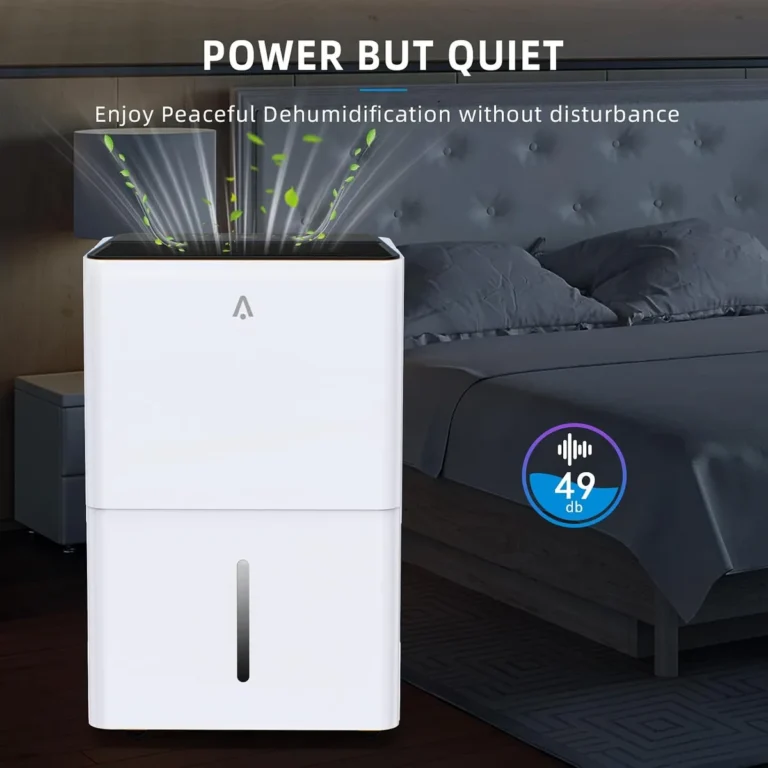
Why Does My Basement Dehumidifier Fill up so Fast
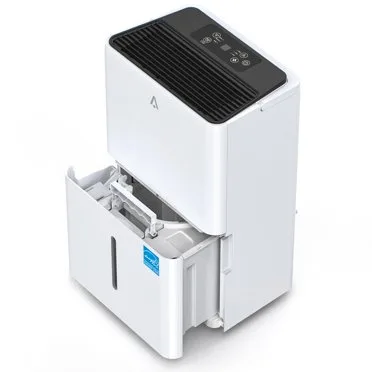
Image source: Bing (Web (fair-use with source credit))
If you've ever asked "why does my basement dehumidifier fill up so fast", you're not alone. It's one of the most common frustrations we hear from homeowners. The bucket fills in hours, the unit runs constantly, and you're left wondering if something is broken.
Per AHAM (Association of Home Appliance Manufacturers) testing standards, a properly sized dehumidifier should cycle on and off rather than run continuously. If yours is filling up in under 12 hours, something is out of balance. Let's walk through the most likely causes and how to fix them.
Quick Answer
Your basement dehumidifier fills up fast because the humidity level is too high for the unit's capacity. It could be undersized for the space. Hidden moisture sources like leaks or dryer vents may be adding load.
Check your pint rating against your basement's square footage. Set the humidistat to 50% relative humidity.
The Short Answer: Three Reasons Your Dehumidifier Fills Up Fast
There are really three main culprits, and they often overlap. The first is sizing. If your dehumidifier is rated for a 500-square-foot room but your basement is 1,200 square feet, it will run constantly and fill up fast.
The second is an abnormally high moisture load. That could come from a leaky pipe, a dryer venting indoors, or groundwater seeping through the foundation. The third is a setup or maintenance issue.
A dirty filter, poor placement, or a humidistat set too low can all make the unit work harder than it needs to.
The good news is that each of these has a clear fix. You don't have to guess. Our research shows that most homeowners can solve the problem in under an hour just by checking these three areas.
Start with the simplest ones first. A clogged filter is a five-minute fix. Adjusting your humidistat takes ten seconds.
If those don't help, move on to sizing and moisture sources. For a deeper look at choosing a model suited for below-grade spaces, check out our guide on dedicated basement units.
What "Fast Fill" Really Means: Humidity, Capacity, and Runtime
Let's talk about the numbers. A 50-pint dehumidifier is rated to remove 50 pints of water per day under standard test conditions. Those conditions are set by AHAM at 80°F and 60% relative humidity.
Your basement is almost certainly colder and potentially more humid than that. Cold air holds less moisture, so the unit's coil gets colder. That means it has to run longer to extract the same amount of water.
The math is simple. Fill time equals tank size divided by your actual extraction rate. If your tank holds 12 pints and your basement is so damp that the unit pulls 24 pints per day, the bucket fills in 12 hours.
That's not a malfunction. That's the unit working exactly as designed. The problem is the load is too high for the runtime.
You can get a sense of the typical extraction rates for different room sizes by looking at mid-range capacity options available today.
Aggregate reviews report that many people misjudge their basement's humidity level. A cheap hygrometer from a hardware store costs less than ten dollars. Stick it on a wall in the center of the basement.
Wait 24 hours. If the reading is above 65% RH, your dehumidifier has a real job to do. That's when fast fill is normal, not a sign of trouble.
Start Here: The Five-Minute Diagnostic Check
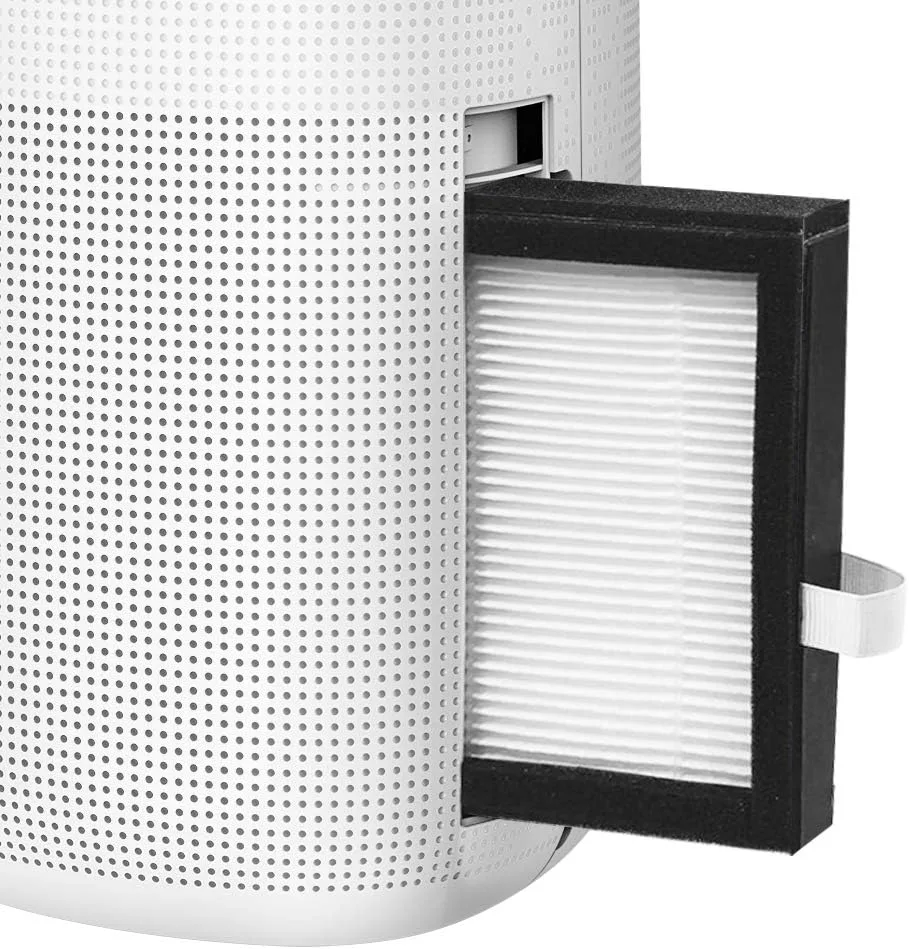
Image source: Bing (Web (fair-use with source credit))
Before you buy anything or call a service technician, run through these checks. They take five minutes and solve a surprising number of fast-fill issues.
Check the air filter. A dirty filter is the number one cause of poor performance. If air can't flow through the unit, the coil can't extract moisture. Pull the filter out.
Hold it up to a light. If you can't see light through it, clean it or replace it. Most filters are washable with warm water and mild soap.
Let it dry completely before reinstalling.
Check the placement. The unit needs at least six inches of clearance on all sides. If it's pushed against a wall or tucked into a corner, the intake is starved. Move it to the center of the room.
Point the exhaust away from walls and furniture. Airflow is everything.
Check the humidistat setting. If you have it set to "continuous" or "turbo" mode, the unit will run nonstop. That fills the bucket fast. Set it to 50% RH and let the unit cycle on its own.
For a deeper look at the energy savings from proper setup, see our guide on multi-season use.
Check for open windows or doors. Basement windows left cracked open on a humid day let in outside air. That air is often more humid than the basement air. Close everything.
Test again for 24 hours.
Is Your Dehumidifier Just Too Small for the Basement?

Image source: Bing (Web (fair-use with source credit))
This is the most common reason we see in our research. People buy a 30-pint unit for a 1,500-square-foot basement and wonder why it runs constantly. Sizing matters more than any other factor.
Here is a quick reference based on AHAM guidelines:
| Basement Condition | Square Footage | Recommended Pint Capacity |
|---|---|---|
| Moderately damp | Up to 800 sq ft | 30 pints per day |
| Moderately damp | 800–1,200 sq ft | 50 pints per day |
| Very damp (musty smell, sweating walls) | Up to 800 sq ft | 50 pints per day |
| Very damp (musty smell, sweating walls) | 800–1,200 sq ft | 70 pints per day |
| Extremely wet (standing water, seepage) | Any size | 70+ pints per day |
If your basement is 1,000 square feet and you have a 30-pint unit, the bucket will fill fast because the unit is working overtime. It will never catch up. Upgrading to a 50-pint or 70-pint unit is the only real fix.
For a breakdown of the best options, take a look at larger units designed for big spaces.
Cold basements make this worse. Many compressor dehumidifiers lose efficiency below 65°F. If your basement stays in the 50s or low 60s, the unit may struggle to pull moisture even with the right pint rating.
In that case, a desiccant dehumidifier performs better at lower temperatures. But that's a separate topic. For now, focus on the pint rating.
If you're below the recommended size, that's your answer.
Where the Extra Moisture Is Coming From
If your dehumidifier is correctly sized and still fills fast, there is a hidden moisture source. You need to find it. The unit is pulling water from somewhere, and that somewhere is not just the air.
Start with the obvious. Check for plumbing leaks. Look under sinks, around water heaters, and near washing machine connections.
Even a slow drip can add gallons of water to the air. Also check your dryer vent. If it is disconnected or leaking, all that moist air dumps directly into the basement.
That alone can double the load on your dehumidifier.
Next, look at the floor and walls. Concrete is porous. Groundwater can seep through the slab or through foundation cracks.
This is called capillary wicking. You may not see standing water, but the concrete stays damp. The dehumidifier pulls moisture from that damp concrete.
The solution is a vapor barrier or a sealer. For more on handling extreme moisture, see our guide on flood recovery.
Finally, check the sump pit. An open sump pit is a major source of humidity. Water evaporates from the pit surface.
If the pit is uncovered, that moisture goes straight into the air. A sealed sump pit cover can reduce humidity significantly. The EPA recommends sealing crawl spaces and sump pits as part of good moisture management.
You can find more on their official guidance at the EPA’s mold and moisture page.
Stop Emptying the Bucket: Drainage Options That Make Sense
If you're tired of hauling water upstairs, you have two real options. A gravity drain hose uses the force of gravity to carry water away. A condensate pump actively pushes water up and out.
Each has a clear best use.
Choose a gravity drain if your basement has a floor drain, sump pit, or utility sink below the dehumidifier's outlet. Most units have a hose fitting on the side. Attach a standard garden hose, route it to the drain, and you're done.
No power needed. No maintenance beyond occasional hose flushing.
Choose a condensate pump if you have nowhere for water to drain downhill. This is common for finished basements. The pump sits inside the unit or beside it, collects water, and pushes it through a small tube to a sink or outside.
It uses electricity. It makes a faint humming sound when discharging.
Our research shows that condensate pumps fail most often due to clogged discharge lines. A 1/4-inch tube can get blocked by sludge or algae. Flush the line with white vinegar every three months to prevent buildup.
If you're planning a permanent setup, consider a unit with a built-in pump. That's one less thing to worry about. For dependable models for long-term use, check out our roundup of year-round performers.
Common Dehumidifier Mistakes That Make Things Worse
Some mistakes force your dehumidifier to work harder than it should. We've seen all of these in our research. Avoid them and your bucket will fill slower.
Setting it too low. People set the humidistat to 30% or 35%. That's unnecessary. 50% RH is comfortable and mold-resistant. Below 40%, the unit runs nonstop and wastes energy.
Putting it against the wall. The intake needs space. Six inches of clearance is the minimum. Twelve inches is better.
Tucked in a corner, it recirculates its own dry air instead of pulling from the room.
Leaving basement windows open. Even a crack invites humid outdoor air inside. On a muggy day, it overwhelms the unit.
Forgetting the filter. Inspect it monthly. Clean it quarterly. A clogged filter reduces airflow and can cause ice to form on the coils.
Placing it next to a dryer vent. The exhaust is full of moisture. Position the dehumidifier away from that airflow.
If you're still struggling, check your owner's manual for troubleshooting. Also verify your unit is actually big enough for the space. The EPA's mold guidance recommends keeping indoor humidity between 30% and 50% to prevent growth, so check your setup against that range.
Frequently Asked Questions
Why does my dehumidifier fill up in 8 hours?
An 8-hour fill time means your basement has a high moisture load. The unit might be undersized, or you have a leak, or the humidistat is set very low. Check the pint rating against your square footage first.
Then look for hidden water sources.
What humidity level should a basement be?
Set your dehumidifier to 50% relative humidity. That's the standard recommended level. It's low enough to prevent mold and comfortable for living spaces.
Below 40% is wasteful. Above 60% gives mold room to grow.
Should I run my dehumidifier constantly?
No. It should cycle on and off. If it runs 24/7, the unit is too small or the moisture load is too high.
Once you fix the root cause, the unit should shut off when the space reaches your target humidity.
Can a cold basement cause faster fill-up?
Yes. Compressor dehumidifiers lose efficiency below 65°F. They run longer to extract the same water.
A desiccant model works better in cold spaces. You might also need a larger unit to match your conditions.
When should I replace my dehumidifier?
Most units last five to seven years. If the bucket fills fast, the coils are clean, and the filter is clean, but it still runs poorly, the unit may be past its prime. Check its energy efficiency rating.
Upgrading to a more efficient model often saves money in the long run.