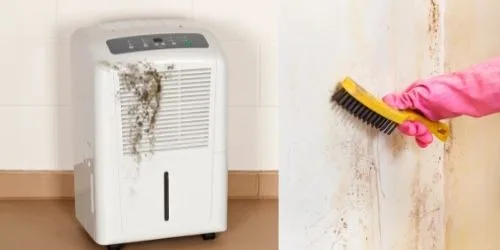
Can a Dehumidifier Remove Basement Odors
That basement smell hits you the second you open the door. It's that damp, musty odor that makes you hesitate before heading downstairs. If you're wondering whether a dehumidifier can actually fix it, you're not alone.
So can a dehumidifier remove basement odors? The answer is yes, but only for certain types of smells and only when you use it correctly.
The EPA's guidance on indoor air quality points to a simple rule. Relative humidity below 50 percent stops mold and mildew from actively growing. That number is the key to understanding whether a dehumidifier will help your particular situation.
Let's walk through how it all works.
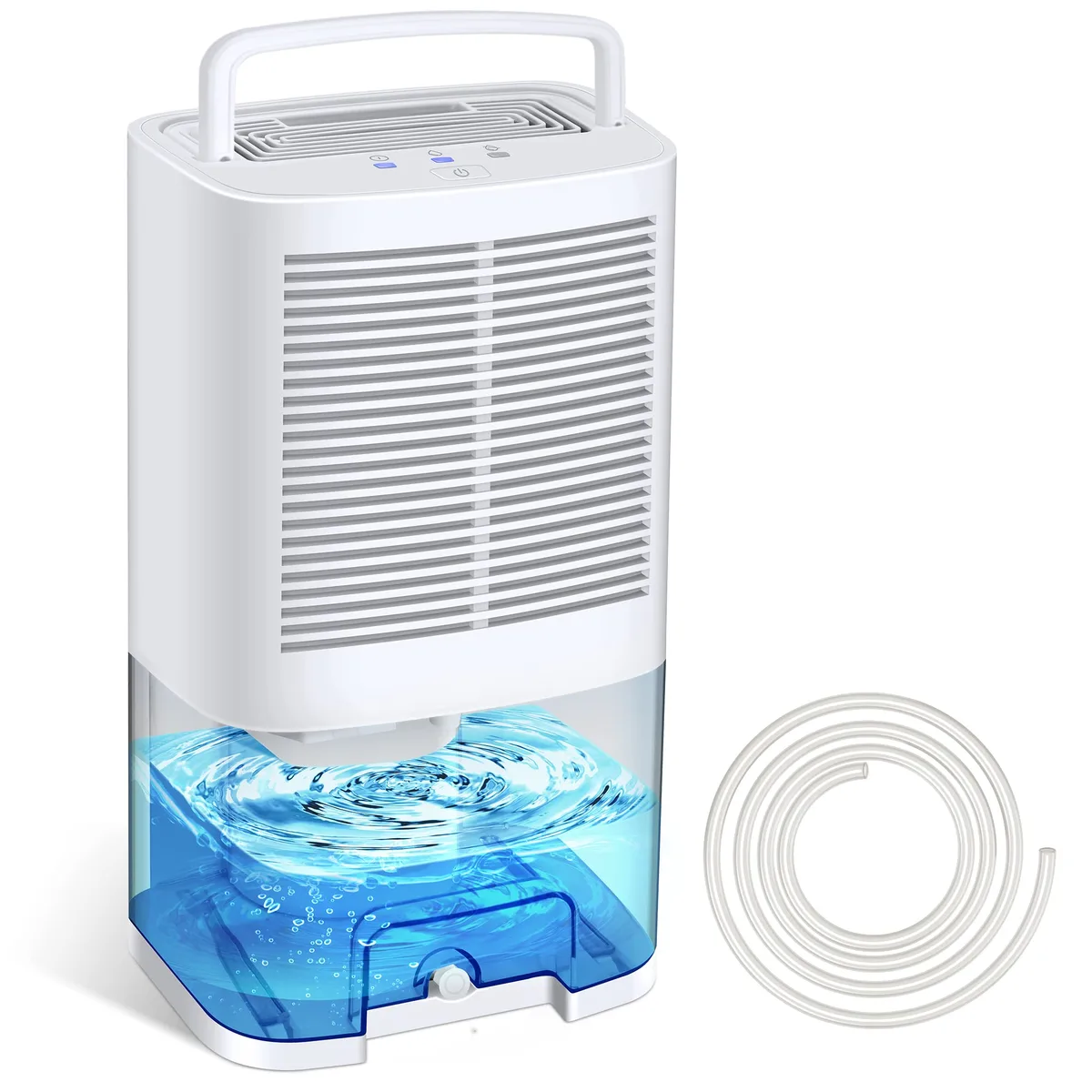
Image source: Bing (Web (fair-use with source credit))
Quick Answer: Can a Dehumidifier Actually Fix Basement Smells
A dehumidifier can remove musty basement odors. It pulls moisture from the air. Mold and mildew need humidity to grow.
Without moisture, the smell fades. But it only helps with moisture-related odors.
The Science Behind It: How Dehumidifiers Handle Odors
Most basement smells come from mold, mildew, or bacteria that thrive in damp conditions. These microorganisms release microbial volatile organic compounds (mVOCs). That's the scientific name for the earthy, musty smell you notice.
A dehumidifier works by cycling air through cold coils. The coils condense water vapor into liquid, which drains into a bucket or hose. Over time, the room's relative humidity drops.
When the air stays dry enough, mold spores stop reproducing and the existing growth dries out. The smell gradually fades as the source of the odor dies off.
But here's the catch. The dehumidifier doesn't kill mold or clean surfaces. It just removes the moisture that mold needs to survive.
If your basement already has visible mold growth on walls, floors, or stored items, you'll need to clean those surfaces separately. The machine prevents regrowth, but it can't undo existing damage.
As of 2026, most standard units can handle a typical basement sized around 500 to 1,500 square feet. Choosing the right size for your space is critical for success. Undersized machines run constantly without reaching the target humidity level.
For reference, the EPA's mold guidance recommends maintaining indoor humidity between 30 and 50 percent to prevent mold problems.
Smell Diagnosis: Is Your Basement Odor Moisture-Related or Something Else?
Not every bad smell in a basement comes from moisture. Running a dehumidifier on the wrong type of odor wastes electricity and time. Let's match the smell to the likely cause.
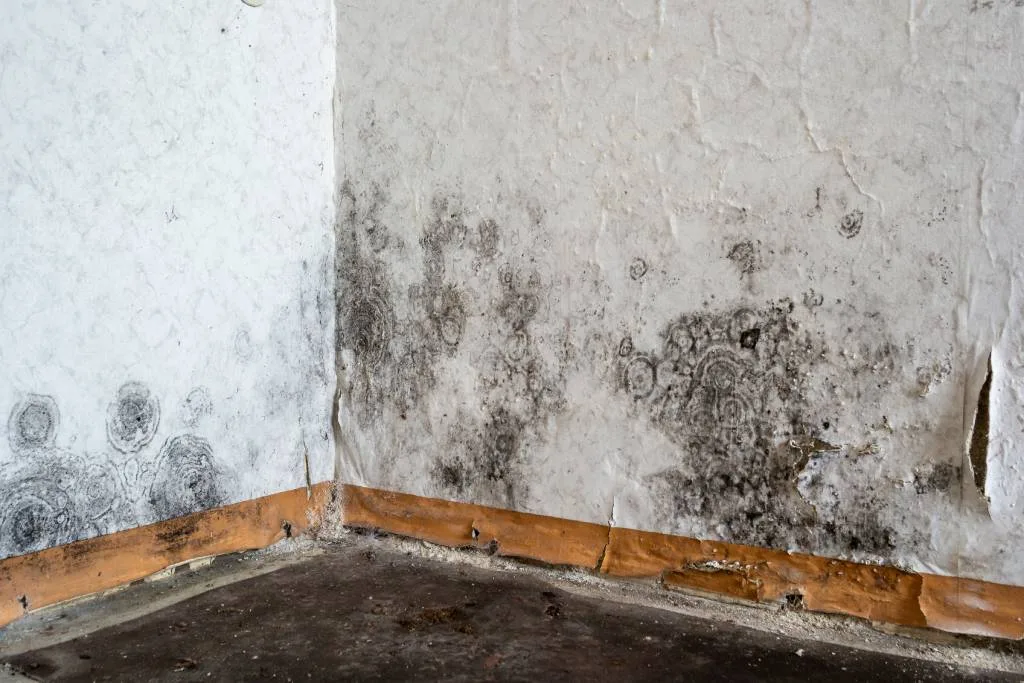
Image source: Bing (Web (fair-use with source credit))
Musty / Moldy / Earthy
This is the classic basement smell. It's damp, slightly sweet, and reminds you of wet cardboard or soil. This is almost always caused by mold, mildew, or fungal growth in a humid environment.
A dehumidifier is your best bet here. Set it to 45 to 50 percent relative humidity and let it run for a few weeks.
Sewage or Rotten Egg
That sulfur smell is not a moisture problem. It's typically a dry P-trap in a basement floor drain, a cracked sewer line, or a backup from the main stack. A dehumidifier won't touch this.
You need to pour water down the drain to refill the trap. If the smell persists, call a plumber.
Chemical or Solvent
Paint fumes, cleaning products, fuel storage, or off-gassing from new furniture create sharp chemical smells. A dehumidifier can't remove VOCs. You need ventilation or an air purifier with activated carbon.
Open windows when possible and store chemicals in sealed containers.
Pet or Food Odors
Urine, pet accidents, or rotting food produce strong ammonia or sour smells. These odors are embedded in porous surfaces like concrete, carpet, or drywall. A dehumidifier helps by drying the area, but you'll need enzymatic cleaners or professional remediation to remove the source.
What to Do If You're Not Sure
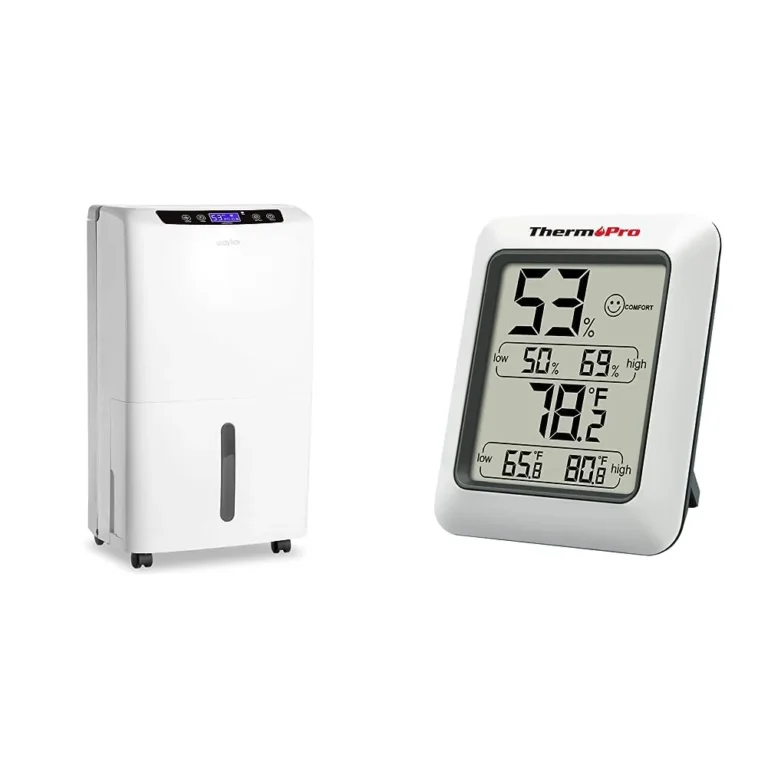
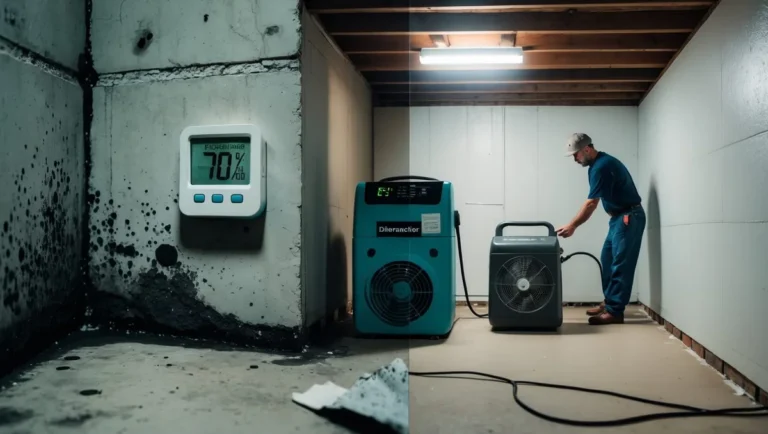
Grab a hygrometer. They cost about ten dollars. If the humidity in your basement reads above 60 percent, moisture is likely the culprit.
If it's below 50 percent and you still smell something, look elsewhere. Check for leaks, drains, and stored items first.
When a Dehumidifier Works and When It Won't
This section is the heart of the decision tree. Let's split it into two clear categories.
Odors a Dehumidifier Can Fix
| Odor Type | Why It Works | Timeframe |
|---|---|---|
| Musty or moldy smell | Reduces humidity below mold growth threshold | 1 to 3 weeks |
| Damp cardboard or paper smell | Dries stored items and air | 2 to 4 weeks |
| Mild mildew odor on surfaces | Prevents regrowth after cleaning | Ongoing |
| Post-flood dampness | Accelerates drying of concrete and drywall | 1 to 2 weeks |
Odors a Dehumidifier Cannot Fix
| Odor Type | What Actually Causes It | Better Solution |
|---|---|---|
| Sewage or rotten egg | Dry P-trap, cracked pipe, or sewer gas | Pour water in drain or call a plumber |
| Chemical or solvent fumes | VOCs from paint, fuel, or cleaners | Ventilation or carbon filter air purifier |
| Smoke or burnt smell | Ash, tar, and particles embedded in surfaces | Professional cleaning and ozone treatment |
| Pet urine or rotten food | Bacteria and organic matter on surfaces | Enzymatic cleaners and source removal |
| Strong ammonia smell | Decomposing organic material or pests | Pest control and thorough cleaning |
If you've confirmed the smell is moisture-related, a budget-friendly dehumidifier can make a real difference. For larger spaces, a bigger basement unit is worth considering. The key is matching the machine to the space.
Dehumidifier Setup & Placement for Maximum Odor Removal
Getting the machine in the right spot matters more than most people realize. Poor placement means the unit runs constantly without ever drying the whole room.
Where to Place It
Put the dehumidifier in the center of the basement if possible. If the space is long and narrow, place it near the dampest wall. Keep it at least six inches away from walls and furniture.
Air needs to circulate freely around the intake and exhaust. Avoid corners and closets where airflow is restricted.
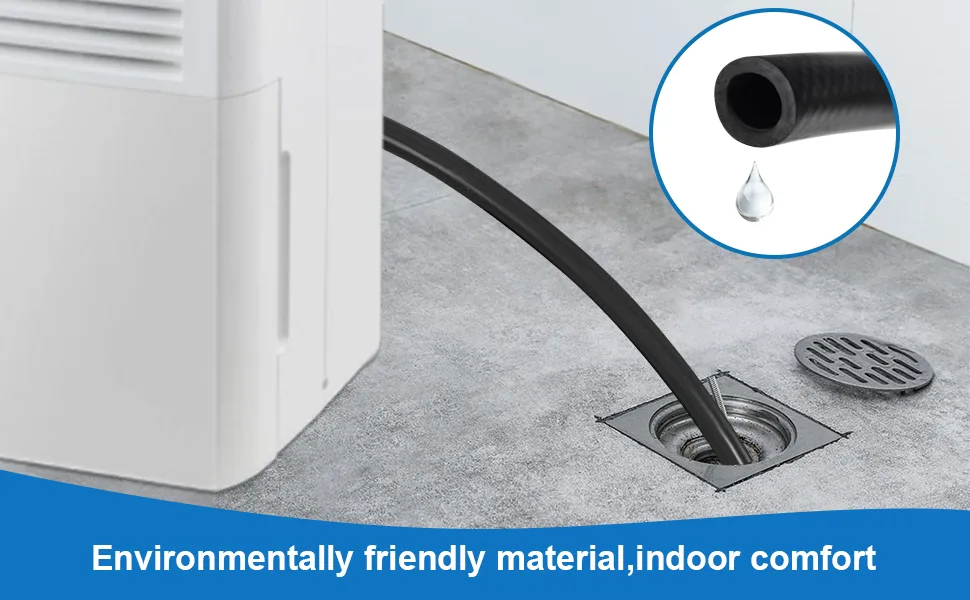
Image source: Bing (Web (fair-use with source credit))
What Humidity Level to Set
Start at 50 percent relative humidity. If the smell doesn't improve after a week, lower it to 45 percent. Never go below 30 percent.
Air that's too dry can cause cracks in wood floors and furniture. It can also make the space feel uncomfortably cold.
Continuous Drain vs. Bucket
The bucket fills up fast in a damp basement. You might need to empty it twice a day at first. That's annoying and easy to forget.
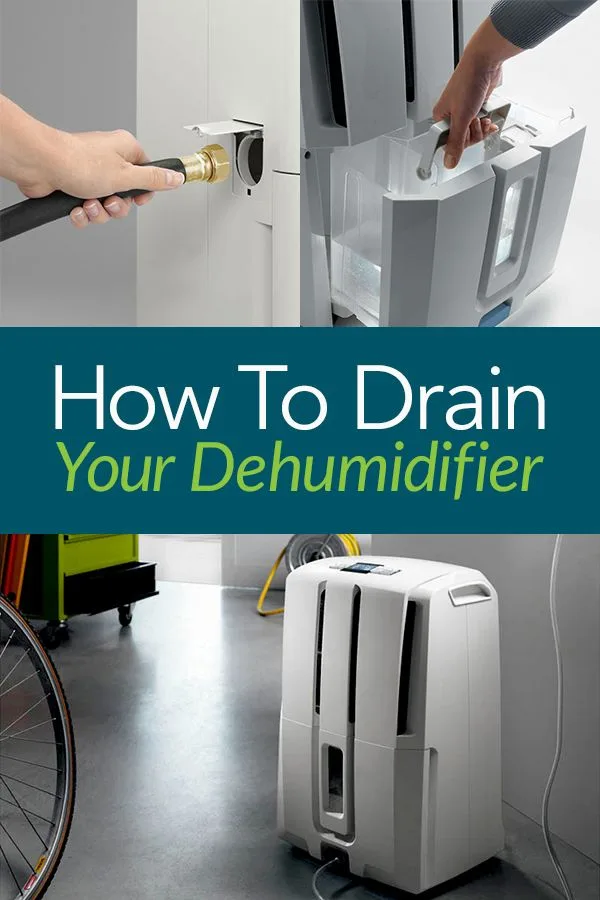
A continuous drain hose to a floor drain or sump pump is much better. Most units have a threaded port for a standard garden hose. Use it if you can.
How Long Before You Notice a Difference
Don't expect instant results. The machine needs to pull gallons of water out of the air and porous materials. Most people notice a change within three to seven days.
Complete odor removal can take two to four weeks. Be patient and let the unit run continuously. Turning it off at night slows the process down significantly.
Common Mistakes That Ruin Results
You can do everything right with the setup and still not fix the smell. These are the most common errors people make.
Running the Wrong Size Unit
A dehumidifier that's too small runs constantly without ever reaching the target humidity. It wears out faster and drives up your electric bill. A unit that's too large cycles on and off too quickly.
It doesn't run long enough to pull moisture from deep in porous materials like concrete. Match the pint rating to your square footage. For a typical basement, a 50-pint unit is the sweet spot for most homes.
Ignoring the Source of Moisture
The dehumidifier is a band-aid, not a cure. If water is seeping through foundation cracks or pooling around the sump pump, the machine will never catch up. Fix the source first.
Check gutters, downspouts, and grading around the house. Seal visible cracks. A dehumidifier works best when it's the last line of defense, not the only one.
Not Cleaning the Filter
A clogged filter blocks airflow. The unit works harder, uses more energy, and pulls less water. Clean the washable filter every two weeks during heavy use.
Set a reminder on your phone. It takes two minutes and makes a real difference in performance.
Expecting Instant Results
This one frustrates people the most. A dehumidifier removes moisture gradually. It can take a week or more to notice a change in the smell.
Give it time. If you're not seeing improvement after three weeks, check for hidden mold or a non-moisture odor source.
Dehumidifier vs. Other Solutions: When to Switch Tactics
Sometimes a dehumidifier isn't the right tool. Here's when to try something else.
Air Purifier
An air purifier with a HEPA filter and activated carbon captures airborne particles and absorbs VOCs. It's a good addition if the smell is chemical or if you've already dried the space but still notice odors. It doesn't remove moisture.
Use it alongside a dehumidifier, not instead of one.
Exhaust Fan
If your basement has a window or an exterior wall, a bathroom-style exhaust fan can pull humid air outside. It works well for small spaces with occasional moisture. It's less effective in large basements or during humid summer months when outdoor air is already saturated.
Mold Remediation
Visible mold on walls, floors, or stored items requires professional cleaning. A dehumidifier prevents regrowth, but it can't remove existing mold. The EPA recommends professional remediation for areas larger than 10 square feet.
Don't skip this step. Mold left in place will continue to produce odors and pose health risks.
Fixing Exterior Drainage or Waterproofing
If your basement floods or stays damp after rain, the problem is outside. Clean gutters, extend downspouts at least six feet from the foundation, and regrade the soil so water flows away. Interior waterproofing with a sump pump and vapor barrier is the next step.
A dehumidifier supports these measures but can't replace them.
Frequently Asked Questions
Will a dehumidifier remove cigarette smoke smell from a basement?
No. Smoke particles embed themselves in porous surfaces like drywall, carpet, and wood. A dehumidifier only removes moisture.
You need an air purifier with a HEPA filter and activated carbon. For heavy smoke damage, professional ozone treatment or repainting with a sealing primer is required.
Can a dehumidifier make a smell worse?
Yes, in two scenarios. First, if the filter is dirty, the unit can blow musty air back into the room. Second, if the bucket or drain pan isn't cleaned regularly, bacteria and mold can grow inside the machine.
Clean the filter and wipe down the water reservoir monthly to avoid this.
Should I run a dehumidifier in a cold basement?
Standard compressor dehumidifiers struggle below 65 degrees Fahrenheit. The coils can freeze, reducing performance. A desiccant dehumidifier works better in cold basements because it uses a chemical rotor instead of cold coils.
If you have a typically cold basement, look for a desiccant unit.
How do I know if my dehumidifier is working properly?
Check the collected water. If the bucket is filling up regularly, the unit is pulling moisture. Use a separate hygrometer to confirm the relative humidity is dropping.
If the humidity stays above 55 percent after a week of continuous running, the unit may be too small or the room may have a hidden moisture source.
Is it safe to leave a dehumidifier running all the time?
Yes, with a few precautions. Use a unit with an automatic humidistat that shuts off when the target humidity is reached. Make sure the continuous drain hose is secure and draining properly.
Keep the area around the unit clear of clutter. Never leave a full bucket unattended, as it can overflow and cause water damage.