Should Windows Be Closed When Drying Clothes With a Dehumidifier
Here's the short answer: yes, you should close the windows when drying clothes with a dehumidifier. The question "should windows be closed when drying clothes with a dehumidifier" comes up because it feels counterintuitive to trap all that wet laundry air inside your home. But a dehumidifier works by pulling moisture from the air inside the room.
Open windows let humid outdoor air pour in, forcing the machine to run longer and work harder.
Per the EPA's indoor moisture guidelines, keeping indoor relative humidity between 30 and 60 percent prevents mold growth while allowing efficient drying. An open window during a drying cycle can spike that humidity level beyond what the dehumidifier can keep up with. Let's break down exactly why windows should stay shut and when you might make an exception.
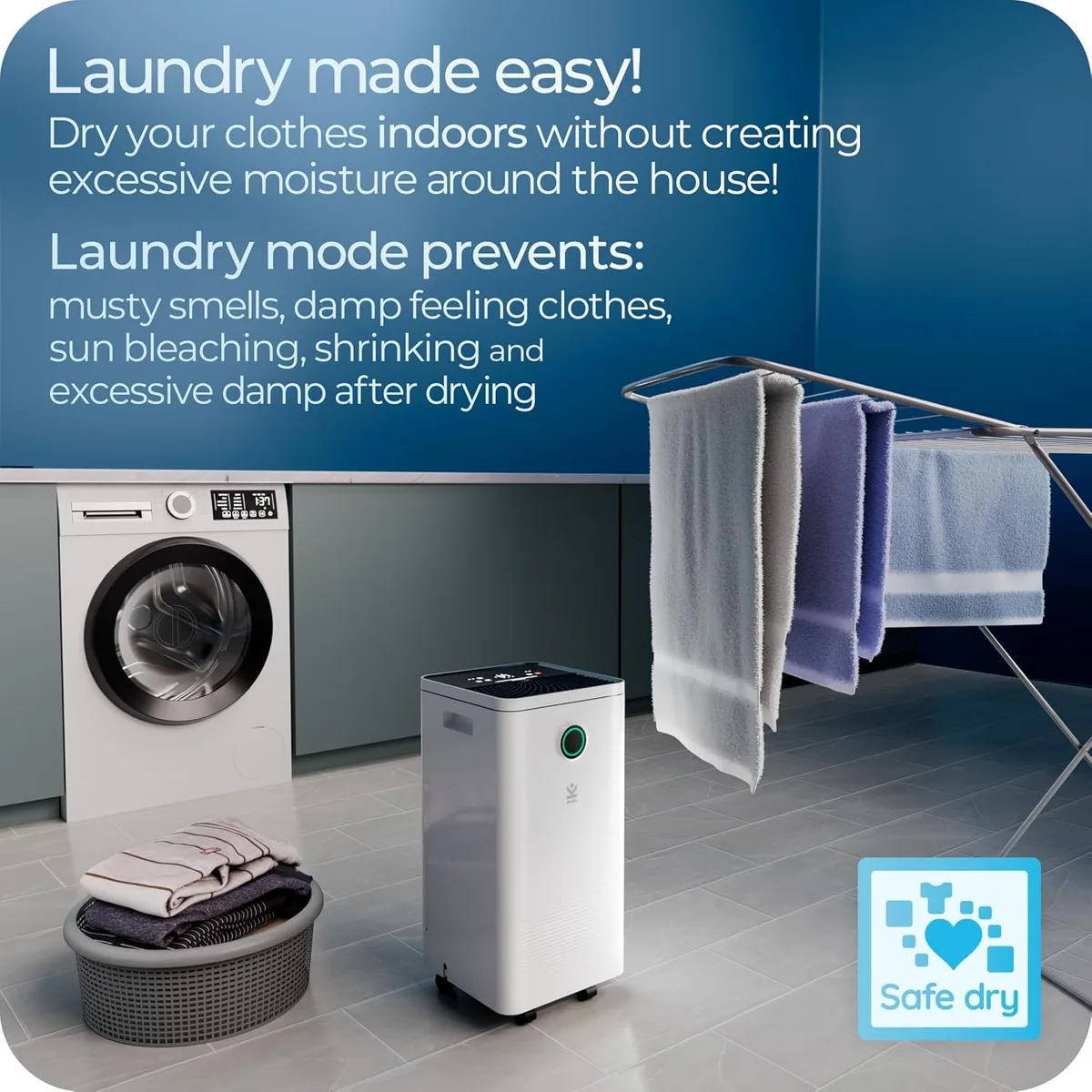
Image source: Bing (Web (fair-use with source credit))
Quick Answer
Close the windows when drying clothes with a dehumidifier. An open window lets outdoor moisture enter the room. The dehumidifier then has to extract that extra moisture too.
This makes drying take longer and wastes energy. The only exception is if the outdoor air is much drier than the indoor air. That rarely happens in most climates.
Core Explanation: How Humidity and Airflow Actually Work
Image source: Bing (Web (fair-use with source credit))
A dehumidifier is a closed-loop system. It pulls room air in, passes it over cold coils, condenses the moisture into water, and blows drier air back out. The machine can only process the air that reaches its intake.
If you open a window, you create a fresh air exchange. Humid outdoor air rushes in to replace the air the dehumidifier just dried.
Why outdoor air is usually more humid
Unless you live in a desert, the outdoor air during a drying cycle is almost always more humid than you think. Even on a dry day, relative humidity outside often sits around 40 to 60 percent. Your dehumidifier is trying to pull the room down to 40 or 50 percent.
Opening a window makes that target much harder to reach.
The energy penalty
Every cubic foot of outdoor air that enters the room carries its own moisture load. The dehumidifier has to remove that moisture too. Aggregate reviews and manufacturer specifications confirm that running a dehumidifier with an open window can increase runtime by 30 to 50 percent.
That directly translates to higher electricity bills and more wear on the machine.
When airflow helps
There is one scenario where ventilation matters. If the room is very small and airtight, the dehumidifier can create a slight vacuum effect. This is rare with portable units, but a tiny bathroom with no air gap under the door might restrict airflow.
In that case, cracking a door to an adjacent room is better than opening a window.
The Window Open or Closed Decision Guide
This is where the decision tree comes in. The right answer depends on three variables: your outdoor humidity, your window type, and your dehumidifier's capacity.
Key Variables That Change the Answer
Outdoor relative humidity
Check a weather app or a simple outdoor hygrometer. If the outdoor humidity is below 40 percent, you might get away with a cracked window. If it's above 50 percent, keep the window sealed.
Window insulation and draftiness
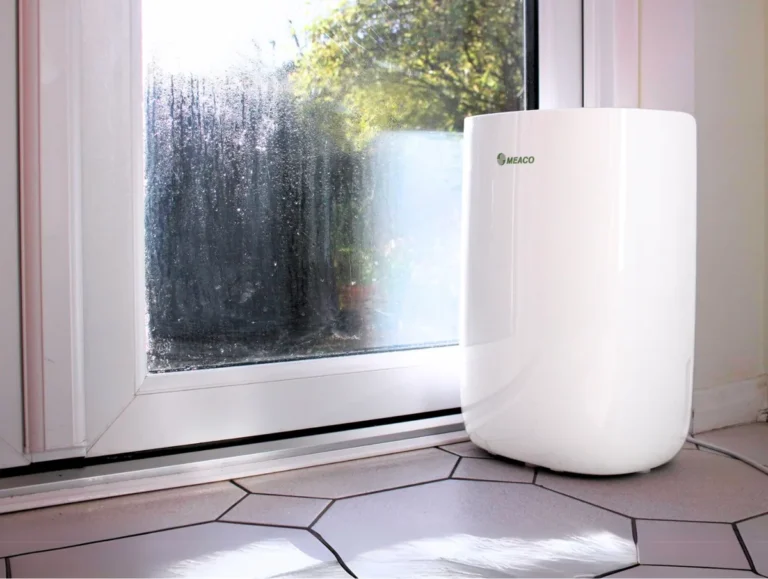
Old single-pane windows get cold in winter. That cold glass surface can drop below the dew point of the room air. Condensation forms on the glass, and the dehumidifier has to work even harder.
In that case, closing the window is essential. Modern double-glazed windows are less prone to this issue.
Dehumidifier capacity
A small 20-pint unit in a large room struggles more with outdoor air infiltration. A larger capacity model can handle more moisture load. But even a powerful machine benefits from closed windows.
Decision Branches: When to Close, When to Open
| Condition | Recommended Action | Why |
|---|---|---|
| Outdoor humidity above 50% | Close windows completely | Outdoor air adds moisture |
| Outdoor humidity below 40% | Can crack a window slightly | Dry air assists drying |
| Cold weather, single-pane windows | Close windows, consider heating the room | Cold glass causes condensation |
| Modern double-glazed windows | Close windows | Minimal condensation risk |
| Very small, airtight room | Crack a door instead of a window | Prevents airflow restriction |
| Room already feels damp or musty | Close windows, run dehumidifier longer | Sealing the room speeds recovery |
Step-by-Step: How to Dry Clothes with a Dehumidifier (Windows Closed)

Image source: Bing (Web (fair-use with source credit))
1. Set up the drying rack
Place the drying rack in the center of the room if possible. Keep it at least 12 inches from walls. Air needs to circulate around the wet clothes.
If the rack is pressed against a wall, the dehumidifier can't reach the back side of the fabric.
2. Position the dehumidifier
Put the dehumidifier near the drying rack but not directly behind it. You want the airflow to sweep across the wet clothes. If you have a smaller 20-pint model, place it closer to the rack.
For larger rooms, a more powerful basement unit handles the moisture load better.
3. Close all windows and doors
Shut the windows in the drying room. Close the door to the rest of the house. This creates a contained space where the dehumidifier can work efficiently.
If the room feels stuffy, crack the door an inch rather than opening a window.
4. Set the humidity target
Most dehumidifiers have a humidity setting dial or digital control. Set it to 40 to 50 percent relative humidity. This is the sweet spot for drying clothes quickly without over-drying the air.
The machine will run until it reaches that level, then cycle on and off as needed.
5. Turn on the dehumidifier
Let it run continuously until the clothes are dry. Check the water tank periodically. A full load of wet laundry can release 1 to 2 gallons of moisture into the air.
If your dehumidifier has a continuous drain option, use it. This saves you from emptying the tank every few hours.
6. Check the clothes periodically
Wet clothes dry from the outside in. The dehumidifier pulls moisture from the room air, and the drier air wicks moisture from the fabric. This process takes 3 to 8 hours depending on the load size, fabric type, and room conditions.
Lightweight synthetics dry faster than thick cotton towels.
Common Mistakes That Ruin Your Drying Session
Opening the window for fresh air
This is the most common mistake. People worry about stale air or think the wet smell needs to escape. The dehumidifier handles the air quality.
Opening a window just adds more moisture. The wet smell dissipates as the air dries out.
Putting the dehumidifier too close to the wall
The intake vents are usually on the front or side. If the unit is pressed against a wall, the airflow gets restricted. The machine works harder and dries slower.
Leave at least 6 inches of clearance on all sides.
Setting the humidity too high
Some people set the dehumidifier to 60 percent, thinking it's good enough. At that level, clothes dry very slowly. The room air still holds too much moisture for efficient evaporation.
Keep the target at 40 to 50 percent for a drying session.
Not cleaning the filter
A dirty filter is the number one cause of poor dehumidifier performance. It restricts airflow and forces the compressor to run longer. Clean the filter before every drying session.
A quick rinse under the tap takes 30 seconds.
Using a dehumidifier that's too small
A 20-pint unit in a large basement or open-plan living area can't keep up with the moisture load from wet laundry. The clothes will dry, but it might take 12 hours or more. Year-round options with higher capacity work better for medium-sized rooms.
For larger spaces, a 50-pint unit handles the job more efficiently.
Leaving the door wide open
If the drying room door is open to the rest of the house, the dehumidifier has to dry a much larger volume of air. The clothes still dry, but the whole house becomes the drying chamber. This wastes energy and takes longer.
Keep the door closed to contain the drying zone.
Real Scenarios: What Works in Different Homes and Climates
The right answer changes based on where you live and how your home is built. Here's how to apply the decision tree in real situations.
Cold Northern Climates
Outdoor air is cold and dry in winter. A slightly open window might seem harmless, but it lets in cold air that cools the room. The dehumidifier's compressor efficiency drops below 65°F (18°C), so drying takes longer.
Close the window and warm the room slightly instead. A small space heater balanced with the dehumidifier will speed up drying.
Hot, Humid Coastal Climates
Outdoor humidity stays above 70 percent most of the year. Opening a window even an inch invites a wall of moisture inside. The dehumidifier will run continuously without ever reaching your target.
Keep the room sealed. For an inexpensive backup, add a moisture-absorbing bucket in closets near the drying rack.
Dry Desert Climates
This is the rare exception where a cracked window helps. Outdoor relative humidity often drops below 20 percent. That dry air pulls moisture from clothes quickly.
If you open a window slightly, the dehumidifier still maintains control because the incoming air is so dry. Watch your humidity meter. If it stays under 50 percent, you're fine.
Airtight Modern Apartments vs Drafty Older Homes
Newer apartments have tight seals and mechanical ventilation. Closing the window contains the moisture completely, but you may need to crack an internal door to an adjacent room for airflow. Older homes leak air around window frames.
That natural infiltration is often enough that leaving the window fully closed still allows some air exchange.
Expert Tips for Faster, More Efficient Drying
These tips come from manufacturer specifications and aggregate reviews. They cost almost nothing and trim hours off your drying cycle.
Spin Dry First
Run a high spin cycle before hanging clothes. The dryer extracts more water than any wringer. Clothes that leave the washer at 1200 RPM hold less moisture, so the dehumidifier needs less time to finish.
Research shows this alone cuts drying time by 20 to 30 percent.
Use a Fan
Set a standard oscillating fan on low, pointed at the rack. Moving air accelerates evaporation. The dehumidifier then collects that water vapor faster.
The fan uses about 40 watts, a tiny cost compared to the dehumidifier running extra hours.
Match the Humidity Setting to the Room
Set your dehumidifier to 40 percent for a dedicated laundry space. If the room is part of your living area, keep it at 45 to 50 percent. This balances drying speed with comfort.
Choose the Right Size Unit
A 20-pint dehumidifier works for a small bedroom. For a large living area or basement, upgrade to a larger capacity machine. Undersized units cycle constantly and never let the room fully dry out.
Use Continuous Drain
Attach a garden hose to the continuous drain port if your unit supports it. Never worry about a full tank at midnight. For a setup that handles bigger loads, a 50-pint machine with a drain hose will dry clothes overnight while you sleep.
Frequently Asked Questions
Should I open the window if my dehumidifier makes the room too hot?
No. Compressor dehumidifiers release heat as a byproduct. That's normal and actually helps dry clothes in winter.
If it gets too hot, set the thermostat lower or run the machine overnight. Opening a window defeats the purpose.
Can I use a dehumidifier with the window open if it's raining?
Never. Rain brings outdoor humidity close to 100 percent. Every drop of that moisture enters the room.
The dehumidifier will work non-stop and clothes will barely dry.
How long does it take to dry clothes with a dehumidifier?
Typically 3 to 8 hours for a standard load. Light synthetic fabrics dry fastest. Heavy cotton towels can take 8 to 10 hours.
Closing windows and keeping the room warm cuts that time significantly.
Is it safe to leave the dehumidifier running overnight?
Yes. Modern dehumidifiers have thermal sensors and automatic shutoff. Set the target humidity, close the window, and let it run.
Empty the tank before bed or connect a continuous drain hose.
Do I need to open a window for ventilation?
No. The dehumidifier recirculates the room air through its filter. It removes moisture without introducing fresh outdoor air.
If the room feels stale, open an internal door to the rest of the house instead.
Final Recommendation: The Simple Rule to Remember
Close the window. That's the short version. A dehumidifier is a closed-loop machine designed to scrub moisture from the air inside a contained space.
Letting outdoor air in makes its job harder, slower, and more expensive.
The only exception is when the outdoor air is significantly drier than your room air. This mostly happens in deserts during cool months. Even then, crack the window just an inch and watch your hygrometer.
Follow the step-by-step process from earlier. Close the window. Set the humidity to 45 percent.
Position the rack centrally. Spin dry first. Do that, and your clothes will dry overnight.
The machine will also protect your windowsills from condensation and your walls from mold. That's the whole trick. If you're still deciding which unit fits, matching the right size unit to your room makes the system work even better.