Why Use a Dehumidifier
So you’re wondering why use a dehumidifier in your home. Maybe you’ve spotted condensation on the windows, caught a musty whiff in the basement, or noticed your allergies flaring up indoors. That extra moisture in the air isn’t just uncomfortable.
It’s actively damaging your home and affecting your health.
The EPA recommends keeping indoor relative humidity between 30 and 50 percent. Above that range, mold spores, dust mites, and bacteria thrive. Below it, you risk dry skin and static shocks.
Figuring out where you stand is the first step. That’s what we’ll walk through together.
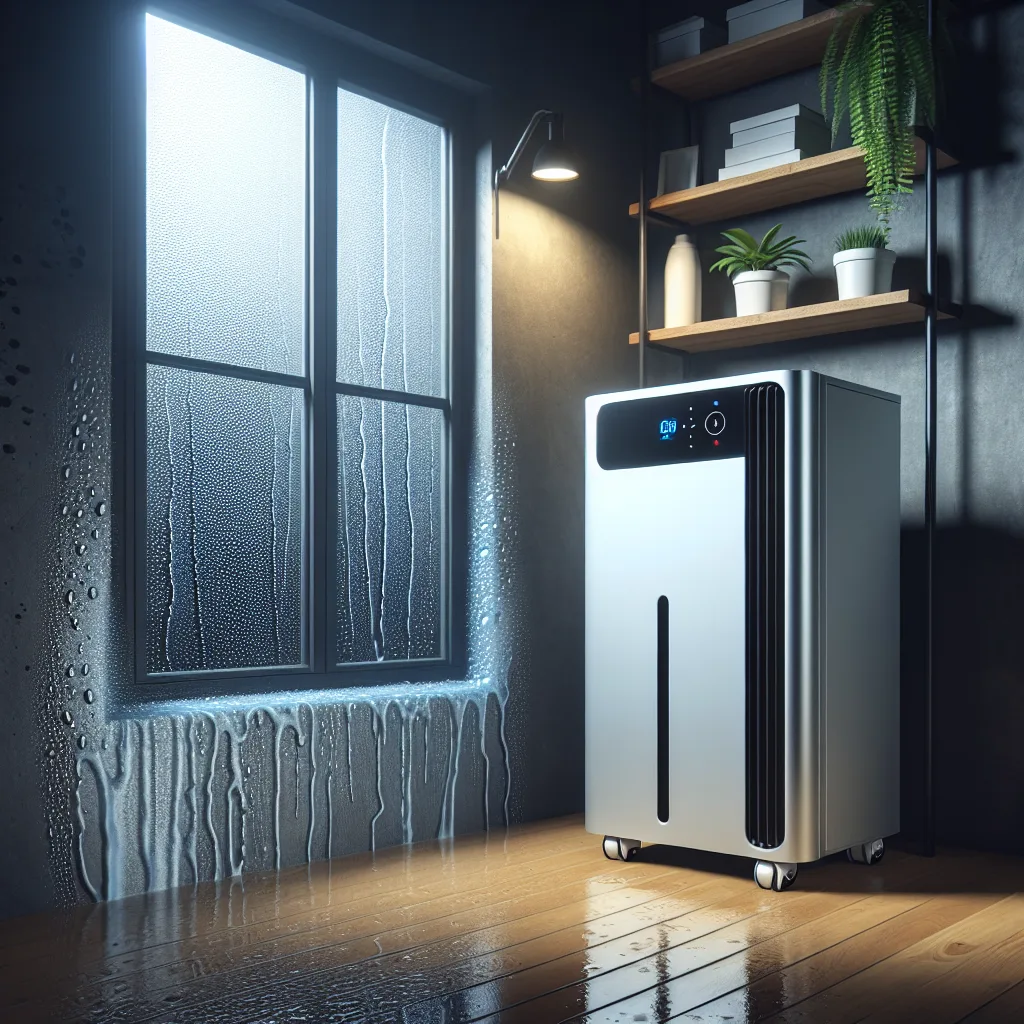
Image source: Bing (Web (fair-use with source credit))
Quick Answer
You use a dehumidifier to control indoor humidity. It prevents mold, mildew, and dust mites. It stops condensation on windows and walls.
It protects wood floors, furniture, and your health. The ideal range is 30 to 50 percent. Above that, you invite damage and allergens.
Do You Actually Have a Humidity Problem?
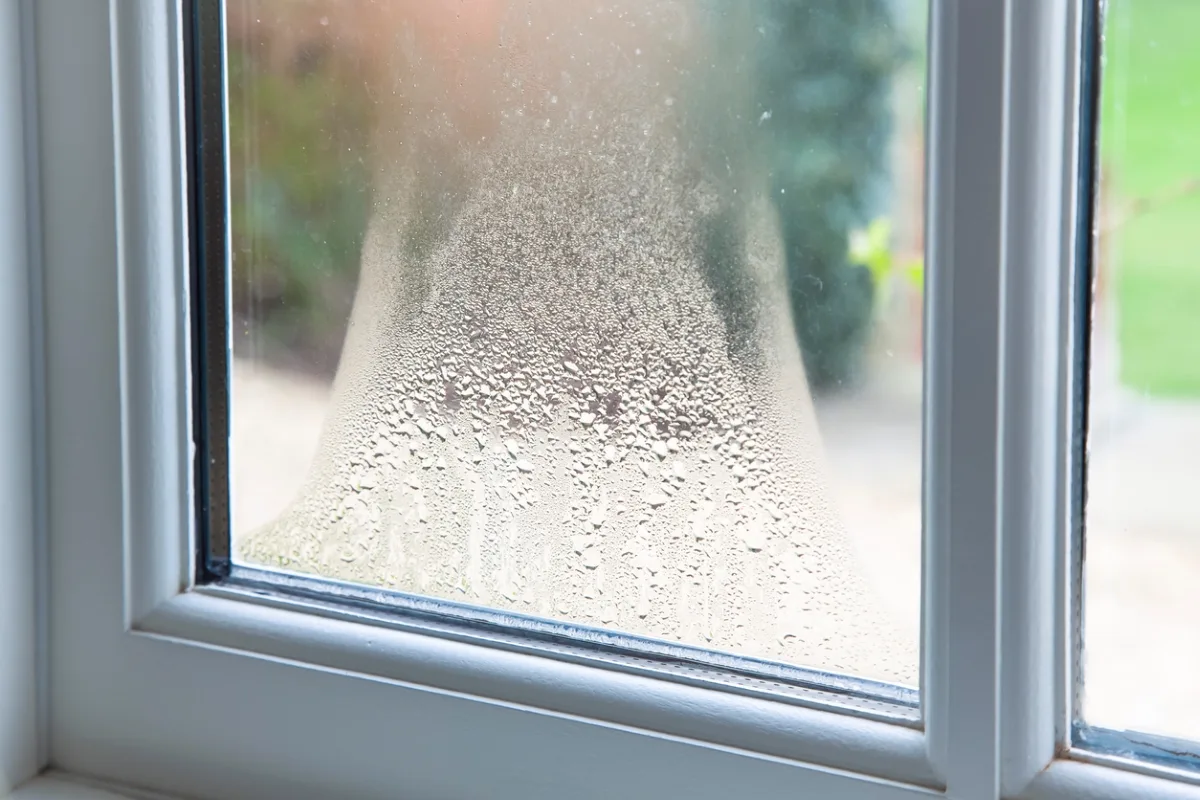
Image source: Bing (Web (fair-use with source credit))
Before you buy anything, you need to know if you actually have a humidity problem. The signs are usually obvious once you know what to look for.
Common signs of high indoor humidity:
- Condensation on windows, especially in the morning
- A musty or damp smell in basements, closets, or crawl spaces
- Visible mold or mildew on walls, ceilings, or fabrics
- Peeling paint or wallpaper
- Warped or buckled wood floors
- Allergies or asthma symptoms that get worse indoors
- Air that feels heavy and sticky
The most reliable way to check is with a hygrometer. You can find one for under $15. Place it in the room you’re most concerned about, like the basement or bedroom.
Check the reading at different times of day.
If the reading is consistently above 50 percent, you have a problem. Above 60 percent, you need to act. According to ASHRAE standards, the ideal range for comfort and health is 30 to 60 percent.
Staying under 50 percent prevents mold growth. You might only have a problem in certain months. Summer humidity is the most common culprit.
But if you live in a damp climate or have a poorly ventilated basement, the problem can be year-round.
The Decision Tree: Walk Through Your Situation Step by Step
The simplest way to decide if you need a dehumidifier is to follow a few yes/no questions.
Step 1: Measure your humidity. If it’s above 50 percent, move to the next question. If it’s below 50 percent, you probably don’t need a dehumidifier. Check for other issues like poor ventilation.
Step 2: Look for signs of damage or health issues. If you see mold, mildew, or condensation, or if you have allergy symptoms, a dehumidifier can help. If you don’t have any of these signs, the humidity might not be causing problems.
Step 3: Consider the room. Basements are the most common location for dehumidifiers because they’re cooler and more humid. If you have a finished basement, you need to protect furniture, electronics, and stored items. If you have a crawl space, a dehumidifier prevents moisture from rising into the main floor.
For larger spaces, you’ll want a unit that can keep up.
Step 4: Think about your climate. If you live in a humid region like the Southeast or Gulf Coast, you’ll likely need a dehumidifier for several months of the year. If you live in a dry climate, you might not need one at all.
Here’s a quick summary of the decision points:
| Condition | Action |
|---|---|
| Humidity above 50% | Move to next step |
| Humidity below 50% | No dehumidifier needed |
| Signs of mold or damage | Dehumidifier recommended |
| No signs | Monitor humidity |
| Finished basement | Protect contents |
| Crawl space | Prevent moisture rise |
| Humid climate | Seasonal use |
| Dry climate | Probably not needed |
If you’ve answered yes to most of these questions, you probably need a dehumidifier. The next step is choosing the right type for your space.
Choosing the Right Type: Compressor or Desiccant?
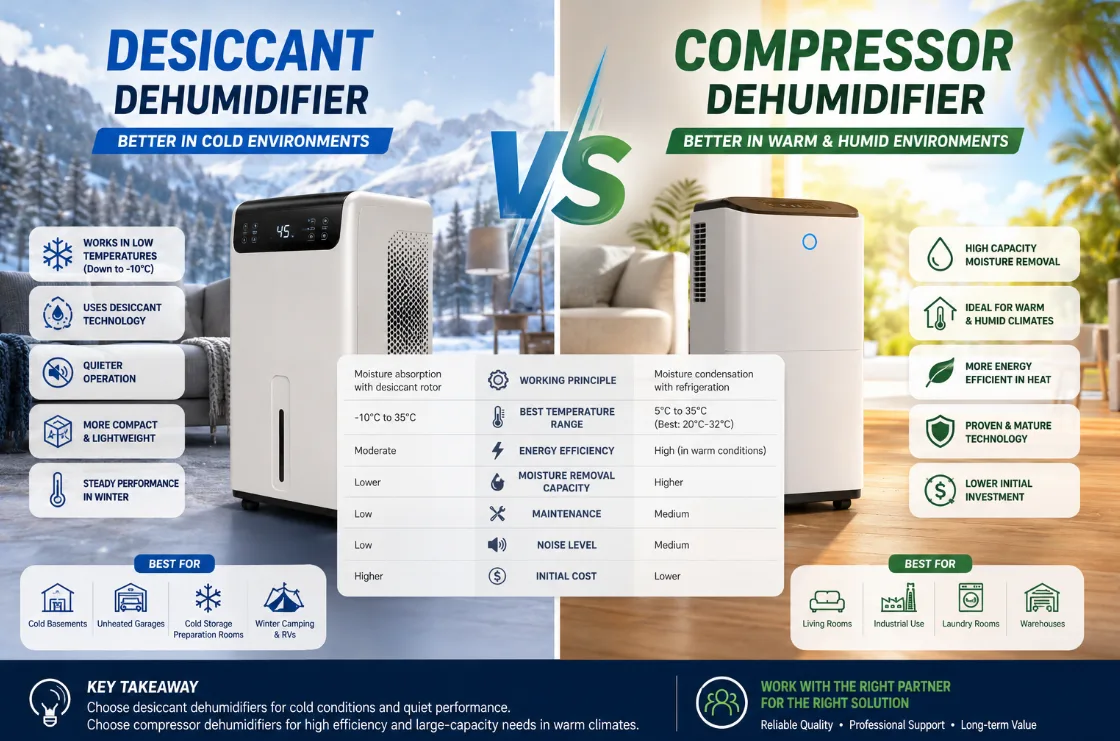
Image source: Bing (Web (fair-use with source credit))
The two main types of dehumidifiers work differently. Your choice depends on the temperature of the space you’re treating.
Compressor dehumidifiers work like air conditioners. They use a refrigerant to cool a coil, which condenses moisture from the air. They work best in warm conditions, above 65 degrees Fahrenheit.
Below that, they become less efficient and can frost over. Most homeowners choose compressor models for basements and living areas. They’re more energy-efficient in warmer rooms and move more air.
Desiccant dehumidifiers use a rotating wheel made of a moisture-absorbing material. They work well in cooler temperatures, even below 50 degrees. They’re often quieter but use more energy.
If you need to dehumidify a cold crawl space, a garage, or a seasonal property, a desiccant model is more reliable.
Here’s a side-by-side comparison:
| Feature | Compressor | Desiccant |
|---|---|---|
| Best temperature | Above 65°F | 40-85°F |
| Efficiency | Higher in warm temps | Lower overall |
| Noise | Moderate (40-55 dB) | Quieter (35-45 dB) |
| Weight | 30-50 lbs | 20-40 lbs |
| Cost | $100-$400 | $200-$500 |
| Frost risk | Yes, in cold temps | No |
If you’re putting a dehumidifier in a warm basement or a living space, a compressor model is usually the better choice. For colder spaces, a desiccant unit is more reliable. If you’re looking at higher-end models, check the specs for low-temperature operation before you buy.
Sizing and Placement: How to Get Real Results
Getting the right size dehumidifier is critical. Too small and it won’t keep up. Too large and it will cycle on and off too frequently, wasting energy and wearing out the compressor.
Dehumidifiers are rated by pints per day. The rating tells you how much moisture they remove in 24 hours.
General sizing guidelines:
- 30-pint unit: Good for small rooms or moderately damp spaces up to 500 square feet
- 50-pint unit: Covers medium rooms up to 1,000 square feet
- 70-pint unit: Handles large spaces up to 2,000 square feet
You also need to consider how damp the space is. A very wet basement might need a larger unit than the square footage suggests. If you’re dealing with a flooded basement, you’ll need a high-capacity model designed for water damage restoration.
Placement matters too. Put the dehumidifier in a central location, away from walls and furniture. Leave at least 6 to 12 inches of clearance on all sides for air circulation.
Place it on a level surface. If you’re using a continuous drain, make sure the hose runs downhill or use a pump for uphill drainage.
For basements, position the unit near the source of moisture, like a sump pump or a wall with condensation. For living spaces, place it in the room with the highest humidity reading.
When you first start running a dehumidifier, expect it to pull a lot of water. That’s normal. Over the first week, the humidity will drop.
Once it stabilizes, you’ll notice the unit runs less often. Empty the bucket regularly. A full bucket means it stops working.
If you can, use the continuous drain option to avoid emptying it by hand.
Placement tips for better results:
- Keep doors and windows closed while the unit runs
- Don’t block airflow to the unit
- Move it to the dampest room if your home has multiple problem areas
- Run it during the hottest part of the day for best efficiency
- Clean the filter every two to four weeks
For a year-round model, check our recommendations for continuous seasonal use.
Common Mistakes That Waste Money or Make Things Worse
Even with a good dehumidifier, there are plenty of ways to get poor results. Here are the mistakes we see most often.
Buying too small. A 20-pint unit in a large basement won’t keep up. You’ll run it constantly, run up your electricity bill, and still have a damp room. Oversizing slightly is better than undersizing.
Setting the humidity too low. Below 30 percent, you’re over-drying. That causes dry skin, cracked wood furniture, and static shocks. It also makes the unit run more than necessary.
Stick to the 40 to 50 percent range.
Putting it in the wrong spot. Tucking it against a wall or behind furniture blocks airflow. The unit works harder and less efficiently. Give it space.
Ignoring the filter. A clogged filter reduces airflow, makes the unit work harder, and eventually causes ice buildup on the coils. Clean it regularly.
Not addressing the root cause. A dehumidifier treats the symptom. If you have a leaky pipe, poor grading, or a missing vapor barrier, the moisture will keep coming back. Fix the source first.
Forgetting about continuous drainage. The bucket fills fast in a humid basement. If you’re not draining continuously, the unit shuts off when the bucket is full. You come back to a damp room and a full bucket.
If you’re dealing with a particularly wet basement, you might need a heavy-duty unit. We’ve covered several options for large spaces that handle those bigger jobs.
Quick Decision Guide: Should You Buy One?
Here’s the bottom line. If your hygrometer reads above 50 percent, you have a moisture problem. If you see condensation, mold, or musty smells, a dehumidifier will help.
If you live in a humid climate or have a basement, you probably need one.
If your humidity is below 50 percent, save your money. Focus on ventilation instead. The same goes for homes that are already very dry.
Adding a dehumidifier to a dry home makes conditions worse.
You should also consider what you’re protecting. Fine furniture, musical instruments, electronics, and important documents all suffer in high humidity. A dehumidifier is cheap insurance compared to replacing those items.
When to skip the dehumidifier:
- Humidity stays below 50 percent
- You live in an arid or desert climate
- The humidity problem is actually a leak or ventilation issue
We’ve reviewed plenty of specific models to help you find the right fit. Whether you need a smaller unit for a bedroom or a powerful model for the basement, we’ve got recommendations based on our research.
Maintenance and Long-Term Optimization
A dehumidifier works hard, especially in the summer months. Like any appliance, it needs regular care to keep performing. The good news is that maintenance is simple and takes about 10 minutes a month.
Monthly maintenance checklist:
- Clean the air filter with warm water and mild soap
- Dry it completely before reinstalling
- Wipe down the exterior and the bucket
- Check the drain hose for kinks or clogs
- Inspect the coils for frost or ice buildup
A clogged filter is the most common reason a dehumidifier underperforms. Restricted airflow means the coils get too cold, which causes ice to form. That ice blocks airflow even more.
The unit runs constantly but removes very little moisture.
Most filters are washable and reusable. Rinse them under running water, let them air dry, and slide them back in. If you use your unit heavily, clean the filter every two weeks instead of monthly.
At the end of the season, empty the water, clean the tank, and dry everything thoroughly. Store it in a dry place. This prevents mold from growing inside the unit over the winter.
Frequently Asked Questions
How much does a dehumidifier cost to run?
Energy costs depend on the unit and your local rates. A typical 50-pint dehumidifier uses about 500 watts per hour. Running it 12 hours a day costs roughly 15 to 30 cents daily.
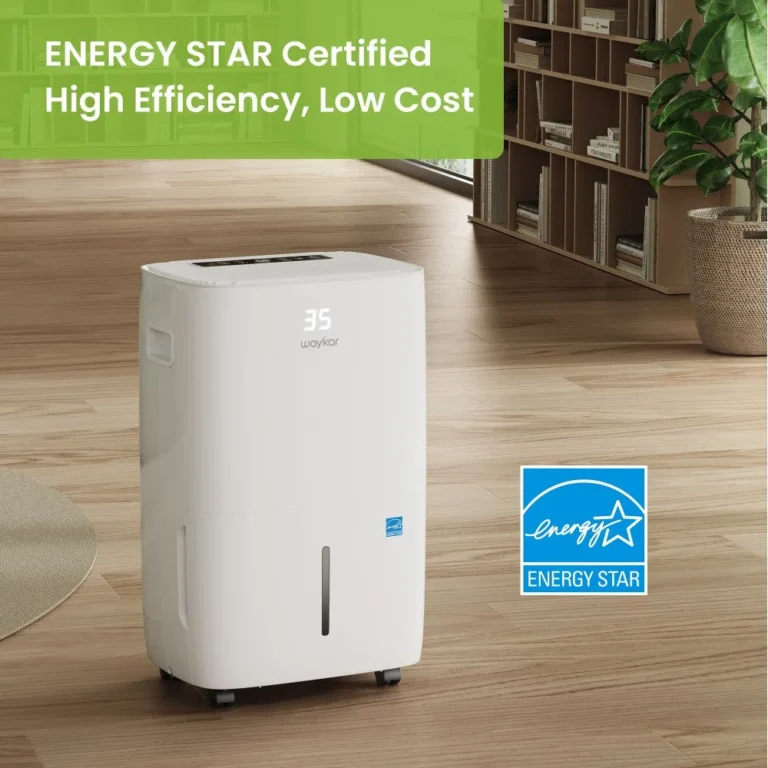
Energy Star certified models use less power and stay efficient over time.
Can I run a dehumidifier 24/7?
Yes, most models are designed for continuous operation. They have a built-in humidistat that cycles the compressor on and off. The unit runs until it hits your target humidity, then shuts off.
It restarts when the humidity rises again. This is normal and energy-efficient. Just empty the bucket regularly or use the continuous drain.
Where should I place a dehumidifier?
Place it centrally in the room, away from walls and furniture. Leave 6 to 12 inches of clearance on all sides. For basements, position it near the moisture source.
For living spaces, put it in the room where the humidity reading is highest. Keep doors and windows closed while it runs.
Can a dehumidifier help with allergies?
Yes. High humidity encourages dust mites, mold, and mildew, all common allergens. Keeping humidity between 40 and 50 percent reduces their populations.
If allergies are the main concern, combine the dehumidifier with a filter and regular cleaning. Those with asthma often notice fewer symptoms too.
How often should I empty the bucket?
That depends on the humidity level. In a very damp basement, a 50-pint unit can fill its bucket in 8 to 12 hours. In a moderately damp room, it might last two days.
Using the continuous drain option eliminates this task entirely. Check the bucket indicator daily until you learn the pattern.
Do dehumidifiers work in cold rooms?
Compressor models struggle below 65 degrees. They become inefficient and may frost over. Desiccant models work better in colder spaces.
If you’re treating a garage or unheated crawl space, choose a desiccant unit. For year-round use in cold climates, look for a model with an auto-defrost feature.
How long until I notice results?
Most people see a difference within a few hours. The air feels less sticky right away. Over the first week, condensation on windows should disappear, and musty smells should fade.
The full effect, like reducing mold or dust mite populations, takes a few weeks of consistent use.
Do I need a dehumidifier in the winter?
It depends on your climate. In cold northern regions, indoor air often gets too dry in winter. Running a dehumidifier would make it worse.
In mild, damp climates like the Pacific Northwest, winter humidity can still be high. Check your hygrometer. If it reads above 50 percent, keep running the unit.