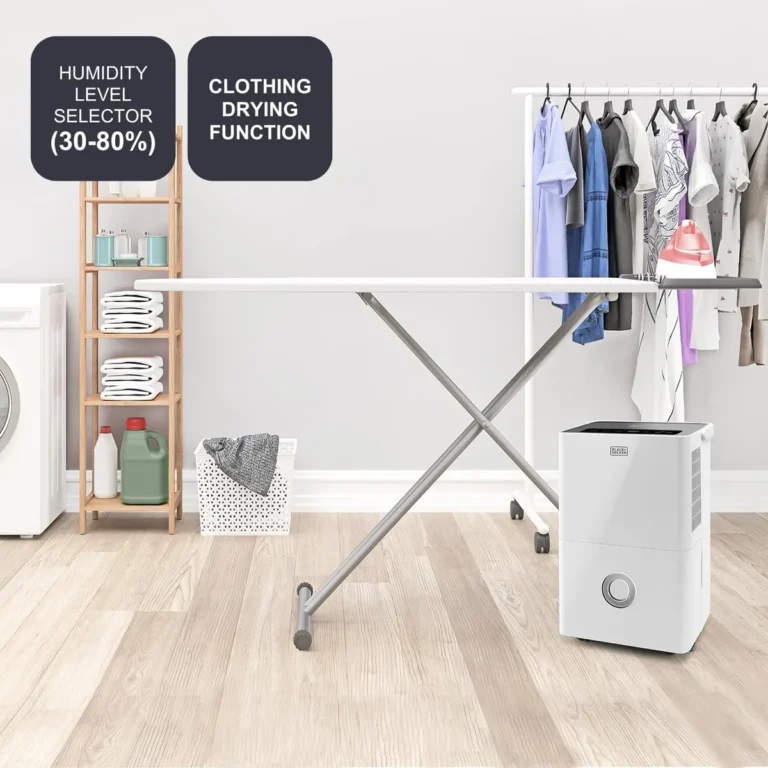
Does a Dehumidifier Increase Your Electric Bill
So you're thinking about getting a dehumidifier, or maybe you already have one humming away in the basement. Then the question hits you: does a dehumidifier increase your electric bill? The short answer is yes, it does use electricity.
But the real answer is more useful than a simple yes or no.
The actual cost depends on a few specific factors you can measure in about three minutes. Most portable dehumidifiers use between 300 and 700 watts. That's roughly the same as a mid-sized window air conditioner or a large gaming computer.
As of 2026, the average US electricity rate sits around $0.16 per kilowatt-hour. Let's walk through what that means for your wallet.
Quick Answer
Yes, a dehumidifier increases your electric bill. The increase is typically small. Most models cost between $0.05 and $0.20 per hour to run.
Running one eight hours daily adds about $10 to $40 per month. That's less than a streaming subscription for most people.
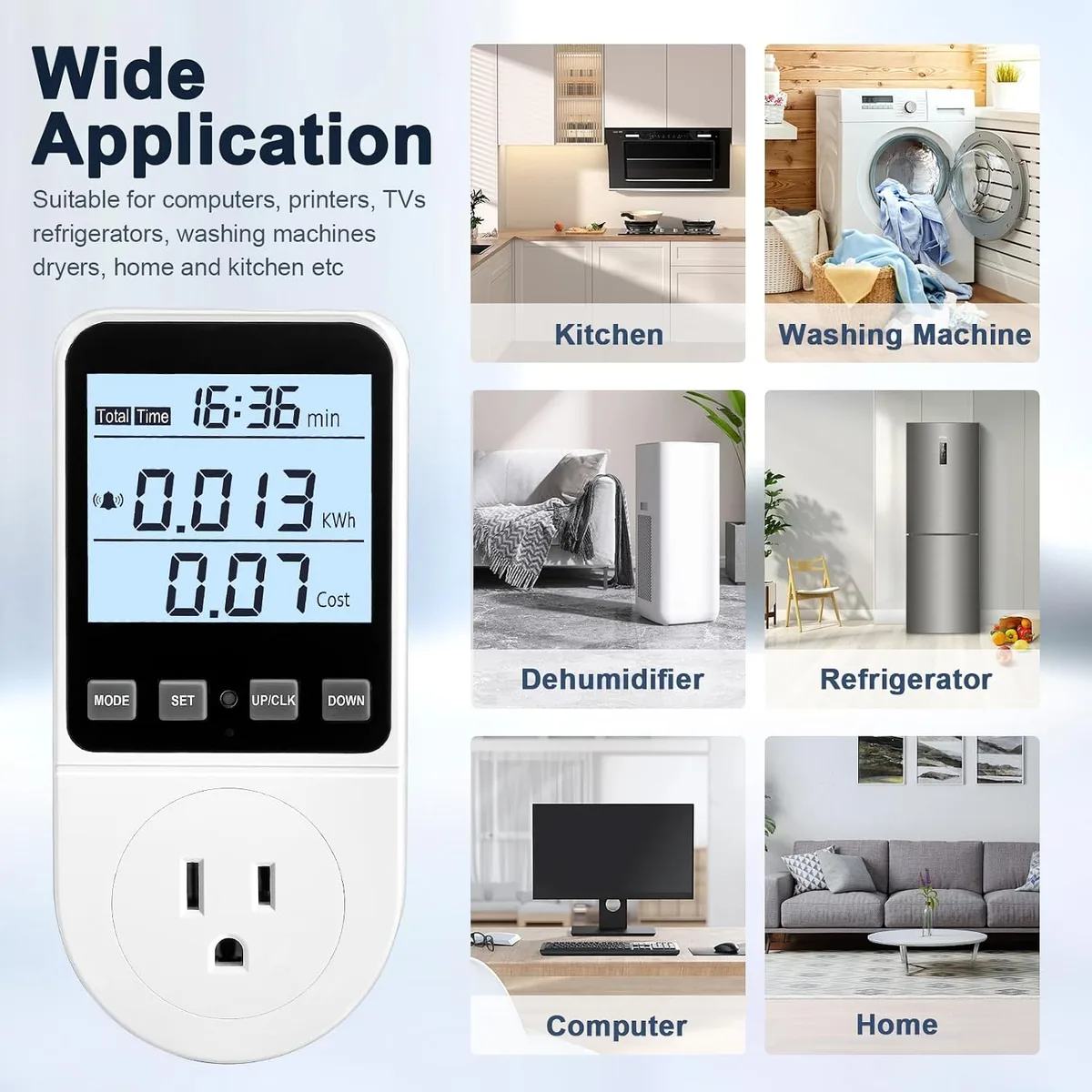
Image source: Bing (Web (fair-use with source credit))
How to Calculate Your Exact Cost (In 3 Minutes)
You don't need to guess. You can calculate your exact cost with three numbers and a calculator. Here's the process.
Step 1: Find your dehumidifier's wattage. Look on the back or bottom of the unit. You'll see a sticker with electrical specs. Find the number labeled "watts" or "W." It's usually between 300 and 700 for a portable model.
If you see amps instead, multiply amps by volts (120 in the US) to get watts.
Step 2: Estimate your daily run time. Are you running it 8 hours a day? 12? 24? Be honest here. Many people run them longer than necessary because they don't set a humidity target.
The ideal range is 45 to 50 percent relative humidity. Once the room hits that level, the unit cycles off.
Step 3: Find your electricity rate. Grab your latest utility bill. Look for the price per kilowatt-hour. It's listed as "kWh" and usually appears as a decimal like $0.12 or $0.18.
If you can't find it, call your provider. The national average is about $0.16 as of 2026, but yours could be higher or lower.
Now do the math:
(Watts ÷ 1000) × Hours per day × Rate per kWh = Daily cost
Let's run an example. A 500-watt dehumidifier running 10 hours a day at $0.16 per kWh:
(500 ÷ 1000) = 0.5 kW. 0.5 × 10 = 5 kWh per day. 5 × $0.16 = $0.80 per day.
That's about $24 per month. Here's a quick reference table for common scenarios:
| Wattage | Hours/Day | Rate/kWh | Monthly Cost |
|---|---|---|---|
| 300 W | 8 | $0.12 | $8.64 |
| 500 W | 10 | $0.16 | $24.00 |
| 700 W | 12 | $0.18 | $45.36 |
| 400 W | 24 | $0.14 | $40.32 |
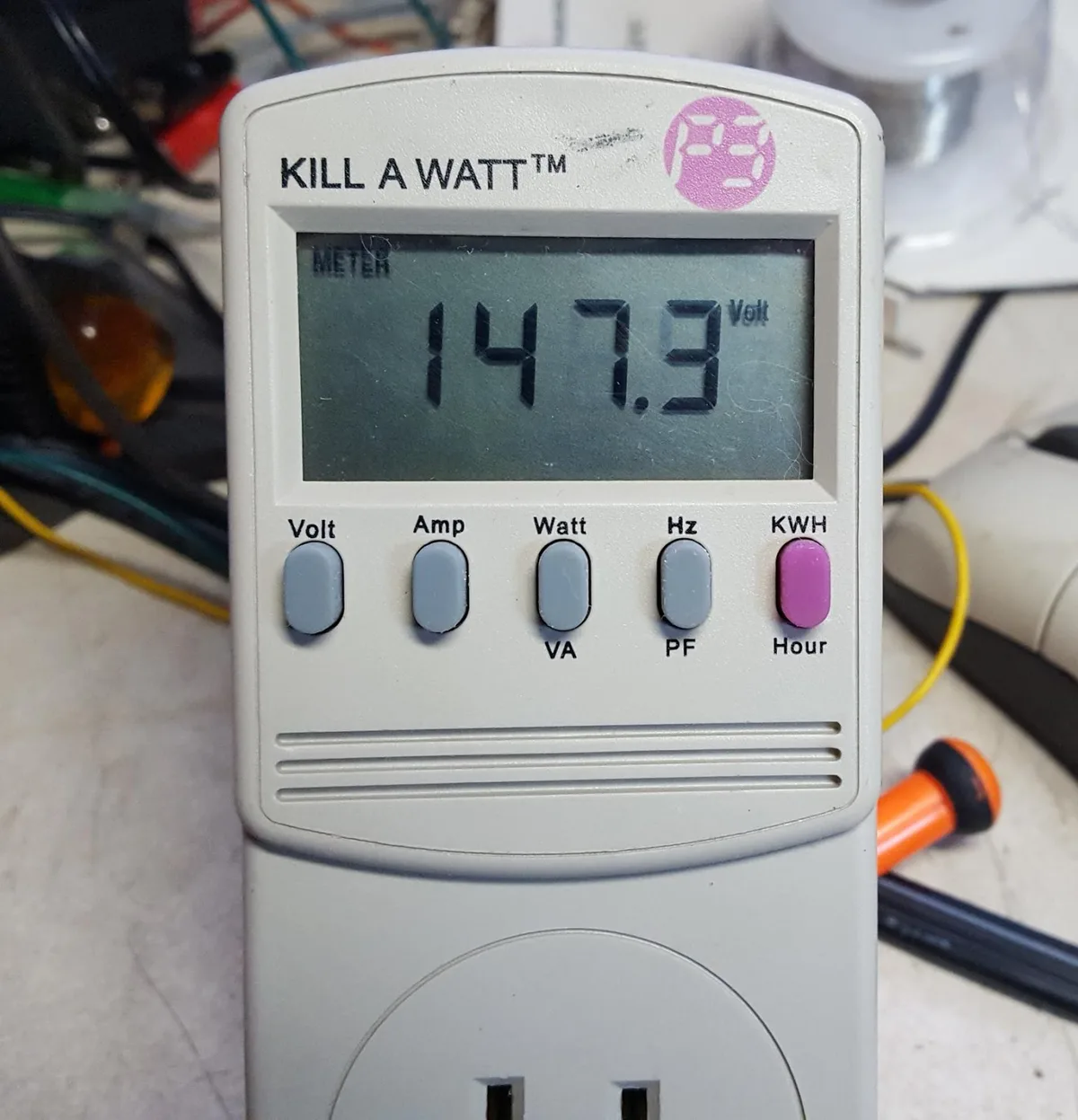
Image source: Bing (Web (fair-use with source credit))
If you want the most accurate number, buy a plug-in power meter. It costs about $20 and tells you exactly what your unit draws over a week. That removes all guesswork.
The Variables That Change Your Bill (And How to Control Them)
Not all dehumidifiers cost the same to run. Even two identical models can have wildly different electricity bills depending on how you use them. Here are the main variables.
Wattage and efficiency. Energy Star certified models use about 15 percent less electricity than non-certified units. The Energy Star program sets strict efficiency standards. A 50-pint Energy Star unit uses roughly 370 kWh per year.
A non-certified version uses about 450 kWh. That difference saves you around $13 annually at average rates.
Run time. This is the biggest variable. A unit that runs 24 hours a day costs three times more than one running 8 hours. The fix is simple: use the built-in humidistat.
Set it to 50 percent and let the unit cycle on and off automatically. You don't need it running when the room is already dry.
Room conditions. A damp basement in Florida will make your dehumidifier work much harder than a dry bedroom in Arizona. The more moisture in the air, the longer the compressor runs. Sealing cracks, using vapor barriers, and improving drainage all reduce the workload on your dehumidifier.
Less work means lower electricity use.
Temperature. Compressor dehumidifiers work best above 65°F. Below that, they lose efficiency and may need to run longer. Desiccant dehumidifiers handle cold basements better but use more electricity overall.
If your basement stays below 60°F, consider a desiccant model despite the higher energy draw.
Maintenance. A dirty filter blocks airflow. The unit has to work harder to pull in air, which increases energy consumption. Cleaning the filter every two weeks keeps efficiency high.
Common Mistakes That Drive Up Your Electric Bill
Most people overpay because of a few simple errors. Avoid these and you'll keep your bill low.
Running it 24/7 without a humidistat. This is the number one mistake. Without a target humidity level, the unit runs constantly. It never gets a break.
Set the humidistat to 50 percent. The unit shuts off when the room is dry enough.
Oversizing the unit. A dehumidifier that's too big for the space cycles on and off too frequently. Short cycling wastes energy and wears out the compressor faster. Match the unit's pint capacity to your room size.
A 30-pint unit works for a 500-square-foot basement. A 50-pint unit handles up to 1,000 square feet. Bigger is not better.
Placing it in a corner or against a wall. Dehumidifiers need airflow around them. If you push it against a wall or into a corner, it can't pull in air effectively. It runs longer to achieve the same result.
Leave at least six inches of space on all sides.
Ignoring the filter. A clogged filter is the fastest way to increase your electricity bill without realizing it. The unit has to work harder to pull air through the gunk.

Image source: Bing (Web (fair-use with source credit))
Check your filter every two weeks. Wash it with warm water and mild soap. Let it dry completely before putting it back.
A clean filter can reduce energy use by 5 to 15 percent.
Draining into a bucket instead of using continuous drain. When the bucket fills up, the unit shuts off. It stops removing humidity. When you empty the bucket and restart, it has to work harder to catch up.
Continuous drain keeps the unit running efficiently. Set it up once and forget about it.
Real Scenarios: When It Costs More vs. When It Saves Money
Here's the part most articles skip. A dehumidifier can actually lower your total electric bill in some situations. It depends on what else you're running.
Scenario A: You have a humid basement and central AC. Your air conditioner works hard to remove humidity. It runs longer cycles to pull moisture out of the air. A dehumidifier takes that load off the AC.
The AC runs less often and shorter cycles. The net result? Your combined electric bill may stay the same or even drop slightly.
The dehumidifier uses electricity, but the AC uses less. Many homeowners report a net savings of $5 to $15 per month during peak summer.
Scenario B: You run a dehumidifier in an unconditioned space. This is a basement or crawlspace with no AC. The dehumidifier is the only thing removing moisture. There's no AC to offset.
In this case, the cost is pure addition. You'll see a $10 to $40 increase depending on the space and your local rates.
Scenario C: You live in a dry climate. If your indoor humidity is already below 50 percent, a dehumidifier won't run much. It might cycle on for a few hours a week. The cost is negligible.
But if you're in a dry climate, you probably don't need one anyway.
Scenario D: You run it only during humid months. Running a dehumidifier seasonally is the most cost-effective approach. Use it from June through September. Store it the rest of the year.
Your electric bill sees a temporary bump, but your home stays comfortable and mold-free. That's a trade-off most people are happy to make.
The key takeaway is this: in humid climates with central AC, a dehumidifier often pays for itself in comfort and reduced AC wear. In unconditioned spaces, it's a straightforward cost you can budget for. Either way, the numbers are small enough that you shouldn't lose sleep over them.
How to Run a Dehumidifier Without Breaking the Bank
Start with the humidistat. Set it to 50 percent, then let the machine do its job. You'll save money without thinking about it.
Use a timer for night runs. Some people want the unit on while they sleep. A timer cuts it off after four or six hours instead of running until morning.
Clean the filter every two weeks. It keeps energy use down by up to 15 percent.
Set up continuous drainage if you can. Bucket mode forces the unit to shut off when full. Every restart means extra work.
A hose to a floor drain solves the problem permanently.
Match the unit to your space. A 30-pint unit is enough for about 500 square feet. A 50-pint unit handles 1,000 square feet.
Oversized units short-cycle and waste energy.
Buy Energy Star certified. Certified units use about 15 percent less electricity. The price difference pays for itself within a year or two.
If you're shopping, our guide to the best dehumidifiers breaks down your most efficient options. For damp basements specifically, the best dehumidifier for basement roundup is a solid starting point.
Run it seasonally. Use it when humidity is high. Put it away when the air is dry.
There's no point paying to remove moisture that isn't there.
Track your usage. A plug-in power meter tells you exactly what you're spending. You'll know quickly if your habits need adjustment.
Frequently Asked Questions
How much does a dehumidifier cost to run per month?
Most portable units cost between $10 and $40 per month. The final number depends on wattage, run time, and your electricity rate. A typical 500-watt unit running eight hours daily at $0.16 per kWh costs about $19 per month.
Will a dehumidifier use a lot of electricity?
Usually not, compared to other appliances. A dehumidifier draws 300 to 700 watts. That's less than a hairdryer, a microwave, or a space heater.
Most run well under the average home's daily electricity use.
Can a dehumidifier lower your electric bill?
Yes, in some cases. In a humid home with central AC, the dehumidifier reduces the AC's workload. The AC runs less often, which can offset the dehumidifier's energy use.
Net savings of $5 to $15 per month are common in humid climates.
How many watts does a dehumidifier use?
A portable dehumidifier uses between 300 and 700 watts while running. Whole-house units can draw 800 to 1,500 watts. The exact number is printed on the manufacturer's label, usually on the back or side of the unit.
Should I run my dehumidifier at night?
It depends on your home. If nighttime humidity stays above 50 percent, yes. If not, a timer is smarter.
Run it for four to six hours before bed, then let it shut off. That's enough to keep the air comfortable without wasting electricity.