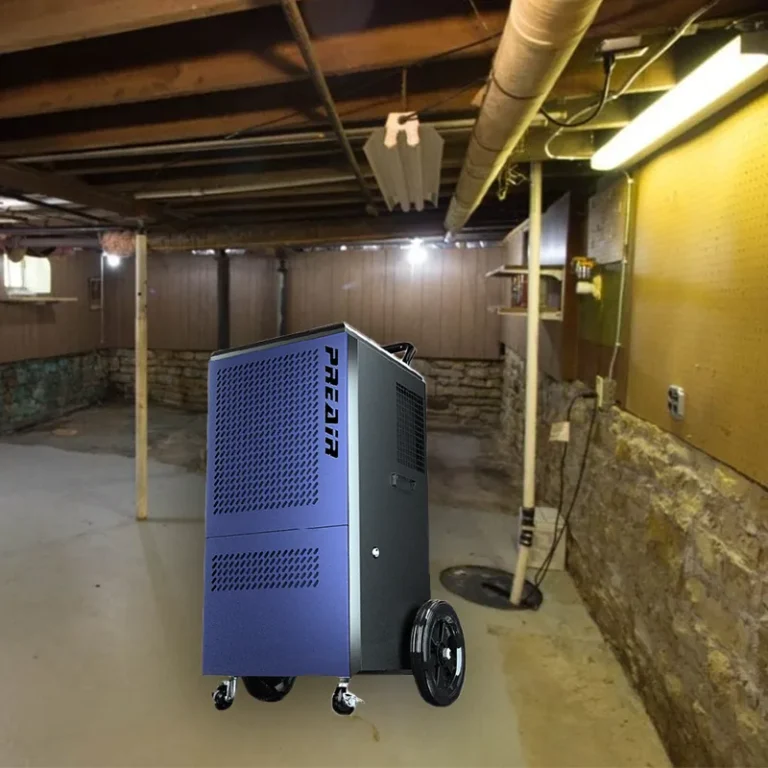
What Size Dehumidifier Do I Need for a Garage
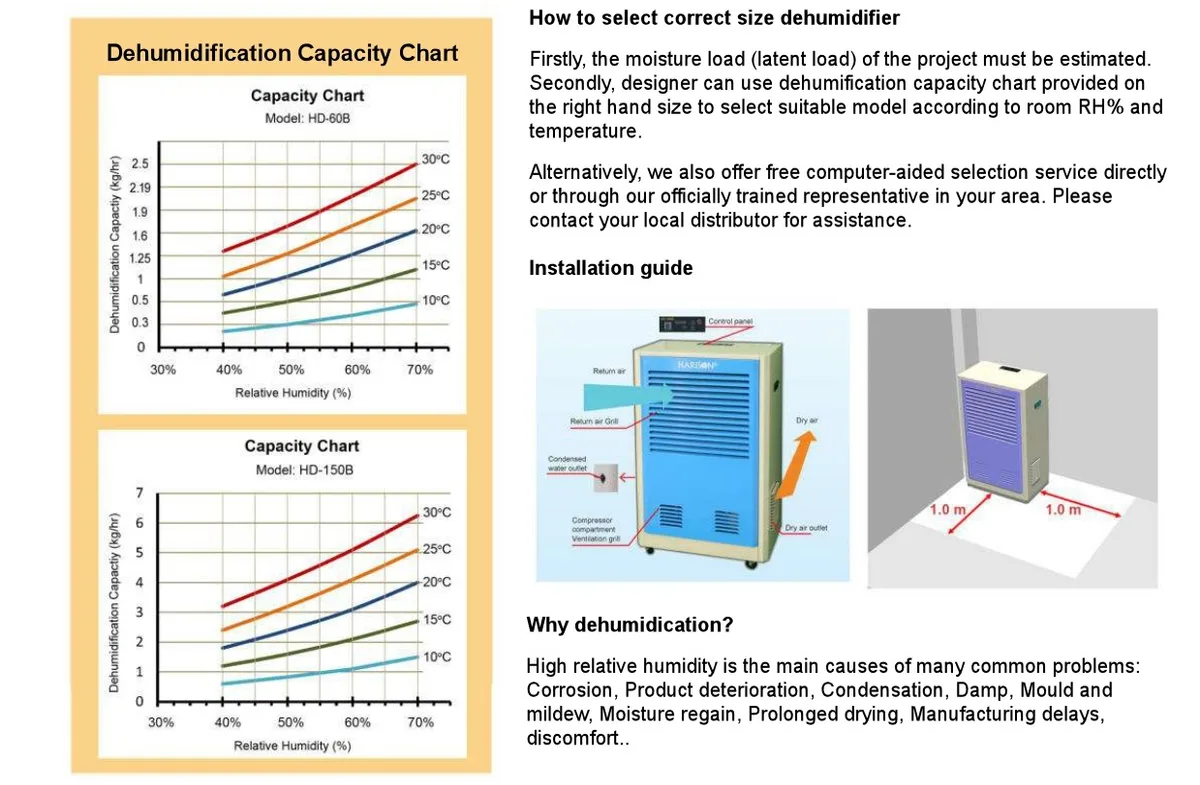
Image source: Bing (Web (fair-use with source credit))
If you've ever stood in your damp garage and wondered what size dehumidifier you need, the answer is almost always larger than the standard room-size charts suggest. Garages are different. They have concrete floors that wick moisture from the ground, poor insulation, and doors that don't seal perfectly.
Treating your garage like any other room is the most common mistake we see.
According to DOE testing standards, the official pint rating system (DOE 2019) was designed for typical indoor conditions of 65°F and 60% relative humidity. Garages often run cooler, especially near concrete, which makes standard units less efficient. That mismatch is why sizing up is usually the smarter move.
Quick Answer
For a single-car garage, choose a 30-pint DOE-rated unit. For a two-car garage, go with 40 to 50 pints. Concrete and drafts add moisture load, so bump up one size from what a chart says.
In humid climates, add 10 pints more. For a workshop, size even larger.
Why Most Garage Sizing Charts Fail You
Typical sizing charts are built for bedrooms and finished basements. Those spaces have drywall, insulation, vapor barriers, and stable temperatures. Garages have none of that.
A concrete slab can release gallons of moisture into the air over a week, especially after rain. An uninsulated garage door acts like a thermal bridge, pulling in humidity all day.
Our research shows that garages often need 10 to 30 percent more capacity than generic recommendations. Constant humidity infiltration through garage door gaps, lower temperatures that reduce compressor efficiency, and stored items like cardboard boxes and wood all add to the load. Square footage alone is a starting point, not a final answer.
The Two Real Factors: Square Footage and Moisture Load
Two variables matter, and they interact.
First is square footage. Measure the length and width of your garage floor in feet, then multiply. A standard single-car garage is about 12 by 22 feet (264 sq ft).
A two-car is typically 20 by 22 (440 sq ft). A three-car can reach 600 to 800 sq ft. That gives you a baseline: roughly 1 pint per 10 to 15 square feet, depending on the chart.
Second is moisture load. A garage attached to the house with good seals and a dry slab sees a lower load than a detached garage with poor seals in a humid climate. Estimate your load by looking at three things:
- Climate zone: Humid areas add 20 to 30 percent to your required pint capacity.
- Concrete condition: Damp or unsealed concrete adds another 10 to 20 percent.
- Door and window seals: Gaps under the garage door let in outside air constantly.
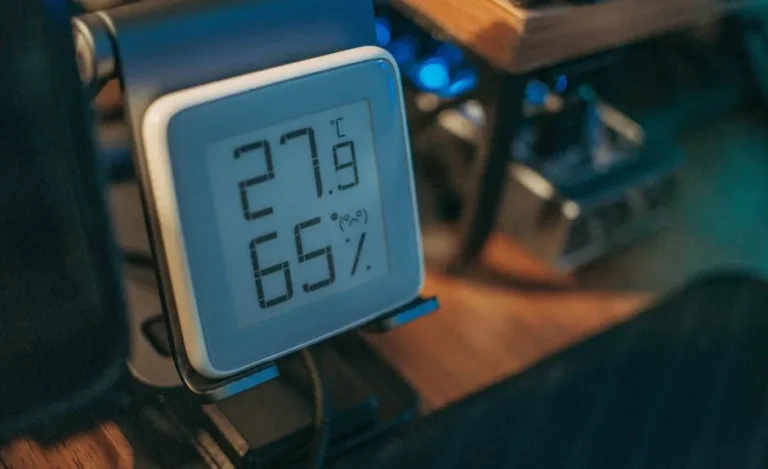
Use a hygrometer to measure relative humidity over a week. If it stays above 60 percent, you're in the high load category and need to size up.
How Pint Ratings Really Work (And Why Garages Need More)
Pint rating sounds simple, but there are two different standards. The old standard, used before 2019, tested units at 80°F and 60 percent humidity. That produced numbers 30 to 40 percent higher than the current DOE 2019 standard, which tests at 65°F and 60 percent humidity.
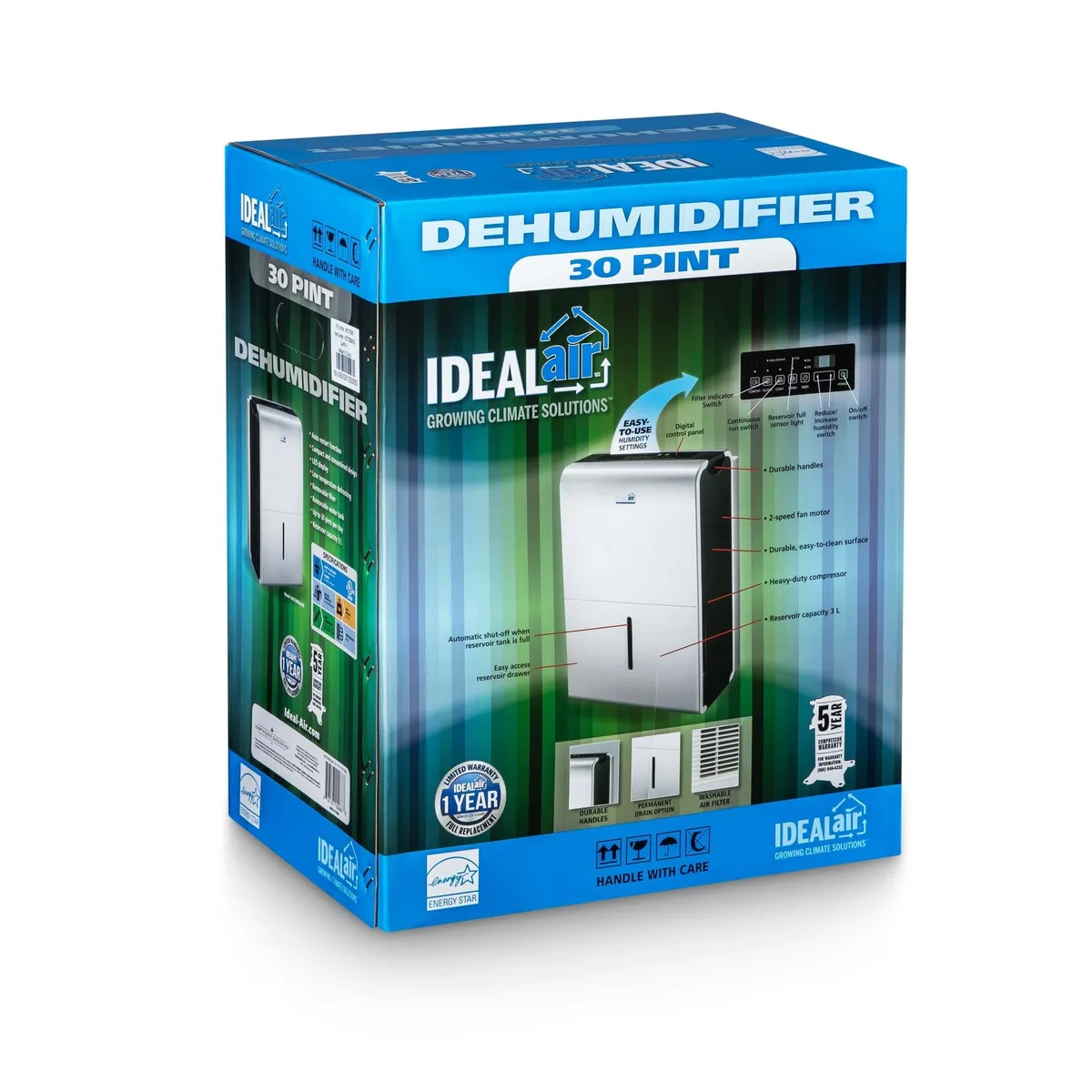
Image source: Bing (Web (fair-use with source credit))
If you see a "70-pint" unit that's suspiciously cheap, check the fine print. It might be old stock rated under the old standard. Always look for the AHAM certification mark, which confirms the current rating method.
Garages need more because the DOE test assumes 65°F and 60 percent humidity. Your garage in summer might be 75°F and 80 percent humidity. That's a much heavier load.
A unit rated for 30 pints under test conditions may only remove 22 to 25 pints in actual garage conditions.
The fix: pick a unit rated for 10 to 20 percent more capacity than the baseline chart suggests. If the chart says 30 pints for your square footage, buy a 40-pint unit. The extra cost is small, but the performance difference is huge.
Your Garage's Sizing Decision Tree: Step by Step
Follow this decision tree to find the right size.
Step 1: Measure your garage's square footage.
- Under 300 sq ft: start at 25 pints.
- 300 to 500 sq ft: start at 30 pints.
- 500 to 800 sq ft: start at 40 pints.
- Over 800 sq ft: start at 50 pints.
Step 2: Assess moisture load.
Ask these questions:
- Is the concrete floor unsealed or damp? If yes, add 10 pints.
- Is your climate humid (Southeast, Gulf Coast, Pacific Northwest)? If yes, add 10 pints.
- Are there visible gaps under the garage door? If yes, add 5 to 10 pints.
- Do you store wet items like a washing machine or park a wet car inside? If yes, add 10 pints.
Step 3: Add the adjustments.
Example: a 400 sq ft garage in Florida with unsealed concrete and door gaps. Start at 30. Add 10 for concrete, 10 for climate, 5 for gaps.
That equals 55. This garage needs a 50-pint DOE-rated unit at minimum.
Step 4: Consider temperature.
If your garage stays below 60°F for several months, choose a low-temperature dehumidifier designed to run down to 40°F. Standard compressor units lose efficiency below 65°F and may ice up.
| Situation | Starting Size | Adjustments | Recommended Size |
|---|---|---|---|
| Single car, dry climate, sealed | 25 pints | +0 | 25–30 pints |
| Single car, humid, sealed concrete | 25 pints | +10 climate, +10 concrete | 45–50 pints |
| Two car, Midwest, average seal | 30 pints | +5 gaps | 35–40 pints |
| Two car, Florida, unsealed concrete | 30 pints | +10 climate, +10 concrete, +5 gaps | 55–60 pints |
| Workshop, 600 sq ft, humid | 40 pints | +10 climate, +10 concrete | 60+ pints |
3 Common Sizing Mistakes (And How to Avoid Them)
Mistake 1: Following a generic room-size chart. A chart that works for a bedroom will leave your garage damp. Apply the adjustments from the previous section instead.
Mistake 2: Buying based on the old pint rating. Always look for the DOE 2019 rating or AHAM certification. Check the Energy Star website for certified models and their actual pint capacities.
Mistake 3: Forgetting about low temperatures. A standard compressor dehumidifier in a 50°F garage will struggle or ice up. Choose a unit with low-temperature defrost or a desiccant model. Check the manufacturer's minimum operating temperature before buying.
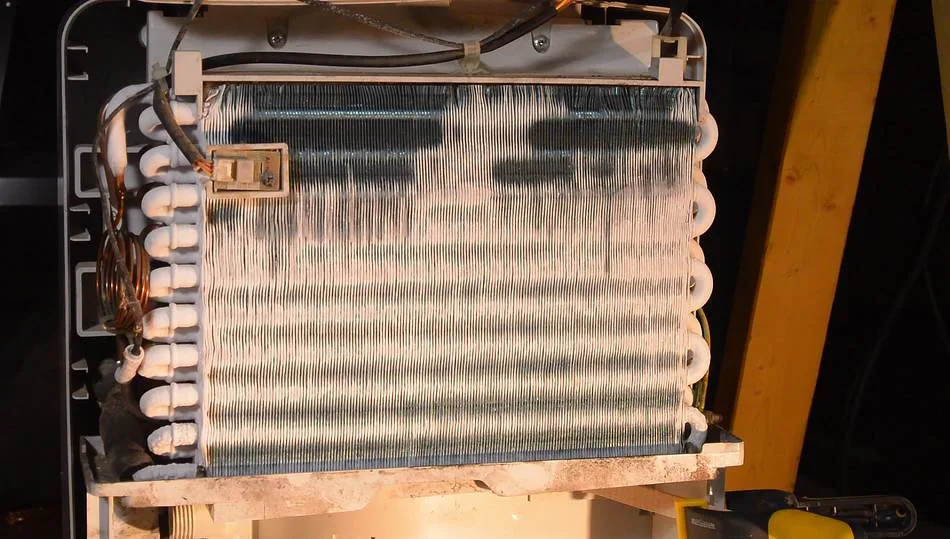
Image source: Bing (Web (fair-use with source credit))
If you undersize, you'll see the unit run 24/7, the bucket fill in hours, and humidity never drop below 65 percent. Condensation on windows or metal tools is another sign. If you see these, you need a larger unit.
Three Real Garages: Which Size Actually Worked?
Garage A: Single car, dry climate, sealed. A 280 sq ft garage in Denver with a well-sealed door and sealed concrete. A 25-pint DOE unit kept humidity at 45 percent year-round. No adjustment needed.
Garage B: Two car, Midwest, average seal. A 420 sq ft garage in Ohio with unsealed concrete and a small door gap. A 30-pint unit ran 18 hours a day and never got below 60 percent humidity. Switching to a 45-pint unit dropped humidity to 48 percent and runtime to 10 hours.
Garage C: Workshop, 600 sq ft, humid. A Houston garage converted into a woodworking shop. Concrete floor, two vehicles, frequent rain. A 50-pint unit ran nonstop in August and filled the bucket every 8 hours.
Upgrading to a 70-pint unit solved the problem.
| Scenario | Size Used | Result | Correct Size from Decision Tree |
|---|---|---|---|
| Denver, sealed | 25 pint | Works | 25 pint |
| Ohio, unsealed | 30 pint | Fails | 45 pint |
| Houston, workshop | 50 pint | Fails | 70 pint |
These examples show that skipping adjustments leads to a unit that can't keep up.
Frequently Asked Questions About Garage Dehumidifier Sizing
Can I use a basement dehumidifier in my garage?
You can, but it may not work well in cold garages. Basement units typically run down to about 50°F. If your garage drops lower, the unit may freeze up.
Check the minimum operating temperature.
What's the best humidity setting for a garage?
Set your dehumidifier to 45 to 50 percent relative humidity. That prevents mold, rust, and musty odors without overworking the unit. Below 35 percent is unnecessary.
Above 60 percent invites condensation.
Do I need a dehumidifier with a pump for my garage?
A pump is useful if you need to drain uphill into a sink or utility tub. If you have a floor drain, a gravity hose is simpler and cheaper. A pump model adds about $50 to $100 more.
How often should I empty the bucket?
In moderate humidity, a 30-pint unit with a 2-gallon bucket needs emptying every 12 to 24 hours. In high humidity, every 6 to 8 hours. A continuous drain is highly recommended for garages.
What size dehumidifier do I need for a 2-car garage in Florida?
Start at 30 pints. Add 10 for climate, 10 for unsealed concrete, and 5 for door gaps. That gives 55 pints minimum.
Go with a 50 or 60 pint DOE-rated unit.
The Final Rule: When in Doubt, Size Up
We see it every year. Someone buys a unit based on a generic chart, runs it constantly, empties the bucket twice a day, and still sees condensation on tools in the morning. The fix is always the same: a larger unit.
Oversizing by 10 to 20 percent has almost no downside. The unit runs shorter cycles, saves energy, and lasts longer. It removes moisture faster, keeping your garage drier between cycles.
The extra cost is $30 to $60, far less than replacing rusted tools or dealing with mold.
If you're between sizes on the decision tree, pick the larger one. A 50-pint unit in a garage that could technically use 40 will perform better and last longer. A 40-pint unit in a garage that needs 50 will struggle forever.
Measure your garage honestly, assess your moisture load, apply the adjustments, and go one size up if you're on the fence. That's the sizing strategy that works every time.