Can You Use a Regular Dehumidifier in a Crawl Space
You hear that question a lot: can you use a regular dehumidifier in a crawl space? It makes sense. You already own one, or you can grab a standard portable unit for a fraction of the cost of a purpose-built model.
And you want to keep that musty smell and moisture under control without spending a fortune.
But here's the thing. A crawl space is not a living room. Per EPA guidelines, indoor humidity should stay between 30 and 50 percent to prevent mold growth and structural damage.
A crawl space environment differs from a finished basement or bedroom. That difference changes whether a standard portable dehumidifier can handle the job safely. Let's walk through exactly what you're dealing with.
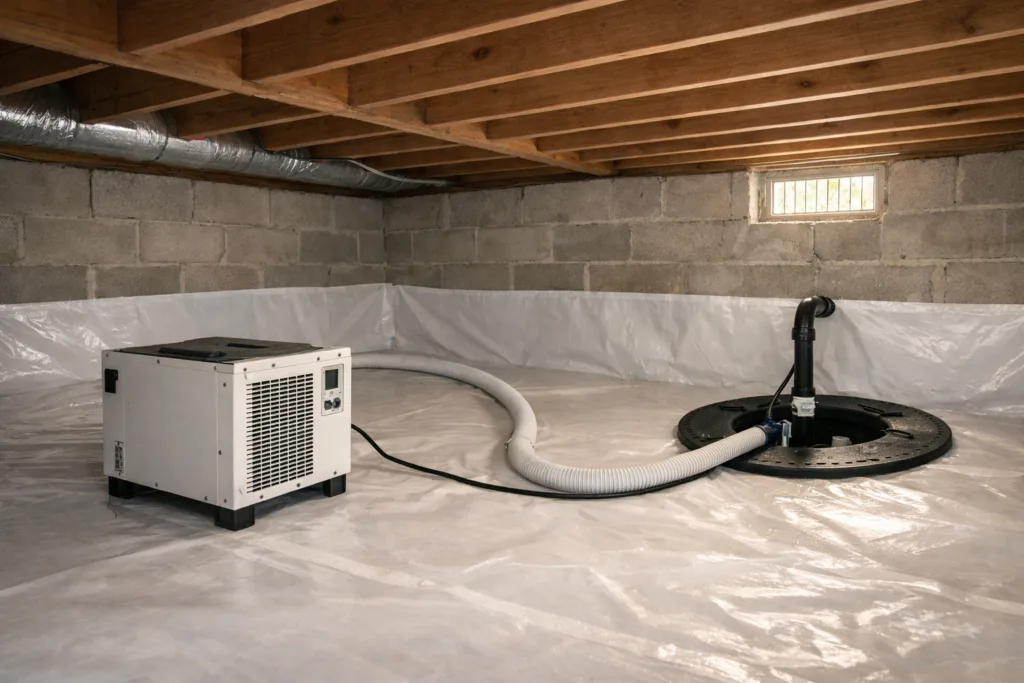
Image source: Bing (Web (fair-use with source credit))
Quick Answer: The Short Version
Yes, you can use a regular dehumidifier in a crawl space. But it only works safely under specific conditions. The space must be fully encapsulated.
The unit needs a continuous drain to a proper outlet. And you need a GFCI-protected electrical outlet. A standard portable unit won't cut it in a vented, cold, or damp crawl space on its own.
What a Regular Dehumidifier Can and Can't Do in a Crawl Space
A regular portable dehumidifier is designed for living spaces. It expects stable temperatures, low dust levels, and easy access for emptying. A crawl space offers none of those things.
What it can do: remove moisture from the air. If you place a properly sized unit in an encapsulated crawl space, it will pull water out of the air. That reduces humidity, prevents mold, and stops musty odors from rising into your home.
For many homeowners, that's exactly what they need.
What it can't do: handle extreme conditions. Standard units use a compressor and refrigerant coils. Those coils freeze up when temperatures drop below 65 degrees.
Most crawl spaces sit well below that for months at a time. The unit then cycles on and off without actually removing moisture.
| What It Can Do | What It Can't Do |
|---|---|
| Reduce humidity in encapsulated spaces | Handle temperatures below 65°F |
| Pull moisture from the air continuously | Self-drain without a gravity line or pump |
| Prevent mold when properly set up | Filter out heavy dust and debris |
| Remove musty odors from the home | Operate safely in a vented crawl space |
Standard units also lack the filtration needed for crawl space environments. The evaporator coils are tightly packed. Dust, dirt, and debris from the crawl space accumulate on those coils.
This restricts airflow, reduces efficiency, and creates a fire risk. Even a unit built for extended operation will struggle with the constant dust load.
The bottom line is that a regular dehumidifier can work in a crawl space. But it's working in conditions it was never designed for. You're asking a living room appliance to do a job meant for industrial equipment.
When It Might Work (and When It Definitely Won't)
This is where conditions matter. The answer changes based on your specific crawl space setup. There's no universal yes or no here.
It might work if your crawl space is fully encapsulated. That means a vapor barrier on the floor, sealed vents, and insulated walls. The space should be relatively clean and dry.
You need access to a GFCI outlet. And the temperature should stay above 65 degrees year-round.
- Full encapsulation with vapor barrier
- Sealed vents and insulated walls
- Temperature consistently above 65°F
- GFCI outlet within reach
- Continuous drain hose to a proper outlet
It definitely won't work if your crawl space is vented to the outside. A vented space pulls in humid outdoor air constantly. Your dehumidifier will run nonstop and never catch up.
You'll burn through electricity and wear out the compressor in a year or two.
- Vented crawl space design
- Standing water or active leaks
- Dirt floor without vapor barrier
- Temperatures below 55°F for extended periods
- No access for regular maintenance
The size of your crawl space matters too. A standard 50-pint unit might cover 1,500 square feet in a basement. But in a crawl space with poor airflow, it struggles to cover half that.
You may need a larger-capacity model or multiple units.
Climate is another factor. In humid southern climates, a regular dehumidifier faces a losing battle. The outdoor air is constantly feeding moisture into the space.
In drier northern climates, it might work fine for a few months of the year. But you still need to remove it during winter when temperatures drop below freezing.
The Real Risks: Fire, Shock, and Mold You Didn't Expect
Using a regular dehumidifier in a crawl space isn't just about effectiveness. It's about safety. There are three major risks you need to understand before plugging anything in.
Fire risk is the most serious. The evaporator coils inside a dehumidifier are tightly spaced. Dust and lint from the crawl space accumulate on those coils over time.
The compressor generates heat. That combination can ignite the dust buildup. The National Fire Protection Association publishes guidance on appliance safety in dusty environments.
This isn't a theoretical concern. It's a documented risk that manufacturers explicitly warn about.
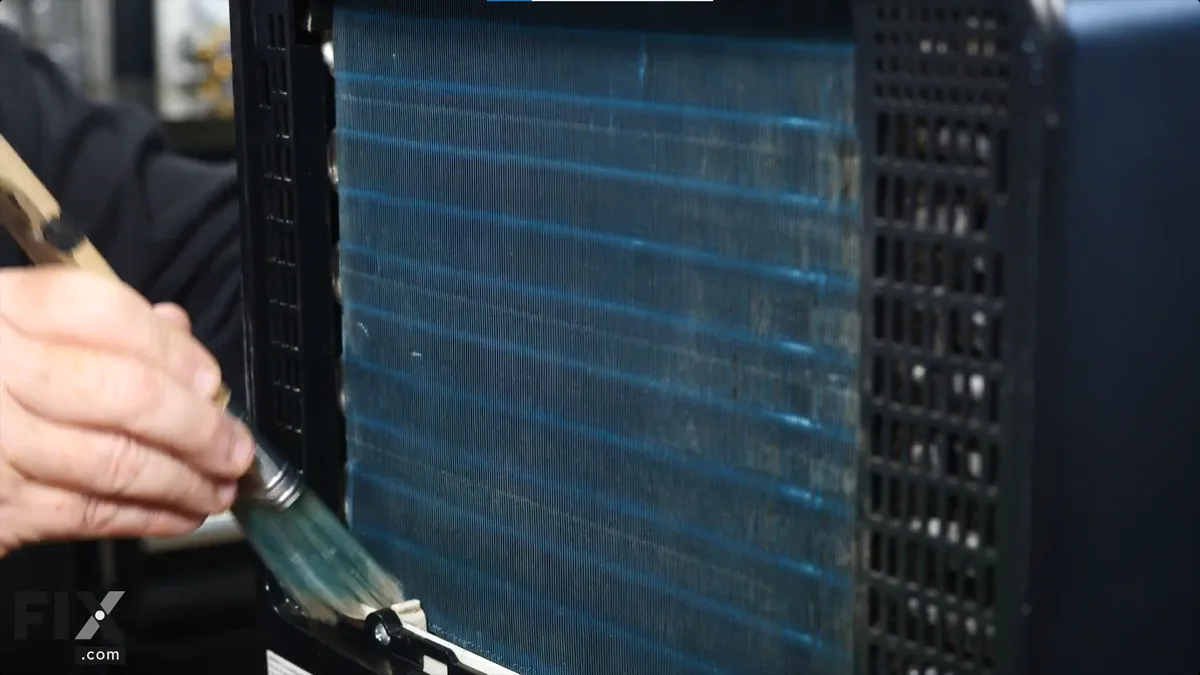
Image source: Bing (Web (fair-use with source credit))
Electrical shock is another major concern. Crawl spaces are damp by nature. Water can pool on the floor.
A standard dehumidifier plugs into a 120-volt outlet. If that outlet isn't GFCI protected, you're one short circuit away from a serious shock hazard. The National Electrical Code requires GFCI protection for all outlets in crawl spaces for exactly this reason.
Running an extension cord into the space is an even bigger problem.
Mold growth is the hidden risk. If you use a regular dehumidifier that can't keep up, the humidity stays high. That creates the perfect environment for mold.
There's another problem too. If the unit cycles on and off due to cold temperatures, the moisture pulled from the air can sit inside the unit. That leads to mold growth inside the dehumidifier itself.
Then it blows mold spores back into your crawl space. You're paying to make the problem worse.
These aren't hypothetical concerns. The EPA's mold and moisture guidance specifically addresses using proper equipment for moisture control. A regular dehumidifier in the wrong conditions can create more problems than it solves.
How to Do It Safely (If You Decide to Try)
If you've weighed the risks and still want to try a regular dehumidifier, there's a right way to do it. Follow these steps to minimize the dangers. This isn't a shortcut.
It's damage control.
Step 1: Encapsulate your crawl space first. This is non-negotiable. You need a vapor barrier on the floor. Seal all vents.
Insulate the walls. Without encapsulation, a regular dehumidifier is fighting a losing battle. The outdoor air will keep feeding moisture in faster than the unit can pull it out.
Step 2: Choose the right unit. Look for a model with a continuous drain option. Avoid units that require manual bucket emptying. You want a model with an auto-defrost feature.
A larger unit, like a 70-pint model, is usually better for crawl space conditions. The best value for your situation often comes from a value-oriented model that balances capacity and energy efficiency.
Step 3: Set up proper drainage. Route the drain hose to a floor drain, sump pump, or exterior daylight drain. Use a standard garden hose connection. Make sure the hose runs downhill without any low spots.
Test the drainage before leaving the unit unattended. A clogged drain line will overflow the bucket and flood your crawl space.
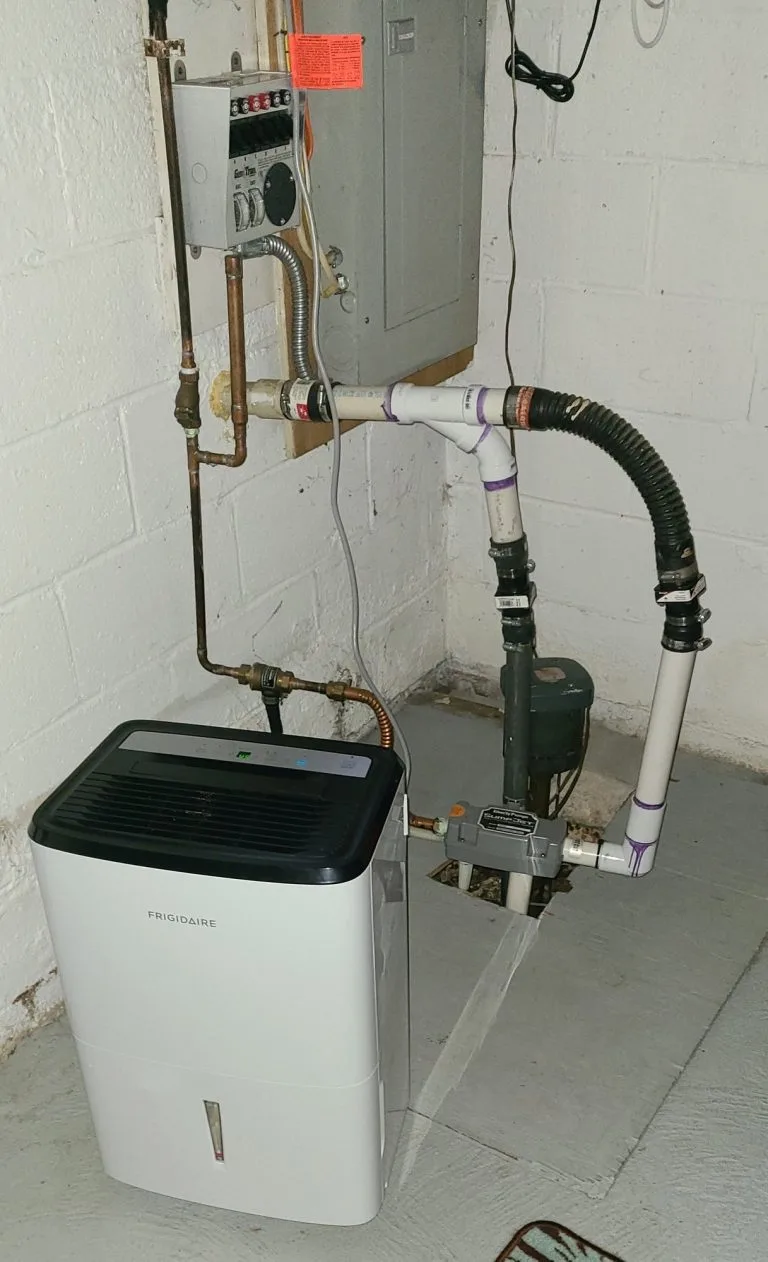
Image source: Bing (Web (fair-use with source credit))
Step 4: Use a GFCI outlet. If your crawl space doesn't have one, hire an electrician to install one. This is a safety requirement, not a suggestion. Never use an extension cord.
The voltage drop and trip hazard make it dangerous.
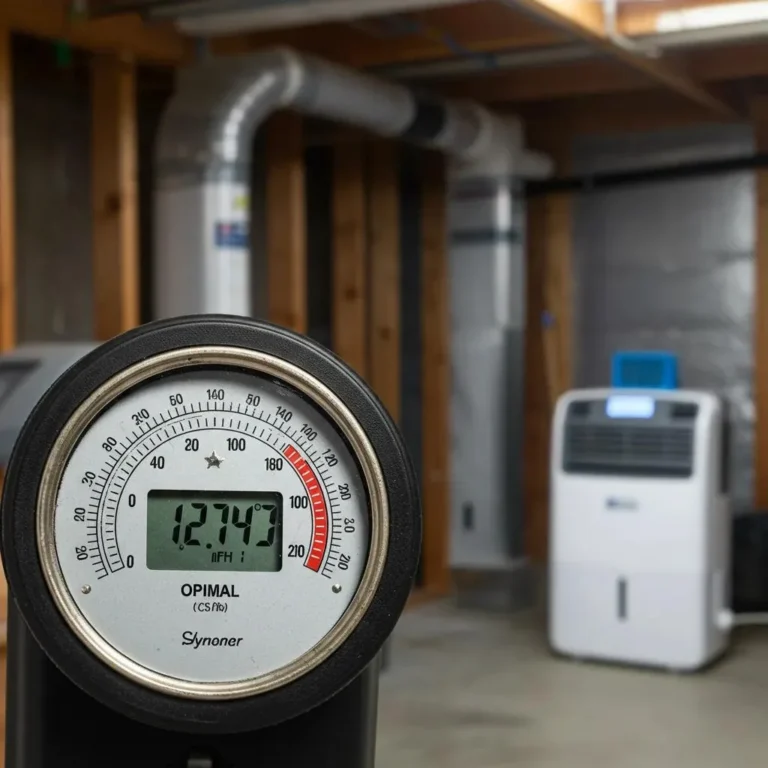
Step 5: Monitor humidity levels. Place a digital hygrometer in the crawl space. Target 30 to 50 percent relative humidity. Check it weekly.
If the humidity stays above 60 percent, your unit isn't keeping up and you need a different approach.
Step 6: Clean the unit regularly. Vacuum the coils every two to four weeks. Replace or wash the filter on the same schedule. This reduces the fire risk and keeps the unit running efficiently.
A dirty coil can increase energy consumption by 30 percent or more.
Step 7: Check the unit during cold weather. If temperatures drop below 65 degrees, the unit may freeze up. Consider a seasonal approach. Run the unit in warmer months.
Remove it during winter. A unit that keeps freezing up will eventually damage the compressor.
Common Questions People Ask
You've read the basics. But a few follow-up questions probably popped into your head. Here are the ones we hear most from homeowners.
What if my crawl space isn't encapsulated?
Then a regular dehumidifier is a waste of electricity. Open vents let in humid outdoor air faster than the unit can remove it. Your first move should be sealing the space, not buying a dehumidifier.
Without a vapor barrier, you're chasing a losing battle.
Do I need a condensate pump?
Not if you can run a gravity drain. A standard garden hose can route water to a floor drain or sump pit. If the drain point sits above the unit, you'll need a pump.
Some portable models have one built in. Others require an external pump attached to the unit.
How often will I need to clean it?
Plan on a deep clean every two to four weeks. Vacuum the coils and wash the filter. Crawl spaces are dusty, tight places.
Skip the maintenance and you'll see reduced efficiency, higher energy bills, and a much greater fire risk. Set a reminder on your phone if you have to.
Final Verdict: Should You Actually Do This?
Can you use a regular dehumidifier in a crawl space? Technically, yes. Should you?
That depends entirely on your situation.
If your crawl space is encapsulated, stays above 65 degrees, has a GFCI outlet, and you're willing to maintain the unit every few weeks, a regular dehumidifier can work. It's the budget-friendly route. Just check the humidity weekly.
If your crawl space is vented, damp, cold, or dusty, you're wasting money and risking a fire. The math gets worse over time. A portable model might last one to three seasons in that environment.
A purpose-built crawl space unit can last seven to ten years. The upfront savings disappear after your second or third replacement.
For most homeowners, the honest answer is this: buy the right tool for the job. If you want to dry out a finished basement or a large living area instead, a standard portable unit makes sense. Our top-rated year-round models cover that situation well.
For basement duty specifically, basement-rated units handle cooler, damper spaces better. For a crawl space, budget for a unit rated for the environment.
Frequently Asked Questions
Will a regular dehumidifier freeze in a crawl space?
Yes, when temperatures drop below 65 degrees. The coils frost over, airflow stops, and the unit shuts off. This is why purpose-built models have compressors rated for low temperatures.
A frozen unit removes no moisture at all.
Can I plug it into a regular outlet?
Only if it's GFCI protected. The National Electrical Code requires GFCI protection for all crawl space outlets. Use one.
An unprotected outlet can deliver a lethal shock if water gets into the wiring. Never use an extension cord to reach a distant outlet.
How long will a regular dehumidifier last?
One to three seasons under crawl space conditions. Dust, cold, and constant operation wear out compressors. In our research, dedicated crawl space units last seven to ten years.
That's a significant difference. A lower-priced portable replaced every other year costs more than a $900 sealed unit over a decade.
What humidity level should my crawl space be?
Keep it between 30 and 50 percent relative humidity. Use a digital hygrometer to monitor levels. Above 60 percent, mold growth accelerates quickly.
If your unit can't stay within that range, it's either too small or the space isn't properly sealed. Refer to the EPA's moisture guidance for detailed recommendations.