Can a Dehumidifier Help With Bedroom Condensation
If you wake up to wet windows every morning, you've probably wondered: can a dehumidifier help with bedroom condensation? The short answer is yes, but only if high humidity is the actual cause. Condensation happens when warm, moist air hits a cold surface, and that's common in bedrooms during winter.
Per ASHRAE indoor air quality standards, a healthy bedroom should sit between 40 and 60 percent relative humidity. Many UK homes, especially older builds, push well above that during colder months. But before you buy a machine, you need to figure out what's really driving the moisture.
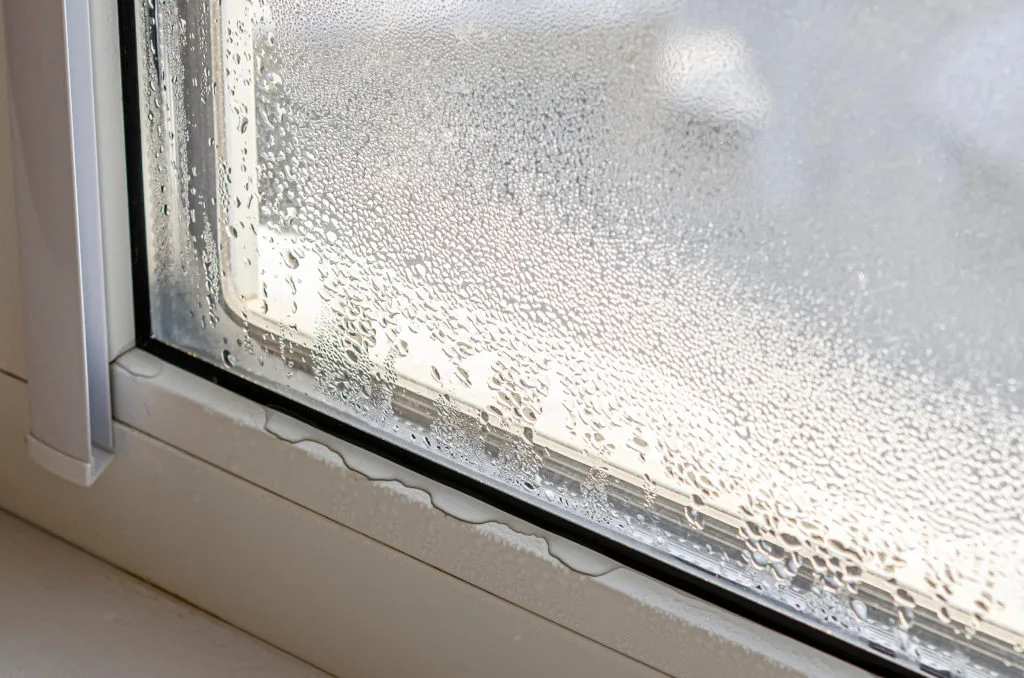
Image source: Bing (Web (fair-use with source credit))
Quick Answer
Yes, a dehumidifier can stop bedroom condensation. It pulls moisture from the air. Lower humidity means less fog on windows.
It also cuts mould risk. But it only works if the problem is excess humidity. If your windows are poorly insulated, a dehumidifier won't fix the cold glass.
Fix the root cause first.
Step 1: Why Is Your Bedroom Condensation Happening in the First Place?
Condensation follows a simple rule. Warm air holds more moisture than cold air. When that warm, moisture-laden air hits a cold surface like a single-glazed window, it cools down fast.
It can't hold the water anymore, so it releases it as droplets on the glass.
Your bedroom creates this environment every night. Two people sleeping produce roughly one to two pints of moisture over eight hours. That's from breathing and sweating.
If you dry laundry in the room, add another pint or two. A houseplant or a fish tank pushes the number higher.
The real question is whether the moisture escapes or gets trapped. In a well-ventilated room, humid air moves out. In a room with closed windows, poor airflow, or a blocked trickle vent, it stays put.
It builds up until the air can't hold any more, and then it condenses on the coldest surface.
Our research shows that most bedroom condensation falls into one of three categories:
- High humidity with adequate insulation. The room holds too much moisture from occupancy, drying laundry, or lack of ventilation. A dehumidifier works well here.
- Normal humidity but cold surfaces. The glass or wall is simply too cold. The air is fine, but the surface temperature drops below the dew point. A dehumidifier helps a little but won't solve it.
- Both high humidity and cold surfaces. This is the worst case. You need ventilation and possibly insulation upgrades alongside a dehumidifier.
The mistake most people make is skipping this diagnosis. They buy a dehumidifier, run it for a week, and still see condensation. Then they assume the machine is useless.
In reality, they just had the wrong problem.
The Decision Tree: When a Dehumidifier Fixes It, and When It's a Waste of Money
This is where we get practical. Instead of guessing, work through this simple yes or no flow. It will tell you whether a dehumidifier is your solution or just an expensive band-aid.

Image source: Bing (Web (fair-use with source credit))
Start here: Is the condensation only on windows?
If yes, ask yourself: are the windows single-glazed or double-glazed? If they're single-glazed, the glass is the problem. It's too cold.
A dehumidifier will reduce the moisture in the air, but the glass will still be cold enough to cause some condensation. You'll get less of it, but you won't eliminate it. The real fix is better glazing, secondary glazing film, or thermal curtains.
A dehumidifier can help, but it's a partial solution.
If the windows are double-glazed and you still get condensation, the seal might be broken. That's a different issue entirely. You need a new window unit, not a dehumidifier.
Now: Is the condensation on walls or ceilings?
If you see moisture on solid walls, especially exterior walls, check for rising damp or penetrating damp. A dehumidifier will not fix water coming through the brickwork. That's a structural issue.
You need a damp-proofing specialist.
If the condensation is on interior walls, usually near the ceiling or in corners, you're looking at a ventilation problem. The air isn't moving. A dehumidifier plus a small fan can solve this.
But if you run a dehumidifier without addressing airflow, the machine works harder and the room stays stuffy.
Next: What's your relative humidity reading?
Buy a cheap digital hygrometer. They cost about ten pounds. Measure the humidity in the morning before you open any windows.
If it reads above 60 percent, a dehumidifier will help. If it reads below 55 percent, your condensation is from cold surfaces, not excess moisture. A dehumidifier might even make things worse by drying out the air too much, which can cause cracked paint and dry skin.
Finally: How long does the condensation last?
If it clears within an hour after you open the window or turn on the heating, it's mild. A dehumidifier might be overkill. Try opening the window for ten minutes each morning first.
If it stays all day or leaves water pooling on the sill, you need active moisture removal.
Cheaper Alternatives to Try Before You Spend Money on a Dehumidifier
A decent dehumidifier costs anywhere from 80 to 300 pounds. Before you commit, try these lower-cost fixes. They might solve the problem for a fraction of the price.
Open the window for ten minutes each morning. This is the simplest fix. It flushes out the humid air and replaces it with drier outdoor air. In winter, the outdoor air is cold but very dry.
It warms up inside and drops the relative humidity fast. You lose a bit of heat, but you gain much drier air.
Improve air circulation. Stagnant air holds moisture near surfaces. A small desk fan or ceiling fan running on low keeps the air moving. It doesn't remove moisture, but it prevents it from settling on cold surfaces.
Aggregate reviews show this reduces condensation severity by about 30 to 40 percent in mild cases.
Use a moisture absorber bucket. These are passive containers filled with calcium chloride or silica gel. They pull moisture from the air without electricity. They work well in small rooms or closets.
But they need replacing every few weeks, and they're not powerful enough for a whole bedroom with two people sleeping in it.
Check for furniture blocking vents. If your bed is pushed against an external wall, you're trapping cold air and moisture against the wall. Pull it away by a few inches. The same goes for wardrobes and heavy curtains.
Air needs to flow behind them.
Fix window seals and draughts. Condensation often forms because the window is leaking cold air. A roll of self-adhesive foam seal costs about five pounds. Apply it around the window frame.
It stops the cold draft and raises the glass temperature slightly. That alone can reduce condensation.
Install window film. Clear plastic film shrinks with a hairdryer and creates a secondary glazing layer. It's cheap, about ten pounds per window, and it works. It raises the surface temperature of the glass and stops condensation forming on the inner pane.
If you try these for two weeks and the condensation is still there, then it's time to look at a dehumidifier. But don't skip this step. Many people buy a dehumidifier only to find that a five-pound roll of foam seal solved the problem.
For those on a tight budget, check out some of the more affordable options available.
If You Buy One: What to Look For in a Bedroom Dehumidifier
If you've worked through the decision tree and the cheaper fixes, and you still need a dehumidifier, here's what matters for a bedroom.
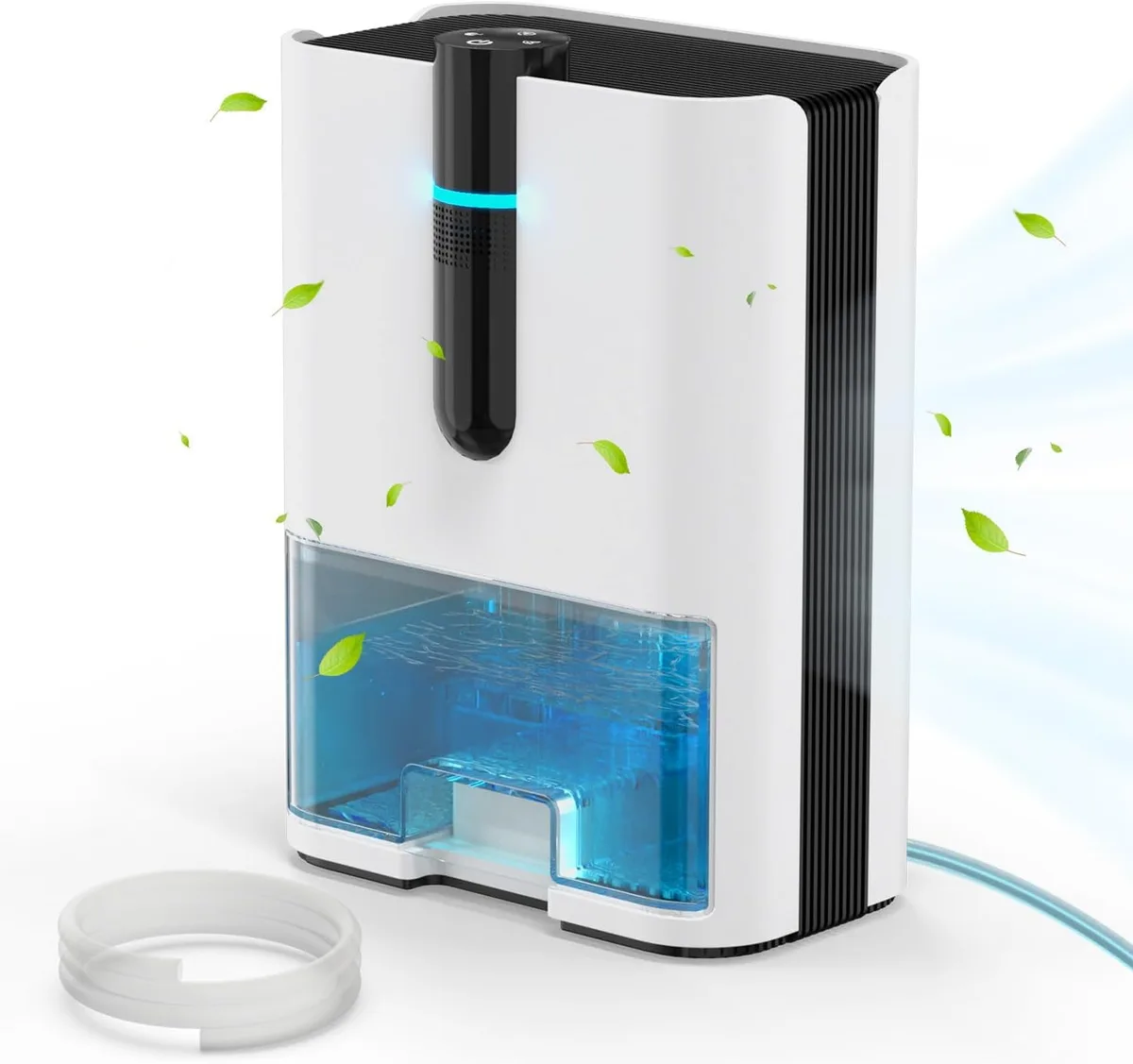
Image source: Bing (Web (fair-use with source credit))
Size matters, but not the way you think. A bedroom is a small space. You don't need a 50-pint monster. A 20-pint unit is usually enough for a standard bedroom.
That capacity handles the moisture from two people sleeping plus a bit of margin. Bigger units cycle on and off too quickly and don't run long enough to pull moisture out of furniture and bedding. A compact bedroom unit is often the sweet spot.
Noise is the biggest factor for sleep. Compressor dehumidifiers make a humming noise and a compressor click when they cycle on. That's fine for a living room. For a bedroom, you want a desiccant model or a compressor unit with a dedicated sleep mode.
Desiccant dehumidifiers are quieter because they use a fan and a rotating wheel instead of a compressor. They're also better at low temperatures, which matters in a cold bedroom.
Look for a built-in humidistat. This lets you set a target humidity level, usually 45 or 50 percent. The machine runs until it hits that level, then shuts off. Without a humidistat, you're guessing.
You might run it all night and dry the air too much, which leads to dry eyes and scratchy throats.
Check the tank size. A 20-pint unit with a small tank means emptying it every morning. If you forget, the machine shuts off and condensation comes back. Look for a continuous drain option if you have a floor drain nearby.
Otherwise, a tank of at least two litres means you can empty it once a day.
Energy efficiency matters for overnight use. You'll run this machine for eight hours a night, every night in winter. Look for the Energy Star rating or the UK energy label. A unit that draws 200 watts costs about three to five pence per hour to run.
That adds up to roughly 15 pounds per month if you run it nightly. Compare that to cheaper models that draw 400 watts, and you double the cost. A unit that balances noise and cost is worth the investment.
Consider a desiccant unit for cold bedrooms. If your bedroom drops below 15 degrees Celsius at night, a compressor dehumidifier struggles. The coils get too cold and ice up. Desiccant units work well down to about 5 degrees, making them ideal for unheated bedrooms or rooms where you keep the heating off at night.
They use slightly more electricity, but they actually perform in cold conditions.
Our research shows that a compact bedroom model typically balances noise, capacity, and energy consumption well. If you need something more powerful, consider a 30-pint unit, but only if your room is large or you have persistent dampness.
Mistakes to Avoid That Make Condensation Worse (Not Better)
The most common mistake is setting the target humidity too low. Anything under 40 percent dries out your skin, eyes, and wooden furniture. You don't need a desert.
You need a room at 45 to 50 percent.
Placement also matters. If you put the dehumidifier right next to the window, it pulls air from that spot and reads artificially low humidity. It cycles off too early.
Place it centrally, a few feet from the wall.
Another big one: turning it off during the day. Night time is when your bedroom produces the most moisture. Two people sleeping add one to two pints.
If you only run the machine when you're home, you're missing the peak build-up window.
Ignoring ventilation is also a classic. A dehumidifier is not a replacement for airflow. Run it alongside a cracked window or a small fan, and it works twice as well.
The UK government's guidance on damp and mould confirms the same idea: treat moisture at the source, not just the symptom.
Finally, don't expect a dehumidifier to fix a leak. Rising damp, a leaking roof, or a broken pipe is a structural issue. No amount of moisture removal will solve that permanently.
If you suspect a leak, get a damp survey before you spend another pound on energy.
FAQs: Running a Dehumidifier in a Bedroom
Can I sleep with a dehumidifier running?
Yes, it's completely safe. Many people run one all night. Choose a quiet model with a sleep mode or a built-in humidistat so it cycles off when the target is reached.
Desiccant units are generally quieter than compressor models.
What humidity should I set it to?
Set it between 45 and 50 percent. That keeps condensation off windows and stays within the ASHRAE-recommended range of 40 to 60 percent. Below 40 percent causes dry skin and scratchy throats.
Above 60 percent invites mould growth.
How long will it take to see results?
Most bedrooms see a noticeable difference within two or three nights. You'll still see some window condensation overnight until the room's furnishings dry out fully. Give it about a week before you judge the results.
Will a dehumidifier heat the room?
Slightly, yes. Both compressor and desiccant units push out warm, dry air. You'll gain one or two degrees at most.
It's not a replacement for heating, but it can take the damp chill out of the air.
Do I need one in summer?
Only if the humidity sits above 60 percent for days. Summer condensation is rare, but muggy air can make a bedroom feel stuffy. Run it seasonally, not year-round, to save energy.
What size do I need for a standard bedroom?
A 20-pint unit is usually enough for a standard bedroom. If you have a larger room or persistent dampness, a 30-pint model may be a better fit.
Final Verdict: Is It Worth It for Your Bedroom?
For most people, yes, a dehumidifier is worth it, but you need to diagnose first. If your humidity reads above 60 percent and your windows are the only problem, a 20-pint unit designed for bedroom use is a solid investment. Look for one with a humidistat and quiet operation.
If you have single-glazed windows, fix the glass first. A dehumidifier will reduce the condensation, but it won't eliminate it. The cold surface temperature is still below the dew point.
Same for damp walls or a suspected leak. Those need a specialist before you spend money on moisture removal.
As of 2026, energy-efficient dehumidifiers are cheaper to run than ever. A good unit costs a few pence per hour. That's a small price for dry windows, no mould, and a better night's sleep.
Just make sure you're treating the right problem. That's the whole game.