How to Reduce Humidity in a Bedroom With a Dehumidifier
Figuring out how to reduce humidity in a bedroom with a dehumidifier sounds simple. Until you wake up with a stuffy room and water drops rolling down the window. The truth is, the machine is only half the story.
Placement, settings, and the source of the moisture matter just as much.
Our research and manufacturer specifications show that a bedroom should stay between 40 and 60 percent relative humidity. Pushing below that can leave you too dry. Understanding your room's conditions first will save you time and energy.
Let's walk through the process.
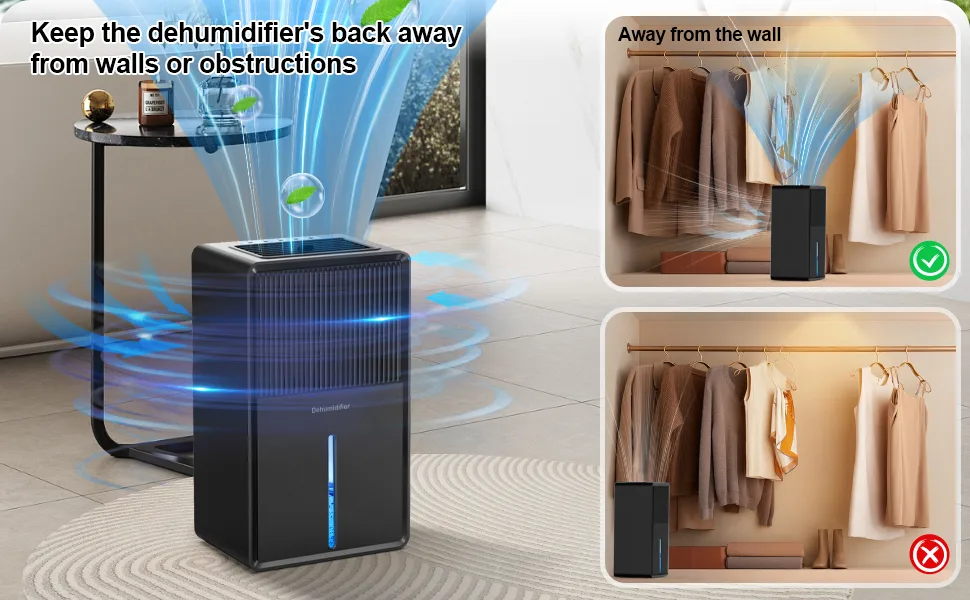
Image source: Bing (Web (fair-use with source credit))
Quick Answer
To reduce humidity in a bedroom with a dehumidifier, measure relative humidity first. If it stays above 60%, set the unit to 50%. Place it six inches from the wall.
Empty the tank or use a drain hose. Expect a noticeable change in 24 to 48 hours.
Start by Checking the Real Conditions: Humidity, Temperature, and the Source
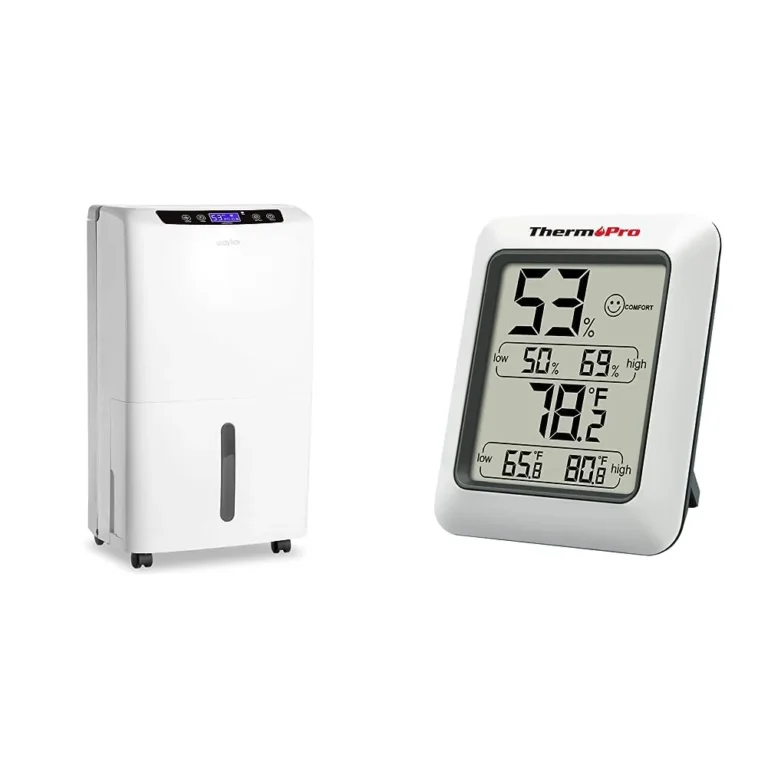
Before you set anything, you need to know your starting point. A hygrometer is a small sensor that tells you the room's relative humidity. You can pick one up for under $15.
Some dehumidifiers come with a built-in humidistat, but a separate monitor helps you verify.
What humidity level is too high for sleeping? The EPA recommends keeping indoor relative humidity between 30% and 50%. In a bedroom, 40% to 50% feels comfortable.
If you see condensation on the glass or a musty smell, you're almost certainly above that range.
Temperature matters too. Compressor-style dehumidifiers lose their ability to remove moisture when the room gets chilly. Many of them stop working well below 65°F.
Desiccant units handle cooler rooms better. So check the thermostat before you choose your settings.
Finally, identify where the moisture is coming from. Leaving a door open to a bathroom after showers? That's the source.
Laundry drying on a rack? That adds a huge amount of moisture overnight. Even breathing and sweating add a few pints a night.
For a typical bedroom, smaller portable units usually handle the load. The fix depends on the source. If the humidity climbs because you just showered, ventilation is the fix.
If the whole room sits damp all day, run a dehumidifier continuously until it settles.
What a Dehumidifier Actually Does in a Bedroom

Image source: Bing (Web (fair-use with source credit))
A dehumidifier pulls warm, humid air over a set of cold coils. The moisture condenses into droplets, drips into a tank, and the drier air flows back into the room. That's why you see water accumulating in the bucket.
Compressor units use a refrigerant loop. They're efficient in warm spaces and are the common choice for bedrooms. But they add heat as they run.
In summer that's fine. In winter, they can make a cold bedroom feel drafty.
Desiccant units use a rotating wheel coated with moisture-absorbing material. They work better at lower temperatures and make less noise, but they use more electricity for their size. For a small bedroom, a 20-pint desiccant model can be a quiet overnight option.
Capacity is rated in pints per 24 hours. A typical bedroom needs a 20-pint to 35-pint unit. Large master bedrooms might push closer to 50 pints, especially in humid climates.
Here's the part most buyers miss: capacity ratings are based on 80°F and 60% humidity. Run the same unit in a cooler room and it pulls less water. Compressor models also need a few minutes after startup before they start extracting water.
That's why we recommend matching your unit to the room size, not just the label. If you're still deciding between technologies, season-spanning models handle both warm and cool conditions well.
Choosing the Best Dehumidifier for Your Bedroom
Once you know the conditions, the selection gets easier. For a standard bedroom, a 20-pint unit is usually enough. A 30-pint or 35-pint model gives you more margin when summer humidity spikes.
For a large master bedroom, move up to a 50-pint machine.
As of 2026, most Energy Star certified units include a humidistat, auto shut-off, and a cleanable filter. Look for a noise rating around 40 dB or lower if you plan to sleep with it running. Some units advertise a silent mode that slows the fan and sacrifices a little capacity.
Heat output is another hidden factor. Compressor units warm a room by a few degrees. That's pleasant in winter but noticeable in summer.
Desiccant models run cooler but use more power. Also pay attention to total power draw, since a unit that runs all night can add a noticeable amount to your electric bill.
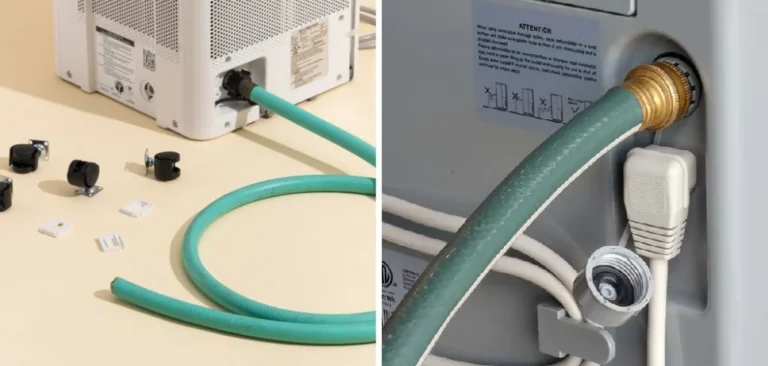
Drain options decide how often you interact with the machine. A tank needs emptying when full, often daily in a damp climate. A continuous drain hose sends water to a floor drain or a bucket.
That's a game changer for bedroom use, because you never wake up to an overflowing unit.
If you're on a budget, low-cost options work well for small bedrooms. For bigger rooms, heavier-duty machines give you extra headroom. The right size saves you money and a lot of hassle.
Step-by-Step Setup: Placement, Settings, and Timing

Image source: Bing (Web (fair-use with source credit))
Start with placement. Put the dehumidifier in the center of the bedroom, or at least six inches away from walls and furniture. Air needs to flow in and out freely.
Tucking it behind a nightstand is the most common mistake.
Set the humidity target. For a bedroom, 50% is a good starting point. If you notice condensation, drop it to 45%.
If your skin feels dry, raise it back up. The built-in humidistat will cycle the unit as needed.
Best way to run it overnight? Use continuous mode with a drain hose. Run the hose to a floor drain or an overflow bucket.
It will hold the room at your target quietly all night.
If you rely on the tank, empty it before bed. A full tank shuts the unit off, which leaves humidity climbing while you sleep. You can also use a timer setting to stop it after a set amount of time.
Give the new setup 24 to 48 hours. Monitor the hygrometer over a couple of days. If the room still feels sticky, your unit might be undersized, or air might be leaking in from open windows and hallway doors.
Close them before you blame the machine.
One more pro tip: run the unit for a few hours in the evening, then turn it off before sleeping if you find the fan noise bothersome. The room will still stay dry for most of the night.
Mistakes to Avoid When Dehumidifying a Bedroom
Even with the right machine, people make a few recurring errors.
Opening the window. A dehumidifier pulls moisture from the air. If humid air keeps sneaking in, it will run forever and never catch up.
Keep the bedroom closed while running.
Setting it too low. Below 30% is uncomfortable and can dry out your throat and nose. Some models can even draw too much moisture from wooden furniture.
Stick to 40% to 50%.
Blocking the airflow. Louvers and bed fringe can cover intake vents. Leave the unit at least a foot of breathing room.
Placing it too near a wall. Moisture can collect behind the unit and damage the wall. Instead, let it circulate.
Using it as a substitute for fixing a water problem. If a pipe is leaking or a window seal is broken, the dehumidifier is just a band-aid. Fix the source first.
Ignoring the filter. A dusty filter cuts airflow and makes the unit run harder. Clean it every two weeks per the manufacturer instructions.
Choosing a unit that's too small. A 20-pint model fought in a 500-square-foot bedroom. You need an honest capacity rating.
Check the Energy Star site or a manufacturer's sizing chart before buying. For guidance, the best cost-per-pint value can help.
And don't forget to check the water tank. It may look full, but a hairline crack can cause a messy leak. Inspect the seals every few weeks.
By sidestepping these pitfalls, you'll get a drier, more comfortable bedroom and a longer life from the machine.
Long-Term Maintenance and Keeping Moisture Out
A dehumidifier works best when you treat it like a small appliance. It needs regular care to keep pulling moisture effectively.
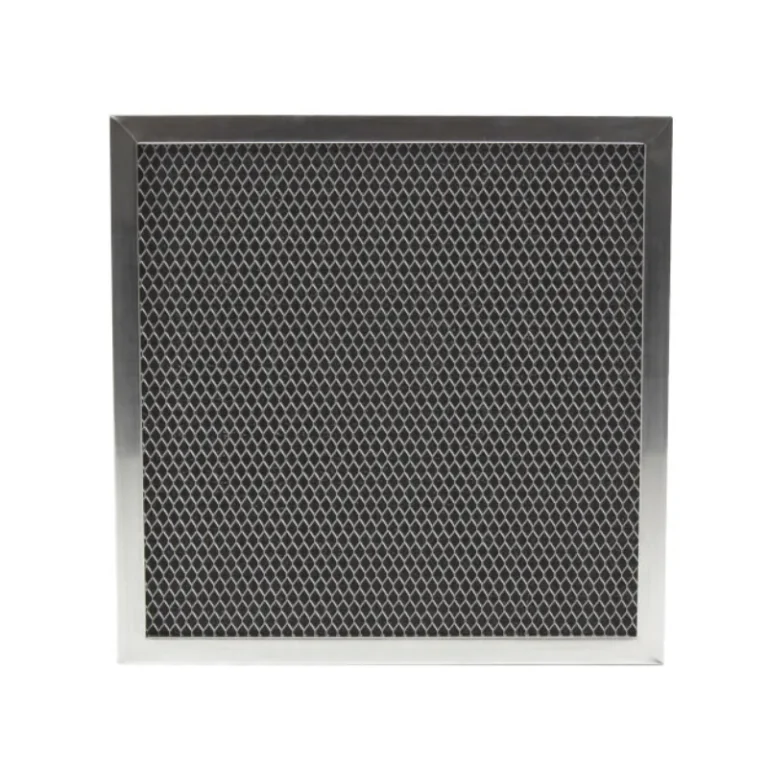
Clean the air filter every two to four weeks. A clogged filter restricts airflow and forces the unit to run longer. Most filters slide out and rinse under warm water.
Let them dry completely before reinstalling.
Wipe down the exterior and the water collection area monthly. Dust and mineral deposits can accumulate. A damp cloth handles the outside.
A mild vinegar solution helps with hard water scale inside the tank.
Check the continuous drain hose for kinks or blockages. A bent hose stops water flow and triggers the auto shut-off. Inspect the hose connection every few weeks to ensure it stays secure.
Monitor the room's humidity level over time. If you notice the unit running more often than before, the source may have changed. Seasonal shifts, new indoor plants, or a leaky window seal can all increase the moisture load.
Replace the hose if it develops cracks. A small leak can damage flooring. For a permanent setup, consider a gravity drain to a floor drain or a condensate pump if the drain is above the unit.
Store the unit properly during dry winter months. Empty the tank completely. Clean the filter.
Let the interior dry before putting it away. This prevents mold growth inside the machine.
If you need a unit that can handle both bedroom and basement duty, damp-location machines offer that flexibility.
Final Decision Guide: What to Do Based on Your Situation
Your choice depends on three factors: room size, climate, and noise tolerance.
Small bedroom, moderate climate. A 20-pint compressor unit works well. Set it to 50% and run it overnight. Empty the tank each morning.
Matching compact units are a good fit here.
Large master bedroom, humid climate. A 35-pint or 50-pint unit with a continuous drain hose. Place it centrally. Let it run 24 hours a day until the humidity stabilizes.
Rooms with more square footage need that extra capacity.
Cold bedroom, year-round use. A desiccant unit performs better in cooler temperatures. It runs quieter and doesn't warm the room. Expect higher electricity usage but better moisture removal below 65°F.
Rental apartment, limited space. A 20-pint portable unit with a small footprint. Use the tank and empty it daily. No permanent installation needed.
Affordable picks work well for this setup.
Noise-sensitive sleeper. Look for a unit with a sleep mode or a noise rating under 40 dB. Place it as far from the bed as possible. A desiccant model is generally quieter than a compressor model.
If you're still unsure, start with a hygrometer. Measure your room's humidity for a few days. Then match the unit size to the results.
That approach eliminates guesswork.
Frequently Asked Questions
How long does it take to lower humidity in a bedroom?
Most units show a noticeable difference within 24 to 48 hours. The exact time depends on the room size, starting humidity level, and the unit's capacity. A properly sized 20-pint unit can drop humidity from 70% to 50% overnight in a standard bedroom.
Can I run a dehumidifier all night while I sleep?
Yes. Many units have a continuous mode that maintains the set humidity level. Look for a model with a quiet sleep mode and an auto shut-off feature.
Place it at least six feet from the bed for noise comfort.
Should I keep the bedroom door closed when using a dehumidifier?
Yes. A closed door helps the unit control the room's humidity more efficiently. Open doors allow humid air from hallways or bathrooms to enter, which makes the unit work harder and run longer.
How often do I need to empty the water tank?
It depends on the humidity level and the unit's tank size. In a damp bedroom, a 20-pint unit may need emptying every 12 to 24 hours. A continuous drain hose eliminates this task entirely.
What temperature is too cold for a dehumidifier?
Compressor units lose efficiency below 65°F and can frost up. Desiccant units work well down to 40°F. If your bedroom stays cool, choose a desiccant model or a compressor unit with an auto defrost feature.
Can a dehumidifier help with allergies?
Yes. Lower humidity reduces dust mite and mold growth. Both are common allergens.
Keeping the bedroom between 40% and 50% relative humidity can help reduce allergy symptoms for many people.