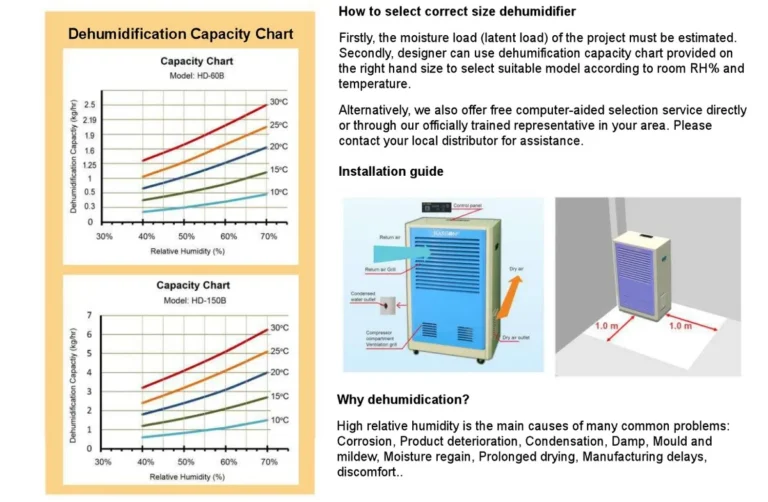
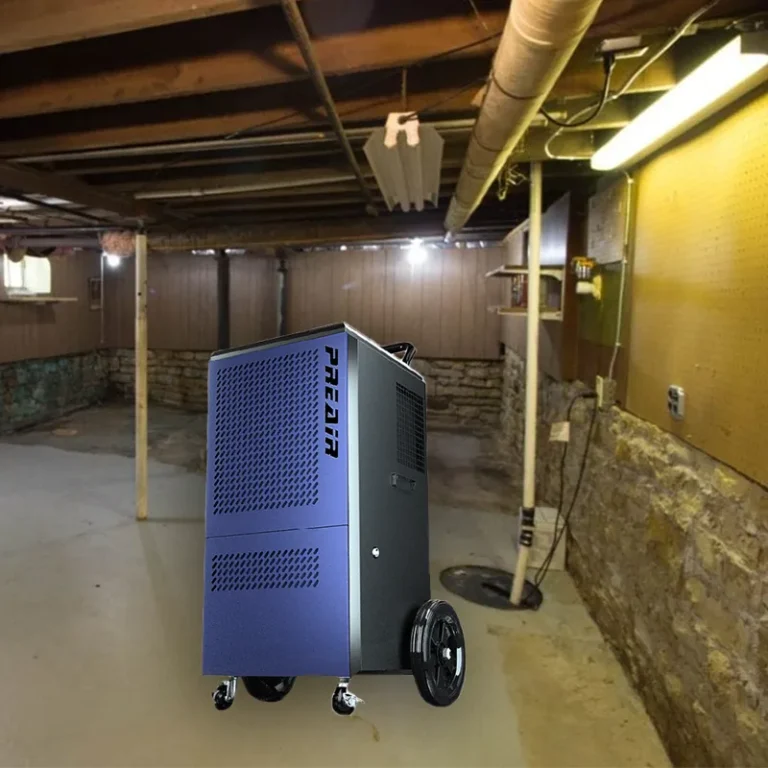
Why Does My Dehumidifier Smell Like Vinegar
You flip on the dehumidifier and that sour smell hits you. Why does my dehumidifier smell like vinegar? It's not the machine going bad, at least not usually.
That smell almost always means bacteria or mold has moved in somewhere inside. It's gross, but it's also fixable.
Moisture is the fuel, and your dehumidifier is full of it. Most portable units pull 30 to 70 pints of water out of the air every day. That water feeds microscopic growth fast.
As of 2026, the same cleaning principles hold. The source is usually easy to find once you know what to check.
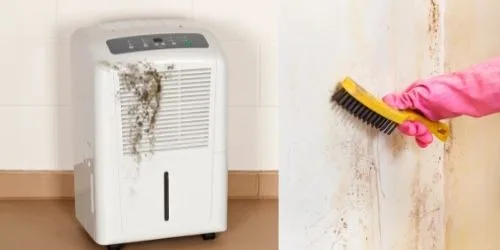
Image source: Bing (Web (fair-use with source credit))
Quick Answer
Your dehumidifier smells like vinegar because bacteria and mold are growing inside the unit. The sour odor is their waste product. Standing water, a dirty filter, or biofilm on the coils makes it worse.
The fix is a full cleaning with white vinegar and soapy water. Do that every few weeks and the smell stays gone.
Is It Vinegar or Something Else? Pin Down the Source First
Before you clean anything, find out where the smell is strongest. That tells you the cause.
Smell near the water bucket? The bucket is the main problem.
Smell coming from the air outlet? Check the coils and filter.
Smell like vinegar but no visible grime? That could be a refrigerant leak. Run the unit for five minutes and see if the odor changes.
Vinegar smell is almost always microbial. A sweet or syrupy smell points to a coolant issue. That's a different fix entirely.
If the sour smell disappears after you empty the bucket, the tank was the culprit. If it lingers with an empty bucket, move to the filter and coils.
A vinegar smell that returns every few days means something is still growing inside. You need to clean deeper, not just dump the water. If the smell stays even after a thorough cleaning, you may have a bigger mechanical problem.
At that point, a professional service call is worth it.
Use your nose as a guide. It's a simple decision tree that gets you to the right fix faster than guessing.
The Three Usual Suspects: Dirty Tank, Clogged Filter, or Biofilm on the Coils
When you narrow it down, three causes cover about 95% of vinegar smells. Here's how they compare.
| Suspect | What it is | Smell | Where it lives |
|---|---|---|---|
| Dirty water tank | Bacteria in standing water | Sharp, sour vinegar | Water bucket |
| Clogged filter | Dust, pet hair, and mold | Musty, sour | Front grill |
| Biofilm on coils | Slimy bacteria layer | Vinegar or ammonia | Evaporator coils |
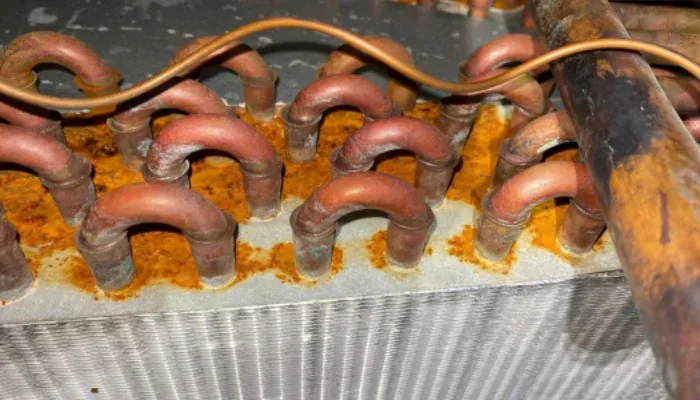
Image source: Bing (Web (fair-use with source credit))
Dirty water tank. This is the most common cause. Water sits in the bucket for days. Bacteria multiply.
The smell climbs out. If you haven't emptied the bucket in a while, start there.
Clogged filter. The filter traps dust and allergens. When it gets clogged, moisture stays trapped against the dirty surface. That's a perfect breeding ground.
A quick rinse will tell you if this is the problem.
Biofilm on coils. The evaporator coils are cold and damp. That's exactly what bacteria love. Over time, they form a thin slimy film.
That film releases the sharp vinegar smell as air blows across it. Cleaning the coils is the real fix here.
All three are easy to handle. The next section walks you through it.
Step-by-Step: How to Clean Your Dehumidifier and Kill the Smell for Good
This is a 20-minute job. You only need white vinegar, warm soapy water, a soft brush, and a microfiber cloth. Here's the full workflow.
- Unplug the unit. Always. You don't want water anywhere near live electronics.
- Remove and empty the water bucket. Wash it inside and out with warm soapy water. Rinse thoroughly.
- Wash the air filter. Pull it out and rinse it under warm water. Use a little dish soap for greasy buildup. Let it dry completely before reassembly.
- Clean the evaporator coils. Mix one part white vinegar with three parts warm water. Spray it on the coils. Wait 10 minutes. Then wipe it off. Use a soft brush for stubborn spots.
- Wipe down the drain pan and hose. If your unit has a continuous drain, pour the vinegar solution through the hose. That clears the slime inside.
- Dry everything. Let every part air dry. Reassemble only when nothing is damp.
- Run the unit for one hour. That dries out the inside and flushes the system.
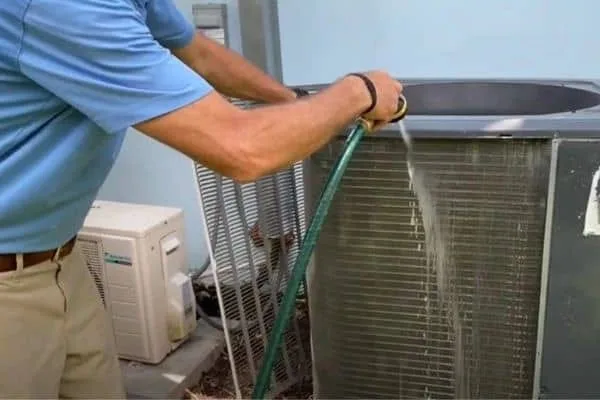
Image source: Bing (Web (fair-use with source credit))
Vinegar is a mild acid that kills bacteria without damaging plastic or metal. It's also the same stuff you probably already have in the kitchen. When you're done, the vinegar smell will linger for a few hours.
Run the unit by a window. It fades fast.
Make cleaning a habit. Once a month, or every 250 hours of use, is a solid schedule.
What Not to Do: Cleaning Mistakes That Make the Smell Worse
People mean well, but some cleaning moves backfire. Here are the common errors to avoid.
Don't use bleach. Bleach is harsh on plastic parts and can corrode the coil fins. It also leaves a chemical smell that mixes with moisture. Stick to white vinegar or a cleaner your manufacturer recommends.
Never mix vinegar and bleach. That combination creates toxic chlorine gas. It's dangerous. Pick one cleaner and stick with it.
Don't skip rinsing. If you use soap, rinse every part completely. Soap residue attracts dust and can make the smell mustier.
Don't reassemble wet. Moisture is the enemy. If you put the tank and filter back while they're still damp, you're starting the microbial growth over again. Let everything dry.
Don't forget the hose. If you use a continuous drain line, the hose itself collects slime. If you clean everything else but miss it, the sour smell stays.
Don't scrub the humidistat or control panel. Water and sensitive electronics don't mix. Wipe those with a dry cloth only.
If the smell keeps returning even after a deep clean, the unit may be past its useful life. Some people replace it at that point. Budget-minded buyers can still find solid choices, like the best dehumidifier if they're ready to move on.
Basement units get hit hardest by humidity, so the best dehumidifier for basement options are worth a look once you're shopping.
How to Keep the Smell From Coming Back
Once the sour smell is gone, the goal is making sure it never returns. A little routine goes a long way.
Empty the bucket often. Don't wait for the full indicator light. Dump it every day if you're running the unit constantly. Bacteria start multiplying in standing water within 48 hours.
Clean the filter every two weeks. A dirty filter traps moisture against organic material. That's a breeding ground. Rinse it with warm water.
Let it dry fully. Pop it back in.
Wipe down the bucket after each empty. A quick rinse with white vinegar once a week prevents biofilm from forming. This one habit alone stops most vinegar smells.
Keep humidity between 40 and 50 percent. The EPA recommends this range to discourage mold and bacteria growth. Anything higher invites microbial activity inside the unit.
Inspect the drain hose monthly. If you use continuous draining, pour a vinegar solution through the line every few weeks. Slime builds up faster than you'd expect.
Store the unit dry. If you pack it away for winter, run it for an hour on a fan-only setting first. Make sure every internal surface is bone dry. That stops mold from growing while it sits.
With this routine, you'll spend about 10 minutes a week keeping the machine fresh. That's far less time than a deep clean later.
Frequently Asked Questions
Is it safe to run a dehumidifier that smells like vinegar?
Yes, in most cases it's safe. The smell comes from bacteria and mold. Those are not ideal to breathe in.
But the unit itself isn't a fire hazard. Fix the odor quickly. The longer you wait, the deeper the biofilm spreads.
Why does my dehumidifier smell like vinegar after cleaning?
You likely reassembled the unit while it was still damp. Moisture trapped in the filter or tank starts growing bacteria again within two days. Dry every part completely before putting the unit back together.
Run it for an hour afterward to flush the system.
Can I use bleach instead of vinegar to clean the coils?
Use white vinegar instead. Bleach can corrode the coil fins and aluminum parts over time. It also leaves a chemical residue that mixes with condensation.
Vinegar is acidic enough to kill bacteria without damaging materials inside the unit.
How often should I clean my dehumidifier to prevent smells?
Empty the bucket daily. Rinse the filter every two weeks. Deep clean the coils monthly.
That's the sweet spot for most households. If you live in a humid climate or run the unit nonstop, step up the schedule. Inspect it weekly instead.
When should I replace my dehumidifier instead of cleaning it?
If the smell persists after a thorough deep clean, the biofilm may have penetrated the internal foam lining. That material absorbs odors permanently. At that point, replacement is often cheaper than a repair.
A new unit also runs more efficiently.