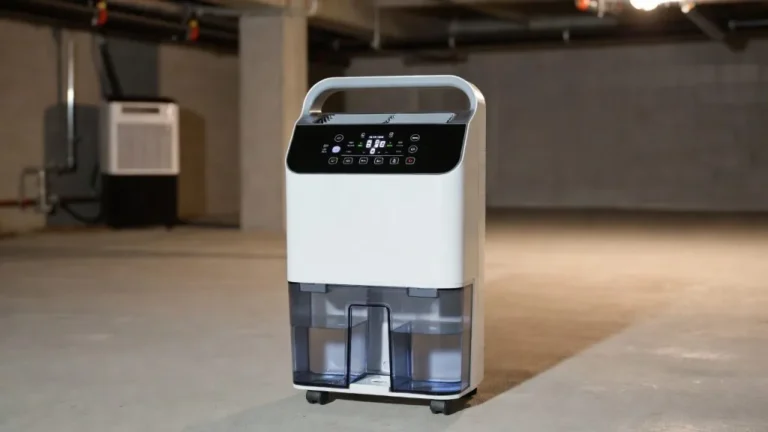
Why Is My Dehumidifier Not Collecting Water
So your dehumidifier is humming along, but the bucket stays dry. If you're asking "why is my dehumidifier not collecting water", you're not alone. The short answer is usually simple.
Most of the time, it's an environmental issue or a small maintenance problem you can fix in minutes.
In our research, the most common culprit isn't a broken compressor or a refrigerant leak. It's a stuck float switch, a clogged air filter, or a room that's too cold. As of 2026, most major dehumidifier brands still build compressor-based units to work in spaces above 41°F.
Water output also depends heavily on relative humidity. Let's walk through the diagnosis step by step.
Why Your Dehumidifier Runs But Collects No Water
Quick Answer: Your dehumidifier isn't collecting water for one of a few clear reasons. The room may be too cold or dry. The air filter could be clogged.
The float switch might be stuck. Work through the checklist below to find the cause.
A dehumidifier only makes water when the air has moisture to pull out. Below about 50% relative humidity, there's little to work with. That's not a malfunction.
It's physics.
Compressor-based models pull air across cold evaporator coils. Condensed water drips into the bucket. Desiccant models use a moisture-absorbing wheel instead.
They handle cold rooms better.
Grab a separate hygrometer before you suspect a big repair. If the room reads 45% RH, the machine is probably done for the day. A 30-pint unit in a damp basement can fill a bucket in 24 hours.
In a dry bedroom, you might see nothing for days.
The 5-Minute Decision Tree: Diagnose Your Exact Problem
Work through these branches in order. Each check takes less than a minute.
Branch 1: Is the compressor running? Put your hand on the case. A low hum means it's working. If the fan runs but the compressor stays silent, check power and settings.
Some models have a compressor delay, so wait 10 minutes. If it stays silent, call a technician. Don't open the sealed refrigerant system.
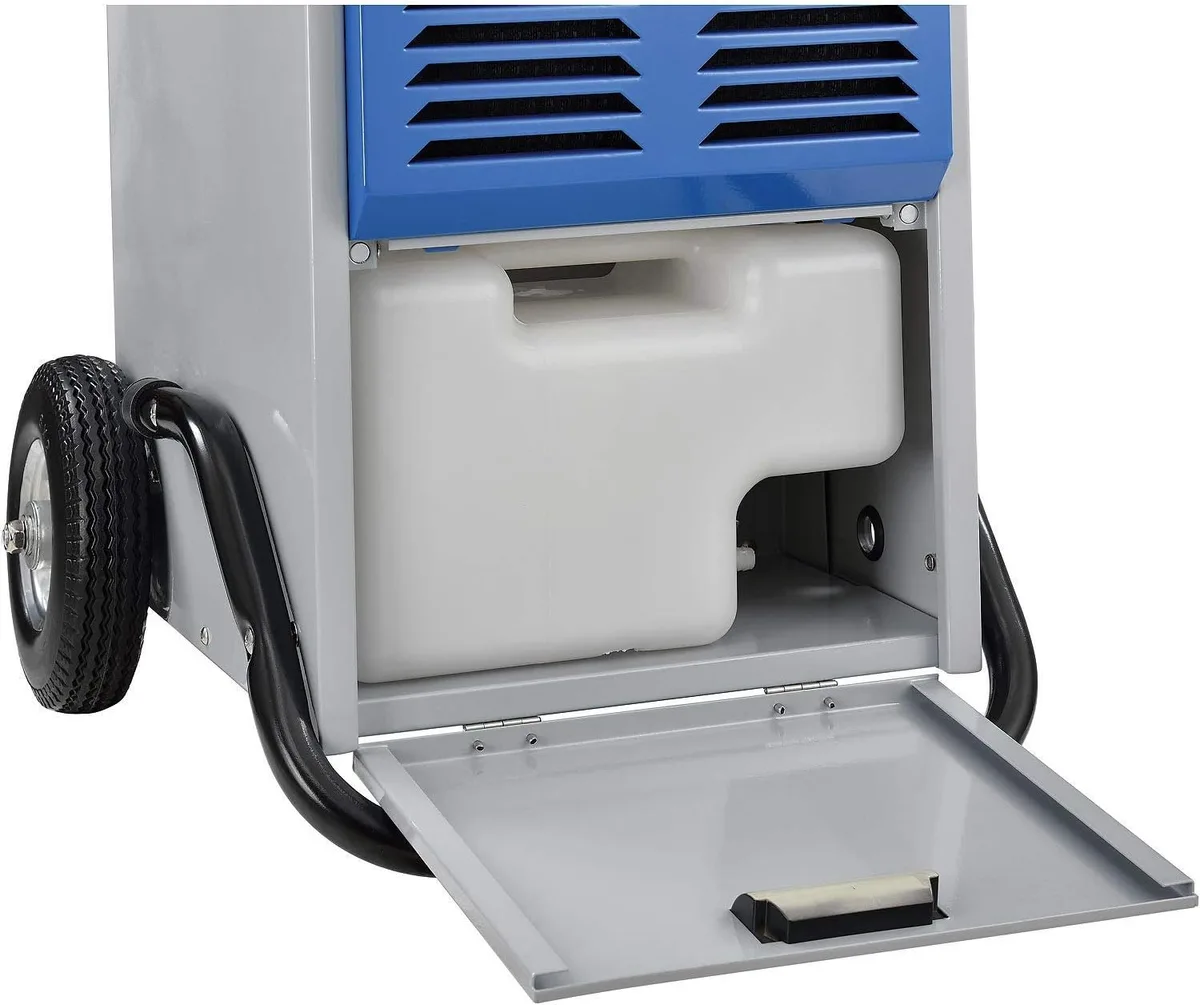
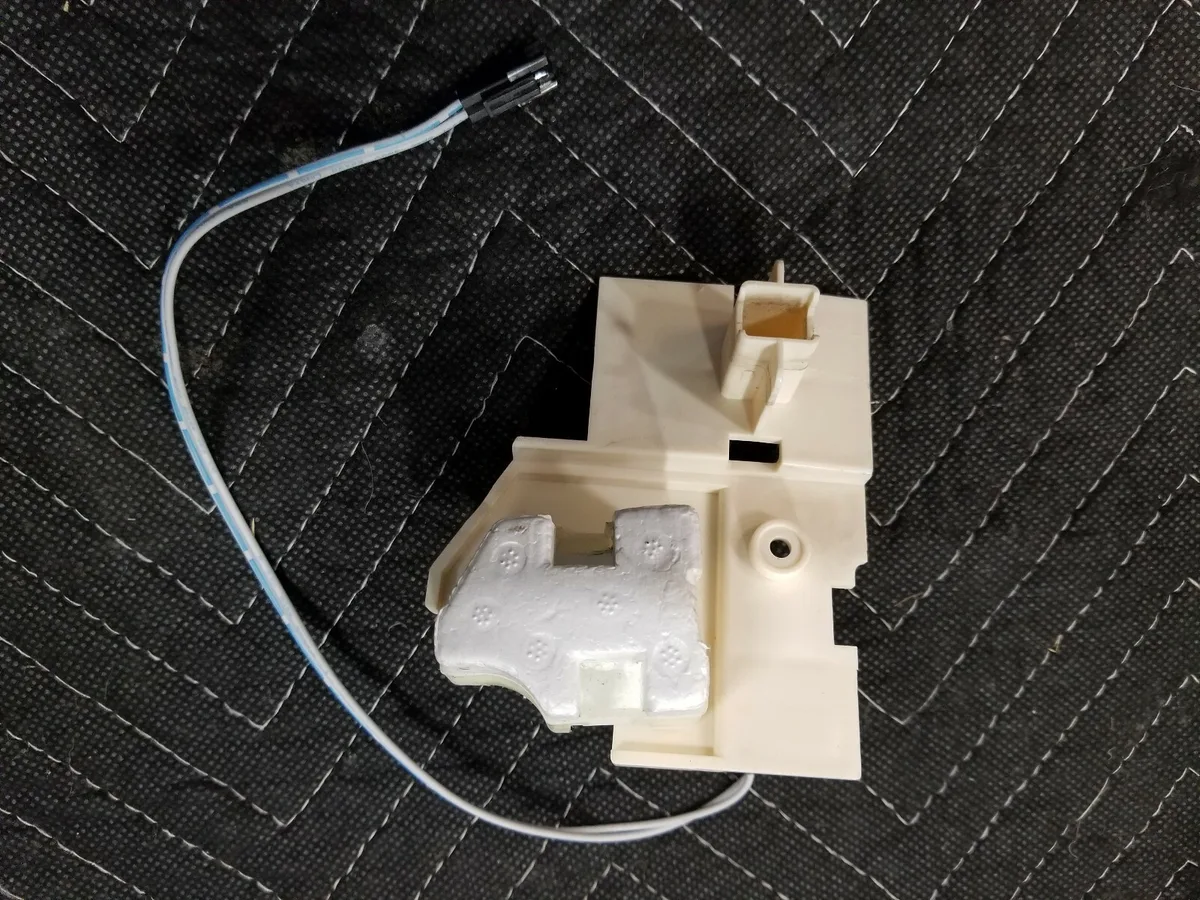
Branch 2: Is the bucket seated properly? This is the easiest fix. The float switch sits on top of the bucket. If the bucket isn't fully pushed in, the float can stay stuck in the "full" position.
Press the float down. If the compressor kicks on, you found the problem.
Branch 3: Is the air filter clean? A clogged filter restricts airflow. The coils ice over and water stops. Pull the filter and hold it to the light.
If you can't see through it, wash it.
Branch 4: Are the coils frosted or dirty? Open the front grille and look. Ice means the unit needs to defrost. Check for dust too.
Dirty coils can't exchange heat properly.
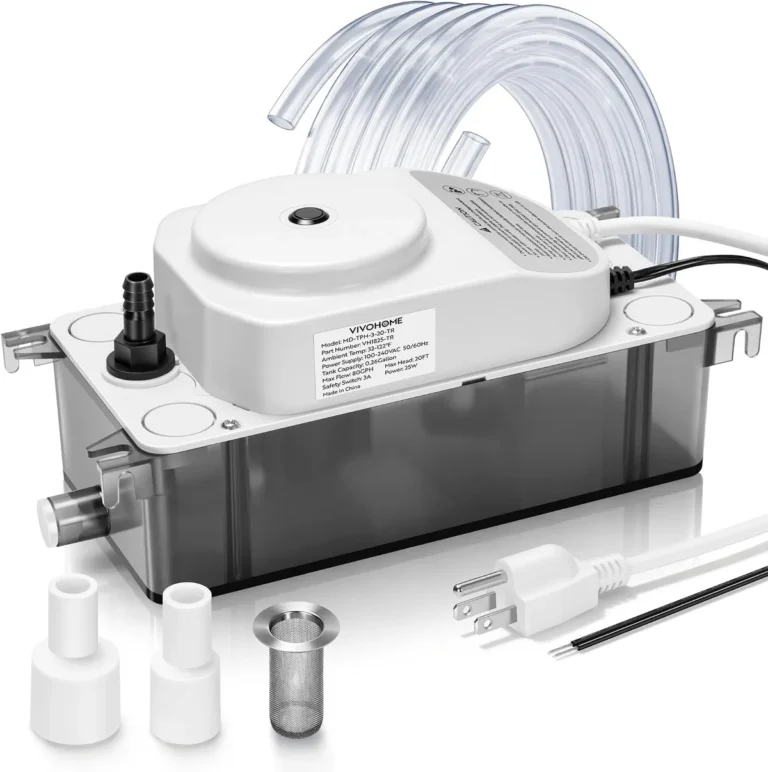
Branch 5: Is the drain hose blocked? Disconnect it and blow through. A kinked or clogged hose stops continuous drain. Make sure the hose runs downhill.
| Symptom | Likely cause | Quick fix |
|---|---|---|
| Fan runs, compressor silent | Capacitor or overload | Wait 10 minutes, reset |
| Bucket empty but float high | Misaligned bucket | Press float, reseat bucket |
| Weak airflow, ice on coils | Dirty filter | Wash or replace filter |
| Frost on coils | Cold room / dirty coils | Defrost, clean coils |
| No water with drain hose | Kink or clog | Straighten or clear hose |
Common Mistakes That Keep Your Dehumidifier Empty
Leaving the bucket misaligned. A tiny gap keeps the float switch raised. Push the bucket until it clicks.
Setting the humidistat too high. At a 60% setpoint with 55% room air, the unit never turns on. Set it lower, around 40%, and see if water appears.
Running a compressor model in a cold room. Below 65°F, performance drops. Below 41°F, frost forms and the bucket stays empty. A desiccant unit works better in cold basements.
Our best dehumidifier for basement guide covers the difference.
Forgetting the air filter. Clean it every two to four weeks. A dusty filter freezes the coils.
Using a drain hose uphill. Condensate won't climb. Keep the hose sloped down.
Pushing the unit against a wall. Blocked airflow confuses the humidity sensor. Give it space.
How Temperature and Humidity Affect Water Collection
The biggest factor isn't the machine. It's the room. A dehumidifier can only collect water that's actually in the air.
Warm air holds more moisture. Cold air holds very little.
Most compressor models are rated between 41°F and 90°F. At lower temps, the evaporator coils frost over. Frost is frozen condensate.
The machine keeps running, but water never reaches the bucket. That's why it collects on the coils until the defrost cycle melts it.

Why cold basements are tricky
Basements often sit around 55°F to 60°F. That's too cold for many compressor units. Desiccant dehumidifiers work better near 33°F and above.
They use a moisture-absorbing rotor instead of cold coils, so frost never forms. If your basement stays cold, that's the right tool for the job.
How to measure room conditions accurately
A built-in hygrometer can drift off by 5 to 10 percent. Grab a separate digital hygrometer for about $10. Place it near the dehumidifier intake.
Wait 30 minutes for a stable reading.
If the room reads 50 to 60 percent RH and the dehumidifier is set to 40 percent, it should run. If it reads 40 percent, the unit will cycle off. That's normal.
Seasonal differences
Summer air holds more moisture. Your dehumidifier fills buckets daily. Winter air is naturally dry.
Even a basement can drop to 30 percent RH. The machine will run less or not at all.
That's not a repair. It's a seasonal shift. Check for condensation on windows in winter.
That's the real signal.
Frequently Asked Questions
Should I see water immediately when I turn it on?
No. A dehumidifier takes time to pull moisture from the air. In a humid basement, you might see water in 30 minutes.
In a dry room, it could take hours or days.
How long does it take to see water in the bucket?
It depends on the room and the unit. A 50-pint model in a damp basement at 80°F might fill the bucket in 8 to 12 hours. The same unit in a 55°F basement might need 24 hours.
Why does my dehumidifier collect water sometimes but not other times?
Temperature and humidity change every day. A rainy day adds moisture. A cold snap drops it.
The machine is responding to the room. If it runs after a shower or cooking, that's expected.
Can a dehumidifier run too much?
Short cycling, where the unit turns on and off every few minutes, can wear out the compressor. That usually happens when the humidistat is set too close to the room humidity. Set it 10 percent lower to give the unit a longer run.
Is it normal for the bucket to stay empty in winter?
Yes. Cold air holds less water. A heated home also dries out.
If your dehumidifier sits idle for months, store it clean and dry. Check the filter when you bring it back out.
When to Call a Professional or Replace the Unit
Most dehumidifier problems are simple fixes. But some issues need a technician. Here is how to tell the difference.
Signs of a failing compressor
If the fan runs but the compressor stays silent, the compressor may be dead. Listen for a humming sound. If you hear a hum but no click, the capacitor might be bad.
That costs about $50 to $100 to replace.
Do not try to open the refrigerant system. It's sealed and requires EPA-certified handling. A refrigerant leak means the unit is done.
Refrigerant repairs on a portable dehumidifier cost more than a new unit. For energy efficiency guidance, the EPA's Energy Star dehumidifier page explains rated performance across different models.
Safety concerns
Unplug the unit if you smell burning plastic or hear loud grinding. Those are signs of a failing fan motor or electrical short. Do not run a dehumidifier with a damaged cord.
Use a GFCI outlet in basements and garages. Water and electricity don't mix.
Estimated lifespan
Most portable dehumidifiers last 3 to 5 years with regular maintenance. Whole-house units can last 8 to 12 years. If yours is older and not collecting water, replacement is often cheaper than repair.
Repair vs. replace decision guide
| Issue | Fix it | Replace it |
|---|---|---|
| Stuck float switch | Clean or adjust | |
| Clogged filter | Clean or replace | |
| Frozen coils (warm room) | Defrost and clean | |
| Frozen coils (cold room) | Swap to desiccant unit | |
| Dead compressor | Replace | |
| Refrigerant leak | Replace | |
| Fan motor noise | $50–100 repair | |
| Unit over 5 years old | Replace |
If you're shopping for a new unit, our best dehumidifier guide covers the most reliable options. For cold basements, the best dehumidifier for basement page has specific recommendations.
The bottom line is simple. Most of the time, your dehumidifier is fine. Check the room temperature.
Check the humidity. Clean the filter. Reseat the bucket.
Nine times out of ten, one of those fixes brings the water back.