How to Disinfect a Dehumidifier
Your dehumidifier pulls moisture out of the air, but it also traps dust, mold spores, and bacteria in its damp interior. Learning how to disinfect a dehumidifier properly is the difference between fresh air and blowing more mold around your home. The tank, filter, coils, and drain lines all need attention, and the order matters.
Manufacturer specifications indicate that most units should be cleaned every two to four weeks during heavy use. Yet most people only empty the bucket. That's where the musty smell comes from, and it's also why your unit starts moving less water over time.
Let's walk through the process.
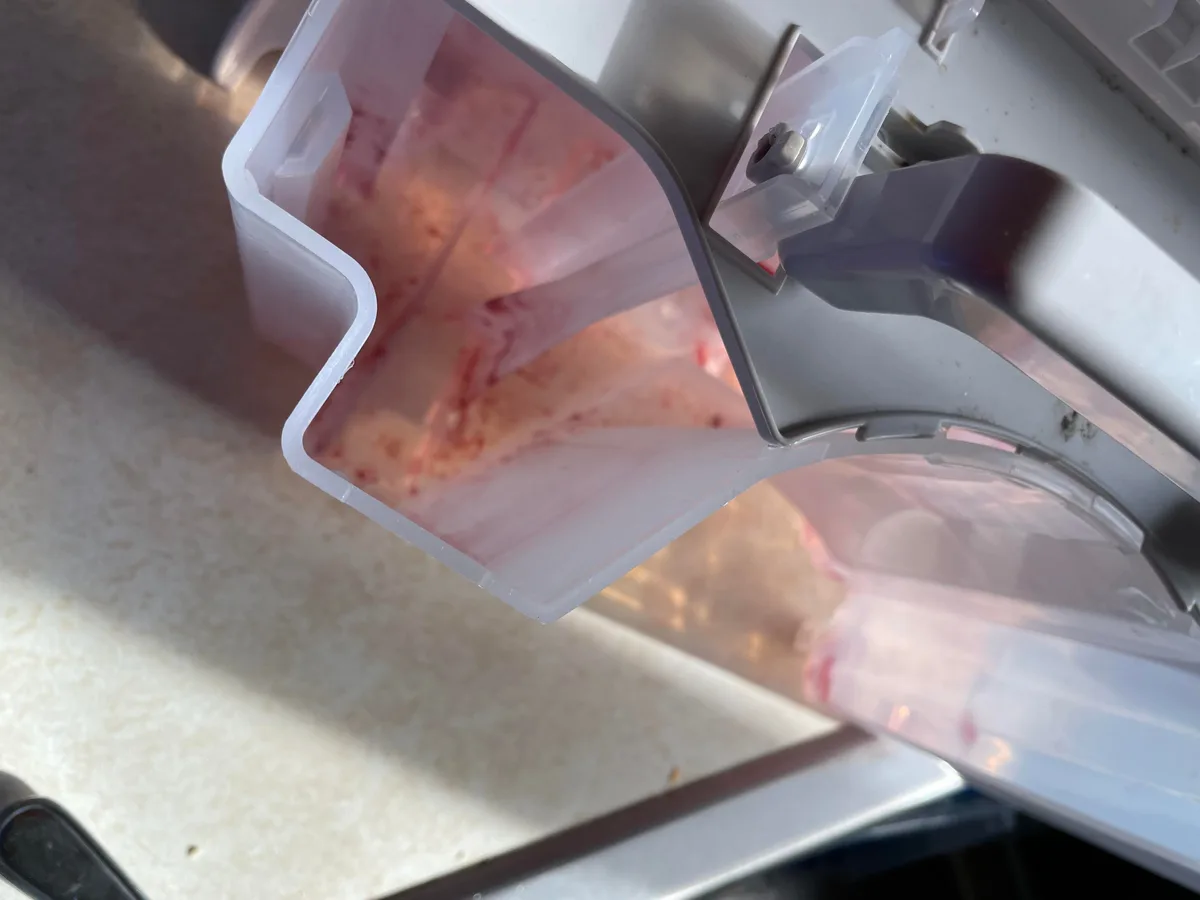
Image source: Bing (Web (fair-use with source credit))
Quick Answer
To disinfect a dehumidifier, unplug it first. Empty and wash the tank with warm, soapy water. Wipe the filter and dry it completely.
Clean the coils with a soft brush. For mold, use a 1:32 bleach-to-water solution, but never on coils.
Why Disinfecting Your Dehumidifier Matters
If you've ever noticed a musty smell when your dehumidifier runs, it already has a problem. That smell is microbial growth, and it's not just unpleasant. The EPA notes that indoor mold can trigger allergic reactions and asthma symptoms, so you're literally breathing whatever is growing inside the unit.
The tank, filter, and coils collect dust and moisture, which is the exact recipe for mold.
A dirty unit also works harder. Biofilm on the evaporator coils blocks airflow, so less moisture hits the cold surface and ends up in the bucket. As of 2026, dehumidifier performance is still rated under AHAM standards, but those lab tests assume clean components.
Real-world units with a clogged filter or coated coils fall far short of that rating.
Signs your unit needs attention:
- A musty or sour smell when it runs
- Visible dark spots on the filter or fins
- A slimy film on the inside of the water tank
- It runs longer but fills the bucket more slowly
- The room still feels sticky at the same humidity setting
If any of these sound familiar, it's time to deep-clean. The process takes about 30 minutes and uses items you probably already own.
Know Your Unit: Tank, Filter, Coils, and Drain Lines
Before you start scrubbing, find out what kind of dehumidifier you have. Most portable units share the same parts: a removable water tank, a filter, a coil assembly, and a drain pan. Some models also include a condensate pump and a permanent drain hose.

Image source: Bing (Web (fair-use with source credit))
- Water tank: The bucket that collects condensate. Almost always removable and dishwasher-safe on the top rack, but check your manual.
- Air filter: Either a washable mesh filter or a disposable filter media. Washable filters are common on mid-range and premium units.
- Evaporator and condenser coils: The metal fins inside the unit. These pull moisture out of the air.
- Drain pan and condensate pump: The tray under the coils and the pump that pushes water up a hose to a sink or window.
- Drain hose: A flexible tube used for continuous drainage.
| Component | What It Does | Cleaning Method |
|---|---|---|
| Water tank | Holds collected water | Wash with soapy water or vinegar |
| Air filter | Traps dust before air hits coils | Rinse with lukewarm water |
| Coils | Condense moisture | Vacuum with soft brush attachment |
| Drain pan | Collects water under the coil | Wipe with disinfectant |
| Drain hose | Carries water to floor drain | Flush with vinegar solution |
If your unit has a bucket that slides out, you can clean most of it in the sink. Basement models with a pump need a few extra steps because the water line can grow slime. Not sure which type you have?
Your owner's manual is the best resource. If you don't have it, a guide to the best dehumidifier for basement can help you spot the differences between portable tank models and pumped units.
Choosing the Right Cleaner for Your Unit
The cleaner you choose depends on what you're removing. Light dust and hard water respond well to white vinegar. Visible mold or slime needs something stronger, like hydrogen peroxide or a diluted bleach solution.
- White vinegar: Best for light scale and mild mustiness. It's acidic and breaks down mineral deposits, but it is not a registered disinfectant. Good for routine cleaning.
- Hydrogen peroxide (3%): Kills mold and bacteria without the harsh fumes of bleach. It's safe on most plastics and leaves no residue. Use it straight on affected surfaces.
- Bleach: The strongest option. The CDC recommends a diluted bleach solution for mold cleanup. Mix half a cup of bleach per gallon of water. Never use it on metal coils because it can corrode aluminum.
- Commercial dehumidifier cleaner: Formulated for coils and plastics. Often includes a cleaner and a protectant. Best if your unit is under warranty and you want to follow manufacturer guidelines.
| Cleaner | Removes | Best For | Watch Out |
|---|---|---|---|
| White vinegar | Scale, mild odors | Routine cleaning | Not a disinfectant |
| Hydrogen peroxide | Mold, bacteria | Plastic parts and tanks | Avoid prolonged soaking |
| Bleach solution | Mold, mildew | Non-metal surfaces | Corrodes coils |
| Commercial cleaner | Biofilm, scale | Full internal cleaning | Follow label instructions |
One rule above all: never mix bleach with vinegar or any acid. That combination creates toxic chlorine gas. If you're unsure what your unit can handle, check the manufacturer's manual first.
Using the wrong chemical can damage plastic parts and void your warranty.
Step-by-Step: How to Disinfect a Dehumidifier
Now that you know what you're working with, here's the full process. Take your time and let everything dry completely before reassembling.

Image source: Bing (Web (fair-use with source credit))
Step 1: Unplug the unit. This is non-negotiable. Even if it's turned off, the inside still has live electrical connections.
Step 2: Remove the water tank and filter. Empty the tank into a sink. Take out the filter and set it aside.
Step 3: Clean the filter. If it's washable, rinse it under lukewarm running water. Don't use soap unless the label says it's safe. Gently squeeze out excess water and let it air dry.
If it's disposable, replace it.
Step 4: Wash the tank. Use warm, soapy water or a vinegar solution. Scrub the inside, then let it sit for 10 to 15 minutes. Rinse well.
For visible slime, use hydrogen peroxide instead.
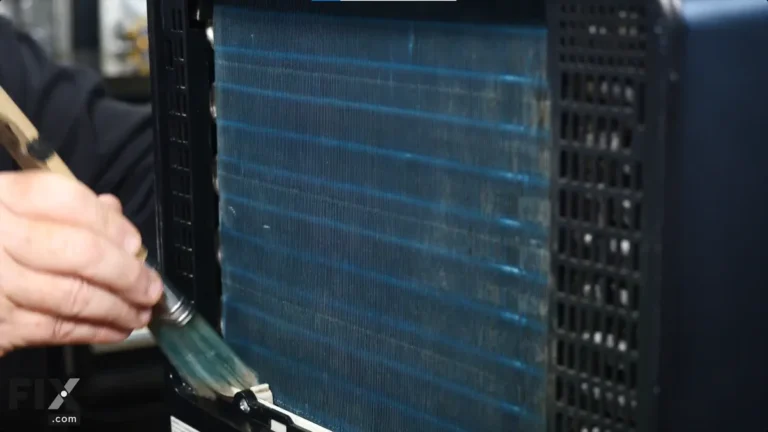
Step 5: Vacuum the coils. Use a soft brush attachment to remove dust and debris. Work gently, because the fins bend easily. If the coils have heavy buildup, spray with a commercial coil cleaner and let it drain.
Step 6: Disinfect the drain pan and hose. Wipe the pan with your chosen disinfectant. If you have a drain hose, flush it with a vinegar-water mix. A pipe cleaner or thin bottle brush works well here.
Step 7: Dry everything. This is the most skipped step. Any moisture left inside becomes a new home for mold. Leave parts on a towel for 2 to 4 hours.
Step 8: Reassemble and test. Put the filter and tank back, plug the unit in, and run it for 30 minutes. Drain the water once more to flush out any remaining residue. Run it for 30 minutes and check for leaks.
Common Mistakes, Troubleshooting, and When to Replace
The biggest mistake is using bleach on the coils. Aluminum evaporator coils are sensitive to chlorine, and even a diluted mix can cause pitting. Once the metal surface is rough, more bacteria stick to it, and the problem gets worse.
Stick to a commercial coil cleaner or just a soft brush for the fins.
Skipping the drying step is another common error. People clean the parts, put them back wet, and wonder why the musty smell returns in a day. Mold can start growing in 24 to 48 hours.
Water sitting in the drain pan or hose is enough to kick it off.
Forgetting to clean the drain hose is a third mistake. The hose is out of sight, so it gets ignored. But slime builds up in that dark, wet tube and eventually backs up into the unit.
A quick flush with vinegar every few months prevents this.
Sometimes a dehumidifier acts up right after you clean it. Don't panic. A few common issues have simple fixes.
- Unit won't turn on: It may not be fully seated. The safety switch in the tank slot needs the bucket to be pushed in all the way. Remove and reinsert the tank firmly.
- Water leaks from the front: The tank may not be aligned properly. Check that it sits flat and the lid is closed. Also check that the drain hose connection is tight.
- Musty smell returns in a day: Something stayed damp. The filter or drain pan may still have moisture. Remove both parts and let them dry for another 2 hours.
- Unit runs but the bucket stays empty: The float switch may be stuck. Locate the float inside the tank cavity and make sure it moves freely. A bit of debris can hold it up.
Know when to stop cleaning and start shopping. If the compressor runs but no water collects, that usually means a refrigerant leak. That's not repairable at a reasonable cost.
A unit over 5 to 7 years old is also at the end of its life. Efficiency drops sharply after that.
Other replacement signs include a cracked plastic tank or a fan that makes a grinding noise. The motor bearings are likely worn. Replacing the motor often costs more than a new unit.
If you're in the market for a replacement, consider a model with a washable filter and antimicrobial coil coating. These features make future cleaning easier. Reviews of the best dehumidifier options can help you compare features and warranties.
How Often to Disinfect and Maintain Your Unit
Frequency depends on usage. During humid summer months, clean the tank and filter every two weeks. This prevents the slime from building up.
For the rest of the year, once a month is fine.
Here's a simple schedule:
- Every 2 weeks: Empty and rinse the tank. Rinse the filter if it's washable.
- Monthly: Deep-clean the tank with vinegar or hydrogen peroxide. Wipe the drain pan.
- Every 3 months: Vacuum the coils. Flush the drain hose.
- Once a year: Consider a full disassembly and deep clean, especially if you live in a high-humidity climate.
Use this decision logic to adjust your routine. If you notice a musty smell, deep clean everything, including the drain hose and coils. If the tank has slime but no odor, a routine wash is enough.
If the airflow feels weak, the filter is likely clogged. Rinse or replace it immediately.
If you only use your dehumidifier during humid months, how you store it matters. A unit packed away with moisture inside will grow mold all winter. Before storing, run a full deep clean cycle.
Dry every component completely. Leave the tank and filter out of the unit so air can circulate. Store it in a dry, climate-controlled space if possible.
When you pull it out next season, do a quick check. Inspect the filter for dust or damage. Check the tank for any moisture or mildew spots.
Wipe the coils with a dry microfiber cloth. Run the unit for 30 minutes on a test cycle.
Frequently Asked Questions
Can I use bleach to clean my dehumidifier?
Yes, but only on non-metal parts like the water tank. Mix half a cup of bleach per gallon of water. Never use it on the coils or any aluminum surface.
The fumes are strong, so ventilate the room.
How do I get the musty smell out of my dehumidifier?
The musty smell means mold or bacteria is growing inside. Clean the tank, filter, drain pan, and coils. Use a hydrogen peroxide solution on the tank and pan.
Let everything dry completely before reassembling.
How often should I clean the dehumidifier filter?
Every two to four weeks during heavy use. If you see visible dust or the airflow seems weak, clean it sooner. Washable filters should be rinsed with lukewarm water and dried completely before reinstalling.
Can I put the water tank in the dishwasher?
Check your manual first. Many tanks are dishwasher-safe on the top rack, but the heat can warp some plastics. Hand washing with warm soapy water is safer for most models.
What happens if I don't clean my dehumidifier?
The unit becomes less efficient. It will run longer to remove the same amount of moisture. Mold and bacteria will grow inside, and you'll blow those spores into the room.
Over time, the coils can foul and the unit may fail early.
How do I clean the drain hose on my dehumidifier?
Disconnect the hose from the unit. Flush it with a solution of equal parts white vinegar and warm water. Let it sit for 10 minutes, then flush with clean water.
A thin bottle brush or a pipe cleaner works for stubborn slime.