How to Maintain a Dehumidifier
Learning how to maintain a dehumidifier is one of those small tasks that makes a huge difference in how long the unit lasts. Skip the routine care and you'll end up with a machine that works harder, smells worse, and breaks down long before it should. The good news is that it's not complicated.
Manufacturer specifications indicate that a clean filter alone can improve a dehumidifier's efficiency by 15 to 25 percent. ASHRAE, the standard-setting body for indoor air quality, recommends keeping indoor relative humidity between 30 and 60 percent. A well-maintained dehumidifier is the easiest way to stay in that range.
Let's walk through exactly what to do.
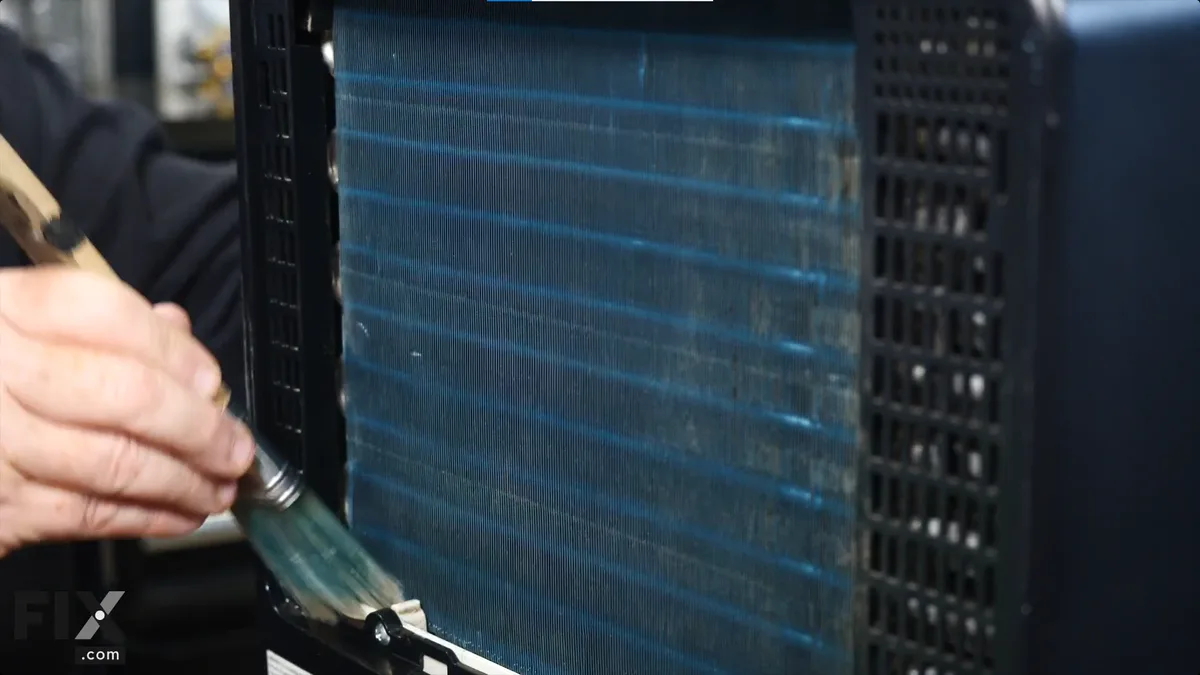
Image source: Bing (Web (fair-use with source credit))
Quick Answer
Clean the air filter every two to four weeks. Wash the water bucket weekly with mild soap and water. Vacuum the coils every three months.
Keep the intake and exhaust vents clear. Always unplug the unit before cleaning. As of 2026, most modern dehumidifiers have washable filters that require regular cleaning.
Run a descaling solution through the system every few months in hard water areas.
When Your Dehumidifier Starts Acting Up (or Smelling Weird)
Most people don't think about maintenance until something goes wrong. You notice the air doesn't feel as dry. The bucket fills up slower than it used to.
Or a musty smell starts coming from the unit.
That smell is usually the first clue. It happens when bacteria or mold grow inside the water bucket or on the coils. If the smell is sour or like dirty socks, it's the bucket.
A musty, earthy smell often means mold on the coils or inside the drain pan.
Reduced airflow is another common sign. Put your hand near the exhaust vent. If the air feels weak or barely moving, the filter is likely clogged.
A dirty filter forces the fan to work harder. It reduces the unit's ability to pull moisture from the air.
Ice on the coils is a different problem. It usually happens when the room temperature drops below 65 degrees Fahrenheit for compressor units. But it can also mean the coils are coated in dust and grime, which traps moisture and freezes.
If the unit runs constantly but never reaches the target humidity, the humidistat might be off. But more often than not, it's a maintenance issue. The coils are dirty.
The filter is clogged. Or the drain is blocked.
The point is that your dehumidifier gives you warning signs. Once you know what to look for, you can catch problems early. That's where a simple maintenance routine comes in.
The First Question: What Kind of Dehumidifier Do You Have?
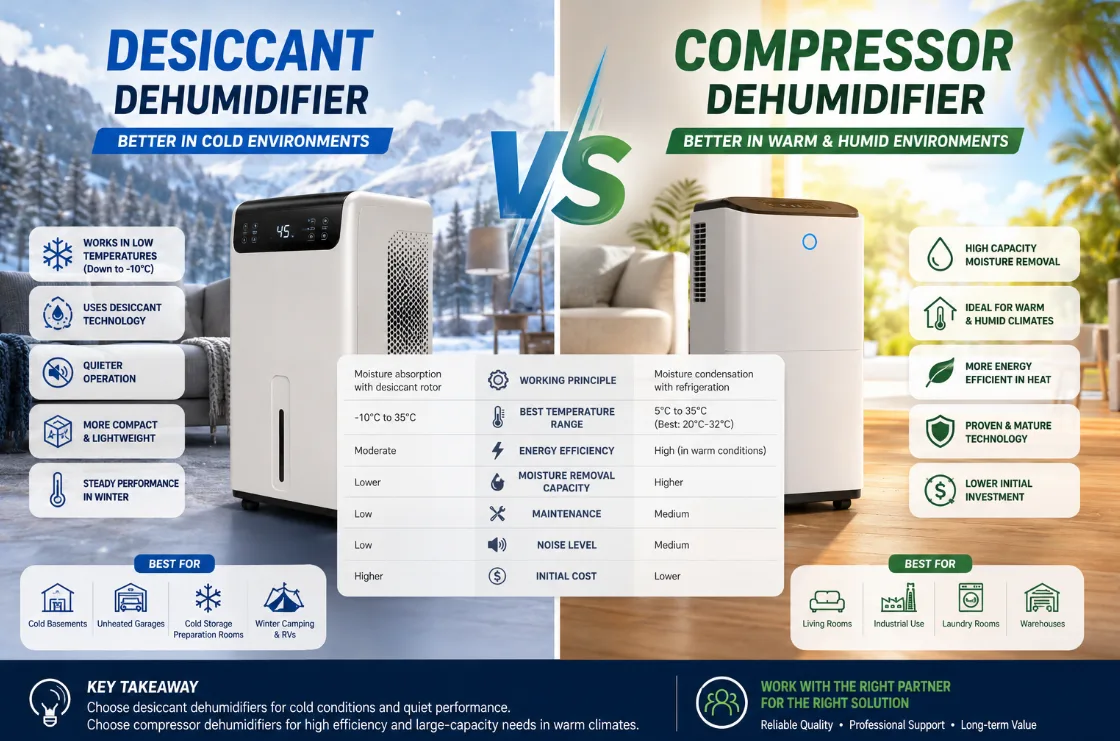
Image source: Bing (Web (fair-use with source credit))
Before you start cleaning, you need to know what type of dehumidifier you own. The maintenance steps are different for each kind. Using the wrong method can damage the unit.
There are three main types you'll find in homes today.
Compressor dehumidifiers work like a refrigerator. They use a refrigerant and a compressor to cool the coils. Moisture condenses on the cold surfaces and drips into the bucket.
These are the most common type for basements and whole-home use. They work best in warm conditions above 65 degrees Fahrenheit.
Desiccant dehumidifiers use a rotating wheel coated with a moisture-absorbing material. They don't have cold coils. They work better in cooler temperatures and are quieter than compressor units.
They need less frequent coil cleaning but require attention to the desiccant wheel.
Thermoelectric (Peltier) dehumidifiers use a ceramic plate to create a cold surface. They are small, quiet, and energy-efficient. They are only effective in small spaces like closets or bathrooms.
Their maintenance is mostly about keeping the cold plate clean.
You can tell which type you have by looking at the label on the back of the unit. The model number will tell you. Or check the manual.
If you lost it, search the brand and model number online.
This distinction matters because the cleaning workflow changes. Let's break it down.
Your Maintenance Workflow, Based on Your Unit Type
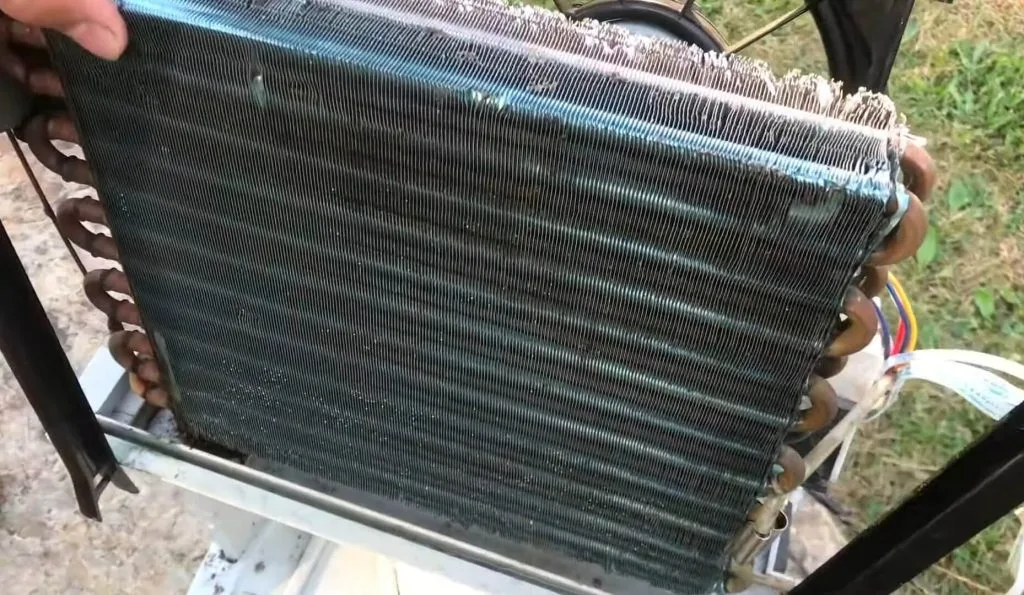
Image source: Bing (Web (fair-use with source credit))
The core maintenance tasks are the same for most units. But the details change depending on your type. Here is the workflow.
Step 1: Unplug and Empty
Always unplug the unit before you touch anything inside. Empty the water bucket completely. Remove the bucket and set it aside.
Step 2: Clean the Filter
This is the most important step. Remove the air filter from the front or top of the unit. If it's a washable filter, rinse it under warm running water.
Use a soft brush to remove embedded dust. If it's a disposable filter, replace it with a new one.
Let the filter dry completely before putting it back. A wet filter grows mold. This takes about two to four hours depending on humidity.
Step 3: Clean the Bucket
Fill the bucket with warm water and a few drops of dish soap. Scrub the inside with a soft sponge. Pay special attention to the corners and the bottom where slime builds up.
Rinse thoroughly. Dry with a clean towel. Let it air dry completely before reinstalling.
Step 4: Clean the Coils (Compressor Units Only)
This step only applies to compressor dehumidifiers. Locate the evaporator coils behind the front grille. Use a soft brush or a vacuum with a brush attachment to remove dust and debris.
For stubborn grime, use a commercial coil cleaner or a mixture of equal parts white vinegar and water. Spray it on the coils. Let it sit for five minutes.
Wipe it away with a damp cloth.
Do not use bleach. It will corrode aluminum coils.
Step 5: Check the Drain
If you use a continuous drain hose, check for kinks or clogs. Pour a cup of water through the hose to test the flow. If it's slow, clean the hose with a pipe cleaner or replace it.
Step 6: Wipe Down the Exterior
Use a damp cloth to wipe the outside of the unit. Clean the intake and exhaust grilles. This keeps airflow strong and prevents dust buildup.
The Mistakes That Shorten a Dehumidifier's Life
Most dehumidifier failures come down to a handful of preventable mistakes. Avoiding these will save you money and frustration.
Skipping filter cleaning. This is the number one cause of reduced performance. A clogged filter blocks airflow. The fan works harder.
The compressor runs longer. Energy use goes up. And the unit eventually overheats.
Using bleach on coils. It's a common mistake. Bleach is corrosive to aluminum. It eats away at the metal and causes leaks.
Stick to vinegar or a coil cleaner designed for HVAC systems.
Putting the filter back wet. People wash the filter and immediately put it back. A wet filter becomes a breeding ground for mold. Every time the unit runs, it blows mold spores into the room.
Let it dry completely.
Ignoring the drain hose. A kinked or clogged drain hose causes water to back up into the unit. This can lead to leaks, rust, and electrical damage. Check the hose every month.
Running the unit in freezing temperatures. Compressor units are not designed to operate below 65 degrees Fahrenheit. The coils freeze, the compressor strains, and the unit can fail. Desiccant units handle cold better.
Know your unit's limits.
Overlooking the humidistat. If the humidistat is set too low, the unit runs constantly. If it's set too high, the unit never turns on. Set it between 45 and 50 percent for most conditions.
Neglecting the intake and exhaust vents. Furniture or curtains blocking the vents reduce airflow dramatically. The unit suffocates. It works harder and collects less water.
Give it at least 12 inches of clearance on all sides.
When to Go Beyond DIY Maintenance
Most dehumidifier maintenance is DIY-friendly. But some problems require professional help.
Refrigerant leaks. If your compressor unit is running but not collecting water, it might have a refrigerant leak. This is not a DIY fix. Refrigerant handling requires EPA certification.
Call a professional.
Compressor failure. If the unit hums but doesn't start, or if it trips the circuit breaker, the compressor may be dead. In many cases, replacement is cheaper than repair.
Cracked drain pan. The plastic drain pan can crack over time from heat and pressure. A cracked pan leaks water inside the unit. This can cause electrical damage.
Replacing the pan is possible but often not worth the effort.
Fan motor issues. If the fan makes grinding noises or doesn't spin freely, the motor bearings may be worn. This is a fixable problem but requires disassembling the unit.
When to replace instead of repair. A general rule of thumb is that if the repair costs more than half the price of a new unit, replace it. Most dehumidifiers last 5 to 7 years with proper maintenance. If yours is approaching that age, a new unit is often the better investment.
For specific guidance, the EPA's Indoor Air Quality page offers resources on managing humidity and moisture in your home. The agency recommends keeping indoor humidity between 30 and 50 percent to prevent mold growth.
If you're in the market for a replacement, check out our guide to the best dehumidifier for basement use. Basement environments have specific needs that differ from other rooms. For a broader look at available options, our best dehumidifier roundup covers the top models across different categories.
Frequently Asked Questions
How often should I clean the filter on my dehumidifier?
Clean the filter every two to four weeks during regular use. If you run the unit daily in a dusty basement or near a pet area, clean it every two weeks. A dirty filter is the most common cause of poor performance.
Why does my dehumidifier smell bad?
A musty or sour smell usually comes from bacteria or mold growing in the water bucket or on the coils. Wash the bucket weekly with soap and water. Clean the coils every three months with a vinegar solution.
Let the filter dry completely before reinstalling.
Can I use bleach to clean the coils?
No. Bleach corrodes aluminum coils. It causes pitting and leaks over time.
Use white vinegar mixed with equal parts water, or use a commercial coil cleaner designed for HVAC systems. Rinse thoroughly and let the coils dry.
How do I know if my dehumidifier needs professional repair?
If the unit runs but collects no water and the coils are clean, it may have a refrigerant leak. If it hums but won't start, the compressor may be dead. If it leaks water from the bottom, the drain pan could be cracked.
These issues require a technician.
Should I run my dehumidifier in winter?
It depends on your unit type and location. Compressor units struggle below 65 degrees Fahrenheit. Coils freeze and the compressor strains.
Desiccant units handle cold temperatures well. If your basement stays warm, a compressor unit can run year round.
What humidity level should I set on my dehumidifier?
Set the humidistat between 45 and 50 percent. This range prevents mold growth and keeps the air comfortable. Below 30 percent is too dry and can cause respiratory irritation.
Above 60 percent encourages mold and dust mites.
Your Quick Maintenance Schedule (A Cheat Sheet)
Here is a simple schedule you can stick to. Print it out or save it on your phone.
Every two weeks
- Clean or replace the air filter
- Wipe down the intake and exhaust grilles
Every month
- Wash the water bucket with soap and water
- Check the continuous drain hose for kinks or clogs
- Inspect the area around the unit. Remove any objects within 12 inches of the vents
Every three months
- Vacuum or brush the evaporator and condenser coils
- Descale the coils with a vinegar solution if you live in a hard water area
- Clean the drain pan under the coils
Every six months
- Check the humidistat calibration. Compare it to a separate hygrometer
- Inspect the power cord for cracks or damage
- Test the pump function if your unit has a condensate pump
Once a year
- Replace disposable filters if your unit uses them
- Have a professional inspect the refrigerant system if the unit is over five years old
- Consider a deep clean of the entire unit. Remove the front grille and clean all internal surfaces
Stick to this schedule and your dehumidifier will last longer. It will run more efficiently. And it will keep your indoor air dry and comfortable without the funky smells.