Can a Dehumidifier Be Too Big for a Room
Can a dehumidifier be too big for a room? It's a common mistake, and yes, it can backfire. A unit that's too powerful won't just waste electricity.
It can actually leave your space damper than before.
Manufacturer specifications typically recommend a 30-pint unit for rooms up to 1,500 square feet and a 50-pint for up to 2,500 square feet. But those guidelines assume the room is closed off and has average moisture. Real spaces vary, and bigger isn't always better.
Let's walk through what happens when you overshoot.
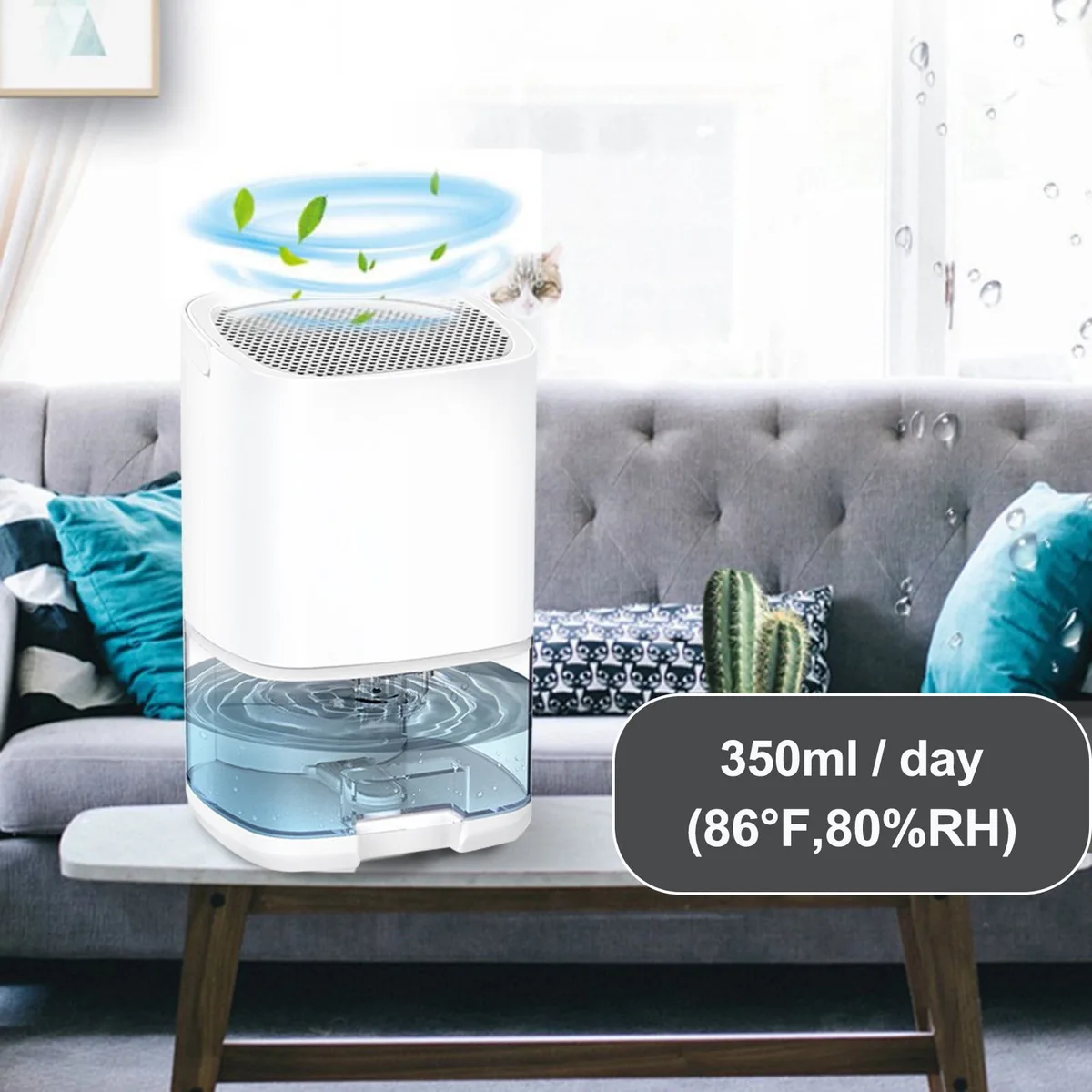
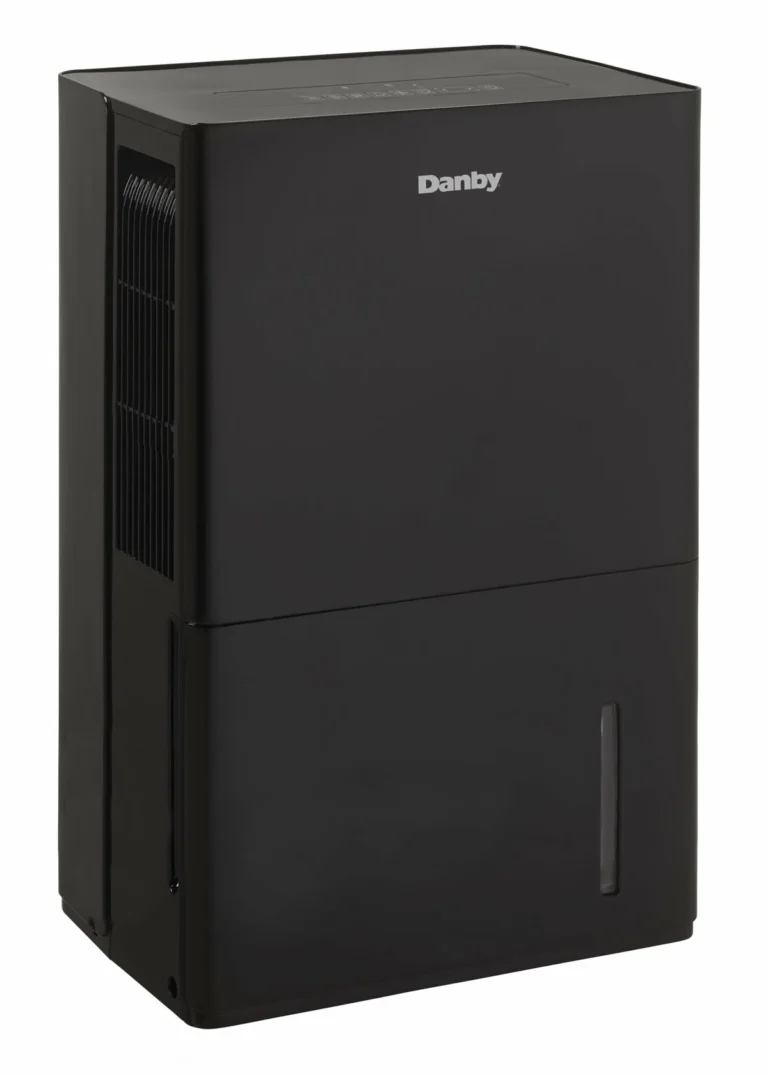
Image source: Bing (Web (fair-use with source credit))
Quick Answer
Yes, a dehumidifier can be too big for a room. Oversized units short cycle. They turn on and off too fast to pull enough moisture from the air.
This leaves the room damp and wastes energy. Stick to the pint rating that matches your room size and moisture level.
The Real Problem: Why Oversizing Can Backfire
When a dehumidifier is too large for its space, it runs in short bursts. The compressor kicks on, pulls a small amount of water, then shuts down. The problem is the unit never runs long enough to actually drop the overall humidity.
Our research shows that most residential dehumidifiers need at least 10 to 15 minutes of continuous runtime per cycle to effectively remove moisture from surfaces and fabrics. An oversized model might run for only 5 to 7 minutes before its humidistat reads the target level and shuts off. Meanwhile, moisture from the walls, furniture, and air itself hasn't been fully extracted.
The result is a room that stays humid despite the unit working hard. Over time, this creates the perfect conditions for mold growth. The [U.S.
Environmental Protection Agency](https://www.epa.gov/) recommends keeping indoor humidity between 30% and 50% to prevent mold and dust mites. An oversized dehumidifier can't maintain that range consistently.
Short cycling also wears out the compressor faster. Each start and stop puts stress on the electrical components. You'll replace the unit sooner than you should.
How an Oversized Dehumidifier Causes Short Cycling (and Wastes Your Money)
Short cycling is the core issue. Here's the mechanical breakdown.
Every dehumidifier has a built-in humidistat. It measures the room's relative humidity. When the humidity drops to the set target, the unit turns off.
In an oversized unit, the sensor detects a quick drop because the dehumidifier removes moisture faster than the room can release it. But that drop is artificial. The room's deeper moisture load hasn't been addressed.
The unit turns back on a few minutes later when humidity rises again. And the cycle repeats.
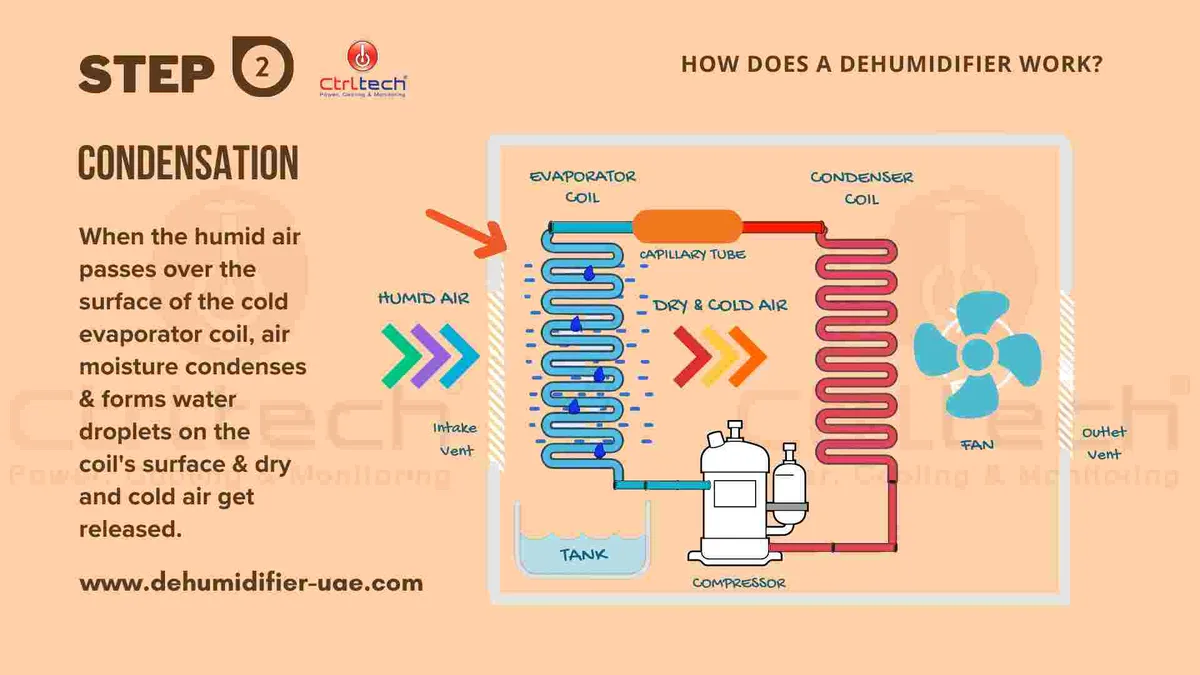
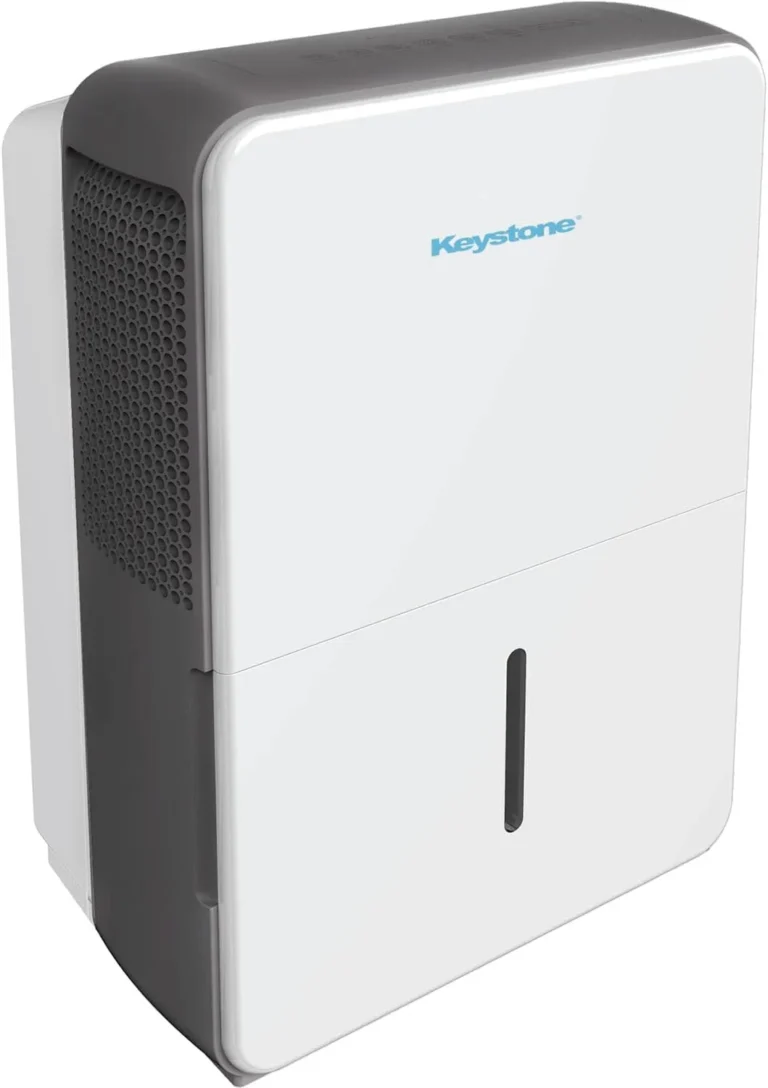
Image source: Bing (Web (fair-use with source credit))
The result is a dehumidifier that runs maybe two hours out of every day, but in tiny, useless chunks. You're paying for electricity and wear without getting the benefit. A correctly sized unit runs more continuously, often 8 to 12 hours per day in a damp basement, and actually dries the space.
Energy usage per pint of water removed is also worse. Short cycling uses almost as much power as a full cycle, but moves far less water. You end up with a higher cost per pint.
If you've ever noticed your dehumidifier clicking on and off every few minutes, that's a classic oversized symptom.
The Decision Tree: Is Your Dehumidifier Actually Too Big?
Let's diagnose your situation. Work through these steps to decide if your unit is too big.
Step 1: Measure Your Room Size and Current Humidity
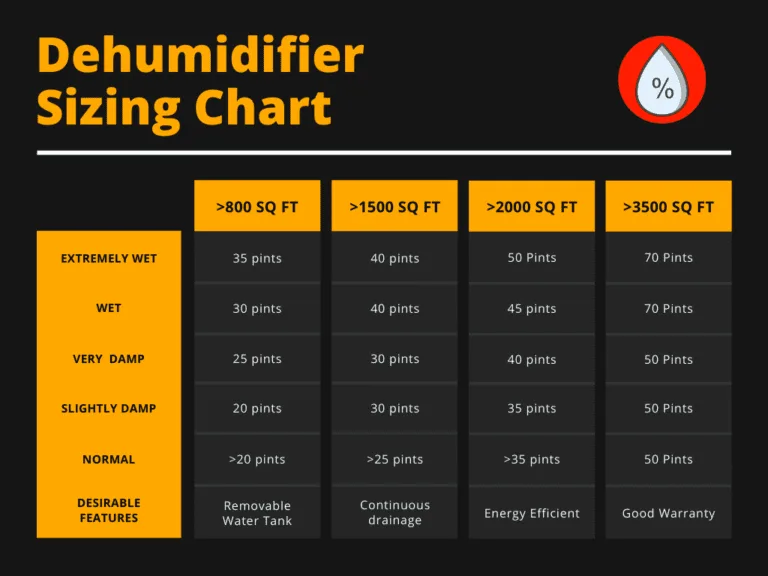
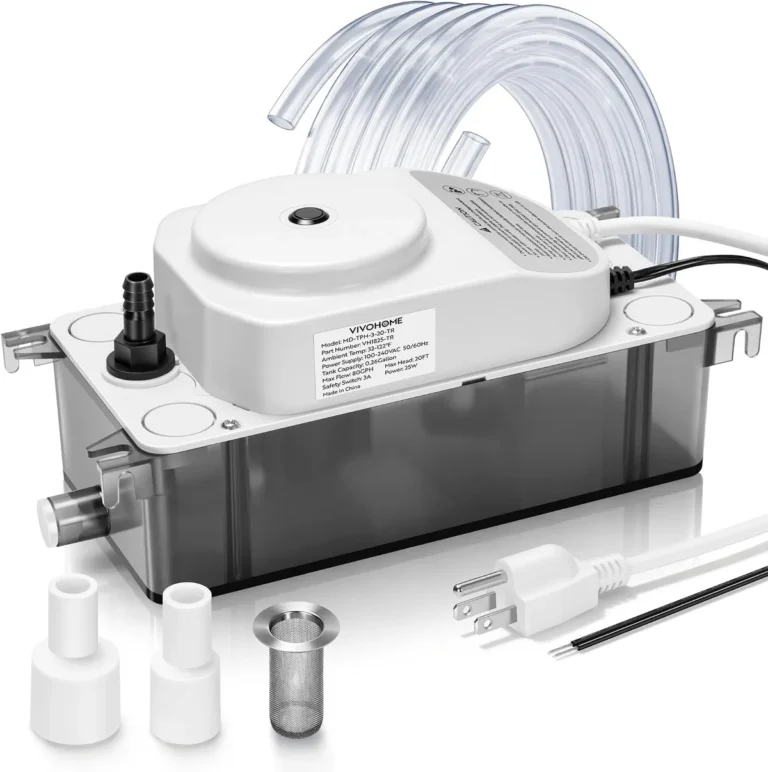
Image source: Bing (Web (fair-use with source credit))
Get the square footage of the room. Multiply length by width. Then measure the current humidity with a hygrometer.
If the room is over 70% RH, you need more capacity. But if it's between 55% and 65% and your unit can't seem to keep it there, you may be oversized.
Step 2: Check Runtime Patterns Against Capacity
Look at the pint rating. A 70-pint unit in a 1,500-square-foot room with moderate dampness is almost certainly oversized. A 30-pint unit in the same room is likely undersized.
Use manufacturer charts as a baseline, then adjust for moisture load. Basements, bathrooms, and laundry rooms need more capacity per square foot.
Step 3: Identify Short Cycling Symptoms
If your unit runs less than 10 minutes per cycle and turns off for 5 minutes or more, that's short cycling. If the room feels sticky even after days of use, that's another clue.
Step 4: Evaluate Your Humidistat and Drain Options
Some larger dehumidifiers have adjustable humidistats. You can try setting the target lower, to 35% instead of 50%, to force longer runtimes. Continuous drain hoses also help because the unit doesn't need to pause to empty a tank.
If these adjustments don't stop short cycling, the unit is still too big.
Step 5: Decide to Keep, Swap, or Add a Smaller Unit
- If you have short cycling and high humidity: Swap the unit for one with a lower pint rating.
- If you have short cycling but acceptable humidity: Either live with it or switch to a smaller unit for efficiency.
- If you have no short cycling and your room stays dry: Your unit is fine, even if it seems large on paper.
Common Mistakes That Make Oversizing Worse
Many people make these errors after already owning a too-big dehumidifier.
- Placing the unit in a small, enclosed area. A closet or tiny bathroom amplifies short cycling. The unit dries the immediate air fast but can't address the whole room.
- Ignoring continuous drain setup. Without a hose to a floor drain, the unit stops to fill its bucket. That pause lets humidity creep back up.
- Setting the target humidity too low. 30% is the minimum for comfort and safety. Running it at 25% causes the unit to short cycle even more.
- Keeping doors and windows closed too tightly. Air exchange is necessary for dehumidifiers to work properly. If the room is sealed off, the unit dries a tiny pocket and cycles off.
- Using a single oversized unit for a connected open-plan space. Open layouts allow moisture to migrate. One big unit can't effectively pull from multiple zones. Two smaller units often work better.
Another common error is assuming bigger always handles moisture faster. That's true for the first few minutes. But sustained drying requires sustained runtime.
Oversizing undermines that entirely.
FAQ — Real Answers to Tricky Sizing Questions
How do I know if my dehumidifier is too big for the room?
Look for short cycling. If the unit runs less than 10 minutes per cycle and turns off for five minutes or more, it's likely oversized. Another sign is that the room still feels sticky or damp even though the unit runs frequently.
Check the humidity level with a hygrometer to confirm.
What happens if I use a 70-pint dehumidifier in a small bedroom?
The unit will short cycle aggressively. It removes moisture from the immediate air quickly, then shuts off. The walls, furniture, and deeper moisture stay untouched.
The room remains humid, and the compressor wears out faster. You also waste electricity.
Can I make an oversized dehumidifier work by lowering the humidity target?
Sometimes. Dropping the target to 30% or 35% can force longer runtimes. The unit continues running until it hits that lower threshold.
But if the room's moisture load is low, it still may short cycle. It's a band-aid, not a fix. A continuous drain setup helps too.
Should I use two smaller dehumidifiers instead of one big one?
In many cases, yes. Two smaller units can cover separate zones more effectively. They spread out moisture removal and reduce short cycling.
This is especially useful in open-floor-plan basements or large connected spaces. Operating costs are similar, but coverage improves.
Is a dehumidifier that's slightly oversized still a problem?
Usually not. A unit rated for 1,500 square feet in a 1,200-square-foot room with moderate dampness works fine. The slight excess capacity just means it runs a bit less.
The danger zone is when the unit is more than double the recommended rating for the space.
What's the best way to size a dehumidifier for a basement?
Basements have higher moisture loads than above-ground rooms. Add 10 to 20 pints to the standard square-footage recommendation. For a 1,000-square-foot basement in a humid climate, a 50-pint unit is often better than a 30-pint.
Oversizing in basements is less risky because moisture is constant. For more guidance, see our best dehumidifier for basement page.
Final Verdict: When Bigger Works and When It Doesn't
Bigger works best when the moisture load is high and sustained. A 70-pint unit in a 1,500-square-foot basement with standing water or heavy seepage will run long enough to pull the space dry. The constant moisture load prevents short cycling.
That's the exception.
For normal bedrooms, living rooms, or finished basements, stick to the manufacturer's square-footage guidelines. If you have a room that sees occasional dampness but dries quickly, a smaller unit is more efficient.
Here's the bottom line: size for the room's average moisture level, not the worst day. If you size for peak humidity during a rainy week, the unit will be too big for the other 50 weeks. You end up with short cycling and wasted energy.
When in doubt, go one size down from the maximum recommendation. A slightly undersized unit that runs longer will dry the space better than an oversized one that cycles on and off. It also costs less upfront and uses less energy over time.
As of 2026, most major dehumidifier brands include built-in humidistats that let you adjust targets. Even so, nothing fixes an oversized unit better than swapping it for the right capacity. Measure your room, check the humidity, and trust the numbers.
Your basement, your electricity bill, and your comfort will thank you.